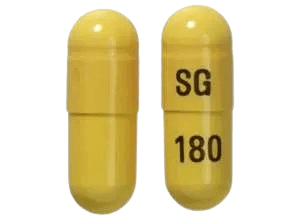
Gabapentin (Monograph)
Brand names: Gralise, Horizant, Neurontin
Drug class: GABA-mediated Anticonvulsants
Introduction
Anticonvulsant; structurally related to the inhibitory CNS neurotransmitter GABA; also possesses analgesic activity. Gabapentin enacarbil is a prodrug of gabapentin.
Uses for Gabapentin
Seizure Disorders
Gabapentin is used in combination with other anticonvulsants for management of partial seizures with or without secondary generalization in adults and children ≥3 years of age.
Clinical studies establishing efficacy of gabapentin for this indication were conducted with conventional (immediate-release) preparations; efficacy of gabapentin gastroretentive tablets and gabapentin enacarbil not established in patients with seizure disorders.
Neuropathic Pain
Gabapentin and gabapentin enacarbil are used for management of postherpetic neuralgia (PHN) in adults. Considered one of several first-line therapies for PHN; more effective than placebo, but evidence suggests that only a small proportion of patients will derive a clinically meaningful benefit.
Gabapentin and gabapentin enacarbil also have been used for management of diabetic peripheral neuropathy† [off-label] (DPN). Considered one of several first-line therapies for DPN; more effective than placebo, but evidence suggests that only a small proportion of patients will derive a clinically meaningful benefit.
Also has been used for other types of neuropathic pain conditions, including neuropathic pain associated with spinal cord injury† [off-label], complex regional pain syndrome† [off-label] (CRPS), cancer-related neuropathic pain† [off-label], pain associated with multiple sclerosis† [off-label], phantom limb pain†, radicular pain†, and HIV-related peripheral neuropathy†. However, evidence remains extremely limited for neuropathic pain conditions other than PHN and DPN†. Additional study is needed.
Restless Legs Syndrome
Gabapentin enacarbil is used for symptomatic treatment of moderate-to-severe primary restless legs syndrome (Ekbom syndrome) in adults. Not recommended in patients who are required to sleep during the daytime and remain awake at night.
Gabapentin also has been used for management of restless legs syndrome†; however, the drug currently is not labeled by FDA for this use.
Vasomotor Symptoms
Gabapentin has been used for the management of vasomotor symptoms (e.g., hot flashes) in women with breast cancer†.
Gabapentin has been used for the management of vasomotor symptoms (e.g., hot flashes) associated with menopause†.
Gabapentin Dosage and Administration
General
-
Closely monitor for notable changes in behavior that could indicate the emergence or worsening of suicidal thoughts or behavior or depression. (See Suicidality Risk under Cautions.)
-
If therapy is discontinued, gradually decrease dosage to avoid manifestations of abrupt withdrawal. (See Dosage under Dosage and Administration, and also see Discontinuance of Therapy under Cautions.)
Administration
Oral Administration
Formulation Considerations
Gabapentin: Commercially available as conventional (immediate-release) capsules, tablets, or oral solution. Also available as gastroretentive tablets (Gralise); although not considered by FDA to be an extended-release formulation, the gastroretentive tablets are sometimes referred to in this manner because of similar pharmacokinetics to an extended-release dosage form. Because of differences in pharmacokinetics that affect frequency of administration, gabapentin gastroretentive tablets are not interchangeable with other gabapentin preparations. (See Pharmacokinetics.)
Gabapentin enacarbil: Commercially available as extended-release tablets (Horizant). Because of differences in pharmacokinetics that affect frequency of administration, gabapentin enacarbil extended-release tablets are not interchangeable with other gabapentin preparations. (See Pharmacokinetics.)
Gabapentin Conventional (Immediate-release) Tablets, Capsules, or Oral Solution
Administer orally 3 times daily without regard to meals. Interval between doses should not exceed 12 hours.
If film-coated scored tablets containing 600 or 800 mg of gabapentin are divided to administer a 300- or 400-mg dose, use the remaining half tablet for the next dose. Discard half tablets that are not used within 28 days.
Swallow capsules whole with water.
Gabapentin Gastroretentive Tablets
Administer orally once daily with the evening meal. Swallow tablets whole; do not chew, crush, or split.
Gabapentin Enacarbil Extended-release Tablets
Administer orally once or twice daily depending on indication.
When used for restless legs syndrome, administer once daily at about 5 p.m.; if a dose is missed, take next dose the following day as scheduled.
When used for PHN, administer orally twice daily; if a dose is missed, skip dose and take next dose at regularly scheduled time.
Swallow tablets whole; do not crush, chew, or cut.
Dosage
Pediatric Patients
Seizure Disorders
Partial Seizures
OralGabapentin conventional (immediate-release) preparations in children 3–11 years of age: Initially, 10–15 mg/kg daily in 3 divided doses. Interval between doses should not exceed 12 hours. Titrate upward over a period of approximately 3 days until an effective maintenance dosage is achieved. Recommended maintenance dosage in children 3–4 years of age is 40 mg/kg daily in 3 divided doses; recommended maintenance dosage in children 5–11 years of age is 25–35 mg/kg daily in 3 divided doses. Dosages up to 50 mg/kg daily have been well tolerated in clinical studies.
Gabapentin conventional (immediate-release) preparations in children ≥12 years of age: Initially, 300 mg 3 times daily. Maintenance dosage of 300–600 mg 3 times daily recommended. Interval between doses should not exceed 12 hours. Dosages up to 2.4 g daily have been well tolerated in long-term clinical studies, and a small number of patients have tolerated dosages of 3.6 g daily for short periods.
If therapy is discontinued, dosage reduced, or an alternative drug substituted, perform such changes gradually over ≥1 week.
Adults
Seizure Disorders
Partial Seizures
OralGabapentin conventional (immediate-release) preparations: Initially, 300 mg 3 times daily. Maintenance dosage of 300–600 mg 3 times daily recommended. Interval between doses should not exceed 12 hours. Dosages up to 2.4 g daily have been well tolerated in long-term clinical studies, and a small number of patients have tolerated dosages of 3.6 g daily for short periods.
If therapy is discontinued, dosage reduced, or an alternative drug substituted, perform such changes gradually over ≥1 week.
Neuropathic Pain
Postherpetic Neuralgia
OralGabapentin conventional (immediate-release) preparations: 300 mg on day 1, 300 mg twice daily on day 2, and 300 mg 3 times daily on day 3. Increase dosage as needed for relief of pain up to a total dosage of 1.8 g daily in 3 divided doses. No evidence of additional benefit with dosages >1.8 g daily. If therapy is discontinued, dosage reduced, or an alternative drug substituted, perform such changes gradually over ≥1 week.
Gabapentin gastroretentive tablets: Titrate gradually over 2 weeks up to recommended maintenance dosage of 1.8 g once daily as follows: 300 mg once daily on day 1, 600 mg once daily on day 2, 900 mg once daily on days 3–6, 1.2 g once daily on days 7–10, 1.5 g once daily on days 11–14, and 1.8 g once daily on day 15. If therapy is discontinued, dosage reduced, or an alternative drug substituted, perform such changes gradually over ≥1 week.
Gabapentin enacarbil extended-release tablets: Initially, 600 mg once daily in the morning for 3 days, then increase to recommended maintenance dosage of 600 mg twice daily. Dosages >1.2 g daily provide no additional benefit and are associated with an increased incidence of adverse effects. When discontinuing therapy in patients receiving a dosage of 600 mg twice daily, reduce to 600 mg once daily for 1 week prior to withdrawing therapy.
Diabetic Neuropathy†
OralInitial dosages of 300 mg to 1.2 g daily (usually administered in divided doses) have been used as gabapentin conventional preparations; gradual dosage titration is recommended based on patient response and tolerability. Target daily dosages from 1.2 g up to a maximum of 3.6 g (administered in divided doses) given as conventional preparations often required for adequate pain relief.
Restless Legs Syndrome
Oral
Gabapentin enacarbil extended-release tablets: 600 mg once daily at approximately 5 p.m.
When discontinuing therapy, gradual withdrawal only necessary in patients receiving higher than recommended dosages; in such cases, reduce dosage to 600 mg once daily for 1 week prior to withdrawing therapy.
Vasomotor Symptoms†
Oral
300 mg 3 times daily as gabapentin conventional (immediate-release) preparations has been effective; higher dosages may provide additional benefit.
Special Populations
Renal Impairment
Adjust dosage of gabapentin or gabapentin enacarbil in patients with renal impairment based on Clcr (see Tables 1–4).
|
Clcr (mL/minute) |
Adjusted Dosage Regimen |
|---|---|
|
>30 to 59 |
200–700 mg twice daily (i.e., up to a total dosage of 1.4 g daily) |
|
>15 to 29 |
200–700 mg once daily |
|
15 |
100–300 mg once daily |
|
<15 |
Reduce dosage in proportion to Clcr (e.g., a patient with a Clcr of 7.5 mL/minute should receive one-half the dosage that a patient with a Clcr of 15 mL/minute should receive) |
|
Patients undergoing hemodialysis |
In addition to the renally adjusted maintenance dosage, administer supplemental dose of 125–350 mg following each 4-hour hemodialysis session |
|
Clcr (mL/minute) |
Adjusted Dosage Regimen |
|---|---|
|
30–60 |
600 mg to 1.8 g once daily; initiate at 300 mg once daily and may titrate according to same schedule recommended for those with normal renal function based on individual patient response and tolerability |
|
<30 |
Do not use |
|
Patients undergoing hemodialysis |
Do not use |
|
Clcr (mL/minute) |
Titration Schedule |
Maintenance Dosage |
Tapering Schedule |
|---|---|---|---|
|
30–59 |
300 mg once daily in the morning for 3 days |
300 mg twice daily; increase to 600 mg twice daily as necessary based on patient response and tolerability |
Reduce frequency of maintenance dosage to once daily in the morning for 1 week |
|
15–29 |
300 mg once daily in the morning on days 1 and 3 |
300 mg once daily in the morning; increase to 300 mg twice daily if necessary based on patient response and tolerability |
In patients currently receiving a maintenance dosage of 300 mg twice daily, reduce to 300 mg once daily in the morning for 1 week; in patients currently receiving a maintenance dosage of 300 mg once daily, no taper needed |
|
<15 not on hemodialysis |
None |
300 mg every other day in the morning; increase to 300 mg once daily if necessary based on patient response and tolerability |
None |
|
<15 on hemodialysis |
None |
300 mg following each hemodialysis session; increase to 600 mg if necessary based on patient response and tolerability |
None |
|
Clcr (mL/minute) |
Target Dosage |
|---|---|
|
30–59 |
Initiate at 300 mg once daily, then increase to 600 mg once daily as needed |
|
15–29 |
300 mg once daily |
|
<15 not on hemodialysis |
300 mg every other day |
|
<15 on hemodialysis |
Use not recommended |
Geriatric Patients
Select dosage carefully, usually initiating therapy at the low end of the dosage range. Adjust dosage based on Clcr. (See Renal Impairment under Dosage and Administration.)
Cautions for Gabapentin
Contraindications
-
Gabapentin: Known hypersensitivity to gabapentin or any ingredient in the formulation.
-
Gabapentin enacarbil: Manufacturer states none known.
Warnings/Precautions
Sensitivity Reactions
Drug Reaction with Eosinophilia and Systemic Symptoms/Multiorgan Hypersensitivity
Drug reaction with eosinophilia and systemic symptoms (DRESS), also known as multiorgan hypersensitivity, reported; clinical presentation is variable but typically includes fever, rash, eosinophilia, and/or lymphadenopathy associated with other organ system involvement (e.g., hepatitis, nephritis, hematologic abnormalities, myositis, myocarditis). Potentially fatal or life-threatening.
If manifestations of DRESS occur, evaluate patient immediately; discontinue gabapentin if an alternative etiology cannot be identified.
Anaphylaxis and Angioedema
Anaphylaxis and angioedema, sometimes requiring emergency treatment, reported. May occur after first dose or at any time during therapy.
Discontinue gabapentin if manifestations of anaphylaxis or angioedema (e.g., difficulty breathing; swelling of the lips, throat, and tongue; hypotension) occur. (See Advice to Patients.)
Dizziness and Somnolence
Risk of somnolence, sedation, and dizziness. (See Advice to Patients.) Avoid concomitant use of alcohol or other drugs that can potentiate these effects. (See Specific Drugs under Interactions.)
Effects on Driving and Operating Heavy Machinery
Risk of substantial driving impairment; may be related to somnolence or other CNS effects of the drug. (See Dizziness and Somnolence under Cautions.) Duration of such impairment not known.
Patients should not drive (or operate other complex machinery) until they have gained sufficient experience with the drug.
Discontinuance of Therapy
Abrupt withdrawal may result in increased seizure frequency and other withdrawal symptoms (e.g., anxiety, insomnia, nausea, pain); withdraw therapy gradually. (See Dosage under Dosage and Administration.)
Suicidality Risk
Increased risk of suicidality (suicidal ideation or behavior) observed in an analysis of studies using various anticonvulsants in patients with epilepsy, psychiatric disorders (e.g., bipolar disorder, depression, anxiety), and other conditions (e.g., migraine, neuropathic pain); risk in patients receiving anticonvulsants (0.43%) was approximately twice that in patients receiving placebo (0.24%). Increased suicidality risk was observed ≥1 week after initiation of anticonvulsant therapy and continued through 24 weeks; because most studies were ≤24 weeks' duration, risk of suicidality beyond 24 weeks not known. Risk was higher for patients with epilepsy compared with those receiving anticonvulsants for other conditions.
Closely monitor all patients currently receiving or beginning anticonvulsant therapy for changes in behavior that may indicate emergence or worsening of suicidal thoughts or behavior or depression.
Balance risk of suicidality with the risk of untreated illness. Epilepsy and other illnesses treated with anticonvulsants are themselves associated with morbidity and mortality and an increased risk of suicidality. If suicidal thoughts or behavior emerge during anticonvulsant therapy, consider whether these symptoms may be related to the illness itself. (See Advice to Patients.)
Respiratory Depression
Risk of respiratory depression, particularly when used concomitantly with opiates or other CNS depressants, in patients with underlying respiratory impairment, or in geriatric patients.
Serious and sometimes fatal respiratory depression reported with gabapentinoids (i.e., gabapentin and pregabalin). In most cases, patients were receiving another CNS depressant concomitantly or had a respiratory risk factor, including older age. Although gabapentinoids may have an independent respiratory depressant effect, there is less evidence supporting the risk of serious respiratory complications when these drugs are administered alone in otherwise healthy individuals.
If gabapentin is used concomitantly with other CNS depressants or in the setting of underlying respiratory impairment, monitor patients and adjust dosage appropriately; consider initiating therapy with the lowest dosage and titrate carefully. (See Geriatric Use under Cautions and also see Advice to Patients.)
If respiratory depression occurs, observe closely and manage with supportive measures; reduction or withdrawal of CNS depressants, including gabapentin, may be necessary. If a decision is made to discontinue therapy, gradually reduce gabapentin dosage. (See Discontinuance of Therapy under Cautions.)
Cognitive/Neuropsychiatric Effects
Emotional lability (primarily behavioral problems), hostility (including aggressive behaviors), thought disorders (including concentration and school performance changes), and hyperkinesia (primarily restlessness and hyperactivity) associated with use in children 3–12 years of age with epilepsy.
Tumorigenic Potential
Increased incidence of pancreatic acinar adenocarcinomas observed in rat carcinogenicity studies with gabapentin and gabapentin enacarbil. Clinical relevance of these findings to humans unknown.
New tumors or worsening of preexisting tumors reported in some patients receiving gabapentin; however, causal relationship not established.
Sudden, Unexplained Deaths in Epilepsy
Higher incidence of sudden and unexplained deaths than would be expected in a healthy (nonepileptic) population; however, incidence is within range of estimates for patients with epilepsy or refractory epilepsy.
Lack of Interchangeability
Different formulations of gabapentin (e.g., conventional [immediate-release] gabapentin preparations, gabapentin gastroretentive tablets, gabapentin enacarbil extended-release tablets) not interchangeable because of differences in pharmacokinetics that affect frequency of administration.
Specific Populations
Pregnancy
No adequate and well-controlled studies to date in pregnant women; developmental toxicity (e.g., skeletal abnormalities, hydroureter and hydronephrosis, increased embryofetal mortality) demonstrated in animals.
North American Antiepileptic Drug (NAAED) Pregnancy Registry at 888-233-2334 (for patients); NAAED registry information also available on the website [Web].
Lactation
Distributed into milk; use only if potential benefits outweigh risks. The manufacturer of gabapentin enacarbil states to discontinue nursing or the drug.
Pediatric Use
Safety and efficacy of conventional (immediate-release) gabapentin as adjunctive therapy for management of partial seizures not established in children <3 years of age.
Safety and efficacy of conventional (immediate-release) gabapentin for management of PHN not established in pediatric patients.
Safety and efficacy of gabapentin gastroretentive tablets not established in pediatric patients.
Safety and efficacy of gabapentin enacarbil not established in pediatric patients.
Geriatric Use
FDA warns that geriatric patients receiving gabapentin are at increased risk of potentially serious, life-threatening, or fatal respiratory depression; initiate therapy with the lowest dosage and titrate carefully with close monitoring. (See Respiratory Depression under Cautions.)
Insufficient experience with conventional (immediate-release) gabapentin for the management of partial seizures in patients ≥65 years of age to determine whether they respond differently than younger adults. Select dosage carefully. (See Geriatric Patients under Dosage and Administration.)
Appeared to be more effective for the management of PHN in patients >75 years of age than in younger patients; apparent difference in efficacy may be related to decreased renal function in older patients. Adverse effects in older patients with PHN generally similar to those in younger adults; however, the incidence of peripheral edema and ataxia appears to increase with age.
Adverse effects reported with gabapentin gastroretentive tablets generally similar across all age groups except for peripheral edema, which tended to increase with age.
Insufficient experience with gabapentin enacarbil in patients ≥65 years of age to determine whether they respond differently than younger patients. No overall differences in safety and efficacy observed between geriatric and younger patients receiving the drug.
Geriatric patients may have decreased hepatic, renal, or cardiac function, with increased risk of adverse effects. Use with caution; dosage reductions may be necessary in those with renal impairment. (See Renal Impairment under Dosage and Administration.)
Renal Impairment
Eliminated renally; dosage adjustments may be necessary in patients with renal impairment. (See Renal Impairment under Dosage and Administration.)
Common Adverse Effects
Children 3–12 years of age receiving conventional (immediate-release) gabapentin as adjunctive therapy for partial seizures: viral infection, fever, nausea and/or vomiting, somnolence, hostility.
Adults and children >12 years of age receiving conventional (immediate-release) gabapentin as adjunctive therapy for partial seizures: somnolence, dizziness, ataxia, fatigue, nystagmus.
Adults receiving conventional (immediate-release) gabapentin for management of PHN: dizziness, somnolence, peripheral edema.
Adults receiving gabapentin gastroretentive tablets for PHN: dizziness.
Adults receiving gabapentin enacarbil for PHN: dizziness, somnolence, headache.
Adults receiving gabapentin enacarbil for restless legs syndrome: somnolence/sedation, dizziness.
Drug Interactions
Not metabolized by CYP isoenzymes. Does not inhibit CYP isoenzymes 1A2, 2C9, 2C19, 2D6, 2E1, or 3A4 in vitro; causes slight inhibition of CYP2A6 at high concentrations.
Specific Drugs
|
Drug |
Interaction |
Comments |
|---|---|---|
|
Alcohol |
Increases risk of sedation/somnolence, dizziness Causes rapid release of drug from gabapentin enacarbil extended-release tablets |
Avoid concomitant use |
|
Antacids |
Reduced bioavailability of gabapentin, but to a smaller extent when gabapentin administered 2 hours after antacid |
Administer gabapentin at least 2 hours after antacid |
|
Anticonvulsants |
Plasma concentrations of carbamazepine, phenytoin, valproic acid, phenobarbital, and diazepam in existing treatment regimens not affected by gabapentin; pharmacokinetics of gabapentin not affected by these drugs |
May be used concomitantly without concern about alterations in plasma concentrations of gabapentin or other anticonvulsant drugs |
|
Cimetidine |
Possible decrease in gabapentin clearance |
Not likely to be clinically important |
|
CNS depressants (e.g., antihistamines, benzodiazepines, tricyclic antidepressants) |
Possible additive CNS and respiratory depressant effects; cases of serious and sometimes fatal respiratory depression reported with concomitant use |
Initiate gabapentin with the lowest dosage and titrate carefully Observe for signs of CNS or respiratory depression; reduce dosage of gabapentin or the CNS depressant if indicated |
|
Naproxen |
Increased bioavailability of gabapentin at subtherapeutic dosages of both drugs |
Extent of interaction at usual therapeutic dosages is unknown |
|
Opiate analgesics (e.g., hydrocodone, morphine) |
Possible increased gabapentin concentrations and increased risk of adverse effects Possible additive CNS and respiratory depressant effects; cases of serious and sometimes fatal respiratory depression reported with concomitant use Hydrocodone: Possible decrease in plasma concentrations of hydrocodone Morphine: Morphine pharmacokinetics based on a controlled-release preparation not affected by gabapentin (when administered 2 hours after the morphine dose) |
Initiate gabapentin with the lowest dosage and titrate carefully Observe for signs of CNS or respiratory depression; reduce dosage of gabapentin or the opiate analgesic if indicated |
|
Oral contraceptives |
Possible increase in peak plasma concentrations of norethindrone |
Not likely to be clinically important |
|
Probenecid |
No pharmacokinetic interaction observed |
Gabapentin Pharmacokinetics
Absorption
Bioavailability
Conventional (immediate-release) gabapentin: Following oral administration, absorbed principally in the proximal small intestine via a saturable L-amino acid transport system; bioavailability is not dose proportional and decreases as dose increases. Bioavailability is 60 to 27% for doses ranging from 900 mg to 4.8 g daily.
Gabapentin gastroretentive tablets: In healthy individuals, time to peak plasma concentrations is prolonged (about 4–6 hours longer), peak plasma concentrations are higher, and systemic exposure is lower relative to immediate-release formulations.
Gabapentin enacarbil extended-release tablets: Absorbed by high-capacity transporters throughout the GI tract and not affected by saturable absorption; this improves bioavailability and allows for dose-proportional exposure. Mean bioavailability in the fed state is about 75% and in the fasted state is about 42–65%. Steady-state achieved in about 2 days with daily administration.
Food
Conventional (immediate-release) gabapentin: Food does not substantially affect bioavailability.
Gabapentin gastroretentive tablets: Food increases absorption of the drug formulation; tablets swell upon contact with gastric fluid to a size that promotes gastric retention for approximately 8–10 hours when taken with a meal.
Gabapentin enacarbil extended-release tablets: Food increases systemic exposure.
Distribution
Extent
Readily crosses the blood-brain barrier and concentrates in brain tissue. Distributed into breast milk. Not known whether gabapentin crosses the placenta.
Plasma Protein Binding
<3%.
Elimination
Metabolism
Gabapentin is not appreciably metabolized.
Gabapentin enacarbil, the prodrug of gabapentin, is rapidly and efficiently converted to gabapentin by first-pass hydrolysis following oral administration.
Elimination Route
Excreted renally as unchanged drug.
Half-life
Approximately 5–7 hours.
Special Populations
In children <5 years of age, clearance normalized for weight is higher than in adults and children ≥5 years of age.
In patients with renal impairment, plasma clearance is decreased and half-life is prolonged. In patients with Clcr <30 mL/minute, half-life of 52 hours reported with conventional (immediate-release) gabapentin; in anuric patients, half-life reported to be 132 hours on nondialysis days and 3.8 hours during hemodialysis.
Stability
Storage
Oral
Gabapentin Conventional (immediate-release) Capsules and Tablets
25°C (may be exposed to 15–30°C).
Gabapentin Conventional (immediate-release) Oral Solution
2–8°C.
Gabapentin Gastroretentive Tablets (Gralise)
25°C (may be exposed to 15–30°C).
Gabapentin Enacarbil Extended-release Tablets (Horizant)
25°C (may be exposed to 15–30°C).
Actions
-
Mechanism of anticonvulsant action is unknown. Does not bind to GABA receptors, affect GABA reuptake or metabolism, or act as a precursor of GABA or other substances active at GABA receptors.
-
Mechanism of analgesic action is unknown. Prevents allodynia (pain-related behavior in response to normally innocuous stimuli) and hyperalgesia (exaggerated response to painful stimuli) in several animal models of neuropathic pain. Decreases pain-related responses after peripheral inflammation in animals; however, has not altered immediate pain-related behaviors, and clinical relevance is not known. In vitro studies demonstrate that the drug binds with high affinity to the α2δ subunit of voltage-activated calcium channels; however, clinical relevance not known.
Advice to Patients
-
Importance of advising patient to read the manufacturer’s medication guide before initiating therapy and each time the prescription is refilled.
-
Importance of taking gabapentin exactly as prescribed. Importance of not abruptly discontinuing therapy.
-
Risk of serious hypersensitivity reactions affecting multiple organ systems (e.g., liver, kidney). Importance of informing patients to contact their clinician immediately if a rash or other manifestations of hypersensitivity (e.g., fever, lymphadenopathy) occur.
-
Risk of anaphylaxis or angioedema. Importance of patients seeking immediate medical attention if they develop any manifestations of anaphylaxis or angioedema.
-
Potential for drug to impair mental alertness or physical coordination; avoid driving or operating machinery until effects on individual are known.
-
Risk of suicidality. Importance of patients, family, and caregivers being alert to day-to-day changes in mood, behavior, and actions and immediately informing clinician of any new or worrisome behaviors (e.g., talking or thinking about wanting to hurt oneself or end one’s life, withdrawing from friends and family, becoming depressed or experiencing worsening of existing depression, becoming preoccupied with death and dying, giving away prized possessions).
-
Risk of respiratory depression; concomitant use of CNS depressants (e.g., opiates) increases the risk. Risk also is increased in patients with underlying respiratory impairment and in geriatric patients. Importance of patients or caregivers seeking immediate medical attention if signs or symptoms of respiratory depression occur (e.g., slow, shallow, or difficult breathing; confusion or disorientation; unusual dizziness or lightheadedness; extreme sleepiness or lethargy; bluish-colored or tinted skin, especially on the lips, fingers, and toes; unresponsiveness).
-
Importance of women informing clinicians if they are or plan to become pregnant or plan to breast-feed.
-
Importance of informing clinicians of existing or contemplated concomitant therapy, including prescription and OTC drugs.
-
Importance of informing patients of other important precautionary information. (See Cautions.)
Additional Information
The American Society of Health-System Pharmacists, Inc. represents that the information provided in the accompanying monograph was formulated with a reasonable standard of care, and in conformity with professional standards in the field. Readers are advised that decisions regarding use of drugs are complex medical decisions requiring the independent, informed decision of an appropriate health care professional, and that the information contained in the monograph is provided for informational purposes only. The manufacturer’s labeling should be consulted for more detailed information. The American Society of Health-System Pharmacists, Inc. does not endorse or recommend the use of any drug. The information contained in the monograph is not a substitute for medical care.
Preparations
Excipients in commercially available drug preparations may have clinically important effects in some individuals; consult specific product labeling for details.
Please refer to the ASHP Drug Shortages Resource Center for information on shortages of one or more of these preparations.
* available from one or more manufacturer, distributor, and/or repackager by generic (nonproprietary) name
|
Routes |
Dosage Forms |
Strengths |
Brand Names |
Manufacturer |
|---|---|---|---|---|
|
Oral |
Capsules |
100 mg* |
Gabapentin Capsules |
|
|
Neurontin |
Pfizer |
|||
|
300 mg* |
Gabapentin Capsules |
|||
|
Neurontin |
Pfizer |
|||
|
400 mg* |
Gabapentin Capsules |
|||
|
Neurontin |
Pfizer |
|||
|
Solution |
250 mg/5 mL* |
Neurontin |
Pfizer |
|
|
Tablets |
100 mg* |
Gabapentin Tablets |
||
|
300 mg* |
Gabapentin Tablets |
|||
|
Gralise |
Depomed |
|||
|
400 mg* |
Gabapentin Tablets |
|||
|
600 mg* |
Gabapentin Tablets |
|||
|
Gralise |
Depomed |
|||
|
800 mg* |
Gabapentin Tablets |
|||
|
Tablets, film-coated |
600 mg* |
Gabapentin Tablets |
||
|
Neurontin |
Pfizer |
|||
|
800 mg* |
Gabapentin Tablets |
|||
|
Neurontin |
Pfizer |
|
Routes |
Dosage Forms |
Strengths |
Brand Names |
Manufacturer |
|---|---|---|---|---|
|
Oral |
Tablets, extended-release |
300 mg |
Horizant |
Arbor |
|
600 mg |
Horizant |
Arbor |
AHFS DI Essentials™. © Copyright 2025, Selected Revisions June 10, 2024. American Society of Health-System Pharmacists, Inc., 4500 East-West Highway, Suite 900, Bethesda, Maryland 20814.
† Off-label: Use is not currently included in the labeling approved by the US Food and Drug Administration.
Reload page with references included
Related/similar drugs
Frequently asked questions
- Gabapentin for dogs: Uses, dosage and side effects
- How do you manage neuropathy from chemo?
- Lyrica vs Gabapentin: What's the difference?
- Is gabapentin considered a painkiller?
- How long does withdrawal last?
- Does gabapentin help treat nerve pain?
- Is gabapentin safe for cats?
- Does it cause weight gain?
- How long does it take to work?
More about gabapentin
- Check interactions
- Compare alternatives
- Pricing & coupons
- Reviews (2,592)
- Drug images
- Side effects
- Dosage information
- Patient tips
- During pregnancy
- Support group
- Drug class: gamma-aminobutyric acid analogs
- Breastfeeding
- En español
Patient resources
Professional resources
- Gabapentin prescribing information
- Gabapentin Capsules (FDA)
- Gabapentin Oral Solution (FDA)
- Gabapentin Tablets (FDA)