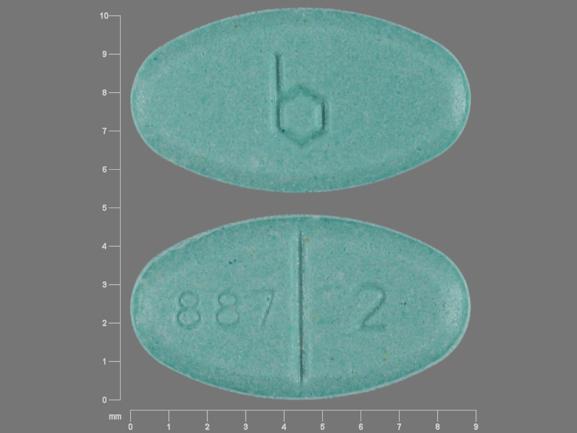
estradiol injection
Generic Name: estradiol injection (ess tra DYE ol)
Brand Names: Clinagen LA 40, Delestrogen, Dep Gynogen, Depo-Estradiol, Estragyn LA 5, Gynogen LA 20, Menaval-20
What is estradiol injection?
Estradiol is a form of estrogen. Estrogen is a female sex hormone necessary for many processes in the body.
Estradiol injection is used to treat symptoms of menopause such as hot flashes, and vaginal dryness, burning, and irritation. It is also used to treat a lack of estrogen that is caused by ovarian failure or a condition called hypogonadism. Some forms of estradiol injection are used in men to treat the symptoms of prostate cancer.
Estradiol injection may also be used for other purposes not listed in this medication guide.
What is the most important information I should know about estradiol injection?
Do not use this medication if you have any of the following conditions: a history of stroke or blood clot, circulation problems, a hormone-related cancer such as breast or uterine cancer, or abnormal vaginal bleeding. This medication can cause birth defects in an unborn baby. Do not use if you are pregnant. Use an effective form of birth control, and tell your doctor if you become pregnant during treatment.Estradiol increases your risk of developing endometrial hyperplasia, a condition that may lead to cancer of the uterus. Taking progestins while using estradiol may lower this risk. If your uterus has not been removed, your doctor may prescribe a progestin for you to take while you are using estradiol injection.
Long-term estradiol treatment may increase your risk of breast cancer, heart attack, or stroke. Talk with your doctor about your individual risks before using estradiol long-term. Your doctor should check your progress on a regular basis (every 3 to 6 months) to determine whether you should continue this treatment.
Have regular physical exams and self-examine your breasts for lumps on a monthly basis while using estradiol.
What should I discuss with my health care provider before using estradiol injection?
Do not use estradiol injection if you have:-
a bleeding or blood-clotting disorder;
-
a history of stroke or circulation problems;
-
abnormal vaginal bleeding that a doctor has not checked; or
-
any type of breast, uterine, or hormone-dependent cancer.
Before using estradiol injection, tell your doctor if you have:
-
high blood pressure, angina, or heart disease;
-
high cholesterol or triglycerides;
- liver disease;
- kidney disease;
-
asthma;
-
epilepsy or other seizure disorder;
-
migraines;
-
diabetes;
-
depression;
-
gallbladder disease; or
-
if you have had your uterus removed (hysterectomy).
If you have any of these conditions, you may need a dose adjustment or special tests to safely use estradiol injection.
Estradiol increases your risk of developing endometrial hyperplasia, a condition that may lead to cancer of the uterus. Taking progestins while using estradiol may lower this risk. If your uterus has not been removed, your doctor may prescribe a progestin for you to take while you are using estradiol injection.
Long-term estradiol treatment may increase your risk of stroke. Talk with your doctor about your individual risks before using estradiol long-term. Your doctor should check your progress on a regular basis (every 3 to 6 months) to determine whether you should continue this treatment.
FDA pregnancy category X. This medication can cause birth defects. Do not use estradiol injection if you are pregnant. Tell your doctor right away if you become pregnant during treatment. Use an effective form of birth control while you are using this medication. Estradiol can pass into breast milk and may harm a nursing baby. This medication may also slow breast milk production. Do not use if you are breast-feeding a baby.How should I use estradiol injection?
Use this medication exactly as it was prescribed for you. Do not use the medication in larger amounts, or use it for longer than recommended by your doctor. Follow the directions on your prescription label.
Estradiol injection is given as an shot into a muscle. You may be shown how to inject your medicine at home. Do not self-inject this medicine if you do not fully understand how to give the injection and properly dispose of used needles and syringes.
This medicine is usually given once every 4 weeks. Follow your doctor's instructions.
Do not draw your estradiol dose into a syringe until you are ready to give yourself an injection. Do not use the medication if it has changed colors or has any particles in it. Call your doctor for a new prescription.
Use each disposable needle only one time. Throw away used needles in a puncture-proof container (ask your pharmacist where you can get one and how to dispose of it). Keep this container out of the reach of children and pets.
Have regular physical exams and self-examine your breasts for lumps on a monthly basis while using estradiol injection.
Store this medication at room temperature away from moisture and heat.What happens if I miss a dose?
Use the medication as soon as you remember. If it is almost time for the next dose, skip the missed dose and use the medicine at the next regularly scheduled time. Do not use extra medicine to make up the missed dose.
What happens if I overdose?
Seek emergency medical attention if you think you have used too much of this medicine. Overdose symptoms may include nausea, vomiting, or vaginal bleeding.What should I avoid while using estradiol injection?
Follow your doctor's instructions about any restrictions on food, beverages, or activity while you are using estradiol injection.
Estradiol injection side effects
Get emergency medical help if you have any of these signs of an allergic reaction: hives; difficulty breathing; swelling of your face, lips, tongue, or throat. Call your doctor at once if you have any of these serious side effects:-
chest pain or heavy feeling, pain spreading to the arm or shoulder, nausea, sweating, general ill feeling;
-
sudden numbness or weakness, especially on one side of the body;
-
sudden headache, confusion, problems with vision, speech, or balance;
-
pain or swelling in your lower leg;
-
abnormal vaginal bleeding;
-
pain, swelling, or tenderness in your stomach;
-
jaundice (yellowing of the skin or eyes); or
-
a lump in your breast.
Less serious side effects may include:
-
nausea, vomiting, loss of appetite;
-
swollen breasts;
-
acne or skin color changes;
-
decreased sex drive, impotence, or difficulty having an orgasm;
-
migraine headaches or dizziness;
-
vaginal pain, dryness, or discomfort;
-
swelling of your ankles or feet;
-
depression; or
-
changes in your menstrual periods, break-through bleeding.
This is not a complete list of side effects and others may occur. Tell your doctor about any unusual or bothersome side effect. You may report side effects to FDA at 1-800-FDA-1088.
Estradiol injection Dosing Information
Usual Adult Dose for Postmenopausal Symptoms:
Oral:
0.45 mg to 2 mg orally once a day.
Parenteral:
1 to 5 mg of estradiol cypionate IM every 3 to 4 weeks or 10 to 20 mg of estradiol valerate IM every 4 weeks.
Vaginal Ring:
0.05 mg/day or 0.1 mg/day vaginal ring. The ring should remain in place for 3 months and then be replaced by a new ring if therapy is to continue.
Topical:
0.025 to 0.1 mg/day (transdermal film) applied topically 1 or 2 times a week. Application sites vary according to manufacturer formulation and include the lower abdomen, upper thigh, buttocks, or upper arm. Systems should not be applied to the breasts.
0.05 mg/day (2 foil pouches of transdermal emulsion) applied topically to both legs each morning.
0.25 mg unit dose packet (0.1% transdermal gel) applied topically once daily to the upper right or left thigh at the same time daily.
1.25 g (one spray) EstroGel (0.75 mg/1.25 gm - 0.06% transdermal gel) applied topically to the arms at the same time daily.
1.53 mg (one spray) Evamist (1.53 mg/spray transdermal spray) applied topically to the forearm at the same time daily.
0.87 g (one spray) Elestrin (0.52 mg/1.087 g - 0.06% transdermal gel) applied topically to the upper arm at the same time daily.
Women currently on oral estrogen therapy and changing to a transdermal estradiol system should initiate transdermal therapy 1 week following discontinuation of oral estrogens (sooner if menopausal symptoms reappear). Changes between transdermal systems may be initiated without interruption of therapy.
In general, the duration of hormone therapy for the treatment of postmenopausal symptoms should be limited. Treatment for one to five years is generally sufficient. However, long-term therapy (for the treatment/prophylaxis of osteoporosis and for risk reduction of cardiovascular disease) may be considered during the time in which the patient is being treated for postmenopausal symptoms.
Because of the potential increased risks of cardiovascular events, breast cancer and venous thromboembolic events, use should be limited to the shortest duration consistent with treatment goals and risks for the individual woman, and should be periodically reevaluated. When used solely for the treatment of symptoms of vulvar and vaginal atrophy, topical vaginal products should be considered.
Usual Adult Dose for Atrophic Urethritis:
Oral:
1 to 2 mg orally once a day.
Parenteral:
10 to 20 mg of estradiol valerate IM every 4 weeks.
Vaginal Ring:
0.05 mg/day or 0.1 mg/day vaginal ring. The ring should remain in place for 3 months and then be replaced by a new ring if therapy is to continue.
Topical:
0.025 to 0.1 mg/day (transdermal film) applied topically 1 or 2 times a week. Application sites vary according to manufacturer formulation and include the lower abdomen, upper thigh, buttocks, or upper arm. Systems should not be applied to the breasts.
1.25 g/day (estradiol gel) applied topically at the same time daily. If used solely for the treatment of vulvar and vaginal atrophy, topical vaginal products should be considered.
Women currently on oral estrogen therapy and changing to a transdermal estradiol system should initiate transdermal therapy 1 week following discontinuation of oral estrogens (sooner if menopausal symptoms reappear). Changes between transdermal systems may be initiated without interruption of therapy.
Because of the potential increased risks of cardiovascular events, breast cancer and venous thromboembolic events, use should be limited to the shortest duration consistent with treatment goals and risks for the individual woman, and should be periodically reevaluated. When used solely for the treatment of symptoms of vulvar and vaginal atrophy, topical vaginal products should be considered.
In general, the duration of hormone therapy for the treatment of postmenopausal symptoms like atrophic vaginitis, kraurosis vulvae, or atrophic urethritis should be limited. Treatment for one to five years is generally sufficient.
Usual Adult Dose for Atrophic Vaginitis:
Oral:
1 to 2 mg orally once a day.
Parenteral:
10 to 20 mg of estradiol valerate IM every 4 weeks.
Vaginal Ring:
0.05 mg/day or 0.1 mg/day vaginal ring. The ring should remain in place for 3 months and then be replaced by a new ring if therapy is to continue.
Topical:
0.025 to 0.1 mg/day (transdermal film) applied topically 1 or 2 times a week. Application sites vary according to manufacturer formulation and include the lower abdomen, upper thigh, buttocks, or upper arm. Systems should not be applied to the breasts.
1.25 g/day (estradiol gel) applied topically at the same time daily. If used solely for the treatment of vulvar and vaginal atrophy, topical vaginal products should be considered.
Women currently on oral estrogen therapy and changing to a transdermal estradiol system should initiate transdermal therapy 1 week following discontinuation of oral estrogens (sooner if menopausal symptoms reappear). Changes between transdermal systems may be initiated without interruption of therapy.
Because of the potential increased risks of cardiovascular events, breast cancer and venous thromboembolic events, use should be limited to the shortest duration consistent with treatment goals and risks for the individual woman, and should be periodically reevaluated. When used solely for the treatment of symptoms of vulvar and vaginal atrophy, topical vaginal products should be considered.
In general, the duration of hormone therapy for the treatment of postmenopausal symptoms like atrophic vaginitis, kraurosis vulvae, or atrophic urethritis should be limited. Treatment for one to five years is generally sufficient.
Usual Adult Dose for Hypoestrogenism:
Oral:
1 to 2 mg orally once a day.
Parenteral:
1.5 to 2 mg of estradiol cypionate IM once a month or 10 to 20 mg estradiol valerate IM every 4 weeks.
Topical:
0.025 to 0.1 mg/day (transdermal film) applied topically 1 or 2 times a week. Application sites vary according to manufacturer formulation and include the lower abdomen, upper thigh, buttocks, or upper arm. Systems should not be applied to the breasts.
Dosages should be titrated according to patient response. Therapy should be maintained with the minimum dosage that will achieve the desired clinical effect.
Usual Adult Dose for Oophorectomy:
Oral:
1 to 2 mg orally once a day.
Parenteral:
10 to 20 mg of estradiol valerate by IM every 4 weeks.
Topical:
0.025 to 0.1 mg/day (transdermal film) applied topically 1 or 2 times a week. Application sites vary according to manufacturer formulation and include the lower abdomen, upper thigh, buttocks, or upper arm. Systems should not be applied to the breasts.
Women currently on oral estrogen therapy and changing to a transdermal estradiol system should initiate transdermal therapy 1 week following discontinuation of oral estrogens (sooner if menopausal symptoms reappear). Changes between transdermal systems may be initiated without interruption of therapy.
Usual Adult Dose for Primary Ovarian Failure:
Oral:
1 to 2 mg orally once a day.
Parenteral:
10 to 20 mg of estradiol valerate by IM every 4 weeks.
Topical:
0.025 to 0.1 mg/day (transdermal film) applied topically 1 or 2 times a week. Application sites vary according to manufacturer formulation and include the lower abdomen, upper thigh, buttocks, or upper arm. Systems should not be applied to the breasts.
Women currently on oral estrogen therapy and changing to a transdermal estradiol system should initiate transdermal therapy 1 week following discontinuation of oral estrogens (sooner if menopausal symptoms reappear). Changes between transdermal systems may be initiated without interruption of therapy.
Usual Adult Dose for Breast Cancer--Palliative:
10 mg orally 3 times a day for at least 3 months. Estrogen therapy for breast cancer should be considered only for palliation in the treatment of metastatic disease in select patients
Usual Adult Dose for Osteoporosis:
Oral:
0.5 mg orally once a day.
Topical:
0.025 to 0.1 mg/day (transdermal film) applied topically 1 or 2 times a week. Systems should not be applied to the breasts.
14 mcg/day weekly (transdermal film) applied topically once a week.
Application sites vary according to manufacturer formulation and include the lower abdomen, upper thigh, buttocks, or upper arm.
In addition to hormonal therapy, adequate calcium intake is important for postmenopausal women who require treatment or prevention of osteoporosis. The average diet of older American women contains 400 to 600 mg of calcium per day. A suggested optimal intake is 1500 mg per day. If dietary intake is insufficient to achieve 1500 mg per day, supplementation may be useful in women who have no contraindication to calcium supplementation.
Long-term therapy (for more than 5 years) is generally necessary in order to obtain substantive benefits in reducing the risk of bone fracture. Maximal benefits are obtained if estrogen therapy is initiated as soon after menopause as possible. The optimal duration of therapy has not been definitively determined.
Women currently on oral estrogen therapy and changing to a transdermal estradiol system should initiate transdermal therapy 1 week following discontinuation of oral estrogens (sooner if menopausal symptoms reappear). Changes between transdermal systems may be initiated without interruption of therapy.
When used solely for the prevention of postmenopausal osteoporosis, approved non-estrogen treatments should carefully be considered, and estrogen and combined estrogen-progestin products should only be considered for women with significant risk of osteoporosis that outweighs the risks of the drug.
Usual Adult Dose for Prostate Cancer:
Oral:
1 to 2 mg orally 3 times a day.
Parenteral:
Estradiol valerate 30 mg IM every 1 to 2 weeks.
An apparent response should be noted within 3 months of initiation of therapy. Estrogen therapy for prostate cancer should be considered only for palliation in the treatment of metastatic disease in select patients.
What other drugs will affect estradiol injection?
Before using estradiol injection, tell your doctor if you are using any of the following drugs:
-
St. John's wort;
-
phenobarbital (Luminal, Solfoton);
-
a blood thinner such as warfarin (Coumadin);
-
ritonavir (Norvir);
-
carbamazepine (Carbatrol, Tegretol);
-
rifampin (Rifadin, Rifater, Rifamate, Rimactane); or
-
antibiotics such as clarithromycin (Biaxin), erythromycin (E-Mycin, E.E.S., Erythrocin, Ery-Tab), ketoconazole (Nizoral), or itraconazole (Sporanox).
This list is not complete and there may be other drugs that can interact with estradiol injection. Tell your doctor about all the prescription and over-the-counter medications you use. This includes vitamins, minerals, herbal products, and drugs prescribed by other doctors. Do not start using a new medication without telling your doctor.
More estradiol injection resources
Compare estradiol injection with other medications
Where can I get more information?
- Your pharmacist can provide more information about estradiol injection.
- Remember, keep this and all other medicines out of the reach of children, never share your medicines with others, and use this medication only for the indication prescribed.
- Every effort has been made to ensure that the information provided by Cerner Multum, Inc. ('Multum') is accurate, up-to-date, and complete, but no guarantee is made to that effect. Drug information contained herein may be time sensitive. Multum information has been compiled for use by healthcare practitioners and consumers in the United States and therefore Multum does not warrant that uses outside of the United States are appropriate, unless specifically indicated otherwise. Multum's drug information does not endorse drugs, diagnose patients or recommend therapy. Multum's drug information is an informational resource designed to assist licensed healthcare practitioners in caring for their patients and/or to serve consumers viewing this service as a supplement to, and not a substitute for, the expertise, skill, knowledge and judgment of healthcare practitioners. The absence of a warning for a given drug or drug combination in no way should be construed to indicate that the drug or drug combination is safe, effective or appropriate for any given patient. Multum does not assume any responsibility for any aspect of healthcare administered with the aid of information Multum provides. The information contained herein is not intended to cover all possible uses, directions, precautions, warnings, drug interactions, allergic reactions, or adverse effects. If you have questions about the drugs you are taking, check with your doctor, nurse or pharmacist.