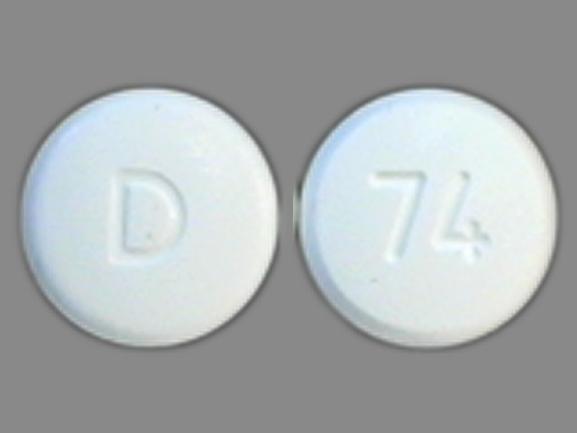
Terbinafine Dosage
Medically reviewed by Drugs.com. Last updated on Jul 31, 2023.
Applies to the following strengths: 250 mg; 125 mg; 187.5 mg
Usual Adult Dose for:
- Onychomycosis - Fingernail
- Onychomycosis - Toenail
- Tinea Capitis
- Tinea Corporis
- Tinea Cruris
- Tinea Pedis
Usual Pediatric Dose for:
Additional dosage information:
Usual Adult Dose for Onychomycosis - Fingernail
Tablets: 250 mg orally once a day
Duration of therapy:
- Fingernail onychomycosis: 6 weeks
- Toenail onychomycosis: 12 weeks
Comments:
- Before using this drug, patients should be evaluated for evidence of chronic or active liver disease.
- Before starting therapy, appropriate nail specimens for laboratory testing (potassium hydroxide preparation, fungal culture, or nail biopsy) should be obtained to confirm the diagnosis of onychomycosis.
- Optimal clinical effect observed some months after mycological cure and completion of therapy; related to time required for outgrowth of healthy nail.
Use: For the treatment of onychomycosis of the fingernail or toenail due to dermatophytes (tinea unguium)
Usual Adult Dose for Onychomycosis - Toenail
Tablets: 250 mg orally once a day
Duration of therapy:
- Fingernail onychomycosis: 6 weeks
- Toenail onychomycosis: 12 weeks
Comments:
- Before using this drug, patients should be evaluated for evidence of chronic or active liver disease.
- Before starting therapy, appropriate nail specimens for laboratory testing (potassium hydroxide preparation, fungal culture, or nail biopsy) should be obtained to confirm the diagnosis of onychomycosis.
- Optimal clinical effect observed some months after mycological cure and completion of therapy; related to time required for outgrowth of healthy nail.
Use: For the treatment of onychomycosis of the fingernail or toenail due to dermatophytes (tinea unguium)
Usual Adult Dose for Tinea Capitis
Oral granules: 250 mg orally once a day for 6 weeks
Comments:
- Before using this drug, patients should be evaluated for evidence of chronic or active liver disease.
Usual Adult Dose for Tinea Corporis
Some experts recommend:
- Tablets: 250 mg orally once a day for 2 to 4 weeks
Usual Adult Dose for Tinea Cruris
Some experts recommend:
- Tablets: 250 mg orally once a day for 2 to 4 weeks
Usual Adult Dose for Tinea Pedis
Some experts recommend:
- Tablets: 250 mg orally once a day for 2 to 6 weeks
Usual Pediatric Dose for Tinea Capitis
4 years or older:
Oral granules:
Less than 25 kg: 125 mg orally once a day
25 to 35 kg: 187.5 mg orally once a day
Greater than 35 kg: 250 mg orally once a day
Duration of therapy: 6 weeks
Comments:
- Before using this drug, patients should be evaluated for evidence of chronic or active liver disease.
For Children, Some Experts Recommend:
Tablets: 5 mg/kg/day orally
Based on weight:
10 to 20 kg: 62.5 mg orally once a day
21 to 40 kg: 125 mg orally once a day
41 kg or more: 250 mg orally once a day
Duration of therapy:
- Trichophyton tonsurans infection: 2 to 4 weeks
- Microsporum canis infection: Longer duration needed.
Renal Dose Adjustments
CrCl 50 mL/min or less: Data not available
Comments:
- Drug clearance reduced by about 50% in patients with renal dysfunction (CrCl 50 mL/min or less) compared to those with normal renal function.
Liver Dose Adjustments
Chronic or active liver disease: Contraindicated
Comments:
- Drug clearance reduced by about 50% in patients with liver cirrhosis compared to those with normal liver function.
Precautions
Safety and efficacy of the tablets have not been established in patients younger than 18 years with onychomycosis. Safety and efficacy of the oral granules have not been established in patients younger than 4 years.
Consult WARNINGS section for additional precautions.
Dialysis
Data not available
Other Comments
Administration advice:
- Oral granules: Administer with food. Sprinkle the contents of each packet on a spoonful of pudding or other soft, nonacidic food (e.g., mashed potatoes) and swallow the entire spoonful without chewing; do not use applesauce or fruit-based foods. If 2 packets needed with each dose, may sprinkle both packet contents on 1 or 2 spoonfuls of nonacidic food
- Consult the manufacturer product information regarding missed doses.
Storage requirements:
- Oral granules: Store at 25C (77F); excursions permitted to 15C to 30C (59F to 86F).
- Tablets: Store below 25C (77F) in tight container; protect from light.
General:
- Clinical resolution may not be observed until several weeks after mycological cure.
- Oral granules were not studied in geriatric patients.
Monitoring:
- Hematologic: Complete blood counts in patients with known/suspected immunodeficiency if therapy continues beyond 6 weeks or in patients with clinical signs/symptoms suggestive of secondary infection
- Hepatic: For evidence of chronic or active liver disease; liver function tests (before therapy, then periodically)
- Psychiatric: For depressive symptoms
Patient advice:
- Read the US FDA-approved Medication Guide; if using the oral granules, also read the Instructions for Use.
- Minimize exposure to natural and artificial sunlight (tanning beds or ultraviolet A/B treatment) during therapy.
- Contact physician or seek medical care immediately if any of the following symptoms develop: hives, mouth sores, blistering/peeling of skin, swelling (of face, lips, tongue, throat), problems swallowing/breathing.
- Contact physician at once if symptoms of liver injury (persistent nausea, anorexia, fatigue, vomiting, right upper abdominal pain, jaundice, dark urine, pale stools) develop.
- Consult physician if any signs of taste/smell disturbance, depressive symptoms, fever, skin eruption, lymph node enlargement, erythema, scaling, loss of pigment, or unusual photosensitivity (that can result in rash) occur.
Frequently asked questions
- What are the most common skin conditions? (with photos)
- What is the best over-the-counter nail fungus treatment?
- What home remedies work well for toenail fungus?
- How do I get rid of nail fungus?
More about terbinafine
- Check interactions
- Compare alternatives
- Pricing & coupons
- Reviews (482)
- Drug images
- Side effects
- During pregnancy
- Support group
- Drug class: miscellaneous antifungals
- Breastfeeding
- En español
Patient resources
- Terbinafine drug information
- Terbinafine Tablets
- Terbinafine Tablets and Hydroxypropyl-Chitosan Nail Lacquer
- Terbinafine Oral Granules
Other brands
Professional resources
Other brands
Related treatment guides
Further information
Always consult your healthcare provider to ensure the information displayed on this page applies to your personal circumstances.