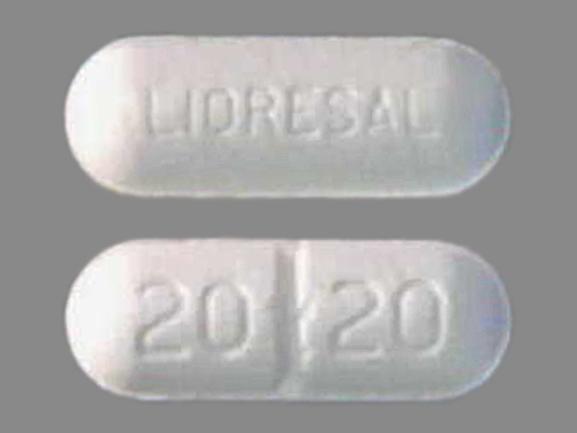
Lioresal Disease Interactions
There are 4 disease interactions with Lioresal (baclofen).
Baclofen (applies to Lioresal) renal dysfunction
Major Potential Hazard, High plausibility.
Baclofen is primarily eliminated by the kidney. Patients with impaired renal function may be at greater risk for adverse effects from baclofen due to decreased drug clearance. Therapy with baclofen should be administered cautiously in such patients. Dosage adjustments may be necessary.
References
- Himmelsbach FA, Kohler E, Zanker B (1992) "Toxic effect of baclofen in chronic haemodialysis and renal transplantation." Dtsch Med Wochenschr, 117, p. 733-7
- Krahn A, Penner SB (1994) "Use of baclofen for intractable hiccups in uremia." Am J Med, 96, p. 391
- (2001) "Product Information. Lioresal (baclofen)." Medtronic Neurological
Baclofen (applies to Lioresal) autonomic dysreflexia
Moderate Potential Hazard, Moderate plausibility.
Therapy with intrathecal baclofen should be administered cautiously in patients with a history of autonomic dysreflexia, since the presence of nociceptive stimuli or abrupt withdrawal of the medication may trigger an episode of dysreflexia.
References
- (2001) "Product Information. Lioresal Intrathecal (baclofen)." Medtronic Neurological
Baclofen (applies to Lioresal) psychoses
Moderate Potential Hazard, Moderate plausibility. Applicable conditions: Psychosis, History - Psychiatric Disorder
Baclofen may precipitate or exacerbate psychotic symptoms, both during therapy and following abrupt withdrawal of the drug. Therapy with baclofen should be administered cautiously in patients with a history of psychiatric disorders.
References
- Kirubakaran V, Mayfield D, Rengachary S (1984) "Dyskinesia and psychosis in a patient following baclofen withdrawal." Am J Psychiatry, 141, p. 692-3
- Arnold ES, Rudd SM, Kirshner H (1980) "Manic psychosis following rapid withdrawal from baclofen." Am J Psychiatry, 137, p. 1466-7
- Siegfried RN, Jacobson L, Chabal C (1992) "Development of an acute withdrawal syndrome following the cessation of intrathecal baclofen in a patient with spasticity." Anesthesiology, 77, p. 1048-50
- Terrence CF, Fromm GH (1981) "Complications of baclofen withdrawal." Arch Neurol, 38, p. 588-9
- Sommer BR, Petrides G (1992) "A case of baclofen-induced psychotic depression." J Clin Psychiatry, 53, p. 211-2
- Yassa RY, Iskandar HL (1988) "Baclofen-induced psychosis: two cases and a review." J Clin Psychiatry, 49, p. 318-20
- Penn RD (1992) "Intrathecal baclofen for spasticity of spinal origin: seven years of experience." J Neurosurg, 77, p. 236-40
- Rivas DA, Chancellor MB, Hill K, Freedman MK (1993) "Neurological manifestations of baclofen withdrawal." J Urol, 150, p. 1903-5
- Lees AJ, Clarke CR, Harrison MJ (1977) "Hallucinations after sudden withdrawal of baclofen." Lancet, 2, p. 44-5
- Wolf ME, Almy G, Toll M, Mosnaim AD (1982) "Mania associated with the use of baclofen." Biol Psychiatry, 17, p. 757-9
- Sandyk R, Gillman MA (1985) "Baclofen-induced memory impairment." Clin Neuropharmacol, 8, p. 294-5
- Garabedian-Ruffalo SM, Ruffalo RL (1985) "Adverse effects secondary to baclofen withdrawal." Drug Intell Clin Pharm, 19, p. 304-6
- Stewart JT (1992) "A case of mania associated with high-dose baclofen therapy." J Clin Psychopharmacol, 12, p. 215-7
- Jamous A, Kennedy P, Psychol C, Grey N (1994) "Psychological and emotional effects of the use of oral baclofen - a preliminary study." Paraplegia, 32, p. 349-53
- (2001) "Product Information. Lioresal (baclofen)." Medtronic Neurological
Baclofen (applies to Lioresal) seizure disorders
Moderate Potential Hazard, Moderate plausibility. Applicable conditions: Seizures
Deterioration in seizure control and electroencephalographic (EEG) changes have been reported occasionally in epileptic patients treated with baclofen. Therapy with baclofen should be administered cautiously in patients with a history of seizures. Clinical status and EEG should be monitored at regular intervals during treatment. Except in cases of overdose or severe adverse reactions, cessation of baclofen therapy, whenever necessary, should occur gradually with incrementally reduced dosages. Abrupt withdrawal has been associated with central nervous system effects including seizures, hallucinations, and psychosis.
References
- Kirubakaran V, Mayfield D, Rengachary S (1984) "Dyskinesia and psychosis in a patient following baclofen withdrawal." Am J Psychiatry, 141, p. 692-3
- Arnold ES, Rudd SM, Kirshner H (1980) "Manic psychosis following rapid withdrawal from baclofen." Am J Psychiatry, 137, p. 1466-7
- Siegfried RN, Jacobson L, Chabal C (1992) "Development of an acute withdrawal syndrome following the cessation of intrathecal baclofen in a patient with spasticity." Anesthesiology, 77, p. 1048-50
- Abarbanel J, Herishanu Y, Frisher S (1985) "Encephalopathy associated with baclofen." Ann Neurol, 17, p. 617-8
- Terrence CF, Fromm GH (1981) "Complications of baclofen withdrawal." Arch Neurol, 38, p. 588-9
- Hormes JT, Benarroch EE, Rodriguez M, Klass DW (1988) "Periodic sharp waves in baclofen-induced encephalopathy." Arch Neurol, 45, p. 814-5
- Penn RD (1992) "Intrathecal baclofen for spasticity of spinal origin: seven years of experience." J Neurosurg, 77, p. 236-40
- Rush JM, Gibberd FB (1990) "Baclofen-induced epilepsy." J R Soc Med, 83, p. 115-6
- Rivas DA, Chancellor MB, Hill K, Freedman MK (1993) "Neurological manifestations of baclofen withdrawal." J Urol, 150, p. 1903-5
- Barker I, Grant IS (1982) "Convulsions after abrupt withdrawal of baclofen." Lancet, 2, p. 556-7
- Lees AJ, Clarke CR, Harrison MJ (1977) "Hallucinations after sudden withdrawal of baclofen." Lancet, 2, p. 44-5
- Kofler M, Arturo Leis A (1992) "Prolonged seizure activity after baclofen withdrawal." Neurology, 42, p. 697-8
- Garabedian-Ruffalo SM, Ruffalo RL (1985) "Adverse effects secondary to baclofen withdrawal." Drug Intell Clin Pharm, 19, p. 304-6
- (2001) "Product Information. Lioresal (baclofen)." Medtronic Neurological
- Zak R, Solomon G, Petito F, Labar D (1994) "Baclofen-induced generalized nonconvulsive status epilepticus." Ann Neurol, 36, p. 113-4
Lioresal drug interactions
There are 365 drug interactions with Lioresal (baclofen).
Lioresal alcohol/food interactions
There is 1 alcohol/food interaction with Lioresal (baclofen).
Report options

More about Lioresal (baclofen)
- Lioresal consumer information
- Check interactions
- Compare alternatives
- Reviews (23)
- Drug images
- Side effects
- Dosage information
- During pregnancy
- Generic availability
- Drug class: skeletal muscle relaxants
- Breastfeeding
Related treatment guides
Drug Interaction Classification
| Highly clinically significant. Avoid combinations; the risk of the interaction outweighs the benefit. | |
| Moderately clinically significant. Usually avoid combinations; use it only under special circumstances. | |
| Minimally clinically significant. Minimize risk; assess risk and consider an alternative drug, take steps to circumvent the interaction risk and/or institute a monitoring plan. | |
| No interaction information available. |
Further information
Always consult your healthcare provider to ensure the information displayed on this page applies to your personal circumstances.