
Bulimia
Medically reviewed by Drugs.com. Last updated on Jun 30, 2025.
What is bulimia?
Bulimia is an eating disorder that causes you to binge and purge food. Bingeing means you eat a large amount of food in a short amount of time. Purging means you vomit or use laxatives to get rid of the food. You may also exercise for many hours each day or not eat anything at all in between bingeing episodes to prevent weight gain. Bulimia is also called bulimia nervosa.
What increases my risk for bulimia?
Bulimia usually begins between the ages of 13 and 28. You may continue to have bulimia as an adult. You may have episodes of binging and purging only when you are feeling stressed. The following may increase your risk for bulimia:
- Being overweight or thinking you are too heavy
- Not feeling good about your body
- A need to be perfect, or setting high goals
- Participation in a sport or activity that values thinness, such as gymnastics, wrestling, or modeling
- A history of anxiety, depression, or obsessive-compulsive thoughts
- A family history of an eating disorder, obesity, or problems with substance abuse
- Not having good relationships with family members, or stress or trauma
What are the signs and symptoms of bulimia?
- Not being able to stop eating, usually secretly or when you are alone
- Worrying that you are overweight even if your weight is healthy or too low, or your weight goes up and down often
- Often being bloated and having constipation or diarrhea
- A sore throat and tooth decay caused by vomiting
- A puffy face and throat, dehydration, or thinning hair
- Calluses or cuts on your knuckles if you use your hand to make yourself vomit
- Monthly periods that are irregular or stop completely
- Feeling cold all the time, or tired, weak, dizzy, or lightheaded
- Being moody and depressed, believing self-worth is tied to weight, or talking about food and weight all the time
How is bulimia diagnosed?
Your healthcare provider will check your height and weight and ask about recent weight changes. Tell your provider what, and how much, you eat. Your provider may ask if you exercise, what types of exercise, and how much. Tell the provider about any prior treatment or family history of an eating disorder. You may have a hard time talking about your body. This is okay. Your provider may recommend you talk to an eating disorder specialist. The following tests can help your provider understand how bulimia may be affecting your body:
- Blood tests will show if you are getting enough iron, calcium, and other nutrients. Blood tests will also show how well your organs are working, such as your liver and kidneys.
- Urine tests may be used to check for signs of dehydration.
- Bone density pictures may show bone loss that bulimia can cause. Your risk for bone loss is higher if you are female and no longer have a monthly period.
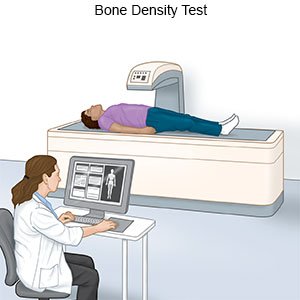
- An EKG may be used to check your heart's electrical activity. Bulimia can lead to heart rhythm problems.
How is bulimia treated?
Bulimia is a serious medical condition. Treatment is meant to help you develop a healthy relationship with food and your body image. You may also need treatment for health problems caused by bulimia. Your providers will work with you to help you make small, manageable changes. Your family members may also be involved in treatment to help you.
- Counseling is an important part of treatment. You may have group or individual counseling. Group counseling is a way for you to talk with others who have bulimia. Family sessions can help your family members understand bulimia and how to help you.
- Nutrition therapy means you will work with providers, such as dietitian. Others in your family may also meet with the dietitian. Together you will develop a healthy meal plan. It is important to eat 3 to 5 structured meals a day to reduce the urge to binge. You might need to learn how to prepare healthy food. You might also need to relearn what it feels like to be hungry and full. You may be asked to keep a food diary and bring it to future visits.
- Medicines are sometimes used to help treat bulimia or the health problems it causes. Vitamin or mineral supplements may also be needed if your nutrient levels are low because of bulimia.
- Care for your mouth. Brush your teeth or rinse with fluoride mouthwash after vomiting. This will help prevent tooth damage. Use toothpaste made for sensitive teeth if your tooth enamel has been damaged by vomiting. Suck on tart candies to help with swollen glands in your mouth.
Treatment options
The following list of medications are related to or used in the treatment of this condition.
Related medications
What can I do to care for myself?
- Be patient. Recovery from bulimia is a process that takes time. You may have a binging and purging episode after a long period of healthy eating. This is common. Work with family members and providers to get back on track with healthy eating and healthy exercise. Try not to be angry with yourself for the episode.
- Focus on a healthy self-esteem. Think about everything you like about yourself. For example, you may be a talented artist, or you may write well. Focus on those skills or talents instead of on appearance. Ask others not to comment on your weight or shape. Your provider can tell you healthy weight ranges for your age and height. It may take time before you are comfortable knowing your weight or seeing your weight as healthy. Remember your goals to build a healthy self-esteem. Be patient with yourself as you change your thinking.
- Manage stress. Stress may increase your risk for a relapse. Take a break and rest for 30 minutes every day. Try different ways to reduce stress, such as yoga, meditation, journaling, or spiritual development.
Where can I find support and more information?
- National Institute of Mental Health (NIMH), Office of Science Policy, Planning, and Communications
6001 Executive Boulevard, Room 6200, MSC 9663
Bethesda , MD 20892-9663
Phone: 1- 301 - 443-4513
Phone: 1- 866 - 615-6464
Web Address: http://www.nimh.nih.gov/
- The National Women's Health Information Center
8270 Willow Oaks Corporate Drive
Fairfax , VA 22031
Phone: 1- 800 - 994-9662
Web Address: http://www.womenshealth.gov
Call your local emergency number (911 in the US) if:
- You want to harm or kill yourself.
- You have pain when you swallow, or severe pain in your chest or abdomen.
- Your heart is beating very fast or fluttering, or you feel dizzy or faint.
When should I seek immediate care?
- Your muscles feel weak, and you have pain and stiffness.
- You cannot stop vomiting.
- You vomit blood or see blood in your bowel movements.
When should I call my doctor?
- You are constipated.
- You have tingling in your hands or feet.
- You have pain in your teeth, mouth, or gums.
- You have new pain in your abdomen.
- Your monthly period is very light or has stopped completely.
- You are planning to get pregnant and want to develop a safe eating plan.
- You have questions or concerns about your condition or care.
Care Agreement
You have the right to help plan your care. Learn about your health condition and how it may be treated. Discuss treatment options with your healthcare providers to decide what care you want to receive. You always have the right to refuse treatment. The above information is an educational aid only. It is not intended as medical advice for individual conditions or treatments. Talk to your doctor, nurse or pharmacist before following any medical regimen to see if it is safe and effective for you.© Copyright Merative 2025 Information is for End User's use only and may not be sold, redistributed or otherwise used for commercial purposes.
Learn more about Bulimia
Treatment options
Care guides
Symptoms and treatments
Further information
Always consult your healthcare provider to ensure the information displayed on this page applies to your personal circumstances.