
Atherectomy
Medically reviewed by Drugs.com. Last updated on Jun 30, 2025.
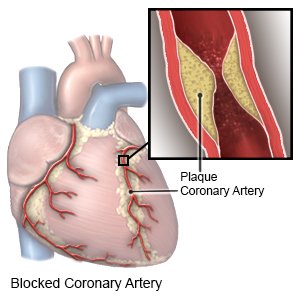
Atherectomy is a procedure used to remove plaque that narrows or blocks your arteries. Plaque is fat, cholesterol, or tissues that build up on the inner artery wall. Blood flow is decreased when plaque builds up and narrows the arteries. Decreased blood flow can cause chest pain or a heart attack.
 |
DISCHARGE INSTRUCTIONS:
Call your local emergency number (911 in the US) if:
- You have any of the following signs of a heart attack:
- Squeezing, pressure, or pain in your chest
- You may also have any of the following:
- Discomfort or pain in your back, neck, jaw, stomach, or arm
- Shortness of breath
- Nausea or vomiting
- Lightheadedness or a sudden cold sweat
- You cough up blood.
Call your doctor or cardiologist if:
- Your arm or leg feels warm, tender, and painful. It may look swollen and red.
- You have a fever or chills.
- Your procedure site is red, swollen, or draining pus.
- You have nausea or are vomiting.
- You have questions or concerns about your condition or care.
Related medications
Plavix
Plavix (clopidogrel) is used to prevent blood clots after a recent heart attack or stroke. Includes ...
Isosorbide mononitrate
Isosorbide mononitrate is used to prevent angina attacks (chest pain) by dilating blood vessels ...
Botox
Botox is used cosmetically to reduce facial lines and wrinkles and for medical purposes for ...
Acetaminophen
Acetaminophen is a widely used pain reliever and fever reducer for conditions like headaches ...
Tylenol
Tylenol is a pain reliever and a fever reducer used to treat many conditions such as headaches ...
Ibuprofen
Ibuprofen (Advil, Motrin) treats minor aches and pains caused by the common cold, headaches ...
Gabapentin
Gabapentin is an anti-epileptic drug, also called an anticonvulsant. It is used to treat some types ...
Ranexa
Ranexa (ranolazine) is used to chronic treat angina (chest pain). Learn about side effects ...
Nitroglycerin
Nitroglycerin is used for anal fissure and fistula, angina, angina pectoris prophylaxis, heart ...
Medicines:
You may need any of the following:
- Antiplatelets , such as aspirin, help prevent blood clots. Take your antiplatelet medicine exactly as directed. These medicines make it more likely for you to bleed or bruise. If you are told to take aspirin, do not take acetaminophen or ibuprofen instead.
- Prescription pain medicine may be given. Ask your healthcare provider how to take this medicine safely. Some prescription pain medicines contain acetaminophen. Do not take other medicines that contain acetaminophen without talking to your healthcare provider. Too much acetaminophen may cause liver damage. Prescription pain medicine may cause constipation. Ask your healthcare provider how to prevent or treat constipation.
- Take your medicine as directed. Contact your healthcare provider if you think your medicine is not helping or if you have side effects. Tell your provider if you are allergic to any medicine. Keep a list of the medicines, vitamins, and herbs you take. Include the amounts, and when and why you take them. Bring the list or the pill bottles to follow-up visits. Carry your medicine list with you in case of an emergency.
Procedure area care:
Carefully wash the area with soap and water. Pat the area dry. Put on new, clean bandages as directed. Change your bandages when they get wet or dirty.
Lower your risk for more plaque buildup:
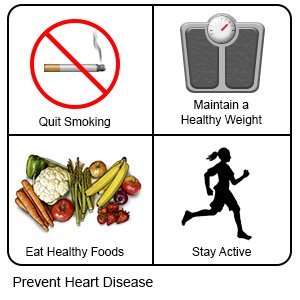
- Do not smoke. Nicotine and other chemicals in cigarettes and cigars can cause heart and lung damage. Ask your healthcare provider for information if you currently smoke and need help to quit. E-cigarettes and smokeless tobacco products still contain nicotine. Talk to your healthcare provider before you use any of these.
- Eat a variety of healthy foods. Healthy foods include fruits, vegetables, whole-grain breads, low-fat dairy products, beans, lean meats, and fish. A dietitian can help you create healthy meal plans.
- Reach or maintain a healthy weight. Extra weight can lead to plaque buildup. Weight loss can help lower cholesterol, triglyceride, and blood pressure levels.
- Exercise regularly. Be as active as you can every day. Your healthcare provider may recommend at least 30 minutes of physical activity on most days of the week. He or she can help you create an exercise plan.
 |
Follow up with your doctor or cardiologist as directed:
Write down your questions so you remember to ask them during your visits.
© Copyright Merative 2025 Information is for End User's use only and may not be sold, redistributed or otherwise used for commercial purposes.
The above information is an educational aid only. It is not intended as medical advice for individual conditions or treatments. Talk to your doctor, nurse or pharmacist before following any medical regimen to see if it is safe and effective for you.
Learn more about Atherectomy
Care guides
Further information
Always consult your healthcare provider to ensure the information displayed on this page applies to your personal circumstances.