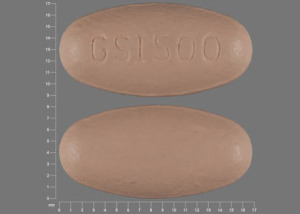
Ranexa
Generic name: ranolazine [ ra-NOE-la-zeen ]
Drug class: Antianginal agents
What is Ranexa?
Ranexa (ranolazine) belongs to a class of medications called anti-anginals. The exact way that ranolazine works is not known at this time.
Ranexa is used in adults to treat chronic angina (ongoing chest pain or pressure that is felt when the heart does not get enough oxygen).
Ranexa is used alone or with other medications. This medicine is not for use during an acute (emergency) attack of angina.
Warnings
You should not take Ranexa if you have cirrhosis of the liver.
Serious drug interactions can occur when certain medicines are used together with Ranexa. Tell each of your healthcare providers about all medicines you use now, and any medicine you start or stop using.
Ranexa is not for use during an acute (emergency) attack of chest pain. Continue using any other medicines prescribed by your doctor (such as nitroglycerin) to treat acute chest pain.
Before you take Ranexa, tell your doctor about all of your medical conditions, especially if you have a personal or family history of Long QT syndrome.
Chronic angina is often treated with a combination of different drugs. To best treat your condition, use all of your medications as directed by your doctor. Do not change your doses or medication schedule without advice from your doctor.
Before taking this medicine
You should not take Ranexa if you are allergic to ranolazine, or if you have:
-
cirrhosis of the liver.
Some drugs should not be used with Ranexa. Your treatment plan may change if you also use:
-
antifungal medicine - itraconazole, ketoconazole;
-
HIV or AIDS medicine - indinavir, lopinavir/ritonavir, nelfinavir, ritonavir, saquinavir;
-
seizure medicine - carbamazepine, phenobarbital, phenytoin; or
-
tuberculosis medicine - rifabutin, rifampin, rifapentine.
To make sure this medicine is safe for you, tell your doctor if you have ever had:
-
long QT syndrome (in you or a family member);
-
liver disease; or
-
kidney disease.
Tell your doctor if you are pregnant or breastfeeding.
Related/similar drugs
amlodipine, aspirin, metoprolol, carvedilol, propranolol, atenolol
How should I take Ranexa?
Take Ranexa exactly as prescribed by your doctor. Follow all directions on your prescription label and read all medication guides or instruction sheets. Your doctor may occasionally change your dose.
You may take Ranexa tablets with or without food.
Swallow the tablet whole and do not crush, chew, or break it.
Chronic angina is often treated with a combination of drugs. Do not change your dose or dosing schedule without your doctor's advice.
Call your doctor if your symptoms do not improve, or if they get worse.
You may need medical tests to check your heart and kidney function.
Store at room temperature away from moisture and heat.
Dosing information
Usual Adult Dose for Angina Pectoris:
500 mg orally twice a day; increase to 1000 mg orally twice a day as needed
Maximum dose: 1000 mg orally twice a day
Use: Treatment of chronic angina
What happens if I miss a dose?
Skip the missed dose and use your next dose at the regular time. Do not use two doses at one time.
What happens if I overdose?
Seek emergency medical attention or call the Poison Help line at 1-800-222-1222.
Overdose symptoms include nausea, vomiting, numbness or tingling, low blood pressure, dizziness, irregular heartbeats, trouble speaking, double vision, hallucinations, confusion, uncontrolled shaking, or fainting.
What should I avoid while taking Ranexa?
Avoid driving or hazardous activity until you know how this medicine will affect you. Your reactions could be impaired.
Grapefruit may interact with ranolazine and lead to unwanted side effects. Avoid the use of grapefruit products.
Ranexa side effects
Get emergency medical help if you have signs of an allergic reaction to Ranexa: hives; difficult breathing; swelling of your face, lips, tongue, or throat.
Ranexa may cause serious side effects. Call your doctor at once if you have:
-
a light-headed feeling;
-
fast or pounding heartbeats, fluttering in your chest, shortness of breath, and sudden dizziness (like you might pass out); or
-
kidney problems - swelling, urinating less, feeling tired or short of breath.
Common Ranexa side effects may include:
-
nausea, constipation;
-
headache; or
-
dizziness.
This is not a complete list of side effects and others may occur. Call your doctor for medical advice about side effects. You may report side effects to FDA at 1-800-FDA-1088.
What other drugs will affect Ranexa?
Tell your doctor about all your current medicines. Many drugs can affect ranolazine, especially:
-
any other medicine to treat heart disease;
-
an antibiotic or antifungal medicine;
-
oral diabetes medicine;
-
medicine to prevent organ transplant rejection;
-
medicine to treat a mental illness; or
-
medicine to treat or prevent nausea and vomiting caused by chemotherapy or radiation.
This list is not complete and many other drugs may interact with ranolazine. This includes prescription and over-the-counter medicines, vitamins, and herbal products. Not all possible drug interactions are listed here.
Ingredients
Active ingredient: ranolazine
Inactive ingredients:
- 500 mg tablet: carnauba wax, hypromellose, magnesium stearate, methacrylic acid copolymer (Type C), microcrystalline cellulose, polyethylene glycol, sodium hydroxide, titanium dioxide, polyvinyl alcohol, talc, Iron Oxide Yellow, and Iron Oxide Red.
- 1000 mg tablet: carnauba wax, hypromellose, magnesium stearate, methacrylic acid copolymer (Type C), microcrystalline cellulose, polyethylene glycol, sodium hydroxide, titanium dioxide, lactose monohydrate, triacetin, and Iron Oxide Yellow.
Manufacturer
Gilead Sciences, Inc., Foster City, CA 94404.
References
More about Ranexa (ranolazine)
- Check interactions
- Compare alternatives
- Pricing & coupons
- Reviews (71)
- Drug images
- Side effects
- Dosage information
- During pregnancy
- FDA approval history
- Drug class: antianginal agents
- En español
Patient resources
Other brands
Professional resources
Other brands
Related treatment guides
Further information
Remember, keep this and all other medicines out of the reach of children, never share your medicines with others, and use Ranexa only for the indication prescribed.
Always consult your healthcare provider to ensure the information displayed on this page applies to your personal circumstances.
Copyright 1996-2024 Cerner Multum, Inc. Version: 12.02.