Print

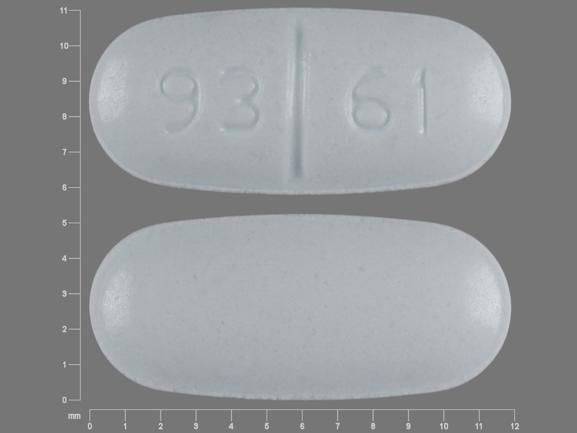
sotalol

pronunciation

Generic Name: sotalol (SOE ta lol)
Brand Names: Betapace, Sorine

What is sotalol?

Sotalol is in a group of drugs called beta-blockers. Beta-blockers affect the heart and circulation (blood flow through arteries and veins).

Sotalol is used to help keep the heart beating normally in people with certain heart rhythm disorders of the ventricles (the lower chambers of the heart that allow blood to flow out of the heart). Sotalol is used in people with ventricular tachycardia or ventricular fibrillation.

Another form of this medicine, called Sotalol AF, is used to treat heart rhythm disorders of the atrium (the upper chambers of the heart that allow blood to flow into the heart). Sotalol AF is used in people with atrial fibrillation or atrial flutter. Sotalol (Betapace and Sorine) is not used for the same conditions that sotalol AF (Betapace AF) is used for.

Sotalol may also be used for other purposes not listed in this medication guide.

What is the most important information I should know about sotalol?

You will receive your first few doses of sotalol in a hospital setting where your heart rhythm can be monitored, in case the medication causes serious side effects.

If there are any changes in the brand or strength of sotalol you use, your dosage needs may change. Betapace and Sorine are not used for the same conditions that Betapace AF is used for. Always check your medicine when it is refilled to make sure you have received the correct brand and type as prescribed by your doctor. Ask the pharmacist if you have any questions about the medicine given to you at the pharmacy.

Do not skip doses or stop taking sotalol without first talking to your doctor. Stopping suddenly may make your condition worse. You may need to use less and less before you stop the medication completely.

If you need to have any type of surgery, you may need to temporarily stop using sotalol. Be sure the surgeon knows ahead of time that you are using sotalol.

What should I discuss with my healthcare provider before taking sotalol?

Do not use this medication if you are allergic to sotalol, or if you have:
  • asthma;

  • certain heart conditions, especially "AV block" (unless you have a pacemaker);

  • a history of "Long QT syndrome"; or

  • severe or uncontrolled congestive heart failure.

If you have any of these other conditions, you may need a dose adjustment or special tests to safely take sotalol:

  • breathing problems such as bronchitis or emphysema;

  • a history of heart disease or congestive heart failure;

  • diabetes;

  • kidney disease;

  • a thyroid disorder;

  • an electrolyte imbalance such as low levels of potassium or magnesium in your blood; or

  • if you have recently had a heart attack.

FDA pregnancy category B. This medication is not expected to be harmful to an unborn baby. Tell your doctor if you are pregnant or plan to become pregnant during treatment. Sotalol can pass into breast milk and may harm a nursing baby. Do not use this medication without telling your doctor if you are breast-feeding a baby.

How should I take sotalol?

You will receive your first few doses of sotalol in a hospital setting where your heart can be monitored in case the medication causes serious side effects.

Take sotalol exactly as it was prescribed for you. Do not take the medication in larger amounts or for longer than recommended by your doctor. Follow the directions on your prescription label.

If there are any changes in the brand or strength of sotalol you use, your dosage needs may change. Betapace and Sorine are not used for the same conditions that Betapace AF is used for. Always check your medicine when it is refilled to make sure you have received the correct brand and type as prescribed by your doctor. Ask the pharmacist if you have any questions about the medicine given to you at the pharmacy.

Take this medication with a full glass of water.

Take sotalol at the same time every day.

Do not skip doses or stop taking sotalol without first talking to your doctor. Stopping suddenly may make your condition worse. You may need to use less and less before you stop the medication completely.

Tell your doctor if you have an illness that involves diarrhea or vomiting lasting more than a few hours. Prolonged diarrhea or vomiting can lower your potassium levels, making it dangerous for you to use sotalol.

To be sure this medication is helping your condition, your blood pressure will need to be checked on a regular basis. Your heart and kidney function will also need to be tested. Do not miss any scheduled visits to your doctor.

This medication can cause you to have unusual results with certain medical tests. Tell any doctor who treats you that you are using sotalol.

If you need to have any type of surgery, tell the surgeon that you are using sotalol. You may need to briefly stop using sotalol before having surgery.

Store sotalol at room temperature away from moisture and heat.

See also: Sotalol dosage (in more detail)

What happens if I miss a dose?

Take the missed dose as soon as you remember. If your next dose is less than 8 hours away, skip the missed dose and take the medicine at the next regularly scheduled time. Do not take extra medicine to make up the missed dose.

What happens if I overdose?

Seek emergency medical attention if you think you have used too much of this medicine.

Overdose symptoms may include slow or fast heartbeats, shortness of breath, chest pain, swelling, hunger, weakness, confusion, sweating, feeling light-headed, fainting, or seizure (convulsions).

What should I avoid while taking sotalol?

Do not take an antacid within 2 hours before or after taking sotalol. Avoid using antacids without your doctor's advice. Use only the specific type of antacid your doctor recommends. Antacids contain different medicines and some types can make it harder for your body to absorb sotalol.

Sotalol side effects

Get emergency medical help if you have any of these signs of an allergic reaction: hives; difficulty breathing; swelling of your face, lips, tongue, or throat. Call your doctor at once if you have any of these serious side effects:
  • fast or pounding heartbeat, chest pain, shortness of breath;

  • feeling light-headed, fainting;

  • slow heartbeat;

  • unusual sweating, increased thirst; or

  • swelling, rapid weight gain.

Less serious side effects may include:

  • mild diarrhea, nausea, vomiting;

  • headache;

  • sleep problems (insomnia); or

  • tired feeling.

This is not a complete list of side effects and others may occur. Call your doctor for medical advice about side effects. You may report side effects to FDA at 1-800-FDA-1088.

See also: sotalol side effects (in more detail)

Sotalol Dosing Information

Usual Adult Dose for Atrial Fibrillation:

Oral (Betapace AF):

Initial dose: 80 mg orally twice a day. Continuous ECG monitoring with QT interval measurements should begin after the first dose and every 2 to 4 hours after each additional dose.

If the 80 mg dose level is tolerated and the QT interval remains less than 500 msec after at least 3 days (after 5 or 6 doses if patient receiving once-daily dosing), the patient can be discharged. Alternatively, during hospitalization, the dose can be increased to 120 mg twice daily and the patient followed for 3 days on this dose (followed for 5 or 6 doses if patient receiving once-daily dosing).

If the 80 mg dose level (given twice a day or once-daily depending upon the creatinine clearance) does not reduce the frequency of relapses of atrial fibrillation/atrial flutter and is tolerated without excessive QT interval prolongation (i.e., greater than or equal to 520 msec), the dose level may be increased to 120 mg (twice a day or once-daily depending upon the creatinine clearance).

If the 120 mg dose does not reduce the frequency of early relapse of atrial fibrillation/atrial flutter and is tolerated without excessive QT interval prolongation (greater than or equal to 520 msec), an increase to 160 mg (2 times a day or daily) depending upon the creatinine clearance), can be considered.

Any increases in dosage should be done in a step-wise fashion as outlined above.

Maintenance dose: 120 to 160 mg orally 2 times a day. Renal function and QT should be reevaluated regularly if medically warranted. If QT is 520 msec or greater (JT 430 msec or greater if QRS is greater than 100 msec), the dose of sotalol should be reduced and patients should be carefully monitored until QT returns to less than 520 msec. If the QT interval is greater than or equal to 520 msec while on the lowest maintenance dose level (80 mg) the drug should be discontinued.

Parenteral:

Initial: 112.5 mg IV once or twice daily

Maintenance: 112.5 to 150 mg IV once or twice daily

If 112.5 mg IV once or twice daily, at steady state, does not reduce the frequency of early relapse of arrhythmia and is tolerated without excessive QTc prolongation (greater than 520 msec), increase the dose to 150 mg IV once or twice daily.

Start intravenous sotalol therapy only if the baseline QT interval is less than 450 msec. During initiation and titration, monitor the QT interval after the completion of each infusion. If the QT interval prolongs to 500 msec or greater, reduce the dose, decrease the infusion rate, or discontinue the drug.

Usual Adult Dose for Atrial Flutter:

Oral (Betapace AF):

Initial dose: 80 mg orally twice a day. Continuous ECG monitoring with QT interval measurements should begin after the first dose and every 2 to 4 hours after each additional dose.

If the 80 mg dose level is tolerated and the QT interval remains less than 500 msec after at least 3 days (after 5 or 6 doses if patient receiving once-daily dosing), the patient can be discharged. Alternatively, during hospitalization, the dose can be increased to 120 mg twice daily and the patient followed for 3 days on this dose (followed for 5 or 6 doses if patient receiving once-daily dosing).

If the 80 mg dose level (given twice a day or once-daily depending upon the creatinine clearance) does not reduce the frequency of relapses of atrial fibrillation/atrial flutter and is tolerated without excessive QT interval prolongation (i.e., greater than or equal to 520 msec), the dose level may be increased to 120 mg (twice a day or once-daily depending upon the creatinine clearance).

If the 120 mg dose does not reduce the frequency of early relapse of atrial fibrillation/atrial flutter and is tolerated without excessive QT interval prolongation (greater than or equal to 520 msec), an increase to 160 mg (2 times a day or daily) depending upon the creatinine clearance), can be considered.

Any increases in dosage should be done in a step-wise fashion as outlined above.

Maintenance dose: 120 to 160 mg orally 2 times a day. Renal function and QT should be reevaluated regularly if medically warranted. If QT is 520 msec or greater (JT 430 msec or greater if QRS is greater than 100 msec), the dose of sotalol should be reduced and patients should be carefully monitored until QT returns to less than 520 msec. If the QT interval is greater than or equal to 520 msec while on the lowest maintenance dose level (80 mg) the drug should be discontinued.

Parenteral:

Initial: 112.5 mg IV once or twice daily

Maintenance: 112.5 to 150 mg IV once or twice daily

If 112.5 mg IV once or twice daily, at steady state, does not reduce the frequency of early relapse of arrhythmia and is tolerated without excessive QTc prolongation (greater than 520 msec), increase the dose to 150 mg IV once or twice daily.

Start intravenous sotalol therapy only if the baseline QT interval is less than 450 msec. During initiation and titration, monitor the QT interval after the completion of each infusion. If the QT interval prolongs to 500 msec or greater, reduce the dose, decrease the infusion rate, or discontinue the drug.

Usual Adult Dose for Ventricular Arrhythmia:

Oral (Betapace):

Initial: 80 mg twice daily

The initial dose may be increased 120 to 160 mg twice daily. The dosage should be adjusted gradually allowing 3 days between dosing increments in order to attain steady-state plasma concentrations and to allow monitoring of QT intervals. Graded dose adjustment will help prevent doses that are higher than necessary to control the arrhythmia. Most patients obtain a therapeutic response with a total daily dose of 160 to 320 mg given in two or three divided doses.

Parenteral:

Initial: 75 mg IV infused over 5 hours once or twice daily based on the creatinine clearance.

Maintenance: 75 to 300 mg infused over 5 hours once or twice daily based on the creatinine clearance.

The dose may be increased in increments of 75 mg/day every 3 days. Doses as high as 225 or 300 mg IV have been utilized in patients with refractory life-threatening arrhythmias.

Start intravenous sotalol therapy only if the baseline QT interval is less than 450 msec. During initiation and titration, monitor the QT interval after the completion of each infusion. If the QT interval prolongs to 500 msec or greater, reduce the dose, decrease the infusion rate, or discontinue the drug.

Usual Pediatric Dose for Atrial Fibrillation:

Baseline QTc interval and CrCl must be determined prior to initiation. Dosage should be adjusted to individual response and tolerance; doses should be initiated or increased in a hospital facility that can provide continuous ECG monitoring, recognition and treatment of life-threatening arrhythmias, and CPR.

Safety and efficacy in neonatal patients have not been established. Manufacturer dosing recommendations are based on doses per m2 (that are equivalent to the doses recommended in adults) and on pediatric pharmacokinetic and pharmacodynamic studies BSA, rather than body weight, better predicted apparent clearance of sotalol; however, for a given dose per m2, a larger drug exposure (larger AUC) and greater pharmacologic effects were observed in smaller subjects (i.e., those with BSA less than 0.33 m2 versus those with BSA greater than or equal to 0.33 m2). For infants and children less than or equal to 2 years of age, the manufacturer recommends a dosage reduction based on an age factor determined from a graph provided in the manufacturer insert.

Manufacturer's recommendations: Note: Use with extreme caution if QTc is greater than 500 msec while receiving sotalol; reduce the dose or discontinue drug if QTc is greater than 550 msec.

Infants and Children less than or equal to 2 years: The pediatric manufacturer recommended dosage of 30 mg/m2/dose must be REDUCED using an age-related factor that is obtained from the graph provided in the manufacturer insert. Use the graph to determine where the patient's age (on the logarithmic scale) intersects the age factor curve; read the age factor from the Y-axis; then multiply the age factor by the pediatric dose listed below (i.e., the dose for children greater than 2 years); this will result in the proper reduction in dose for age. For example, the age factor for an infant 1 month of age is 0.68, so the initial dosage would be (0.68 x 30 mg/m2/dose) = 20 mg/m2/dose given 3 times daily. Similar calculations should be made for dosage titrations; increase dosage gradually, if needed; allow adequate time between dosage increments to achieve new steady-state and to monitor clinical response, heart rate and QTc intervals; half-life is prolonged with decreasing age (less than 2 years), so time to reach new steady-state will increase.

2 years and older:
Initial: 30 mg/m2 orally 3 times a day; increase dosage gradually if needed; allow at least 36 hours between dosage increments to achieve new steady-state and to monitor clinical response, heart rate, and QTc intervals; may increase gradually to a maximum of 60 mg/m2/dose given 3 times daily.

Alternative pediatric dosing:
Initial: 2 mg/kg/day divided every 8 hours; if needed, increase dosage gradually by 1 to 2 mg/kg/day increments; allow 3 days between dosage increments to achieve new steady-state and to monitor clinical response, heart rate, and QTc intervals; maximum: 10 mg/kg/day (if no limiting side effects occur); do not exceed adult doses.
Proposed required doses: Note: It is not necessary to increase to required dosage if desired clinical effect has been achieved at a lower dosage.
Infants and Children 1 month to 6 years: 6 mg/kg/day divided every 8 hours
Children greater than 6 years: 4 mg/kg/day divided every 8 hours

Usual Pediatric Dose for Atrial Flutter:

Baseline QTc interval and CrCl must be determined prior to initiation. Dosage should be adjusted to individual response and tolerance; doses should be initiated or increased in a hospital facility that can provide continuous ECG monitoring, recognition and treatment of life-threatening arrhythmias, and CPR.

Safety and efficacy in neonatal patients have not been established. Manufacturer dosing recommendations are based on doses per m2 (that are equivalent to the doses recommended in adults) and on pediatric pharmacokinetic and pharmacodynamic studies BSA, rather than body weight, better predicted apparent clearance of sotalol; however, for a given dose per m2, a larger drug exposure (larger AUC) and greater pharmacologic effects were observed in smaller subjects (i.e., those with BSA less than 0.33 m2 versus those with BSA greater than or equal to 0.33 m2). For infants and children less than or equal to 2 years of age, the manufacturer recommends a dosage reduction based on an age factor determined from a graph provided in the manufacturer insert.

Manufacturer's recommendations: Note: Use with extreme caution if QTc is greater than 500 msec while receiving sotalol; reduce the dose or discontinue drug if QTc is greater than 550 msec.

Infants and Children less than or equal to 2 years: The pediatric manufacturer recommended dosage of 30 mg/m2/dose must be REDUCED using an age-related factor that is obtained from the graph provided in the manufacturer insert. Use the graph to determine where the patient's age (on the logarithmic scale) intersects the age factor curve; read the age factor from the Y-axis; then multiply the age factor by the pediatric dose listed below (i.e., the dose for children greater than 2 years); this will result in the proper reduction in dose for age. For example, the age factor for an infant 1 month of age is 0.68, so the initial dosage would be (0.68 x 30 mg/m2/dose) = 20 mg/m2/dose given 3 times daily. Similar calculations should be made for dosage titrations; increase dosage gradually, if needed; allow adequate time between dosage increments to achieve new steady-state and to monitor clinical response, heart rate and QTc intervals; half-life is prolonged with decreasing age (less than 2 years), so time to reach new steady-state will increase.

2 years and older:
Initial: 30 mg/m2 orally 3 times a day; increase dosage gradually if needed; allow at least 36 hours between dosage increments to achieve new steady-state and to monitor clinical response, heart rate, and QTc intervals; may increase gradually to a maximum of 60 mg/m2/dose given 3 times daily.

Alternative pediatric dosing:
Initial: 2 mg/kg/day divided every 8 hours; if needed, increase dosage gradually by 1 to 2 mg/kg/day increments; allow 3 days between dosage increments to achieve new steady-state and to monitor clinical response, heart rate, and QTc intervals; maximum: 10 mg/kg/day (if no limiting side effects occur); do not exceed adult doses.
Proposed required doses: Note: It is not necessary to increase to required dosage if desired clinical effect has been achieved at a lower dosage.
Infants and Children 1 month to 6 years: 6 mg/kg/day divided every 8 hours
Children greater than 6 years: 4 mg/kg/day divided every 8 hours

Usual Pediatric Dose for Ventricular Arrhythmia:

Baseline QTc interval and CrCl must be determined prior to initiation. Dosage should be adjusted to individual response and tolerance; doses should be initiated or increased in a hospital facility that can provide continuous ECG monitoring, recognition and treatment of life-threatening arrhythmias, and CPR.

Safety and efficacy in neonatal patients have not been established. Manufacturer dosing recommendations are based on doses per m2 (that are equivalent to the doses recommended in adults) and on pediatric pharmacokinetic and pharmacodynamic studies BSA, rather than body weight, better predicted apparent clearance of sotalol; however, for a given dose per m2, a larger drug exposure (larger AUC) and greater pharmacologic effects were observed in smaller subjects (i.e., those with BSA less than 0.33 m2 versus those with BSA greater than or equal to 0.33 m2). For infants and children less than or equal to 2 years of age, the manufacturer recommends a dosage reduction based on an age factor determined from a graph provided in the manufacturer insert.

Manufacturer's recommendations: Note: Use with extreme caution if QTc is greater than 500 msec while receiving sotalol; reduce the dose or discontinue drug if QTc is greater than 550 msec.

Infants and Children less than or equal to 2 years: The pediatric manufacturer recommended dosage of 30 mg/m2/dose must be REDUCED using an age-related factor that is obtained from the graph provided in the manufacturer insert. Use the graph to determine where the patient's age (on the logarithmic scale) intersects the age factor curve; read the age factor from the Y-axis; then multiply the age factor by the pediatric dose listed below (i.e., the dose for children greater than 2 years); this will result in the proper reduction in dose for age. For example, the age factor for an infant 1 month of age is 0.68, so the initial dosage would be (0.68 x 30 mg/m2/dose) = 20 mg/m2/dose given 3 times daily. Similar calculations should be made for dosage titrations; increase dosage gradually, if needed; allow adequate time between dosage increments to achieve new steady-state and to monitor clinical response, heart rate and QTc intervals; half-life is prolonged with decreasing age (less than 2 years), so time to reach new steady-state will increase.

2 years and older:
Initial: 30 mg/m2 orally 3 times a day; increase dosage gradually if needed; allow at least 36 hours between dosage increments to achieve new steady-state and to monitor clinical response, heart rate, and QTc intervals; may increase gradually to a maximum of 60 mg/m2/dose given 3 times daily.

Alternative pediatric dosing:
Initial: 2 mg/kg/day divided every 8 hours; if needed, increase dosage gradually by 1 to 2 mg/kg/day increments; allow 3 days between dosage increments to achieve new steady-state and to monitor clinical response, heart rate, and QTc intervals; maximum: 10 mg/kg/day (if no limiting side effects occur); do not exceed adult doses.
Proposed required doses: Note: It is not necessary to increase to required dosage if desired clinical effect has been achieved at a lower dosage.
Infants and Children 1 month to 6 years: 6 mg/kg/day divided every 8 hours
Children greater than 6 years: 4 mg/kg/day divided every 8 hours

What other drugs will affect sotalol?

Tell your doctor about all other medications you use, especially:

  • clonidine (Catapres);

  • digoxin (digitalis, Digitek, Lanoxicaps, Lanoxin);

  • reserpine;

  • a diuretic (water pill);

  • drugs that can affect heart rhythm, such as cisapride (Propulsid), droperidol (Inapsine), methadone (Methadose), pentamidine (NebuPent, Pentam);

  • any other heart rhythm medications, especially amiodarone (Cordarone, Pacerone), dofetilide (Tikosyn), disopyramide (Norpace), procainamide (Procan), quinidine (Quinaglute, Quinidex, Quin-Release);

  • antibiotics such as azithromycin (Zithromax), clarithromycin (Biaxin), erythromycin (E-Mycin, E.E.S., Erythrocin, Ery-Tab), telithromycin (Ketek);

  • medicines to treat psychiatric disorder, such as pimozide (Orap), haloperidol (Haldol), thioridazine (Mellaril);

  • a phenothiazine such as chlorpromazine (Thorazine), thioridazine (Mellaril), fluphenazine (Permitil, Prolixin), perphenazine (Trilafon), prochlorperazine (Compazine), trifluoperazine (Stelazine);

  • an antidepressant such as amitriptyline (Elavil, Vanatrip), doxepin (Sinequan), desipramine (Norpramin), imipramine (Janimine, Tofranil), nortriptyline (Pamelor), and others;

  • a diabetes medication such as insulin, glyburide (Diabeta, Micronase, Glynase), glipizide (Glucotrol), chlorpropamide (Diabinese), metformin (Glucophage);

  • a calcium channel blocker such as diltiazem (Cartia, Cardizem), felodipine (Plendil), nifedipine (Nifedical, Procardia), verapamil (Calan, Covera, Isoptin, Verelan), and others; or

  • medicine for asthma other breathing disorders, such as albuterol (Ventolin, Proventil), metaproterenol (Alupent), pirbuterol (Maxair), terbutaline (Brethaire, Brethine, Bricanyl), and theophylline (Elixophyllin, Theo-24, Uniphyl).

This list is not complete and there may be other drugs that can interact with sotalol. Tell your doctor about all your prescription and over-the-counter medications, vitamins, minerals, herbal products, and drugs prescribed by other doctors. Do not start a new medication without telling your doctor.

Compare sotalol with other medications

Where can I get more information?

  • Your pharmacist can provide more information about sotalol.
  • Remember, keep this and all other medicines out of the reach of children, never share your medicines with others, and use this medication only for the indication prescribed.
  • Every effort has been made to ensure that the information provided by Cerner Multum, Inc. ('Multum') is accurate, up-to-date, and complete, but no guarantee is made to that effect. Drug information contained herein may be time sensitive. Multum information has been compiled for use by healthcare practitioners and consumers in the United States and therefore Multum does not warrant that uses outside of the United States are appropriate, unless specifically indicated otherwise. Multum's drug information does not endorse drugs, diagnose patients or recommend therapy. Multum's drug information is an informational resource designed to assist licensed healthcare practitioners in caring for their patients and/or to serve consumers viewing this service as a supplement to, and not a substitute for, the expertise, skill, knowledge and judgment of healthcare practitioners. The absence of a warning for a given drug or drug combination in no way should be construed to indicate that the drug or drug combination is safe, effective or appropriate for any given patient. Multum does not assume any responsibility for any aspect of healthcare administered with the aid of information Multum provides. The information contained herein is not intended to cover all possible uses, directions, precautions, warnings, drug interactions, allergic reactions, or adverse effects. If you have questions about the drugs you are taking, check with your doctor, nurse or pharmacist.
Copyright 1996-2012 Cerner Multum, Inc. Version: 9.02. Revision Date: 2010-12-15, 5:01:39 PM.
Advertisement
Close

Recommended

(web4)