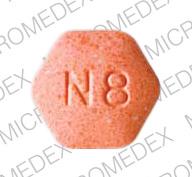
Suboxone Side Effects
Generic name: buprenorphine / naloxone
Medically reviewed by Drugs.com. Last updated on Mar 16, 2025.
Note: This document provides detailed information about Suboxone Side Effects associated with buprenorphine / naloxone. Some dosage forms listed on this page may not apply specifically to the brand name Suboxone.
Applies to buprenorphine / naloxone: film, tablet.
Precautions
It is very important that your doctor check your progress while you are using this medicine. This will allow your doctor to see if the medicine is working properly and to decide if you should continue to take it. Blood tests may be needed to check for unwanted effects.
Do not use this medicine if you have used an MAO inhibitor (MAOI) (eg, isocarboxazid [Marplan®], linezolid [Zyvox®], phenelzine [Nardil®], selegiline [Eldepryl®], tranylcypromine [Parnate®]) within the past 14 days.
It is against the law and dangerous for anyone else to use your medicine. Keep your unused films or tablets in a safe and secure place. People who are addicted to drugs might want to steal this medicine.
This medicine may be habit-forming. If you feel that the medicine is not working as well, do not use more than your prescribed dose. Call your doctor for instructions.
Using too much of this medicine may cause an overdose, which can be life-threatening. Symptoms of an overdose include: blurred vision, confusion, difficult or trouble breathing, dizziness, faintness, or lightheadedness when getting up suddenly from a lying position or sitting position, irregular, fast or slow, or shallow breathing, pale or blue lips, fingernails, or skin, pinpoint pupils, sleepiness, sweating, unusual tiredness or weakness. In case of an overdose, call your doctor right away. Your doctor may also give naloxone to treat an overdose.
This medicine may cause sleep-related breathing problems (eg, sleep apnea, sleep-related hypoxemia). Your doctor may decrease your dose if you have sleep apnea (stop breathing for short periods during sleep) while using this medicine.
This medicine may cause serious tooth problems. Tell your doctor right away if you have cavities, tooth decay, tooth pain, tooth infection, tooth erosion, tooth fracture, or tooth loss. Schedule regular dental checkups while taking this medicine.
Before having any kind of surgery (including dental surgery) or emergency treatment, tell the medical doctor or dentist in charge that you are using this medicine. Serious unwanted effects can occur if certain medicines are given together with buprenorphine and naloxone combination.
This medicine will add to the effects of alcohol and other CNS depressants. CNS depressants are medicines that slow down the nervous system, which may cause drowsiness or make you less alert. Some examples of CNS depressants are antihistamines or medicine for allergies or colds, sedatives, tranquilizers, or sleeping medicine, other prescription pain medicine or narcotics, medicine for seizures or barbiturates, muscle relaxants, or anesthetics, including some dental anesthetics. This effect may last for a few days after you stop using this medicine. Check with your doctor before taking any of the medicines listed above while you are using this medicine.
Dizziness, lightheadedness, or fainting may occur when you get up suddenly from a lying or sitting position. Getting up slowly may help lessen this problem. Also, lying down for a while may relieve the dizziness or lightheadedness.
This medicine may make you dizzy, drowsy, or lightheaded. Do not drive or do anything else that could be dangerous until you know how this medicine affects you.
Using this medicine while you are pregnant may cause neonatal opioid withdrawal syndrome in your newborn baby. Tell your doctor right away if your baby has an abnormal sleep pattern, diarrhea, a high-pitched cry, irritability, shakiness or tremors, weight loss, vomiting, or fails to gain weight.
This medicine may cause adrenal insufficiency. Check with your doctor right away if you have darkening of the skin, diarrhea, dizziness, fainting, loss of appetite, mental depression, nausea, skin rash, unusual tiredness or weakness, or vomiting.
Check with your doctor right away if you have pain or tenderness in the upper stomach, pale stools, dark urine, loss of appetite, nausea, vomiting, or yellow eyes or skin. These could be symptoms of a serious liver problem.
This medicine may cause serious allergic reactions, including anaphylaxis, which can be life-threatening and require immediate medical attention. Call your doctor right away if you have a rash, hives, itching, hoarseness, trouble with breathing or swallowing, or any swelling of your hands, face, or mouth while you are using this medicine.
Contact your doctor right away if you have any changes to your heart rhythm. You might feel dizzy or faint, or you might have a fast, pounding, or uneven heartbeat. Make sure your doctor knows if you or anyone in your family has ever had a heart rhythm problem such as QT prolongation.
Do not suddenly stop using it without first checking with your doctor. Your doctor may want you to gradually reduce the amount you are using before stopping it completely. This may help reduce the possibility of withdrawal symptoms, including anxiety, fever, nausea, runny nose, stomach cramps, sweating, tremors, or trouble with sleeping.
Check with your doctor right away if you have anxiety, restlessness, a fast heartbeat, fever, sweating, muscle spasms, twitching, nausea, vomiting, diarrhea, or see or hear things that are not there. These may be symptoms of a serious condition called serotonin syndrome. Your risk may be higher if you also take certain other medicines that affect serotonin levels in your body.
Using too much of this medicine may cause infertility (unable to have children). Talk with your doctor before using this medicine if you plan to have children.
Do not take other medicines unless they have been discussed with your doctor. This includes prescription or nonprescription (over-the-counter [OTC]) medicines and herbal or vitamin supplements.
Serious side effects of Suboxone
Along with its needed effects, buprenorphine / naloxone may cause some unwanted effects. Although not all of these side effects may occur, if they do occur they may need medical attention.
Check with your doctor immediately if any of the following side effects occur while taking buprenorphine / naloxone:
More common side effects
- chills
- cough
- feeling faint, dizzy, or lightheaded
- feeling of warmth or heat
- fever
- flushing or redness of the skin, especially on the face and neck
- headache
- hoarseness
- lower back or side pain
- painful or difficult urination
- sweating
Incidence not known
- agitation
- bloating or swelling of the face, arms, hands, lower legs, or feet
- chest tightness
- darkening of the skin
- diarrhea
- difficulty swallowing
- dizziness
- fainting
- fast heartbeat
- hives, itching, skin rash
- loss of appetite
- mental depression
- nausea
- overactive reflexes
- poor coordination
- puffiness or swelling of the eyelids or around the eyes, face, lips, or tongue
- rapid weight gain
- restlessness shivering talking or acting with excitement you cannot control
- tingling of the hands or feet
- toothache
- trembling or shaking twitching
- unusual weight gain or loss
- vomiting
Get emergency help immediately if any of the following symptoms of overdose occur while taking buprenorphine / naloxone:
Symptoms of overdose
- blurred vision
- confusion
- difficult or trouble breathing
- dizziness, faintness, or lightheadedness when getting up suddenly from a lying or sitting position
- drowsiness
- irregular, fast, slow, or shallow breathing
- pale or blue lips, fingernails, or skin
- pinpoint pupils
- relaxed and calm feeling
- sleepiness
- unusual tiredness or weakness
Other side effects of Suboxone
Some side effects of buprenorphine / naloxone may occur that usually do not need medical attention. These side effects may go away during treatment as your body adjusts to the medicine. Also, your health care professional may be able to tell you about ways to prevent or reduce some of these side effects.
Check with your health care professional if any of the following side effects continue or are bothersome or if you have any questions about them:
More common side effects
- difficulty having a bowel movement
- lack or loss of strength
- stomach pain
- trouble sleeping
Less common side effects
- back pain
- diarrhea
- runny or stuffy nose
- sneezing
Incidence not known
- burning or sore mouth
- burning, crawling, itching, numbness, prickling, "pins and needles", or tingling feelings inside the mouth
- decline or loss of libido or sexual desire
- irritability
- mood swings
- poor concentration
- redness, swelling, or soreness of the tongue
- reduced muscle strength
- swelling, inflammation, or redness of the mouth
See also:
For healthcare professionals
Applies to buprenorphine / naloxone: buccal film, sublingual film, sublingual tablet.
General adverse events
The most commonly observed adverse events included headache, nausea, vomiting, hyperhidrosis, constipation, signs and symptoms of withdrawal, insomnia, pain and peripheral edema. Additionally, oral hypoesthesia was reported with the sublingual film.[Ref]
Other
- Very common (10% or more): Pain (22.4%)
- Common (1% to 10%): Asthenia, chills, pyrexia, malaise, injury, ear pain
- Uncommon (0.1% to 1%): Hypothermia, heat stroke
- Postmarketing reports: Vertigo[Ref]
Nervous system
- Very common (10% or more): Headache (36.4%)
- Common (1% to 10%): Migraine, dizziness, hypertonia, paraesthesia, somnolence
- Uncommon (0.1% to 1%): Amnesia, convulsion, hyperkinesia, speech disorder, tremor
Buprenorphine:
- Postmarketing reports: Neonatal withdrawal syndrome including symptoms of hypertonia, neonatal tremor, neonatal agitation, and myoclonus; reports of neonatal convulsions, apnea, respiratory depression, and bradycardia[Ref]
Respiratory
Buprenorphine-naloxone:
- Common (1% to 10%): Pharyngitis, rhinitis, cough, sinusitis, upper respiratory infection, asthma, bronchitis, dyspnea, pneumonia, increased sputum
- Uncommon (0.1% to 1%): Yawning
- Frequency not reported: Rhinorrhea
Buprenorphine:
- Frequency not reported: Significant respiratory depression, coma, death[Ref]
There have been postmarketing reports coma and death associated with concomitant use of buprenorphine and benzodiazepines; many of these reports have involved misuse by self-injection.[Ref]
Gastrointestinal
- Very common (10% or more): Constipation (12.1%), nausea (15%), abdominal pain (11.2%)
- Common (1% to 10%): Vomiting, diarrhea, dyspepsia, flatulence, oral hypoesthesia
- Uncommon (0.1% to 1%): Mouth ulceration, tongue discoloration, tooth abscess, glossodynia, mucosal erythema (oral), toothache
- Frequency not reported: Stomach discomfort,
- Postmarketing reports: Stomatitis, glossitis, tongue disorder, pancreatitis[Ref]
Endocrine
- Common (1% to 10%): Erectile dysfunction, decreased libido
- Uncommon (0.1% to 1%): Amenorrhea, ejaculation disorder, menorrhagia, metrorrhagia
- Postmarketing reports: Disorders of pregnancy
Opioids:
- Postmarketing reports: Adrenal insufficiency, androgen deficiency[Ref]
Hypersensitivity
Buprenorphine:
- Frequency not reported: Hypersensitivity reactions including bronchospasm, angioneurotic edema, and anaphylactic shock; more commonly reported as rash hives, and pruritus
Naloxone:
- Frequency not reported: Hypersensitivity reactions including bronchospasm, angioneurotic edema, and anaphylactic shock; more commonly reported as rash hives, and pruritus[Ref]
Local
- Postmarketing reports: Glossodynia, oral mucosal erythema, oral hypoesthesia, stomatitis[Ref]
Cardiovascular
- Common (1% to 10%): Vasodilation, hypertension
- Uncommon (0.1% to 1%): Angina pectoris, bradycardia, myocardial infarction, palpitations, tachycardia, hypotension, chest pain
- Postmarketing reports: Peripheral edema, syncope, orthostatic hypotension, heart rate and rhythm disorders[Ref]
Ocular
- Common (1% to 10%): Amblyopia, lacrimal disorder
- Uncommon (0.1% to 1%): Conjunctivitis, miosis[Ref]
Hepatic
Buprenorphine-naloxone:
- Common (1% to 10%): Abnormal liver function tests
Buprenorphine:
- Frequency not reported: Cytolytic hepatitis, hepatitis with jaundice, transient asymptomatic elevations of hepatic transaminases, hepatic failure, hepatic necrosis, hepatorenal syndrome, and hepatic encephalopathy.[Ref]
In clinical trials and in postmarketing reports, cases of cytolytic hepatitis and hepatitis with jaundice have been reported in association with buprenorphine use. The spectrum of abnormalities has ranged from transient asymptomatic elevations of hepatic transaminases to hepatic failure, hepatic necrosis, hepatorenal syndrome, and hepatic encephalopathy. The presence of preexisting liver enzyme abnormalities, viral hepatitis, concomitant hepatotoxic drug use, and ongoing IV drug abuse may have played a causative or contributory role.[Ref]
Psychiatric
- Common (1% to 10%): Anxiety, depression, nervousness, abnormal thinking
- Uncommon (0.1% to 1%): Abnormal dreams, agitation, apathy, depersonalization, drug dependence, euphoric mood, hostility
- Frequency not reported: Restlessness, irritability
- Postmarketing reports: Hallucination, attempted suicide, insomnia[Ref]
Dermatologic
- Very common (10% or more): Sweating (14%)
- Common (1% to 10%): Pruritus, rash, urticaria, ecchymosis
- Uncommon (0.1% to 1%): Acne, alopecia, dermatitis exfoliative, dry skin, skin mass, herpes simplex, skin nodule
- Frequency not reported: Piloerection, cold sweat[Ref]
Genitourinary
- Common (1% to 10%): Urine abnormality
- Uncommon (0.1% to 1%): Urinary tract infection, vaginal infection, albuminuria, dysuria, hematuria, urinary retention[Ref]
Hematologic
- Uncommon (0.1% to 1%): Anemia, leucocytosis, leukopenia, lymphadenopathy, thrombocytopenia[Ref]
Immunologic
- Common (1% to 10%): Influenza, infection[Ref]
Metabolic
- Uncommon (0.1% to 1%): Decreased appetite, hyperglycemia, hyperlipidemia, hypoglycemia, decreased weight[Ref]
Musculoskeletal
- Common (1% to 10%): Back pain, arthralgia, muscle spasms, myalgia, rigid neck, leg cramps, joint disorder
- Uncommon (0.1% to 1%): Arthritis
- Frequency not reported: Arthralgia[Ref]
Renal
- Uncommon (0.1% to 1%): Nephrolithiasis, blood creatinine increased[Ref]
References
1. (2002) "Product Information. Subutex (buprenorphine)." Reckitt and Colman Pharmaceuticals Inc
2. Cerner Multum, Inc. "UK Summary of Product Characteristics."
3. Cerner Multum, Inc. "Australian Product Information."
4. (2015) "Product Information. Bunavail (buprenorphine-naloxone)." BioDelivery Sciences International, Inc.
5. (2015) "Product Information. Zubsolv (buprenorphine-naloxone)." Orexo US, Inc
Frequently asked questions
- How long does Suboxone stay in your system?
- How long does Suboxone block opiates?
- Does Suboxone show up on a drug test?
- How long does Suboxone withdrawal last?
- What happens if you take opiates on Suboxone?
- How long should you wait before taking Suboxone?
- Does Suboxone help with pain?
- How long does it take for Suboxone to start working?
- Subutex vs Suboxone: What's the difference between them?
More about Suboxone (buprenorphine / naloxone)
- Check interactions
- Compare alternatives
- Pricing & coupons
- Reviews (732)
- Drug images
- Latest FDA alerts (2)
- Dosage information
- Patient tips
- During pregnancy
- Generic availability
- Support group
- Drug class: narcotic analgesic combinations
- En español
Patient resources
Other brands
Professional resources
Other brands
Related treatment guides
Further information
Suboxone side effects can vary depending on the individual. Always consult your healthcare provider to ensure the information displayed on this page applies to your personal circumstances.
Note: Medication side effects may be underreported. If you are experiencing side effects that are not listed, submit a report to the FDA by following this guide.