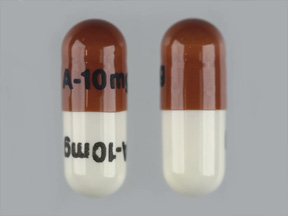
Soriatane Side Effects
Generic name: acitretin
Medically reviewed by Drugs.com. Last updated on May 28, 2025.
Note: This document provides detailed information about Soriatane Side Effects associated with acitretin. Some dosage forms listed on this page may not apply specifically to the brand name Soriatane.
Applies to acitretin: oral capsule.
Important warnings
This medicine can cause some serious health issues
Precautions
It is important that your doctor check your progress at regular visits to make sure that this medicine is working properly. Blood tests may be needed to check for unwanted effects.
Using this medicine while you are pregnant can cause very serious birth defects. You must use 2 forms of birth control together for 1 month before starting this medicine, for the entire time that you are being treated with this medicine, and for 3 years after you take your last dose of this medicine. You will need to have 2 negative pregnancy tests to be sure that you are not pregnant before you start using this medicine. You will also need to have pregnancy tests every month during treatment, and every 3 months for 3 years after you stop taking the medicine. If you think you have become pregnant while using this medicine, call your doctor right away.
Do not use methotrexate (Rheumatrex®, Trexall®) or a tetracycline medicine to treat an infection (eg, doxycycline, minocycline, tetracycline, Minocin®, or Vibramycin®) while you are using this medicine. Using these medicines together may cause unwanted side effects.
Do not take vitamin A or any supplement containing vitamin A while you are using this medicine, unless otherwise directed by your doctor. To do so may increase the chance of side effects.
Your skin condition may improve or get worse during the first few weeks of treatment and you also may notice some skin irritation from the medicine. With continued use, the expected skin irritation will lessen after a few weeks. Check with your doctor if the skin irritation becomes worse or if your skin condition does not improve within 8 to 12 weeks.
Women who are able to bear children must avoid all forms of alcohol while they are taking this medicine and for 2 months after they stop. Do not eat foods, drink beverages, or take medicines that contain alcohol. Drinking alcohol will make the medicine remain in the body for an extended period of time and will increase the chance for side effects. If a woman consumes alcohol during acitretin (the active ingredient contained in Soriatane) treatment, she should consider delaying a pregnancy for longer than 2 to 3 years. Talk to your doctor if you have any questions about this.
Do not donate blood during treatment with acitretin, for 3 years following treatment, or as directed by your doctor. Women who are able to bear children must not receive blood containing the medicine.
Check with your doctor right away if you have pain or tenderness in the upper stomach, pale stools, dark urine, loss of appetite, nausea, vomiting, or yellow eyes or skin. These could be symptoms of a serious liver problem.
Acitretin may cause bone or muscle problems, including joint pain, muscle pain or stiffness, or difficulty moving. You may get hurt more easily during rough sports. You may also heal more slowly.
Acitretin may cause blurred vision or a decrease in night vision (night blindness). The night blindness may occur suddenly. Do not drive or do anything else that could be dangerous if you are not able to see well. Check with your doctor right away if you have vision changes.
Acitretin may cause dry eyes. Wearing contact lenses may become uncomfortable while using this medicine. To help relieve dry eyes, check with your doctor about using a lubricating solution, such as artificial tears. If severe eye irritation or inflammation occurs, check with your doctor.
Acitretin may cause dryness of the mouth, nose, and throat. For temporary relief of mouth dryness, use sugarless candy or gum, melt bits of ice in your mouth, or use a saliva substitute. However, if dry mouth continues for more than 2 weeks, check with your medical doctor or dentist. Continuing dryness of the mouth may increase the chance of developing dental disease, including tooth decay, gum disease, and fungus infections.
Avoid exposing your skin to wind, cold weather, and sunlight, even on cloudy days. Your skin will be more prone to sunburn, dryness, or irritation, especially during the first 2 or 3 weeks. You should not Stop taking acitretin, unless the skin irritation becomes too severe. Do not use a sunlamp or tanning bed. Use sunscreen or sunblock lotions with a sun protection factor (SPF) of at least 15 on a regular basis. Wear protective clothing and hats and stay out of direct sunlight, especially between the hours of 10 a.m. and 3 p.m.
Unless your doctor tells you otherwise, you should avoid skin products that can irritate the skin. Some examples are:
- Any topical acne product or skin product containing a peeling agent (eg, benzoyl peroxide, resorcinol, salicylic acid, or sulfur).
- Hair products that are irritating, such as permanents or hair removal products.
- Skin products that cause sensitivity to the sun, such as those containing spices or limes.
- Skin products containing a large amount of alcohol, such as astringents, shaving creams, or after-shave lotions.
- Skin products that are too drying or abrasive, such as some cosmetics, soaps, or skin cleansers.
For diabetic patients:
- This medicine may affect blood sugar levels. If you notice a change in the results of your blood or urine sugar tests or if you have any questions, check with your doctor.
Pancreatitis may occur while you are using this medicine. Tell your doctor right away if you have sudden and severe stomach pain, chills, constipation, nausea, vomiting, fever, or lightheadedness.
Acitretin may cause some people to be agitated, irritable, or display other abnormal behaviors. It may also cause some people to have suicidal thoughts and tendencies or to become more depressed. If you or your caregiver notice any of these side effects, check with you doctor right away.
Call your doctor right away if you have a fever, cloudy urine, decrease or increase in the amount of urine, fainting or lightheadedness, nausea, stomach pain, or swelling of the hands, ankles, feet, or lower legs. These may be symptoms of a rare but serious condition called capillary leak syndrome.
Do not take other medicines without checking first with your doctor. This includes vitamins, herbal products, prescription or nonprescription (over-the-counter [OTC]) medicines. Some of these medicines or nutritional supplements (eg, St. John's wort) may make your birth control pills not work.
Serious side effects of Soriatane
Along with its needed effects, acitretin may cause some unwanted effects. Although not all of these side effects may occur, if they do occur they may need medical attention.
Check with your doctor immediately if any of the following side effects occur while taking acitretin:
More common side effects
- back pain
- bad, unusual, or unpleasant (after) taste
- bone or joint pain
- change in taste
- continuing ringing or buzzing or other unexplained noise in the ears
- difficulty with moving or walking
- excessive muscle tone
- feeling of warmth
- headache (severe and continuing)
- hearing loss
- increased sensitivity to pain
- increased sensitivity to touch
- muscle stiffness, tension, or tightness
- nausea (severe and continuing)
- redness of the face, neck, arms, and occasionally, upper chest
- redness of the skin
- sleeplessness
- thinning of the skin with easy bruising
- tingling in the hands and feet
- tongue irritation
- trouble sleeping
- vomiting (severe and continuing)
Less common side effects
- abnormal sensation of burning or stinging
- blurred vision
- belching
- breast pain
- cracking, redness, skin irritation, or rash (including a rash that looks like psoriasis)
- eye pain
- general feeling of discomfort or illness
- heartburn
- increased hair growth on the forehead, back, arms, and legs
- indigestion
- infection, ulcers, unusual odor, or small red spots in the skin
- itching of the vagina or genital area
- loosening of the fingernails
- loss of eyebrows or eyelashes
- pain during sexual intercourse
- redness of the eyes
- redness or soreness around the fingernails
- redness or swelling of the eyelid
- sensitivity of the eyes to light
- sore mouth or tongue
- thick, white vaginal discharge with no odor or with a mild odor
- watery eyes
- white patches in the mouth or on the tongue
Rare side effects
- bleeding gums
- bleeding time increased
- chest pain
- coughing
- coughing up blood
- darkened urine
- diarrhea
- difficulty in breathing or swallowing
- double vision or other problems in seeing, including decreased night vision after sunset and before sunrise
- hoarseness
- increased menstrual flow or vaginal bleeding
- itchy or painful ears
- light-colored stools
- nosebleeds
- pale or cold hands or feet
- paralysis
- prolonged bleeding from cuts
- red or dark brown urine
- sore on the edge of the eyelid (stye)
- stomach pain
- thick, white, curd-like vaginal discharge
- unpleasant breath odor
- unusual tiredness or weakness
- vaginal itching or irritation
- vomiting of blood
- yellowing of the skin or eyes
Incidence not known
- assault
- attack
- burning, numbness, tingling, or painful sensations
- chest discomfort
- confusion
- difficulty with speaking
- doing things to injure oneself
- inability to move the arms, legs, or facial muscles
- inability to speak
- pain in the chest, groin, or legs, especially calves
- pain or discomfort in the arms, jaw, back, or neck
- slow speech
- slurred speech
- sudden loss of coordination
- sudden, severe weakness or numbness in the arms or legs
- sweating
- thoughts of killing oneself
- unsteadiness or awkwardness
- vision changes
- weakness in the arms, hands, legs, or feet
Get emergency help immediately if any of the following symptoms of overdose occur while taking acitretin:
Symptoms of overdose
- dizziness or lightheadedness
- feeling of constant movement of self or surroundings
- sensation of spinning
Other side effects of Soriatane
Some side effects of acitretin may occur that usually do not need medical attention. These side effects may go away during treatment as your body adjusts to the medicine. Also, your health care professional may be able to tell you about ways to prevent or reduce some of these side effects.
Check with your health care professional if any of the following side effects continue or are bothersome or if you have any questions about them:
More common side effects
- chapped, red, or swollen lips
- difficulty in wearing contact lenses
- dry or runny nose
- dryness of the eyes
- increased ability to sunburn
- increased amount of ear wax (unusual)
- irritation in the mouth or swollen gums
- itchy skin
- loss of hair (usually reversible)
- scaling and peeling of the eyelids, fingertips, palms, and soles of feet
- sticky skin
- unusual thirst
Less common side effects
- constipation
- increased sweating
Incidence not known
- cracking fingernails or fingernails break easily
- muscular pain, tenderness, wasting, or weakness
See also:
For healthcare professionals
Applies to acitretin: oral capsule, oral and topical kit.
General adverse events
The most commonly reported side effects were hypervitaminosis A, skin peeling, alopecia, dry mucous membranes of mouth and nose, chelitis, increased triglycerides, and rhinitis.[Ref]
Hepatic
- Very common (10% or more): Increased SGOT (up to 50%), increased SGPT (up to 50%), increased alkaline phosphatase (up to 25%), increased direct bilirubin (up to 25%), increased GGTP (up to 25%)
- Common (1% to 10%): Increased globulin, increased total bilirubin, increased total protein, increased and decreased serum albumin
- Uncommon (0.1% to 1%): Abnormal hepatic function, hepatitis, jaundice[Ref]
Metabolic
- Very common (10% or more): Increased/decreased LDH (up to 50%), increased/decreased cholesterol (up to 50%), increased fasting blood sugar (up to 50%), decreased fasting blood sugar (up to 25%)
- Common (1% to 10%): Increased appetite, anorexia, thirst
- Uncommon (0.1% to 1%): Alcohol intolerance, weight increase[Ref]
Hypersensitivity
- Postmarketing reports: Hypersensitivity, including angioedema and urticaria[Ref]
Cardiovascular
- Common (1% to 10%): Hot flashes, flushing
- Uncommon (0.1% to 1%): Chest pain, cyanosis, intermittent claudication, peripheral ischemia
- Postmarketing reports: Acute myocardial infarction, thromboembolism, capillary leak syndrome, stroke[Ref]
Dermatologic
- Very common (10% or more): Hypervitaminosis A (over 80%), skin peeling (up to 80%), alopecia (up to 75%), dry skin ( up to 50%), nail disorder (up to 50%), pruritus (up to 50%), scaling and thinning of healthy skin with increased sensitivity (up to 40%), erythema (up to 40%), sensation of "burning skin" (up to 40%), sensation of "sticky skin" (up to 40%), dermatitis (up to 40%), hair loss (up to 40%), inflammation of the nail wall (up to 40%), nail fragility (up to 40%), erythematous rash (up to 25%), paronychia (up to 25%), skin atrophy (up to 25%), skin fragility
- Common (1% to 10%): Abnormal skin odor, abnormal hair texture, bullous eruption, cold/clammy skin, increased sweating, psoriasiform rash, purpura, pyogenic granuloma, rash, seborrhea, skin fissures, skin ulceration, sunburn, rhagades, blistering of the skin, change in pigmentation of the skin and hair, change in growth rate of hair, change in hair structure
- Uncommon (0.1% to 1%): Acne, cyst, eczema, furunculosis, hyperkeratosis, hypertrichosis, hypoesthesia, otitis media, otitis externa, photosensitivity reactions, aggravated psoriasis, skin nodule, skin hypertrophy, skin disorder, skin irritation, sweat gland disorder, urticaria, verrucae
- Rare (less than 0.1%): Retinoid dermatitis (occasionally provoking psoriatic lesion)
- Postmarketing reports: Madarosis, exfoliative dermatitis/erythroderma[Ref]
Gastrointestinal
- Very common (10% or more): Dry mucous membranes of mouth and nose (up to 80%), chelitis (more than 75%), high occult blood (up to 25%),
- Common (1% to 10%): Abdominal pain, diarrhea, nausea, tongue disorder, gingival bleeding, gingivitis, increased saliva, stomatitis, ulcerative stomatitis, inflammation of oral mucosa and gingiva
- Uncommon (0.1% to 1%): Constipation, dyspepsia, esophagitis, gastritis, gastroenteritis, glossitis, hemorrhoids, melena, tenesmus, tongue ulceration, altered saliva, anal disorder, gum hyperplasia, hemorrhage, pharyngitis, heartburn, inflammatory bowel disorders
- Rare (less than 0.1%): Pancreatitis, icterus
- Frequency not reported: Rectal hemorrhage[Ref]
Genitourinary
- Very common (10% or more): WBC in urine (up to 50%), acetonuria, hematuria, RBC in urine
- Common (1% to 10%): Glycosuria, proteinuria
- Uncommon (0.1% to 1%): Atrophic vaginitis, abnormal urine, dysuria. penis disorder, leukorrhea, breast pain
- Rare (less than 0.1%): Metrorrhagia
- Postmarketing reports: Vulvo-vaginitis due to Candida albicans.[Ref]
Musculoskeletal
- Very common (10% or more): Arthralgia (up to 25%), spinal hyperostosis
- Common (1% to 10%): Arthritis, arthrosis, back pain, hypertonia, myalgia, osteodynia, peripheral joint hyperostosis (progression of existing lesions), demineralization and rarefaction of bone, cortical hyperostosis, periosteal calcification, premature epiphyseal closure, calcification of spinal ligaments resulting in spinal cord compression
- Uncommon (0.1% to 1%): Muscle weakness, bone disorder, olecranon bursitis, tendonitis, scleroderma[Ref]
Nervous system
- Very common (10% or more): Hyperesthesia (up to 25%), paresthesia (up to 25%)
- Common (1% to 10%): Headache, taste perversion
- Uncommon (0.1% to 1%): Dizziness, abnormal gait, migraine, neuritis, pseudotumor cerebri (intracranial hypertension), taste loss, dysgeusia, lassitude, disturbance of consciousness
- Rare (less than 0.1%): Lightheadedness, visual disturbance
- Postmarketing reports: Myopathy with peripheral neuropathy[Ref]
Ocular
- Very common (10% or more): Conjunctivitis (up to 40%), xerophthalmia (up to 25%), dry eyes, eye irritation, intolerance of contact lenses
- Common (1% to 10%): Abnormal/ blurred vision,
- Uncommon (0.1% to 1%): Abnormal lacrimation, chalazion, conjunctival hemorrhage, corneal ulceration, diplopia, ectropion, itchy eyes and lids,
- Rare (less than 0.1%): Keratitis, abrasion and irregularities leading to corneal opacities[Ref]
blepharitis, irritation, corneal epithelial abnormality, decreased night vision/night blindness, eye abnormality, eye pain, photophobia
papilledema, recurrent sties, subepithelial corneal lesions
Other
- Very common (10% or more): Increased triglycerides (up to 75%), increased creatinine phosphokinase (up to 50%), feeling of cold (up to 40%), rigors (up to 25%), increased phosphorus (up to 25%), increased potassium (up to 25%), increased sodium (up to 25%), increased and decreased magnesium (up to 25%)
- Common (1% to 10%): Edema, fatigue, pain, earache, tinnitus, decreased phosphorus, decreased potassium, decreased sodium, increased and decreased calcium, increased and decreased chloride, increased and decreased iron
- Uncommon (0.1% to 1%): Fever, influenza-like symptoms, malaise, impaired healing, ceruminosis, deafness. peripheral edema, sensation of heat
- Frequency not reported: Elevation in lactate dehydrogenase[Ref]
Respiratory
- Very common (10% or more): Rhinitis (up 80%), epistaxis (up to 40%)
- Common (1% to 10%): Sinusitis
- Uncommon (0.1% to 1%): Coughing, increased sputum, laryngitis, dysphonia[Ref]
Endocrine
- Rare (less than 0.1%): Gynecomastia[Ref]
Hematologic
- Very common (10% or more): Increased reticulocytes (up to 50%), decreased hematocrit (up to 25%), decreased hemoglobin (up to 25%), decreased WBC (up to 25%), increased haptoglobin (up to 25%), increased neutrophils (up to 25%), increased WBC (up to 25%)
- Common (1% to 10%): Increased bands, increased basophils, increased eosinophils, increased hematocrit, increased hemoglobin, increased lymphocytes, increased monocytes, decreased haptoglobin, decreased lymphocytes , decreased neutrophils, decreased reticulocytes, increased or decreased platelets, increased or decreased RBC
- Uncommon (0.1% to 1%): Increased bleeding time[Ref]
Immunologic
- Uncommon (0.1% to 1%): Moniliasis, fungal infection, herpes simplex[Ref]
Oncologic
- Frequency not reported: Pyogenic granuloma[Ref]
Psychiatric
- Common (1% to 10%): Depression, insomnia, somnolence
- Uncommon (0.1% to 1%): Anxiety, decreased libido, nervousness, abnormal thinking, emotional lability, aggressive feelings
- Postmarketing reports: Suicidal thoughts[Ref]
Renal
- Very common (10% or more): Increased uric acid (up to 25%)
- Common (1% to 10%): Increased BUN, increased creatinine[Ref]
References
1. (2001) "Product Information. Soriatane (acitretin)." Roche Laboratories
2. Cerner Multum, Inc. "UK Summary of Product Characteristics."
3. Cerner Multum, Inc. "Australian Product Information."
More about Soriatane (acitretin)
- Check interactions
- Compare alternatives
- Reviews (8)
- Drug images
- Dosage information
- During pregnancy
- Drug class: antipsoriatics
- Breastfeeding
Patient resources
Professional resources
Related treatment guides
Further information
Soriatane side effects can vary depending on the individual. Always consult your healthcare provider to ensure the information displayed on this page applies to your personal circumstances.
Note: Medication side effects may be underreported. If you are experiencing side effects that are not listed, submit a report to the FDA by following this guide.