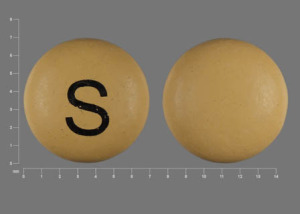
Sanctura Side Effects
Generic name: trospium
Medically reviewed by Drugs.com. Last updated on Jun 5, 2024.
Note: This document provides detailed information about Sanctura Side Effects associated with trospium. Some dosage forms listed on this page may not apply specifically to the brand name Sanctura.
Applies to trospium: oral capsule extended release, oral tablet.
Serious side effects of Sanctura
Along with its needed effects, trospium (the active ingredient contained in Sanctura) may cause some unwanted effects. Although not all of these side effects may occur, if they do occur they may need medical attention.
Check with your doctor immediately if any of the following side effects occur while taking trospium:
More common
- bladder pain
- bloody or cloudy urine
- decrease in the frequency of urination
- decrease in urine volume
- difficult or burning urination
- difficulty in passing urine (dribbling)
- frequent urge to urinate
- lower back or side pain
- painful urination
Less common
- chills
- cough
- diarrhea
- fast, pounding, or irregular heartbeat or pulse
- fever
- general feeling of discomfort or illness
- headache
- joint pain
- loss of appetite
- muscle aches and pains
- nausea
- runny nose
- shivering
- sore throat
- sweating
- trouble sleeping
- unusual tiredness or weakness
- vomiting
Incidence not known
- blistering, peeling, or loosening of the skin
- changes in vision
- clammy skin
- confusion as to time, place, or person
- dark-colored urine
- difficulty with swallowing
- dizziness
- enlarged pupils
- fainting
- fast or slow heartbeat
- hallucinations
- hives
- holding false beliefs that cannot be changed by fact
- increased sensitivity of the eyes to light
- increased sweating, possibly with fever or cold
- itching
- muscle cramps or spasms
- muscle stiffness
- puffiness or swelling of the eyelids or around the eyes, face, lips, or tongue
- red skin lesions, often with a purple center
- red, irritated eyes
- seeing, hearing, or feeling things that are not there
- severe chest pain
- severe headache
- shortness of breath
- skin rash
- sores, ulcers, or white spots in the mouth or on the lips
- stiff or sore neck
- tightness in the chest
- unusual excitement, nervousness, or restlessness
- wheezing
Other side effects of Sanctura
Some side effects of trospium may occur that usually do not need medical attention. These side effects may go away during treatment as your body adjusts to the medicine. Also, your health care professional may be able to tell you about ways to prevent or reduce some of these side effects.
Check with your health care professional if any of the following side effects continue or are bothersome or if you have any questions about them:
More common
Less common
- acid or sour stomach
- belching
- bloated or full feeling
- dry eyes
- excess air or gas in the stomach or intestines
- heartburn
- indigestion
- passing gas
- stomach discomfort, upset, or pain
- stuffy nose
- trouble with urinating
- unable to have a bowel movement (stool)
- upper stomach pain
Incidence not known
- burning feeling in the chest or stomach
- change in taste
- dry throat
- indigestion
- loss of taste
- swelling of the abdomen or stomach area
- tenderness in the stomach area
For healthcare professionals
Applies to trospium: oral capsule extended release, oral tablet.
Cardiovascular
- Uncommon (0.1% to 1%): Tachycardia, chest pain
- Frequency not reported: Tachyarrhythmia
- Postmarketing reports: Palpitations, supraventricular tachycardia, chest pain, syncope, hypertensive crisis[Ref]
Gastrointestinal
- Common (1% to 10%): Abdominal pain, constipation aggravated, dyspepsia, flatulence, nausea, dyspepsia, abdominal distension
- Uncommon (0.1% to 1%): Abdominal distention, vomiting, dry throat, diarrhea
- Postmarketing reports: Gastritis[Ref]
Nervous system
- Common (1% to 10%): Headache
- Uncommon (0.1% to 1%): Dysgeusia
- Rare (less than 0.1%): Dizziness[Ref]
Ocular
- Common (1% to 10%): Dry eyes
- Uncommon (0.1% to 1%): Blurred vision
- Rare (less than 0.1%): Vision disorders
- Postmarketing reports: Vision abnormal[Ref]
Psychiatric
- Postmarketing reports: Confusion, hallucinations, somnolence, delirium, agitation[Ref]
Other
- Common (1% to 10%): Fatigue[Ref]
Dermatologic
- Uncommon (0.1% to 1%): Dry skin
- Rare (0.01% to 0.1%): Rash
- Very rare (less than 0.01%): Angioedema
- Frequency not reported: Pruritus, Stevens-Johnson syndrome (SJS), toxic epidermal necrolysis (TEN)[Ref]
Hypersensitivity
- Frequency not reported: Anaphylactic reaction[Ref]
Immunologic
Musculoskeletal
- Rare (less than 0.1%): Myalgia, arthralgia
- Postmarketing reports: Rhabdomyolysis[Ref]
Hepatic
- Frequency not reported: Mild to moderate increase in serum transaminase levels[Ref]
Respiratory
- Common (1% to 10%): Nasopharyngitis, nasal dryness
- Frequency not reported: Dyspnea[Ref]
References
1. "Product Information. Sanctura (trospium)." Odyssey Pharmaceuticals
2. Lopez Pereira P, Miguelez C, Caffarati J, Estornell F, Anguera A (2003) "Trospium chloride for the treatment of detrusor instability in children." J Urol, 170, p. 1978-81
3. Epstein BJ, Gums JG, Molina E (2006) "Newer agents for the management of overactive bladder." Am Fam Physician, 74, p. 2061-8
More about Sanctura (trospium)
- Check interactions
- Compare alternatives
- Reviews (22)
- Drug images
- Dosage information
- During pregnancy
- FDA approval history
- Drug class: urinary antispasmodics
Patient resources
Other brands
Professional resources
Related treatment guides
Further information
Sanctura side effects can vary depending on the individual. Always consult your healthcare provider to ensure the information displayed on this page applies to your personal circumstances.
Some side effects may not be reported. You may report them to the FDA.