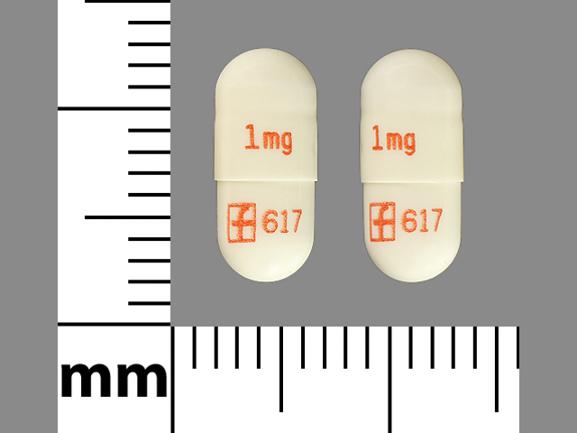
Prograf Side Effects
Generic name: tacrolimus
Medically reviewed by Drugs.com. Last updated on Jan 16, 2025.
Note: This document provides detailed information about Prograf Side Effects associated with tacrolimus. Some dosage forms listed on this page may not apply specifically to the brand name Prograf.
Applies to tacrolimus: oral capsule, oral capsule extended release, oral granule, oral tablet extended release.
Other dosage forms:
Important warnings
This medicine can cause some serious health issues
Oral route (capsule, extended release; capsule; granule)
Increased risk for developing serious infections and malignancies with tacrolimus extended-release or other immunosuppressants that may lead to hospitalization or death.
Increased mortality in female liver transplant patients with tacrolimus extended-release; not approved for use in liver transplantation.Increased risk for developing serious infections and malignancies with tacrolimus oral capsules, oral granules, or other immunosuppressants that may lead to hospitalization or death.
Oral route (tablet, extended release)
Increased risk for developing serious infections and malignancies with tacrolimus extended-release tablets or other immunosuppressants that may lead to hospitalization or death.
Precautions
It is very important that your doctor check your or your child's progress at regular visits to make sure that this medicine is working properly. Blood and urine tests may be needed to check for unwanted effects.
Using this medicine while you are pregnant can harm your unborn baby. It may also cause birth defects if the father is using it when his sexual partner becomes pregnant. If you think you have become pregnant while using this medicine, tell your doctor right away.
Do not use Prograf® together with sirolimus (Rapamune®).
This medicine may increase your risk of getting skin cancer or cancer of the lymph system (lymphoma). Talk to your doctor if you have concerns about this risk.
This medicine may increase your risk of developing infections. Avoid being near people who are sick while you are using this medicine. Wash your hands often. Tell your doctor if you have any kind of infection before you start using this medicine. Tell your doctor if you have ever had an infection that would not go away or an infection that kept coming back.
While you are being treated with tacrolimus (the active ingredient contained in Prograf), and after you stop treatment with it, do not have any immunizations (vaccines) without your doctor's approval. Tacrolimus may lower your body's resistance and the vaccine may not work as well or you might get the infection the vaccine is meant to prevent. In addition, you should not be around other persons living in your household who receive live virus vaccines because there is a chance they could pass the virus on to you. Some examples of live vaccines include measles, mumps, influenza (nasal flu vaccine), poliovirus (oral form), rotavirus, and rubella. Do not get close to them and do not stay in the same room with them for very long. If you have questions about this, talk to your doctor.
This medicine may increase your risk for developing a rare and serious virus infection with the BK polyoma virus. This virus may affect how your kidneys work and cause a transplanted kidney to fail. Check with your doctor right away if you have bloody urine, decreased frequency or amount of urine, increased thirst, loss of appetite, lower back or side pain, nausea, swelling of the face, fingers, or lower legs, trouble breathing, unusual tiredness or weakness, vomiting, or weight gain.
This medicine may increase your risk of developing a serious and rare brain infection called progressive multifocal leukoencephalopathy (PML). Check with your doctor right away if you have vision changes, loss of coordination, clumsiness, confusion, memory loss, difficulty speaking or understanding what others say, or weakness in the legs.
This medicine may cause serious brain or nerve problems (eg, posterior reversible encephalopathy syndrome). Tell your doctor right away if you have blurred vision, confusion, dizziness, headache, mental changes, seizures, high blood pressure, unusual drowsiness, tiredness, or weakness, or a fast heartbeat.
Hyperkalemia (high potassium in the blood) may occur while you are using this medicine. Check with your doctor right away if you have confusion, difficulty with breathing, an irregular heartbeat, nausea or vomiting, nervousness, numbness or tingling in the hands, feet, or lips, stomach pain, or weakness or heaviness of the legs.
Tacrolimus may cause a condition called pure red cell aplasia (PRCA). This is a very rare condition where the body no longer makes red blood cells and the patient has severe anemia. Check with your doctor right away if you have a fever and sore throat, pale skin, unusual bleeding or bruising, or unusual tiredness or weakness.
Tell your doctor if you have African or Hispanic relatives. You may be at an increased risk for diabetes after transplant. If you are African-American, you might need a higher dose of this medicine. Talk to your doctor if you have concerns.
Use sunscreen or sunblock lotion with a sun protection factor (SPF) of at least 15 on a regular basis when you are outdoors. Wear protective clothing and hats, and stay out of direct sunlight between the hours of 10 am and 3 pm. Avoid sunlamps and tanning beds.
If you plan to have children, talk with your doctor before using this medicine. Some men and women using this medicine have become infertile (unable to have children).
This medicine may cause thrombotic microangiopathy (damage in the smallest blood vessels), hemolytic uremic syndrome, and thrombotic thrombocytopenic purpura. Tell your doctor right away if you have a change in mental status, dark or bloody urine, decreased urine output, difficulty speaking, fever, pale color of the skin, pinpoint red spots on the skin, seizures, severe chest pain, sudden weakness in the arms or legs, unusual bleeding or bruising, or yellow eyes or skin.
Do not take other medicines unless they have been discussed with your doctor. This includes prescription or nonprescription (over-the-counter [OTC]) medicines and herbal (eg, cannabidiol, St. John's wort) or vitamin supplements.
Serious side effects of Prograf
Along with its needed effects, tacrolimus may cause some unwanted effects. Although not all of these side effects may occur, if they do occur they may need medical attention.
Check with your doctor immediately if any of the following side effects occur while taking tacrolimus:
More common side effects
- abnormal dreams
- agitation
- chills
- blurred vision
- confusion
- cough
- diarrhea
- dizziness
- dry mouth
- fever
- flushed, dry skin
- frequent urination
- fruit-like breath odor
- general feeling of discomfort or illness
- headache
- increased hunger
- increased thirst
- increased urination
- itching, skin rash
- joint pain
- loss of appetite
- loss of consciousness
- loss of energy or weakness
- mental depression
- muscle pains, trembling, or twitching
- nausea
- pale skin
- runny nose
- seeing or hearing things that are not there
- seizures
- shivering
- sore throat
- stomach pain
- sweating
- swelling of the feet or lower legs
- tingling
- trembling and shaking of the hands
- trouble breathing
- trouble sleeping
- unexplained weight loss
- unusual bleeding or bruising
- unusual tiredness or weakness
- vomiting
Less common side effects
- chest pain
- increased sensitivity to pain
- muscle cramps
- numbness or pain in the legs
- ringing in the ears
Rare side effects
- enlarged heart
- flushing of the face or neck
- weight loss
Incidence not known
- black, tarry stools
- blistering, peeling, or loosening of the skin
- bloating
- bloody nose
- bloody urine
- change in mental status
- constipation
- drowsiness
- fainting
- fast, slow, or irregular heartbeat
- heartburn
- heavier menstrual periods
- indigestion
- joint pain
- lightheadedness
- lower back or side pain
- pain and fullness in the right upper stomach
- pinpoint red spots on the skin
- pounding or rapid pulse
- red skin lesions, often with a purple center
- red, irritated eyes
- skin sores
- ulcers or white spots in the mouth or on the lips
- weakness
- weight gain
- yellow eyes or skin
Other side effects of Prograf
Some side effects of tacrolimus may occur that usually do not need medical attention. These side effects may go away during treatment as your body adjusts to the medicine. Also, your health care professional may be able to tell you about ways to prevent or reduce some of these side effects.
Check with your health care professional if any of the following side effects continue or are bothersome or if you have any questions about them:
More common side effects
- belching
- difficulty with moving
- lack or loss of strength
- muscle stiffness
Less common side effects
- body aches or pain
- burning or stinging of the skin
- cracks in the skin
- crying
- dysphoria
- excessive muscle tone
- false beliefs that cannot be changed by facts
- false or unusual sense of well-being
- feeling of constant movement of self or surroundings
- feeling of unreality
- feeling that others are watching you or controlling your behavior
- feeling that others can hear your thoughts
- increased sensitivity of the skin to sunlight
- large, flat, blue or purplish patches in the skin
- muscle tension or tightness
- painful blisters on the trunk of the body
- painful cold sores or blisters on the lips, nose, eyes, or genitals
- paranoia
- poor insight and judgment
- problems with memory or speech
- quick to react or overreact emotionally
- rapidly changing moods
- redness or other discoloration of the skin
- restlessness
- scaly skin
- sensation of spinning
- sense of detachment from self or body
- severe mood or mental changes
- severe sunburn
- sleepiness or unusual drowsiness
- sore mouth or tongue
- sores on the skin
- swelling or inflammation of the mouth
- tender, swollen glands in the neck
- trouble recognizing objects
- trouble thinking and planning
- trouble walking
- unusual behavior
- white patches in the mouth, tongue, or throat
Incidence not known
- change in color vision
- decreased weight
- difficulty seeing at night
- feeling hot and cold
- hearing loss
See also:
Envarsus XR
Envarsus XR is used for organ transplant, rejection prophylaxis
Astagraf XL
Astagraf XL is used for organ transplant, rejection prophylaxis
Dupixent
Dupixent is used to treat eczema, eosinophilic or oral-corticosteroid-dependent asthma, chronic ...
Gengraf
Gengraf is used for organ transplant, rejection prophylaxis, psoriasis, rheumatoid arthritis
Lupkynis
Lupkynis is used to treat active lupus nephritis in adults with SLE. Lupkynis for lupus is a ...
Neoral
Neoral is used for organ transplant, rejection prophylaxis, psoriasis, rheumatoid arthritis
Sandimmune
Sandimmune is used for organ transplant, rejection prophylaxis
Voclosporin
Voclosporin (brand name Lupkynis) is used to treat active lupus nephritis in adults with SLE ...
Tacrolimus
Tacrolimus is used for crohn's disease, graft versus host disease, nephrotic syndrome, organ ...
Cyclosporine
Cyclosporine is used for cogan's syndrome, crohn's disease, eczema, evan's syndrome, focal ...
For healthcare professionals
Applies to tacrolimus: compounding powder, intravenous solution, oral capsule, oral capsule extended release, oral granule for reconstitution, oral tablet extended release.
General adverse events
Some of the most commonly reported side effects include hypertension, diarrhea, hyperglycemia, anemia, headache, tremor, insomnia, pain, and asthenia.[Ref]
Cardiovascular
- Very common (10% or more): Hypertension (89%), peripheral edema (36%), chest pain (19%), pericardial effusion (15%)
- Frequency not reported: Angina pectoris, bradycardia, cardiac fibrillation, cardiomyopathy, cardiopulmonary failure, deep thrombophlebitis, ECG abnormalities, echocardiogram abnormalities, heart rate decreased, hemorrhage, hypotension, myocardial hypertrophy, peripheral vascular disorder, phlebitis, tachycardia, thrombosis, vasodilation
- Postmarketing reports: Cardiac arrest, myocardial infarction, ventricular fibrillation, congestive cardiac failure, pericardial effusion, supraventricular extrasystoles, supraventricular tachycardia, bradycardia, Torsade de Pointes, QT prolongation[Ref]
Gastrointestinal
- Very common (10% or more): Diarrhea (72%), nausea (46%), constipation (36%), vomiting (29%), dyspepsia (28%)
- Frequency not reported: Abdomen enlarged, duodenitis, dysphagia, esophagitis, flatulence, gastritis, gastroesophagitis, GI hemorrhage, GI perforation, ileus, oral moniliasis, pancreatic pseudocyst, peritonitis, rectal disorder, stomatitis, ulcerative esophagitis, ulcer[Ref]
Metabolic
- Very common (10% or more): Hyperglycemia (70%), hypophosphatemia (49%), hypomagnesemia (48%), hyperkalemia (45%), anorexia (34%), hyperlipidemia (34%), hypokalemia (29%)
- Frequency not reported: Abnormal healing, acidosis, alkalosis, appetite increased, bicarbonate decreased, dehydration, gout, hypercalcemia, hypercholesterolemia, hyperphosphatemia, hyperuricemia, hypervolemia, hypocalcemia, hypoglycemia, hyponatremia, hypoproteinemia, lactic dehydrogenase increased, weight gain[Ref]
Hematologic
- Very common (10% or more): Anemia (65%), leukopenia (48%), leukocytosis (32%), thrombocytopenia (24%)
- Frequency not reported: Coagulation disorder, ecchymosis, hematocrit increased, hemoglobin abnormal, hypochromic anemia, polycythemia, prothrombin decreased, serum iron decreased
- Postmarketing reports: Agranulocytosis, disseminated intravascular coagulation, hemolytic anemia, hemolytic-uremic syndrome, neutropenia, pancytopenia, pure red cell aplasia, thrombocytopenic purpura, thrombotic thrombocytopenic purpura[Ref]
Nervous system
- Very common (10% or more): Headache (64%), tremor (56%), paresthesia (40%), dizziness (19%), fatigue (16%)
- Frequency not reported: Amnesia, aphasia, convulsion, encephalopathy, hemorrhagic stroke, hypertonia, incoordination, monoparesis, myoclonus, nerve compression, nervousness, neuralgia, neuropathy, paralysis flaccid, psychomotor skills impaired, quadriparesis, seizures, somnolence, vertigo, writing impaired
- Postmarketing reports: Coma, dysarthria, posterior reversible encephalopathy syndrome (PRES), progressive multifocal leukoencephalopathy (PML), status epilepticus, quadriplegia, flaccid paralysis, hemiparesis, aphasia, syncope, carpal tunnel syndrome, nerve compression, mutism, dysarthria[Ref]
Psychiatric
- Very common (10% or more): Insomnia (64%)
- Frequency not reported: Abnormal dreams, agitation, anxiety, confusion, crying, depression, emotional lability, hallucinations, mental status changes, mood elevated, nightmares, psychosis, thinking abnormal
- Postmarketing reports: Mutism[Ref]
Other
- Very common (10% or more): Pain (63%), asthenia (54%), fever (48%)
- Frequency not reported: Abscess, accidental injury, chills, ear pain, fall, feeling abnormal, generalized edema, hernia, otitis media, sepsis, temperature intolerance, tinnitus[Ref]
Renal
- Very common (10% or more): Serum creatinine increased (45%), BUN increased (30%)
- Frequency not reported: BK nephropathy, hydronephrosis, renal failure, toxic nephropathy, tubular necrosis[Ref]
Respiratory
- Very common (10% or more): Pleural effusion (36%), dyspnea (29%), atelectasis (28%), cough increased (18%), bronchitis (17%)
- Frequency not reported: Asthma, emphysema, hiccups, lung disorder, pharyngitis, pneumonia, pneumothorax, pulmonary edema, rhinitis, sinusitis, voice changes
- Postmarketing reports: Interstitial lung disease, pulmonary hypertension, lung infiltration, hiccups[Ref]
Hepatic
- Very common (10% or more): Liver function tests abnormal (36%)
- Frequency not reported: Cholangitis, cholestatic jaundice, GGT increased, granulomatous hepatitis, hepatitis, jaundice[Ref]
Dermatologic
- Very common (10% or more): Pruritus (36%), rash (24%)
- Frequency not reported: Alopecia, cellulitis, hirsutism, photosensitivity, sweating
- Postmarketing reports: Hyperpigmentation[Ref]
Genitourinary
- Very common (10% or more): Urinary tract infection (34%), oliguria (19%)
- Frequency not reported: Albuminuria, bladder spasm, cystitis, dysuria, hematuria, nocturia, pyuria, urge incontinence, urinary frequency, urinary incontinence, urinary retention, vaginitis, hemorrhagic cystitis, urinary retention[Ref]
Immunologic
- Very common (10% or more): Cytomegalovirus infection (12%)
- Frequency not reported: Flu syndrome, graft versus host disease (acute and chronic)[Ref]
Oncologic
- Postmarketing reports: Epstein-Barr virus associated lymphoproliferative disorder, hepatosplenic T-cell lymphoma, leukemia, lymphoma, melanoma, post-transplant lymphoproliferative disorder (PTLD)[Ref]
Musculoskeletal
- Frequency not reported: Arthralgia, generalized spasm, joint disorder, leg cramps, mobility decreased, myasthenia, myalgia, osteoporosis
- Postmarketing reports: Rhabdomyolysis, polyarthritis, pain in extremity including Calcineurin-Inhibitor Induced Pain Syndrome (CIPS)[Ref]
Hypersensitivity
- Frequency not reported: Hypersensitivity, Stevens-Johnson syndrome, toxic epidermal necrolysis, urticaria[Ref]
Ocular
- Frequency not reported: Abnormal vision, amblyopia, blindness, optic atrophy, photophobia[Ref]
References
1. (2001) "Product Information. Prograf (tacrolimus)." Fujisawa
2. Cerner Multum, Inc. "UK Summary of Product Characteristics."
3. Cerner Multum, Inc. "Australian Product Information."
Frequently asked questions
More about Prograf (tacrolimus)
- Check interactions
- Compare alternatives
- Pricing & coupons
- Reviews (28)
- Drug images
- Latest FDA alerts (2)
- Dosage information
- During pregnancy
- Generic availability
- FDA approval history
- Drug class: calcineurin inhibitors
- Breastfeeding
- En español
Patient resources
- Prograf drug information
- Prograf (Tacrolimus Intravenous) (Advanced Reading)
- Prograf (Tacrolimus Oral) (Advanced Reading)
Other brands
Envarsus XR, Astagraf XL, Hecoria
Professional resources
Other brands
Related treatment guides
Further information
Prograf side effects can vary depending on the individual. Always consult your healthcare provider to ensure the information displayed on this page applies to your personal circumstances.
Note: Medication side effects may be underreported. If you are experiencing side effects that are not listed, submit a report to the FDA by following this guide.