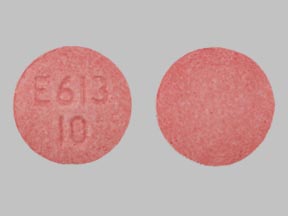
Opana Side Effects
Generic name: oxymorphone
Medically reviewed by Drugs.com. Last updated on Mar 4, 2024.
Note: This document contains side effect information about oxymorphone. Some dosage forms listed on this page may not apply to the brand name Opana.
Applies to oxymorphone: oral tablet, oral tablet extended release.
Warning
Oral route (Tablet; Tablet, Extended Release)
Addiction, Abuse, and MisuseOxymorphone exposes patients and other users to the risks of opioid addiction, abuse, and misuse, which can lead to overdose and death. Assess each patient's risk prior to prescribing oxymorphone, and monitor all patients regularly for the development of these behaviors and conditions Opioid Analgesic Risk Evaluation and Mitigation Strategy (REMS)To ensure that the benefits of opioid analgesics outweigh the risks of addiction, abuse, and misuse, the Food and Drug Administration (FDA) has required a REMS for these products. Under the requirements of the REMS, drug companies with approved opioid analgesic products must make REMS-compliant education programs available to healthcare providers. Healthcare providers are strongly encouraged to complete a REMS-compliant education program, counsel patients and/or their caregivers, with every prescription, on safe use, serious risks, storage, and disposal of these products, emphasize to patients and their caregivers the importance of reading the Medication Guide every time it is provided by their pharmacist, and consider other tools to improve patient, household, and community safety.Life-Threatening Respiratory DepressionSerious, life-threatening, or fatal respiratory depression may occur with use of oxymorphone. Monitor for respiratory depression, especially during initiation of oxymorphone or following a dose increase Instruct patients to swallow oxymorphone extended-release (ER) tablets whole; crushing, chewing, or dissolving oxymorphone ER tablets can cause rapid release and absorption of a potentially fatal dose of oxymorphone.Accidental IngestionAccidental ingestion of even one dose of oxymorphone, especially by children, can result in a fatal overdose of oxymorphone.Neonatal Opioid Withdrawal SyndromeProlonged use of oxymorphone during pregnancy can result in neonatal opioid withdrawal syndrome, which may be life-threatening if not recognized and treated, and requires management according to protocols developed by neonatology experts. If opioid use is required for a prolonged period in a pregnant woman, advise the patient of the risk of neonatal opioid withdrawal syndrome and ensure that appropriate treatment will be available.Interaction with AlcoholInstruct patients not to consume alcoholic beverages or use prescription or non-prescription products that contain alcohol while taking oxymorphone. The co-ingestion of alcohol with oxymorphone may result in increased plasma levels and a potentially fatal overdose of oxymorphone.Risks from Concomitant Use with Benzodiazepines or Other CNS DepressantsConcomitant use of opioids with benzodiazepines or other central nervous system (CNS) depressants, including alcohol, may result in profound sedation, respiratory depression, coma, and death. Reserve concomitant prescribing of oxymorphone and benzodiazepines or other CNS depressants for use in patients for whom alternative treatment options are inadequate. Limit dosages and durations to the minimum required. Follow patients for signs and symptoms of respiratory depression and sedation.
Serious side effects of Opana
Along with its needed effects, oxymorphone (the active ingredient contained in Opana) may cause some unwanted effects. Although not all of these side effects may occur, if they do occur they may need medical attention.
Check with your doctor immediately if any of the following side effects occur while taking oxymorphone:
Less common
- Blurred vision
- confusion
- decreased urination
- difficult or labored breathing
- dizziness, faintness, or lightheadedness when getting up suddenly from a lying or sitting position
- dry mouth
- fast, pounding, racing, or irregular heartbeat or pulse
- headache
- nervousness
- pounding in the ears
- rapid breathing
- sunken eyes
- sweating
- swelling of the hands, ankles, or feet
- thirst
- tightness in the chest
- unusual tiredness or weakness
- wrinkled skin
Rare
- Chest pain or discomfort
- chills
- cold sweats
- confusion about identity, place, and time
- cough
- decrease in consciousness
- deep or fast breathing with dizziness
- difficulty in passing urine (dribbling)
- difficulty with sleeping
- difficulty with swallowing
- drowsiness to profound loss of consciousness
- fever
- hives, itching, or skin rash
- hoarseness
- irregular, slow, or shallow breathing
- irritability
- irritation
- joint pain, stiffness, or swelling
- numbness of the feet, hands, and around the mouth
- painful urination
- pale or blue lips, fingernails, or skin
- puffiness or swelling of the eyelids or around the eyes, face, lips, or tongue
- redness of the skin
- restlessness
- seeing, hearing, or feeling things that are not there
- severe constipation
- severe vomiting
- stomach pain
- shaking
- trouble in holding or releasing urine
- unusual drowsiness, dullness, or feeling of sluggishness
Incidence not known
- Agitation
- darkening of the skin
- diarrhea
- large, hive-like swelling on the face, eyelids, lips, tongue, throat, hands, legs, feet, or genitals
- loss of appetite
- mental depression
- nausea
- overactive reflexes
- poor coordination
- seizures
- shivering
- talking or acting with excitement you cannot control
- twitching
- vomiting
Get emergency help immediately if any of the following symptoms of overdose occur while taking oxymorphone:
Symptoms of overdose
- Change in consciousness
- cold and clammy skin
- constricted, pinpoint, or small pupils (black part of the eye)
- decreased awareness or responsiveness
- difficult or trouble breathing
- irregular, fast, slow, or shallow breathing
- loss of consciousness
- low blood pressure or pulse
- muscle weakness
- pale or blue lips, fingernails, or skin
- severe sleepiness or unusual drowsiness
Other side effects of Opana
Some side effects of oxymorphone may occur that usually do not need medical attention. These side effects may go away during treatment as your body adjusts to the medicine. Also, your health care professional may be able to tell you about ways to prevent or reduce some of these side effects.
Check with your health care professional if any of the following side effects continue or are bothersome or if you have any questions about them:
More common
- Difficulty having a bowel movement
- feeling of constant movement of self or surroundings
- relaxed and calm
- sensation of spinning
- sleepiness
Less common
- Belching
- decreased weight
- discouragement
- excess air or gas in the stomach or bowels
- feeling of warmth
- feeling sad or empty
- full or bloated feeling
- heartburn
- indigestion
- lack of appetite
- loss of interest or pleasure
- passing gas
- pressure in the stomach
- redness of the face, neck, arms, and occasionally, upper chest
- stomach discomfort or upset
- swelling of the stomach area
- tiredness
- trouble concentrating
Rare
- Blistering, crusting, irritation, itching, or reddening of the skin
- cracked, dry, scaly skin
- difficulty with thinking or concentrating
- disturbed color perception
- double vision
- false or unusual sense of well-being
- feeling jittery
- halos around lights
- loss of vision
- night blindness
- nightmares or unusually vivid dreams
- overbright appearance of lights
- sudden sweating
- tunnel vision
- welts
Incidence not known
- Forgetfulness
- loss of memory
- problems with memory
For Healthcare Professionals
Applies to oxymorphone: injectable solution, oral tablet, oral tablet extended release, rectal suppository.
General
The most commonly reported adverse reactions included nausea, pyrexia, somnolence, vomiting, pruritus, headache, dizziness, constipation, and confusion. Additionally, the following adverse events were reported with the extended release tablet, diarrhea, insomnia, fatigue, decreased appetite and abdominal pain.[Ref]
Gastrointestinal
Very common (10% or more): Constipation (up to 26%), nausea (up to 33%), vomiting (up to 16%)
Common (1% to 10%): Dry mouth, abdominal distention, flatulence, abdominal pain, diarrhea, dyspepsia
Frequency not reported: Paralytic ileus, ileus
Postmarketing reports: Difficulty swallowing tablets[Ref]
Respiratory
Common (1% to 10%): Hypoxia, dyspnea
Frequency not reported: Respiratory depression, atelectasis, bronchospasm, decreased oxygen saturation, respiratory distress, respiratory rate decreased
laryngospasm, laryngeal edema, apnea[Ref]
Nervous system
Very common (10% or more): Somnolence (up to 19%), dizziness (excluding vertigo; up to 18%)
Common (1% to 10%): Headache, confusion
Frequency not reported: Sedation, CNS depression
Postmarketing reports: Amnesia, convulsion, memory impairment[Ref]
Hypersensitivity
Frequency not reported: Hypersensitivity including dermatitis allergic, urticaria, pruritus, face swelling[Ref]
Cardiovascular
Common (1% to 10%): Tachycardia, hypotension, edema, flushing, hypertension
Frequency not reported: Bradycardia, palpitations, orthostatic hypotension, syncope[Ref]
Psychiatric
Common (1% to 10%): Anxiety, insomnia, confusion, disorientation, restlessness, nervousness, depression
Frequency not reported: Mental impairment, dysphoria, euphoric mood, agitation, hallucination, drug dependence, drug abuse, feeling jittery[Ref]
Genitourinary
Frequency not reported: Ureteral spasm, urinary hesitation, urinary retention, oliguria, difficult micturition[Ref]
Dermatologic
Very common (10% or more): Pruritus (up to 15%)
Common (1% to 10%): Increased sweating
Frequency not reported: Dermatitis[Ref]
Metabolic
Common (1% to 10%): Decreased appetite, dehydration, decreased weight
Frequency not reported: Anorexia[Ref]
Hepatic
Frequency not reported: Biliary colic[Ref]
Other
Very common (10% or more): Pyrexia (14%)
Frequency not reported: Fatigue, asthenia, hot flashes, clamminess, weakness[Ref]
Ocular
Common (1% to 10%): Vision blurred
Frequency not reported: Miosis, diplopia, visual disturbances[Ref]
Local
Frequency not reported: Injection site reaction[Ref]
Frequently asked questions
More about Opana (oxymorphone)
- Check interactions
- Compare alternatives
- Reviews (88)
- Drug images
- Latest FDA alerts (3)
- Dosage information
- During pregnancy
- FDA approval history
- Drug class: Opioids (narcotic analgesics)
- Breastfeeding
Patient resources
Other brands
Professional resources
Other brands
Related treatment guides
References
1. Product Information. Opana (oxymorphone). Endo Laboratories LLC. 2006.
2. Product Information. Opana ER (oxymorphone). Endo Laboratories LLC. 2006.
Further information
Always consult your healthcare provider to ensure the information displayed on this page applies to your personal circumstances.
Some side effects may not be reported. You may report them to the FDA.