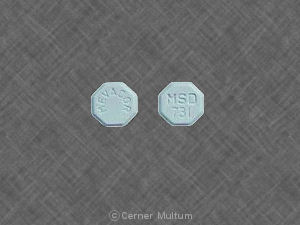
Mevacor Side Effects
Generic name: lovastatin
Medically reviewed by Drugs.com. Last updated on Aug 22, 2024.
Note: This document provides detailed information about Mevacor Side Effects associated with lovastatin. Some dosage forms listed on this page may not apply specifically to the brand name Mevacor.
Applies to lovastatin: oral tablet, oral tablet extended release.
Serious side effects of Mevacor
Along with its needed effects, lovastatin (the active ingredient contained in Mevacor) may cause some unwanted effects. Although not all of these side effects may occur, if they do occur they may need medical attention.
Check with your doctor immediately if any of the following side effects occur while taking lovastatin:
Less common
- bladder pain
- bloody or cloudy urine
- chest tightness
- cough
- dark urine
- difficult, burning, or painful urination
- difficulty with moving
- fever
- frequent urge to urinate
- headache
- joint pain or swelling
- lower back or side pain
- muscle ache, cramp, spasm, stiffness, pain, tenderness, or weakness
- pain or tenderness around the eyes and cheekbones
- stuffy or runny nose
- swollen joints
- trouble breathing
- unusual tiredness or weakness
Incidence not known
- bloating
- chills
- constipation
- diarrhea
- difficulty swallowing
- dizziness
- fast heartbeat
- general tiredness and weakness
- hives, itching, skin rash
- indigestion
- light-colored stools
- loss of appetite
- nausea
- pains in the stomach, side, or abdomen, possibly radiating to the back
- puffiness or swelling of the eyelids or around the eyes, face, lips, or tongue
- red skin lesions, often with a purple center
- red, irritated eyes
- sore throat
- sores, ulcers, or white spots in the mouth or on the lips
- upper right abdominal or stomach pain
- vomiting
- yellow eyes or skin
Other side effects of Mevacor
Some side effects of lovastatin may occur that usually do not need medical attention. These side effects may go away during treatment as your body adjusts to the medicine. Also, your health care professional may be able to tell you about ways to prevent or reduce some of these side effects.
Check with your health care professional if any of the following side effects continue or are bothersome or if you have any questions about them:
Less common
- belching
- bloated or full feeling
- blurred vision
- difficulty having a bowel movement
- dizziness
- excess air or gas in the stomach or bowels
- heartburn
- lack or loss of strength
- passing gas
- stomach discomfort, upset, or pain
Incidence not known
- burning, crawling, itching, numbness, prickling, "pins and needles", or tingling feelings
- change in taste
- changes to the hair or nails
- confusion
- decreased interest in sexual intercourse
- depression
- discoloration or dryness of the skin or mucous membrane
- false sense of well-being
- fear or nervousness
- feeling of constant movement of self or surroundings
- forgetfulness
- inability to have or keep an erection
- loss in sexual ability, desire, drive, or performance
- loss of libido
- memory loss
- mood swings
- partial or slight paralysis of the face
- personality changes
- sensation of spinning
- swelling of the breasts or breast soreness in both females and males
- tremor
- trouble sleeping
- unsteadiness or awkwardness
- weakness in the arms, hands, legs, or feet
- white area over the eye
For healthcare professionals
Applies to lovastatin: oral tablet, oral tablet extended release.
Hepatic
- Common (1% to 10%): Elevations in liver function tests
- Frequency not reported: Hepatitis (including chronic active hepatitis), cholestatic jaundice, fatty change in the liver, cirrhosis, fulminant hepatic necrosis[Ref]
Persistent elevations in liver function tests to three times normal values have been reported in up to 2% of patients on lovastatin in clinical trials. Overall, 1.5% of patients were withdrawn from study due to elevations in serum transaminases. While most patients remained asymptomatic with these elevations, cases of cholestatic jaundice and hepatitis have been reported.
Liver function tests should be closely monitored. Lovastatin should be discontinued in patients with persistent, significant elevations (three times the upper limit of normal) in liver function parameters.[Ref]
Gastrointestinal
- Common (1% to 10%): Flatulence, abdominal pain, diarrhea, constipation, nausea
- Frequency not reported: Dyspepsia, heartburn, anorexia, vomiting
- Postmarketing reports: Abdominal discomfort[Ref]
Gastrointestinal side effects are among the most common complaints in patients on lovastatin. These effects tend to be mild and transient in nature and will often dissipate with continued therapy.[Ref]
Musculoskeletal
- Frequency not reported: Elevations in creatine kinase, muscle cramps, myopathy, rhabdomyolysis, arthralgia, myalgia, tendon rupture, dermatomyositis[Ref]
HMG-CoA reductase inhibitors (statins) have been associated with rare cases of severe myopathy and rhabdomyolysis, accompanied by increases in creatine kinase, myoglobinuria, proteinuria, and renal failure. These conditions appear to be dose related, usually occurring with doses greater than 30 mg per day. The incidence and severity of myopathy may be increased by concomitant administration of lovastatin with drugs that can cause myopathy when given alone, such as gemfibrozil and other fibrates, niacin, and potent inhibitors of CYP450 3A4 (i.e., cyclosporine, antifungal azoles, macrolide antibiotics, large amounts of grapefruit juice). Other variables associated with an increased risk of statin-induced myopathy include, advanced age, small body stature, female gender, renal and/or hepatic dysfunction, perioperative periods, hypothyroidism, diabetes mellitus, and alcoholism.
Milder forms of myotoxicity (i.e., myalgia) are commonly reported and occur in approximately 5% to 7% of patients taking a statin drug.
Patients should be instructed to report promptly symptoms of muscle pain, weakness, or tenderness. If such symptoms develop, creatine kinase should be measured, and if markedly elevated, lovastatin should be discontinued. The value of routine monitoring of creatine kinase is not known. In some studies up to 11% of patients experienced elevations in creatine kinase while on lovastatin. In most cases these elevations were mild, transient, and not associated with clinical symptoms.
Itraconazole used concomitantly with lovastatin has led to one reported case of severe rhabdomyolysis in a 63-year-old woman. Caution should be exercised when HMG-CoA reductase inhibitors and azole antifungals are prescribed concurrently.
Exposure to HMG-CoA reductase inhibitors is associated with a decreased risk of bone fractures in persons older than 50.[Ref]
Hematologic
- Frequency not reported: Hemolytic anemia, thrombocytopenia, thrombotic thrombocytopenic purpura (TTP), leukopenia (These effects may be manifestations of a hypersensitivity reaction)[Ref]
Nervous system
- Common (1% to 10%): Headache, dizziness
- Frequency not reported: Cranial nerve dysfunction, tremor, vertigo, memory loss, drowsiness, weight loss, decline in cognitive function, paresthesias, peripheral neuropathy, peripheral nerve palsy
- Postmarketing reports: Asthenia, fatigue, malaise, hypoesthesia, insomnia[Ref]
Renal
- Frequency not reported: Acute renal failure secondary to rhabdomyolysis[Ref]
Dermatologic
- Frequency not reported: Rash, pruritus, erythema multiforme, Stevens-Johnson syndrome, toxic epidermal necrolysis, photosensitivity, purpura, alopecia (These effects may be manifestations of a hypersensitivity reaction)[Ref]
Endocrine
- Frequency not reported: Hypospermia, gynecomastia, thyroid dysfunction, acid maltase deficiency (the genetic disorder also referred to as Pompe's Disease), pancreatitis[Ref]
Hypersensitivity
- Frequency not reported: Anaphylaxis, angioedema, lupus erythematous-like syndrome, polymyalgia rheumatic, dermatomyositis, vasculitis, purpura, thrombocytopenia, leukopenia, hemolytic anemia, positive ANA, ESR increase, eosinophilia, arthritis, arthralgia, urticaria, asthenia, photosensitivity, fever (including severe hyperthermia), chills, flushing, malaise, dyspnea, toxic epidermal necrolysis[Ref]
Immunologic
- Frequency not reported: Lupus-like syndrome with positive ANA and elevated ESR, polymyalgia rheumatica, vasculitis[Ref]
Ocular
- Frequency not reported: Progression of cataracts, ophthalmoplegia[Ref]
Metabolic
- Very rare (less than 0.01%): Hyperkalemia[Ref]
Psychiatric
- Frequency not reported: Decreased libido, anxiety, insomnia, depression, suicidal thoughts, delusions, paranoia, agitation, nightmares[Ref]
Genitourinary
- Frequency not reported: Erectile dysfunction, impotence, testicular pain[Ref]
Halkin, et al report a case in which use of both lovastatin and pravastatin on different occasions in the same patient led to reversible impotence. The impotence resolved within 2 weeks after discontinuation of the HMG-CoA reductase inhibitor.[Ref]
Oncologic
- Frequency not reported: Tumor growth, hepatocellular carcinomas and adenomas. pulmonary adenomas (all in rodents)[Ref]
Respiratory
- Postmarketing reports: Interstitial lung disease
References
1. Arnon R, Eisenberg S (1992) "Lovastatin-induced hepatitis." Isr J Med Sci, 28, p. 101-2
2. (1993) "Lovastatin 5-year safety and efficacy study. Lovastatin Study Groups I through IV." Arch Intern Med, 153, p. 1079-87
3. Geddes JA (1990) "Cholestatic jaundice associated with lovastatin (mevacor) therapy." Can Med Assoc J, 143, p. 13-4
4. McQueen MJ (1990) "Cholestatic jaundice associated with lovastatin (Mevacor) therapy." Can Med Assoc J, 142, p. 841-2
5. Frishman WH, Rapier RC (1989) "Lovastatin: an HMG-CoA reductase inhibitor for lowering cholesterol." Med Clin North Am, 73, p. 437-48
6. Bilheimer DW (1990) "Long-term clinical tolerance of lovastatin and simvastatin." Cardiology, 77, p. 58-65
7. (2002) "Product Information. Mevacor (lovastatin)." Merck & Co., Inc
8. Grimbert S, Pessayre D, Degott C, Benhamou JP (1994) "Acute hepatitis induced by HMG-coa reductase inhibitor, lovastatin." Dig Dis Sci, 39, p. 2032-3
9. Downs JR, Clearfield M, Tyroler HA, Whitney EJ, Kruyer W, Langendorfer A, Zagrebelsky V, Weis S, Shapiro DR, Beere PA, Gotto (2001) "Air Force/Texas Coronary Atherosclerosis Prevention Study (AFCAPS/TexCAPS): Additional perspectives on tolerability of long-term treatment with lovastatin." Am J Cardiol, 87, p. 1074-9
10. Stein EA, Illingworth DR, Kwiterovich PO, et al. (1999) "Efficacy and safety of lovastatin in adolescent males with heterozygous familial hypercholesterolemia: a randomized trial." JAMA, 281, p. 137-44
11. Pierce LR, Wysowski DK, Gross TP (1990) "Myopathy and rhabdomyolysis associated with lovastatin-gemfibrozil combination therapy." JAMA, 264, p. 71-5
12. Corpier CL, Jones PH, Suki WN, et al. (1988) "Rhabdomyolysis and renal injury with lovastatin use. Report of two cases in cardiac transplant recipients." JAMA, 260, p. 239-41
13. East C, Alivizatos PA, Grundy SM, Jones PH, Farmer JA (1988) "Rhabdomyolysis in patients receiving lovastatin after cardiac transplantation." N Engl J Med, 318, p. 47-8
14. Wallace CS, Mueller BA (1992) "Lovastatin-induced rhabdomyolysis in the absence of concomitant drugs." Ann Pharmacother, 26, p. 190-2
15. Fernandezzatarain G, Navarro V, Garcia H, Villatoro J, Calvo C (1994) "Rhabdomyolysis and acute renal failure associated with lovastatin." Nephron, 66, p. 483-4
16. Lees RS, Lees AM (1995) "Rhabdomyolysis from the coadministration of lovastatin and the antifungal agent itraconazole." N Engl J Med, 333, p. 664-5
17. Ahmand S (1995) "Lovastatin-induced myopathy in a hypothyroid patient." J Fam Pract, 41, p. 227-8
18. Grunden JW, Fisher KA (1997) "Lovastatin-induced rhabdomyolysis possibly associated with clarithromycin and azithromycin." Ann Pharmacother, 31, p. 859-63
19. Meier CR, Schlienger RG, Kraenzlin ME, Schlegel B, Jick H (2000) "HMG-CoA reductase inhibitors and the risk of fractures." JAMA, 283, p. 3205-10
20. (2002) "Product Information. Advicor (lovastatin-niacin)." Kos Pharmaceuticals
21. Omar MA, Wilson JP (2002) "FDA adverse event reports on statin-associated rhabdomyolysis." Ann Pharmacother, 36, p. 288-95
22. (2002) "Summaries for patients. Muscle abnormalities in four patients taking statins to treat unfavorable cholesterol levels." Ann Intern Med, 137, I45
23. Grundy SM (2002) "Can statins cause chronic low-grade myopathy?" Ann Intern Med, 137, p. 617-8
24. Sinzinger H, Wolfram R, Peskar BA (2002) "Muscular side effects of statins." J Cardiovasc Pharmacol, 40, p. 163-71
25. Bennett WE, Drake AJ, Shakir KM (2003) "Reversible Myopathy after Statin Therapy in Patients with Normal Creatine Kinase Levels." Ann Intern Med, 138, p. 436-437
26. Graham DJ, Staffa JA, Shatin D, et al. (2004) "Incidence of hospitalized rhabdomyolysis in patients treated with lipid-lowering drugs." JAMA, 292, p. 2585-90
27. Gonyeau MJ (2005) "Statins and osteoporosis: a clinical review." Pharmacotherapy, 25, p. 228-43
28. Finsterer J, Zuntner G (2005) "Rhabdomyolysis from Simvastatin triggered by infection and muscle exertion." South Med J, 98, p. 827-9
29. Mukhtar RY, Reckless JP (2005) "Statin-induced myositis: a commonly encountered or rare side effect?" Curr Opin Lipidol, 16, p. 640-7
30. Arora R, Liebo M, Maldonado F (2006) "Statin-induced myopathy: the two faces of Janus." J Cardiovasc Pharmacol Ther, 11, p. 105-12
31. Robbins MJ, Iqbal A, Hershman R (1995) "Lovastatin-induced hemolytic anemia: not a class-specific reaction." Am J Med, 99, p. 328-9
32. Sundram F, Roberts P, Kennedy B, Pavord S (2004) "Thrombotic thrombocytopenic purpura associated with statin treatment." Postgrad Med J, 80, p. 551-2
33. Vgontzas AN, Kales A, Bixler EO, Manfredi RL, Tyson KL (1991) "Effects of lovastatin and pravastatin on sleep efficiency and sleep stages." Clin Pharmacol Ther, 50, p. 730-7
34. Jacobs MB (1994) "HMG-CoA reductase inhibitor therapy and peripheral neuropathy." Ann Intern Med, 120, p. 970
35. Muller T, Kuhn W, Pohlau D, Przuntek H (1995) "Parkinsonism unmasked by lovastatin." Ann Neurol, 37, p. 685-6
36. Tobert JA (1995) "Lovastatin-associated sleep and mood disturbances." Am J Med, 99, p. 108-9
37. Ahmad S (1995) "Lovastatin and peripheral neuropathy." Am Heart J, 130, p. 1321
38. Gaist D, Jeppesen U, Andersen M, Garcia Rodriguez LA, Hallas J, Sindrup SH (2002) "Statins and risk of polyneuropathy: a case-control study." Neurology, 58, p. 1333-7
39. Muldoon MF, Ryan CM, Sereika SM, Flory JD, Manuck SB (2004) "Randomized trial of the effects of simvastatin on cognitive functioning in hypercholesterolemic adults." Am J Med, 117, p. 823-9
40. Galatti L, Polimeni G, Salvo F, Romani M, Sessa A, Spina E (2006) "Short-term memory loss associated with rosuvastatin." Pharmacotherapy, 26, p. 1190-2
41. Padala KP, Padala PR, Potter JF (2006) "Simvastatin-induced decline in cognition." Ann Pharmacother, 40, p. 1880-3
42. Vanpuijenbroek EP, Dubufvereijken PWG, Spooren PFMJ, Vandoormaal JJ (1996) "Possible increased risk of rhabdomyolysis during concomitant use of simvastatin and gemfibrozil." J Intern Med, 240, p. 403-4
43. van Puijenbroek EP, Du Buf-Vereijken PW, Spooren PF, van Doormaal JJ (1996) "Possible increased risk of rhabdomyolysis during concomitant use of simvastatin and gemfibrozil." J Intern Med, 240, p. 403-4
44. Alvarez JM, Rawdanowiz TJ, Goldstein J (1998) "Rhadbdomyolysis after coronary artery bypass grafting in a patient receiving simvastatin." J Thorac Cardiovasc Surg, 116, p. 654-5
45. Hildebrand RD, Hepperlen TW (1990) "Lovastatin and hypospermia." Ann Intern Med, 112, p. 549-50
46. Vonpohle WR (1994) "Recurrent hyperthermia due to lovastatin." West J Med, 161, p. 427-8
47. Ahmad S (1991) "Lovastatin-induced lupus erythematosus." Arch Intern Med, 151, p. 1667-8
48. Laties AM, Shear CL, Lippa EA, Gould AL, Taylor HR, Hurley DP, Stephenson WP, Keates EU, Tupy-Visich MA, Chremos AN (1991) "Expanded clinical evaluation of lovastatin (EXCEL) study results. II. Assessment of the human lens after 48 weeks of treatment with lovastatin." Am J Cardiol, 67, p. 447-53
49. Edelman S, Witztum JL (1989) "Hyperkalemia during treatment with HMG-CoA reductase inhibitor ." N Engl J Med, 320, p. 1219-20
50. Rosenson RS, Goranson NL (1993) "Lovastatin-associated sleep and mood disturbances." Am J Med, 95, p. 548-9
51. Morales K, Wittink M, Datto C, et al. (2006) "Simvastatin causes changes in affective processes in elderly volunteers." J Am Geriatr Soc, 54, p. 70-6
52. Gregoor PJ (2006) "Atorvastatin may cause nightmares." BMJ, 332, p. 950
53. Halkin A, Lossos IS, Mevorach D (1996) "HMG-CoA reductase inhibitor-induced impotence." Ann Pharmacother, 30, p. 192
54. Linnebur SA, Hiatt WH (2007) "Probable Statin-Induced Testicular Pain (January)." Ann Pharmacother
55. Newman TB, Hulley SB (1996) "Carcinogenicity of lipid-lowering drugs." JAMA, 275, p. 55-60
56. Bjerre LM, LeLorier J (2001) "Do statins cause cancer? A meta-analysis of large randomized clinical trials." Am J Med, 110, p. 716-23
Frequently asked questions
More about Mevacor (lovastatin)
- Check interactions
- Compare alternatives
- Reviews (3)
- Drug images
- Latest FDA alerts (3)
- Dosage information
- During pregnancy
- Drug class: statins
- Breastfeeding
Patient resources
Other brands
Professional resources
Other brands
Related treatment guides
Further information
Mevacor side effects can vary depending on the individual. Always consult your healthcare provider to ensure the information displayed on this page applies to your personal circumstances.
Some side effects may not be reported. You may report them to the FDA.