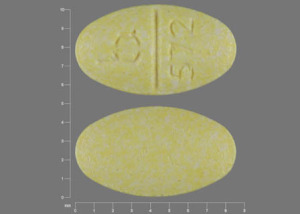
Methotrexate Side Effects
Applies to methotrexate: oral solution, oral tablet.
Other dosage forms:
Important warnings
This medicine can cause some serious health issues
Precautions
It is very important that your doctor check your progress at regular visits to make sure this medicine is working properly and to check for unwanted effects. Blood and urine tests may be needed to check for unwanted effects.
Using this medicine while you are pregnant can harm your unborn baby. The medicine may also cause birth defects if it is used by the father when his sexual partner becomes pregnant. If you are a woman who can bear children, your doctor may give you a pregnancy test before you start using this medicine to make sure you are not pregnant. Female patients should use an effective form of birth control during treatment and for at least 3 or 6 months after the last dose. Male patients who have female partners should use an effective form of birth control during treatment and for at least 3 months after the last dose. Tell your doctor right away if pregnancy occurs while you are using this medicine.
This medicine may cause serious allergic reactions, including anaphylaxis, which may be life-threatening and require immediate medical attention. Check with your doctor right away if you have a rash, itching, dizziness, fainting, fast heartbeat, trouble breathing or swallowing, or chest tightness while you are using this medicine.
Talk with your doctor before using this medicine if you plan to have children. Some men and women who use this medicine have become infertile (unable to have children).
Limit alcohol use with this medicine. Alcohol may increase the risk for liver problems.
Check with your doctor right away if you have pain or tenderness in the upper stomach, pale stools, dark urine, loss of appetite, nausea, vomiting, or yellow eyes or skin. These could be symptoms of a serious liver problem.
Methotrexate can lower the number of white blood cells in your blood, which increases the chance of getting an infection. It can also lower the number of platelets, which are necessary for proper blood clotting. If this occurs, there are certain precautions you can take, especially when your blood count is low, to reduce the risk of infection or bleeding:
- If you can, avoid people with infections. Check with your doctor immediately if you think you are getting an infection or if you get a fever or chills, cough or hoarseness, lower back or side pain, or painful or difficult urination.
- Check with your doctor immediately if you notice any unusual bleeding or bruising, black, tarry stools, blood in the urine or stools, or pinpoint red spots on your skin.
- Be careful when using a regular toothbrush, dental floss, or toothpick. Your medical doctor, dentist, or nurse may recommend other ways to clean your teeth and gums. Check with your medical doctor before having any dental work done.
- Do not touch your eyes or the inside of your nose unless you have just washed your hands and have not touched anything else in the meantime.
- Be careful not to cut yourself when you are using sharp objects such as a safety razor or fingernail or toenail cutters.
- Avoid contact sports or other situations where bruising or injury could occur.
This medicine may cause stomach and bowel problems. Check with your doctor right away if you have stomach pain, black, tarry stools, constipation, diarrhea, loss of appetite, nausea, pain in the back of the throat or chest when swallowing, or vomiting blood or material that looks like coffee grounds.
Check with your doctor right away if you have cough, fever, or trouble breathing. These could be symptoms of a serious lung or breathing problems (eg, acute or chronic interstitial pneumonitis).
While you are being treated with methotrexate, and after you stop treatment with it, do not have any immunizations (vaccines) without your doctor's approval. Methotrexate may lower your body's resistance and the vaccine may not work as well or you might get the infection the vaccine is meant to prevent. In addition, you should not be around other persons living in your household who receive live virus vaccines because there is a chance they could pass the virus on to you. Some examples of live vaccines include measles, mumps, influenza (nasal flu vaccine), poliovirus (oral form), rotavirus, and rubella. Do not get close to them and do not stay in the same room with them for very long. If you have questions about this, talk to your doctor.
Serious skin reactions (eg, toxic epidermal necrolysis, Stevens-Johnson syndrome, exfoliative dermatitis, skin necrosis, or erythema multiforme) can occur with this medicine. Check with your doctor right away if you have blistering, peeling, or loosening of the skin, blue-green to black skin discoloration, cough, cracks in the skin, diarrhea, itching, joint or muscle pain, loss of heat from the body, red irritated eyes, red skin lesions, often with a purple center, sore throat, sores, ulcers, or white spots in the mouth or on the lips, fever or chills, or unusual tiredness or weakness while you are using this medicine.
This medicine may make your skin more sensitive to sunlight. Wear sunscreen, eye protection, and a hat. Do not use sunlamps or tanning beds.
Tell your doctor right away if you have a change in how much or how often you urinate, rapid weight gain, swelling in the legs, ankles, or feet, or trouble breathing. These could be symptoms of a serious kidney problem.
This medicine may cause serious nerve problems. Check with your doctor right away if you have seizures, confusion, tingling or numbness in your hands, feet, or lips, trouble seeing, or headache.
This medicine may increase your risk for other cancers, including blood or skin cancer. The risk for skin cancer may be increased if you take cyclosporine after receiving treatment with methotrexate for psoriasis.
This medicine may cause a serious reaction called tumor lysis syndrome. Your doctor may give you a medicine to help prevent this. Tell your doctor right away if you have a change in urine amount, joint pain, stiffness, or swelling, lower back, side, or stomach pain, rapid weight gain, swelling of the feet or lower legs, or unusual tiredness or weakness.
Do not take other medicines unless they have been discussed with your doctor. This includes prescription or nonprescription (over-the-counter [OTC]) medicines and herbal or vitamin supplements.
Serious side effects of methotrexate
Along with its needed effects, methotrexate may cause some unwanted effects. Although not all of these side effects may occur, if they do occur they may need medical attention.
Check with your doctor immediately if any of the following side effects occur while taking methotrexate:
More common side effects
- black, tarry stools
- bleeding gums
- blood in the urine or stools
- bloody vomit
- diarrhea
- increased heartbeat
- itching, rash, reddening of the skin
- joint pain
- nausea
- pinpoint red spots on the skin
- sores in the mouth or lips
- stomach pain
- swelling of the eyelids, face, lips, hands, feet, or lower legs
- swelling or inflammation of the mouth
- trouble breathing
- unusual bleeding or bruising
- vomiting
- yellow eyes or skin
Less common side effects
- back pain
- bloody nose
- blurred vision
- body and muscle pain
- burning while urinating
- confusion
- continuing ringing, buzzing, or other unexplained noise in the ears
- cough or hoarseness
- cracked, dry, scaly skin
- dark urine
- dizziness
- drowsiness
- ear congestion
- fever or chills
- headache
- loss of appetite
- loss of hearing
- loss of voice
- lower back or side pain
- painful or difficult urination
- pale skin
- runny nose
- seizures
- sneezing
- sore throat
- stuffy or runny nose
- unusual tiredness or weakness
- weight loss
- white or brownish vaginal discharge
Incidence not known
- anxiety
- blistering, peeling, or loosening of the skin
- bloating
- blurred or change in vision
- changes in skin color
- confusion
- constipation
- decreased interest in sexual intercourse
- difficulty in moving
- dizziness, faintness, or lightheadedness when getting up suddenly from a lying or sitting position
- dry mouth
- dryness or soreness of the throat
- eye pain
- fruit-like breath odor
- heartburn
- inability to have or keep an erection
- increased hunger or thirst
- indigestion
- irritation in the mouth
- large, flat, blue, or purplish patches in the skin
- loss in sexual ability, desire, drive, or performance
- loss of consciousness
- menstrual problem
- night blindness
- pain in the chest or groin
- pain, redness, swelling, or tenderness in the arm or leg
- red skin lesions, often with a purple center
- red, wart-like spots on the skin
- sudden loss of coordination
- sudden onset of slurred speech
- swelling or soreness of the breasts
- swollen, painful, or tender lymph glands in the neck or armpit
- tingling or numbness in the hands, feet, or lips
Other side effects of methotrexate
Some side effects of methotrexate may occur that usually do not need medical attention. These side effects may go away during treatment as your body adjusts to the medicine. Also, your health care professional may be able to tell you about ways to prevent or reduce some of these side effects.
Check with your health care professional if any of the following side effects continue or are bothersome or if you have any questions about them:
More common side effects
- hair loss or thinning
Less common side effects
- blemishes on the skin
- hard, red, swollen skin irritation
- pimples
See also:
Skyrizi
Skyrizi (risankizumab) is used to treat plaque psoriasis, psoriatic arthritis, ulcerative colitis ...
Verzenio
Verzenio is used to treat early and advanced-stage hormone receptor-positive, HER2-negative breast ...
Otezla
Otezla (apremilast) is used to treat plaque psoriasis, psoriatic arthritis, and oral ulcers ...
Trodelvy
Trodelvy (sacituzumab govitecan) is a targeted therapy used to treat breast cancer (triple-negative ...
Stelara
Stelara (ustekinumab) is used to treat Crohn's disease, ulcerative colitis, plaque psoriasis, and ...
Enhertu
Enhertu is a treatment for breast cancer, stomach cancer, and non-small cell lung cancer with HER2 ...
Cosentyx
Cosentyx (secukinumab) is used to treat plaque psoriasis, psoriatic arthritis, ankylosing ...
Humira
Humira is a tumor necrosis factor blocker used to treat many inflammatory conditions in adults ...
Ilumya
Ilumya (tildrakizumab) is used to treat moderate-to-severe plaque psoriasis to reduce plaques ...
For healthcare professionals
Applies to methotrexate: compounding powder, injectable powder for injection, injectable solution, intramuscular solution, intravenous solution, oral liquid, oral solution, oral tablet, subcutaneous solution.
General adverse events
Frequently observed adverse reactions include ulcerative stomatitis, leukopenia, nausea, and abdominal distress. In addition, infections, malaise, fatigue, chills, fever, and dizziness are commonly reported adverse reactions.[Ref]
Cardiovascular
- Rare (0.01% to 0.1%): Pericardial effusion, pericarditis, pericardial tamponade
- Postmarketing reports: Thromboembolic events (including arterial thrombosis, cerebral thrombosis, deep vein thrombosis, retinal vein thrombosis, thrombophlebitis, and pulmonary embolus), pericarditis, pericardial effusion, hypotension, sudden death[Ref]
Dermatologic
- Common (1% to 10%): Rash, pruritus, dermatitis, alopecia, photosensitivity, burning of skin lesions
- Uncommon (0.1% to 1%): Allergic vasculitis, herpetiform eruptions of the skin, Stevens-Johnson´s syndrome, toxic epidermal necrolysis, increase in rheumatoid nodules, increased skin pigmentation, impaired wound healing
- Rare (0.01% to 0.1%): Increased nail pigment changes, photo-hypersensitivity, acne petechiae, depigmentation, urticaria, erythema multiforme, painful damage to psoriatic lesion, skin ulceration, onycholysis
- Very rare (less than 0.01%): Acute paronychia, telangiectasia, furunculosis, ecchymoses, hidradenitis
- Frequency not reported: Skin exfoliation / dermatitis exfoliative
- Postmarketing reports: Toxic epidermal necrolysis, Stevens-Johnson syndrome, exfoliative dermatitis, skin necrosis, and erythema multiforme, erythematous rashes, pruritus, alopecia, skin ulceration, accelerated nodulosis, urticaria, pigmentary changes, ecchymosis, telangiectasia, photosensitivity, acne, furunculosis[Ref]
Endocrine
- Postmarketing reports: Diabetes[Ref]
Gastrointestinal
- Very common (10% or more): Nausea/vomiting (10%), dyspepsia, abdominal pain
- Common (1% to 10%): Diarrhea, stomatitis, oral ulcers
- Uncommon (0.1% to 1%): Gastrointestinal ulcerations and bleeding
- Rare (0.01% to 0.1%): Pancreatitis, gingivitis, enteritis, melena
- Very rare (less than 0.01%): Toxic megacolon, hematemesis
- Frequency not reported: Anorexia
- Postmarketing reports: Hemorrhagic enteritis, intestinal perforation, gingivitis, pancreatitis, pharyngitis, hematemesis, melena, gastrointestinal ulceration[Ref]
Genitourinary
- Uncommon (0.1% to 1%): Vaginal inflammation and ulceration
- Rare (0.01% to 0.1%): Impotence, menstrual disorders
- Very rare (less than 0.01%): Loss of libido, formation of defective oocytes or sperm cells, transient oligospermia, infertility, vaginal discharge, vaginal bleeding, gynecomastia
- Frequency not reported: Vaginal discharge
- Postmarketing reports: Defective oogenesis or spermatogenesis, loss of libido, impotence, gynecomastia, menstrual dysfunction[Ref]
Hematologic
- Common (1% to 10%): Thrombocytopenia (platelet count less than 100,000/mm3), leukopenia (white blood cell count less than 3000/mm3), pancytopenia, anemia
- Uncommon (0.1% to 1%): Bone marrow depression, agranulocytosis, hematopoietic disorders
- Rare (0.01% to 0.1%): Megaloblastic anemia, hypotension
- Very rare (less than 0.01%): Hypogammaglobulinemia, aplastic anemia, lympho-proliferative disorder, neutropenia, lymphadenopathy, vasculitis
- Frequency not reported: Decreased hematocrit, eosinophilia
- Postmarketing reports: Aplastic anemia, lymphadenopathy, hypogammaglobulinemia[Ref]
Hepatic
- Very common (10% or more): Elevated liver function tests (15%)
- Uncommon (0.1% to 1%): Cirrhosis, fibrosis and fatty degeneration of the liver, decrease in serum albumin
- Rare (0.01% to 0.1%): Hepatotoxicity, acute hepatitis
- Very rare (less than 0.01%): Reactivation of chronic hepatitis, hepatic failure
- Postmarketing reports: Acute hepatitis, decreased serum albumin, fibrosis, cirrhosis, liver failure[Ref]
Immunologic
- Uncommon (0.1% to 1%): Anaphylactic-type reaction, allergic reactions, anaphylactic shock
- Very rare (less than 0.01%): Immuno-suppression
- Postmarketing reports: Anaphylaxis, anaphylactoid reactions, vasculitis[Ref]
Metabolic
- Uncommon (0.1% to 1%): Diabetes mellitus
- Postmarketing reports: Hyperglycemia[Ref]
Musculoskeletal
- Rare (0.01% to 0.1%): Osteoporosis, arthralgia, myalgia
- Very rare (less than 0.01%): Stress fracture
- Frequency not reported: Osteonecrosis of jaw (secondary to lymphoproliferative disorders)
- Postmarketing reports: Stress fracture, soft tissue necrosis, arthralgia, myalgia, osteoporosis[Ref]
Nervous system
- Common (1% to 10%): Dizziness, headache, fatigue, drowsiness
- Uncommon (0.1% to 1%): Convulsions, vertigo
- Rare (0.01% to 0.1%): Hemiparesis, paresis
- Very rare (less than 0.01%): Cerebral edema, acute aseptic meningitis with meningism (paralysis, vomiting), irritation, dysarthria, aphasia, lethargy, transient subtle cognitive dysfunction, dysarthria, unusual cranial sensations, pain, muscular asthenia, paresthesia/ hypoesthesia, changes in sense of taste (metallic taste)
- Frequency not reported: Encephalopathy/leukoencephalopathy
- Postmarketing reports: Headaches, drowsiness, blurred vision, speech impairment (including dysarthria and aphasia), transient cognitive dysfunction, mood alteration, unusual cranial sensations, paresis, encephalopathy, leukoencephalopathy, convulsions, spinal radiculopathy (with intrathecal use)[Ref]
Ocular
- Rare (0.01% to 0.1%): Severe visual disturbances
- Very rare (less than 0.01%): Conjunctivitis, impaired vision, retinopathy
- Frequency not reported: Eye discomfort
- Postmarketing reports: Optic neuropathy, blurred vision, ocular irritation, conjunctivitis, xerophthalmia[Ref]
Oncologic
- Uncommon (0.1% to 1%): Lymphoma[Ref]
Other
- Uncommon (0.1% to 1%): Chills
- Frequency not reported: Fever, infection, sweating, tinnitus[Ref]
Psychiatric
- Uncommon (0.1% to 1%): Depression, confusion
- Rare (0.01% to 0.1%): Mood swings
- Very rare (less than 0.01%): Insomnia[Ref]
Renal
- Uncommon (0.1% to 1%): Disturbed micturition, inflammation and ulceration of the urinary bladder (possibly with hematuria), renal insufficiency, nephropathy
- Rare (0.01% to 0.1%): Oliguria, anuria, electrolyte disturbances
- Very rare (less than 0.01%): Dysuria, azotemia, cystitis, hematuria, proteinuria
- Postmarketing reports: Azotemia, hematuria, proteinuria, cystitis[Ref]
Respiratory
- Common (1% to 10%): Interstitial pneumonitis
- Uncommon (0.1% to 1%): Nosebleed, interstitial fibrosis
- Rare (0.01% to 0.1%): Respiratory paralysis, dyspnea, pharyngitis, bronchial asthma
- Very rare (less than 0.01%): Chronic interstitial obstructive lung disease, pleuritis, dry cough, pleural effusion
- Frequency not reported: Upper respiratory infection, chest pain, coughing, epistaxis, alveolitis, pulmonary alveolar hemorrhage
- Postmarketing reports: Pulmonary fibrosis, respiratory failure, chronic interstitial obstructive pulmonary disease, pleuritic pain and thickening, alveolitis[Ref]
References
1. Cerner Multum, Inc. "UK Summary of Product Characteristics."
2. Cerner Multum, Inc. "Australian Product Information."
3. (2017) "Product Information. Methotrexate Sodium (methotrexate)." Teva Pharmaceuticals (formerly IVAX)
Frequently asked questions
- How long does chemo take? Sessions, cycles, and recovery time?
- Why should I take folic acid with methotrexate?
- How long does it take for methotrexate to work?
- Does methotrexate cause weight gain?
- How do I know if methotrexate is working for rheumatoid arthritis?
- Radiation vs. Chemo: Which cancer treatment is right for you?
- What is chemo brain and how long does it last?
- How soon can you start chemo after port placement?
- What are the different brands of methotrexate?
More about methotrexate
- Check interactions
- Compare alternatives
- Pricing & coupons
- Reviews (339)
- Drug images
- Dosage information
- Patient tips
- During pregnancy
- Support group
- Drug class: antimetabolites
- Breastfeeding
Patient resources
- Methotrexate drug information
- Methotrexate injection
- Methotrexate Injection (Subcutaneous)
- Methotrexate Oral Solution
Other brands
Rasuvo, Trexall, Otrexup, Rheumatrex Dose Pack, ... +3 more
Professional resources
Other brands
Rasuvo, Trexall, Otrexup, Rheumatrex Dose Pack, ... +3 more
Related treatment guides
Further information
Methotrexate side effects can vary depending on the individual. Always consult your healthcare provider to ensure the information displayed on this page applies to your personal circumstances.
Note: Medication side effects may be underreported. If you are experiencing side effects that are not listed, submit a report to the FDA by following this guide.