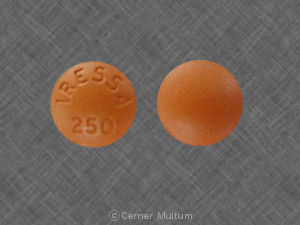
Iressa Side Effects
Generic name: gefitinib
Medically reviewed by Drugs.com. Last updated on Jan 29, 2025.
Note: This document provides detailed information about Iressa Side Effects associated with gefitinib. Some dosage forms listed on this page may not apply specifically to the brand name Iressa.
Applies to gefitinib: oral tablet.
Precautions
It is very important that your doctor check your progress at regular visits to make sure that this medicine is working properly and to check for unwanted effects.
It is very important to check with your doctor if you have diarrhea, nausea or anorexia.
It is very important to check with your doctor if you have problems breathing.
It is very important to check with your doctor if you have any new eye problems.
Serious side effects of Iressa
Along with its needed effects, gefitinib (the active ingredient contained in Iressa) may cause some unwanted effects. Although not all of these side effects may occur, if they do occur they may need medical attention.
Check with your doctor immediately if any of the following side effects occur while taking gefitinib:
Less common side effects
- bloating or swelling of face, arms, hands, lower legs, or feet
- burning, dry or itching eyes
- change in vision
- difficult or labored breathing
- eye discharge or excessive tearing
- redness, pain, swelling of eye, eyelid, or inner lining of eyelid
- shortness of breath
- tightness in chest
- tingling of hands or feet
- unusual weight gain or loss
- wheezing
Incidence unknown
- abnormal eyelash growth
- blistering, peeling, loosening of skin
- bloating of stomach
- blood in urine
- bloody nose
- chills
- constipation
- cough
- darkened urine
- diarrhea
- fainting or loss of consciousness
- fast heartbeat
- fast or irregular breathing
- fever
- indigestion
- joint or muscle pain
- large, hive-like swelling on face, eyelids, lips, tongue, throat, hands, legs, feet, sex organs
- loss of appetite
- nausea
- pains in stomach, side, or abdomen, possibly radiating to the back
- redness, tenderness, itching, or burning of skin
- seeing floating spots before the eyes
- severe stinging of the eye
- skin rash
- sore throat
- sores, ulcers, or white spots in mouth or on lips
- unusual tiredness or weakness
- vomiting
- yellow eyes or skin
Symptoms of Overdose
Get emergency help immediately if any of the following symptoms of overdose occur while taking gefitinib:
- diarrhea
- skin rash
Other side effects of Iressa
Some side effects of gefitinib may occur that usually do not need medical attention. These side effects may go away during treatment as your body adjusts to the medicine. Also, your health care professional may be able to tell you about ways to prevent or reduce some of these side effects.
Check with your health care professional if any of the following side effects continue or are bothersome or if you have any questions about them:
More common side effects
- blemishes on the skin, pimples
- lack or loss of strength
- dry skin
Less common side effects
- irritation or soreness of mouth
- blisters under the skin, large, hard skin blisters
See also:
Rybrevant
Rybrevant is used to treat advanced non-small cell lung cancer (NSCLC) in adults that has certain ...
Opdivo
Opdivo is used to treat many cancers, such as melanoma, non-small cell lung cancer, malignant ...
Enhertu
Enhertu is a treatment for breast cancer, stomach cancer, and non-small cell lung cancer with HER2 ...
Keytruda
Keytruda is used to treat melanoma, non-small cell lung cancer, malignant pleural mesothelioma ...
Avastin
Avastin is used to brain tumors and cancers of the kidney, colon, rectum, or lung. Learn about side ...
Tagrisso
Tagrisso (osimertinib) may be used to treat adults with non-small cell lung cancer (NSCLC) whose ...
Gemcitabine
Gemcitabine is used for breast cancer, breast cancer, metastatic, nasopharyngeal carcinoma, non ...
Nivolumab
Nivolumab is used to treat melanoma, non-small cell lung cancer, malignant pleural mesothelioma ...
Paclitaxel
Paclitaxel is used for breast cancer, breast cancer, adjuvant, breast cancer, metastatic, kaposi's ...
Bevacizumab
Bevacizumab injection is a targeted cancer drug used to treat types of non-small cell lung cancer ...
For healthcare professionals
Applies to gefitinib: oral tablet.
Respiratory adverse events
- Common (1% to 10%): Interstitial lung disease or ILD-like adverse reactions[Ref]
Hepatic
- Very common (10% or more): Increased AST (up to 40%), increased ALT (up to 38%)
- Common (1% to 10%): Increased bilirubin
- Uncommon (0.1% to 1%): Hepatitis/hepatic failure
- Rare (less than 0.1%): Fatal hepatotoxicity[Ref]
Gastrointestinal
- Very common (10% or more): Diarrhea (up to 29%), nausea (up to 18%), vomiting (up to 14%)
- Common (1% to 10%): Stomatitis, dry mouth, pancreatitis, dehydration (secondary to diarrhea, nausea, vomiting, or anorexia)
- Uncommon (0.1% to 1%): GI perforation[Ref]
Ocular
- Common (1% to 10%): Keratitis, conjunctivitis, blepharitis, dry eye
- Uncommon (0.1% to 1%): Corneal erosion/aberrant eyelash growth[Ref]
Nervous system
- Rare (less than 0.1%): CNS hemorrhage
- Frequency not reported: Cerebrovascular events[Ref]
Dermatologic
- Very common (10% or more): Skin reactions (up to 47%)
- Common (1% to 10%): Nail disorder, alopecia
- Rare (less than 0.1%): Bullous conditions (including toxic epidermal necrolysis, Stevens Johnson syndrome, erythema multiforme), cutaneous vasculitis[Ref]
Reported skin reactions: acne/acne pustular, dermatitis (acneiform and exfoliative), drug eruption, dry skin, erythema, folliculitis, pruritus, rash (erythematous, exfoliative, generalized, macular, maculo-papular, papular, pruritic, pustular, vesicular), skin exfoliation, skin toxicity, and xeroderma.[Ref]
Renal
- Very common (10% or more): Proteinuria (up to 35%)
- Common (1% to 10%): Elevated blood creatinine, cystitis
- Rare (less than 0.1%): Hemorrhagic cystitis
- Frequency not reported: Renal failure[Ref]
Metabolic
- Very common (10% or more): Decreased appetite (up to 17%), anorexia (10%)[Ref]
Other
- Very common (10% or more): Asthenia (up to 17%)
- Common (1% to 10%): Pyrexia[Ref]
Hematologic
Immunologic
- Common (1% to 10%): Allergic reactions (including angioedema and urticaria)[Ref]
References
1. (2003) "Product Information. Iressa (gefitinib)." Astra-Zeneca Pharmaceuticals
More about Iressa (gefitinib)
- Check interactions
- Compare alternatives
- Pricing & coupons
- Reviews (8)
- Drug images
- Dosage information
- During pregnancy
- Generic availability
- FDA approval history
- Drug class: EGFR inhibitors
- Breastfeeding
- En español
Patient resources
Professional resources
Related treatment guides
Further information
Iressa side effects can vary depending on the individual. Always consult your healthcare provider to ensure the information displayed on this page applies to your personal circumstances.
Note: Medication side effects may be underreported. If you are experiencing side effects that are not listed, submit a report to the FDA by following this guide.