
Blepharitis
Medically reviewed by Drugs.com. Last updated on Aug 4, 2025.
What is blepharitis?
Blepharitis is inflammation of one or both eyelids. Your eyelid, eyelashes, oil glands, or whites of the eye may be affected.
What causes blepharitis?
- Seborrheic dermatitis (red, scaly, itchy skin)
- Clogged oil glands
- Infection on your eyelid caused by bacteria
- Acne rosacea
What are the signs and symptoms of blepharitis?
- Burning and itching
- Redness of your eyelid or the whites of your eye
- Watery or dry eye
- Feeling like there is something in your eye
- Decreased vision or sensitivity to light
How is blepharitis diagnosed?
- A visual acuity test is used to check your vision and eye movements.
- A sample of skin or drainage may be sent to a lab to find the cause of your infection.
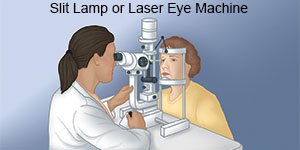
- A slit-lamp test is used to examine your eye with a microscope.
How is blepharitis treated?
Medicines can help decrease pain and swelling, or treat an infection.
Treatment options
The following list of medications are related to or used in the treatment of this condition.
How can I manage blepharitis?
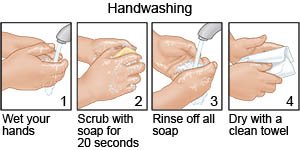
Always wash your hands with soap and water before and after eye care:
 |
- Use artificial tears 2 times each day if you have dry eye.
- Apply a warm compress for 10 minutes 1 to 2 times each day, or as directed. This will loosen crusts and decrease itching and burning.
- Gently scrub your upper and lower eyelid 2 times each day. This will help open your clogged oil glands and remove pus or other material stuck to your eyelid. Your healthcare provider may recommend a cleaning solution to buy. You can instead make one by putting 2 to 3 drops of baby shampoo in ½ cup warm water.
- Massage your upper and lower eyelid in small circles for 5 seconds to loosen oil plugs and decrease inflammation.
- Do not wear contact lenses or eye makeup until your eye has healed.
When should I seek immediate care?
- You have severe pain.
- You have vision loss.
When should I call my doctor?
- Your vision changes.
- Your signs and symptoms return or get worse, even after treatment.
- You have a lump on your eyelid.
- You have a pus-filled sore on your eyelid.
- You have questions or concerns about your condition or care.
Care Agreement
You have the right to help plan your care. Learn about your health condition and how it may be treated. Discuss treatment options with your healthcare providers to decide what care you want to receive. You always have the right to refuse treatment. The above information is an educational aid only. It is not intended as medical advice for individual conditions or treatments. Talk to your doctor, nurse or pharmacist before following any medical regimen to see if it is safe and effective for you.© Copyright Merative 2025 Information is for End User's use only and may not be sold, redistributed or otherwise used for commercial purposes.
Learn more about Blepharitis
Treatment options
Symptoms and treatments
Further information
Always consult your healthcare provider to ensure the information displayed on this page applies to your personal circumstances.