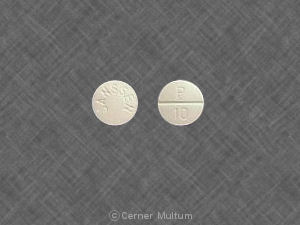
Cisapride Side Effects
Medically reviewed by Drugs.com. Last updated on Sep 1, 2025.
Applies to cisapride: oral suspension, oral tablet.
Precautions
This medicine may cause your body to absorb alcohol more quickly than you normally would. Therefore, you may notice the effects sooner. Check with your doctor before drinking alcohol while you are using this medicine.
This medicine may cause some people to become dizzy, drowsy, or less alert than they are normally. Make sure you know how you react to this medicine before you drive, use machines, or do anything else that could be dangerous if you are dizzy or are not alert.
Serious side effects of cisapride
Along with its needed effects, cisapride may cause some unwanted effects. Although not all of these side effects may occur, if they do occur they may need medical attention.
Check with your doctor immediately if any of the following side effects occur while taking cisapride:
Rare side effects
- blurred vision or other changes in vision
- convulsions (seizures)
- dizziness
- fainting or feeling faint
- fast or racing heartbeat
- pounding or irregular heartbeat
- swelling of face, hands, lower legs, and/or feet
- unusual weight gain
Other side effects of cisapride
Some side effects of cisapride may occur that usually do not need medical attention. These side effects may go away during treatment as your body adjusts to the medicine. Also, your health care professional may be able to tell you about ways to prevent or reduce some of these side effects.
Check with your health care professional if any of the following side effects continue or are bothersome or if you have any questions about them:
Less common or rare side effects
- abdominal pain or cramping
- constipation
- diarrhea
- drowsiness
- dryness of mouth
- gas
- headache
- heartburn or indigestion
- nausea
- runny nose
- tremor
- unusual tiredness or weakness
See also:
For healthcare professionals
Applies to cisapride: oral suspension, oral tablet.
General adverse events
Generally cisapride is well tolerated. Many of the side effects reported in clinical trials occurred with similar frequency in the placebo groups.[Ref]
Gastrointestinal
Gastrointestinal side effects have been reported the most frequently. These have included diarrhea or loose stools (14.2%), abdominal cramping (10.2%), nausea (7.6%), flatulence (3.5%), borborygmi (rumbling bowel sounds), and dry mouth.[Ref]
Gastrointestinal side effects are often due the pharmacologic actions of cisapride. These effects appear to be dose-related, as 20 mg doses are associated with an increased incidence of diarrhea, abdominal pain, and flatulence compared to 10 mg doses.
In a study of 1500 patients, approximately 2.5% discontinued cisapride therapy, usually due to abdominal pain and intolerable diarrhea.[Ref]
Nervous system
Nervous system side effects have included headache (19.3%), dizziness, somnolence, and fatigue. In addition, seizures and extrapyramidal symptoms have been reported rarely.[Ref]
While cisapride lacks antidopaminergic properties, extrapyramidal effects have been reported to the manufacturer. However, the incidence of cisapride-induced movement disorders would be expected to be significantly less than with metoclopramide, an antidopaminergic, gastrokinetic agent.
In addition, somnolence and fatigue are reported with lesser frequency during cisapride therapy (1.6%) than with metoclopramide (15.2%).
Worsening of tremor has been reported in two patients with parkinsonism who were treated with cisapride.[Ref]
Hematologic
Hematologic side effects have rarely included thrombocytopenia, leukopenia, aplastic anemia, pancytopenia, and granulocytopenia.[Ref]
Cardiovascular
Cardiovascular effects have reported rarely. These have included palpitations, tachycardia, and edema. Rare but potentially serious cardiac arrhythmias, including ventricular arrhythmias and torsades de pointes have also been reported.[Ref]
Syncope associated with QT interval prolongation and nonsustained ventricular tachycardia occurred in a 64-year-old male taking cisapride 40 mg by mouth four times a day for diabetic gastroparesis. A baseline electrocardiogram was normal 6 days earlier. Gradual reduction in dosage to 5 mg four times a day resolved the prolonged QT interval. High dosages of cisapride may lead to a risk of ventricular arrhythmia and torsades de pointes.[Ref]
Hepatic
Hepatic side effects have included elevations in liver function test results, and hepatitis.[Ref]
Psychiatric
Psychiatric side effects have rarely included insomnia, anxiety, nervousness, and depression.[Ref]
Genitourinary
Genitourinary side effects have included urinary frequency, urinary incontinence, and vaginitis.[Ref]
Urinary symptoms usually begin within 48 hours of starting treatment with cisapride. Urinary frequency and incontinence generally resolve completely upon withdrawal of therapy and may recur during rechallenge with the drug.[Ref]
Ocular
Ocular side effects have included visual changes (1.4%).[Ref]
Respiratory
Respiratory side effects have included bronchospasm and wheezing in asthma patients. Rechallenge with cisapride led to reoccurrence of bronchospasm in one patient.[Ref]
Hypersensitivity
Hypersensitivity side effects have included allergic reactions, including bronchospasm, urticaria, and angioedema.[Ref]
Endocrine
Endocrine side effects have been rarely reported. These have included gynecomastia in males, female breast enlargement, hyperprolactinemia, and galactorrhea.[Ref]
References
1. McCallum RW, Prakash C, Campoli-Richards DM, Goa KL (1988) "Cisapride. A preliminary review of its pharmacodynamic and pharmacokinetic properties, and therapeutic use as a prokinetic agent in gastrointestinal motility disorders." Drugs, 36, p. 652-81
2. Wiseman LR, Faulds D (1994) "Cisapride - an updated review of its pharmacology and therapeutic efficacy as a prokinetic agent in gastrointestinal motility disorders." Drugs, 47, p. 116-52
3. Bennett JR (1989) "How safe and acceptable is cisapride?" Scand J Gastroenterol Suppl, 165, p. 59-61
4. (2001) "Product Information. Propulsid (cisapride)." Janssen Pharmaceuticals
5. Richter JE, Long JF (1995) "Cisapride for gastroesophageal reflux disease: a placebo-controlled, double-blind study." Am J Gastroenterol, 90, p. 423-30
6. Castell DO, Sigmund C, Patterson D, Lambert R, Hasner D, Clyde C, Zeldis JB (1998) "Cisapride 20 mg b.i.d. provides symptomatic relief of heartburn and related symptoms of chronic mild to moderate gastroesophageal reflux disease." Am J Gastroenterol, 93, p. 547-52
7. Bucci KK, Haverstick DE, Abercrombie SA (1995) "Dystonic-like reaction following cisapride therapy." J Fam Pract, 40, p. 86-8
8. Sempere AP, Duarte J, Cabezas C, Claveria LE, Coria F (1995) "Aggravation of parkinsonian tremor by cisapride." Clin Neuropharmacol, 18, p. 76-8
9. Bran S, Murray WA, Hirsch IB, Palmer JP (1995) "Long QT syndrome during high-dose cisapride." Arch Intern Med, 155, p. 765-8
10. Lewin MB, Bryant RM, Fenrich AL, Grifka RG (1996) "Cisapride-induced long QT interval." J Pediatr, 128, p. 279-81
11. Hill SL, Evangelista JK, Pizzi AM, Mobassaleh M, Fulton DR, Berul CI (1998) "Proarrhythmia associated with cisapride in children." Pediatrics, 101, p. 1053-6
12. Gray VS (1998) "Syncopal episodes associated with cisapride and concurrent drugs." Ann Pharmacother, 32, p. 648-51
13. Boyd IW, Rohan AP (1994) "Urinary disorders associated with cisapride." Med J Aust, 160, p. 579-80
14. Pillans PI, Wood SM (1994) "Cisapride increases micturition frequency." J Clin Gastroenterol, 19, p. 336-8
15. Nolan P, Phillips M, Williamson B (1990) "Cisapride and brittle asthma." Lancet, 336, p. 1443
16. Pillans P (1995) "Bronchospasm associated with cisapride." BMJ, 311, p. 1472
More about cisapride
- cisapride consumer information
- Check interactions
- Compare alternatives
- Reviews (1)
- Dosage information
- During pregnancy
- Drug class: GI stimulants
- Breastfeeding
Patient resources
Other brands
Professional resources
Other brands
Related treatment guides
Further information
Cisapride side effects can vary depending on the individual. Always consult your healthcare provider to ensure the information displayed on this page applies to your personal circumstances.
Note: Medication side effects may be underreported. If you are experiencing side effects that are not listed, submit a report to the FDA by following this guide.