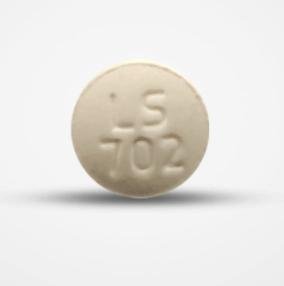
Alosetron Side Effects
Medically reviewed by Drugs.com. Last updated on Jun 9, 2024.
Applies to alosetron: oral tablet.
Important warnings
This medicine can cause some serious health issues
Oral route (tablet)
Infrequent but serious gastrointestinal adverse reactions have been reported with alosetron hydrochloride, including ischemic colitis and serious complications of constipation, that resulted in hospitalization, blood transfusion, surgery, and death.
Alosetron hydrochloride is indicated only for women with severe diarrhea-predominant irritable bowel syndrome (IBS) who have not responded adequately to conventional therapy.
Immediately discontinue alosetron hydrochloride in patients who develop constipation or symptoms of ischemic colitis.
Do not resume in patients who develop ischemic colitis.
If constipation resolves, resume alosetron hydrochloride only on the advice of treating prescriber.
Serious side effects of alosetron
Along with its needed effects, alosetron may cause some unwanted effects. Although not all of these side effects may occur, if they do occur they may need medical attention.
Check with your doctor immediately if any of the following side effects occur while taking alosetron:
More common
- constipation
Rare
- bloody diarrhea
- new or worsening stomach pain or discomfort
- rectal bleeding
Incidence not known
- abdominal or stomach pain, cramping, or burning
- black, tarry stools
- diarrhea
- fever
- heartburn
- indigestion
- nausea
- vomiting with or without blood or material that looks like coffee grounds
Get emergency help immediately if any of the following symptoms of overdose occur while taking alosetron:
Symptoms of overdose
- clumsiness, unsteadiness, trembling, or other problems with muscle control or coordination
- convulsions (seizures)
- difficulty breathing
- shakiness and unsteady walk
- withdrawn or socially detached behavior
Other side effects of alosetron
Some side effects of alosetron may occur that usually do not need medical attention. These side effects may go away during treatment as your body adjusts to the medicine. Also, your health care professional may be able to tell you about ways to prevent or reduce some of these side effects.
Check with your health care professional if any of the following side effects continue or are bothersome or if you have any questions about them:
Less common
- bleeding after bowel movement
- full or bloated feeling
- pressure in the stomach
- swelling of abdominal or stomach area
- uncomfortable swelling around rectal area
Incidence not known
- headache
- skin rash
For healthcare professionals
Applies to alosetron: oral tablet.
General
The most commonly reported side effects included constipation, abdominal discomfort/pain, diarrhea, and nausea.[Ref]
Gastrointestinal
- Very common (10% or more): Constipation (up to 75%)
- Common (1% to 10%): Abdominal discomfort, abdominal distention, abdominal pain, abdominal pain upper, diarrhea, flatulence, gastrointestinal discomfort, gastrointestinal pain, hemorrhoid hemorrhage, hemorrhoids, nausea, reflux, regurgitation, viral gastroenteritis, vomiting
- Uncommon (0.1% to 1%): Dyspeptic symptoms, gastrointestinal lesions, gastrointestinal spasms, hyposalivation, ischemic colitis
- Rare (0.01% to 0.1%): Abnormal tenderness, colitis, decreased gastric motility, diverticulitis, gastritis, gastroduodenitis, gastroenteritis, gastrointestinal intussusception, gastrointestinal obstruction, gastrointestinal signs/symptoms, hyperacidity, ileus, oral symptoms, positive fecal occult blood, proctitis, ulcerative colitis
- Frequency not reported: Complications of colitis
- Postmarketing reports: Impaction, perforation, small bowel mesenteric ischemia, ulceration[Ref]
Respiratory
- Common (1% to 10%): Cough, nasopharyngitis, sinusitis, upper respiratory tract infection
- Uncommon (0.1% to 1%): Breathing disorders
- Rare (0.01% to 0.1%): Laryngitis, nose infection, throat infection, viral nose infection, viral throat infection[Ref]
Genitourinary
- Common (1% to 10%): Urinary tract infection
- Uncommon (0.1% to 1%): Urinary frequency
- Rare (0.01% to 0.1%): Bladder inflammation, diuresis, female reproductive tract bleeding/hemorrhage, polyuria, sexual function disorders, urinary tract hemorrhage[Ref]
Hepatic
- Common (1% to 10%): ALT elevation
- Rare (0.01% to 0.1%): Abnormal bilirubin levels, cholecystitis
- Frequency not reported: Elevated alkaline phosphatase, elevated AST, elevated bilirubin, hepatitis without jaundice[Ref]
Other
- Uncommon (0.1% to 1%): Fatigue, malaise, pain, temperature regulation disturbances
- Rare (0.01% to 0.1%): Cold sensation, ear infections, hot and cold sensations, viral ear infections[Ref]
Dermatologic
- Uncommon (0.1% to 1%): Sweating, urticaria
- Rare (0.01% to 0.1%): Acne, allergic skin reaction, alopecia, dermatitis, dermatosis, eczema, folliculitis, hair loss, nail disorders, sebum disorders, skin infections, sweat disorders
- Postmarketing reports: Rash[Ref]
Nervous system
- Uncommon (0.1% to 1%): Hypnagogic effects
- Rare (0.01% to 0.1%): Burning sensations, cognitive function disorder, equilibrium disorders, hypoesthesia, memory effects, sedation, taste disturbance, tremors
- Frequency not reported: Headache[Ref]
Musculoskeletal
- Uncommon (0.1% to 1%): Cramps
- Rare (0.01% to 0.1%): Bone pain, muscle pain, muscle stiffness, rigidity, skeletal pain, tightness
- Frequency not reported: Muscle spasms[Ref]
Cardiovascular
- Uncommon (0.1% to 1%): Tachyarrhythmias
- Rare (0.01% to 0.1%): Arrhythmias, contusions, extrasystoles, hematoma, hemorrhage, increased blood pressure[Ref]
Psychiatric
- Uncommon (0.1% to 1%): Anxiety
- Rare (0.01% to 0.1%): Confusion, depressive moods, dreams[Ref]
Metabolic
- Rare (0.01% to 0.1%): Disorder of calcium metabolism, disorder of phosphate metabolism, fluid disturbances, hyperglycemia, hypofunction[Ref]
Immunologic
- Rare (0.01% to 0.1%): Fungal infections, fungal reproductive infections, reproductive infections[Ref]
Hematologic
- Rare (0.01% to 0.1%): Quantitative hemoglobin defects, quantitative red cell defects[Ref]
Ocular
- Rare (0.01% to 0.1%): Light sensitivity of eyes[Ref]
Endocrine
- Rare (0.01% to 0.1%): Hypothalamus/pituitary hypofunction[Ref]
References
1. (2001) "Product Information. Lotronex (alosetron)." Glaxo Wellcome
More about alosetron
- Check interactions
- Compare alternatives
- Pricing & coupons
- Reviews (31)
- Drug images
- Dosage information
- During pregnancy
- Drug class: serotoninergic neuroenteric modulators
- Breastfeeding
- En español
Patient resources
Other brands
Professional resources
Other brands
Related treatment guides
Further information
Alosetron side effects can vary depending on the individual. Always consult your healthcare provider to ensure the information displayed on this page applies to your personal circumstances.
Some side effects may not be reported. You may report them to the FDA.