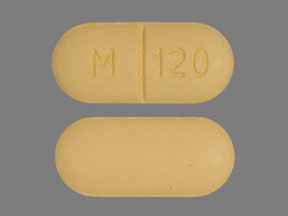
Abacavir Side Effects
Medically reviewed by Drugs.com. Last updated on Apr 13, 2025.
Applies to abacavir: oral solution, oral tablet.
Important warnings
This medicine can cause some serious health issues
Oral route (tablet; solution)
Serious hypersensitivity reactions has been reported.
Risk for experiencing a hypersensitivity reaction to abacavir is increased in patients carrying the HLA-B*5701 allele.
Abacavir is contraindicated in patients with a prior hypersensitivity reaction to abacavir and in HLA-B*5701-positive patients.
Screening for the HLA-B*5701 allele is required prior to abacavir initiation and when reinitiating therapy in patients with an unknown HLA-B*5701 status who have previously tolerated abacavir.
Discontinue abacavir and do not restart if a hypersensitivity reaction is suspected or cannot be ruled out.
Precautions
It is very important that your doctor check the progress of you or your child at regular visits to make sure that this medicine is working properly. Blood tests may be needed to check for unwanted effects.
Do not use this medicine if you are also using other medicines containing abacavir (eg, Epzicom®, Triumeq®, Trizivir®).
This medicine may cause severe allergic reactions in some patients. These reactions usually occur within 6 weeks after the medicine is started but may occur at any time. If untreated, it can lead to severe low blood pressure and even death. Check with your doctor immediately if you or your child notice sudden fever, skin rash, diarrhea, nausea, stomach pain, vomiting, or a feeling of unusual tiredness or illness, cough, trouble breathing, or sore throat.
When you begin taking this medicine, you or your child will be given a warning card which describes symptoms of severe allergic reactions that may be caused by abacavir. The warning card also provides information about how to treat these allergic reactions. For your safety, you should carry the warning card with you at all times.
Do not stop using this medicine unless your doctor tells you to do so. If you stop using this medicine for any reason, do not start taking it again without talking first to your doctor.
If you must stop using abacavir because of an allergic reaction, you should never use the medicine again. Return the unused medicine to your doctor or pharmacist. A worse reaction, possibly even death, can occur if you use the medicine again. Tell your doctor right away if you or your child have ever taken abacavir, especially if you have experienced an allergic reaction to it in the past.
Two rare but serious reactions to this medicine are lactic acidosis (too much acid in the blood) and liver toxicity. These are more common if you are female, very overweight (obese), or have been taking anti-HIV medicines for a long time. Call your doctor right away if you or your child have more than one of these symptoms: stomach discomfort or cramping, dark urine, decreased appetite, diarrhea, general feeling of discomfort, light-colored stools, muscle cramping or pain, nausea, unusual tiredness or weakness, trouble breathing, vomiting, or yellow eyes or skin.
When you start taking HIV medicines, your immune system may get stronger. If you or your child have certain infections that are hidden in your body, such as pneumonia or tuberculosis, you may notice new symptoms when your body tries to fight them. Tell your doctor right away if you or your child notice any changes in health.
This medicine may cause you to have excess body fat. Tell your doctor if you or your child notice changes in your body shape, such as an increased amount of fat in the upper back and neck, or around the chest and stomach area, or a loss of fat from the legs, arms, and face.
This medicine may increase your risk of having a heart attack. This is more likely to occur if you smoke or already have heart disease, high blood pressure, or high cholesterol or fats in the blood. Call your doctor right away if you have chest pain or discomfort, nausea, pain or discomfort in the arms, jaw, back or neck, trouble breathing, sweating, or vomiting. These could be symptoms of a heart attack.
Do not take other medicines unless they have been discussed with your doctor. This includes prescription or nonprescription (over-the-counter [OTC]) medicines and herbal or vitamin supplements.
Common side effects of abacavir
Some side effects of abacavir may occur that usually do not need medical attention. These side effects may go away during treatment as your body adjusts to the medicine. Also, your health care professional may be able to tell you about ways to prevent or reduce some of these side effects.
Check with your health care professional if any of the following side effects continue or are bothersome or if you have any questions about them:
More common side effects
- headache
Less common side effects
- trouble sleeping
Incidence not known
- breast enlargement
- buffalo hump
- central obesity
- facial wasting
- gaining weight around your neck, upper back, breast, face, or waist
- peripheral wasting
Serious side effects of abacavir
Along with its needed effects, abacavir may cause some unwanted effects. Although not all of these side effects may occur, if they do occur they may need medical attention.
Check with your doctor immediately if any of the following side effects occur while taking abacavir:
Less common side effects
- abdominal or stomach pain
- cough
- diarrhea
- difficult or labored breathing
- fever
- headache
- joint or muscle pain
- nausea
- numbness or tingling of the hands, feet, or face
- redness and soreness of the eyes
- skin rash
- sore throat
- sores in the mouth
- swelling of the feet or lower legs
- unusual feeling of discomfort or illness
- unusual tiredness
- vomiting
Rare side effects
- abdominal or stomach swelling
- decreased appetite
- fast, shallow breathing
- sleepiness
Incidence not known
- blistering, peeling, or loosening of the skin
- chest pain or discomfort
- chills
- dark urine
- itching
- light-colored stools
- pain or discomfort in the arms, jaw, back, or neck
- red, irritated eyes
- red skin lesions, often with a purple center
- sores, ulcers, or white spots in the mouth or on the lips
- sweating
- unusual weakness
- upper right abdominal or stomach pain
- yellow eyes and skin
See also:
Biktarvy
Biktarvy is a complete HIV-1 treatment in a once-a-day single tablet containing three antiviral ...
Descovy
Descovy is used to treat and prevent HIV infection in adults and adolescents. When used for HIV-1 ...
Cabenuva
Cabenuva (cabotegravir and rilpivirine) injections are a long-acting HIV treatment used to keep HIV ...
Truvada
Truvada is used to prevent HIV (HIV PrEP) or treat HIV-1 infection in combination with other HIV-1 ...
Atripla
Atripla prevents the human immunodeficiency virus (HIV) from reproducing in your body. Learn about ...
Complera
Complera (emtricitabine, rilpivirine, and tenofovir) is used to treat HIV infection. Includes ...
Stribild
Stribild (cobicistat, elvitegravir, emtricitabine and tenofovir) is used to treat HIV-1 infection ...
Epzicom
Epzicom is used to treat HIV, which causes the acquired immunodeficiency syndrome (AIDS). Learn ...
Emtricitabine
Emtricitabine is used for HIV Infection, nonoccupational exposure, occupational exposure
For healthcare professionals
Applies to abacavir: oral solution, oral tablet.
General adverse events
In 1 study, patients receiving the once-daily regimen had a significantly higher incidence of severe drug hypersensitivity reactions and severe diarrhea than patients on the twice-daily regimen.
Many of the side effects listed occurred commonly in patients with abacavir hypersensitivity (e.g., nausea, vomiting, diarrhea, fever, lethargy, rash).[Ref]
Hypersensitivity
- Common (1% to 10%): Drug hypersensitivity, hypersensitivity reaction (including fever, rash [maculopapular, urticarial], nausea, vomiting, malaise, diarrhea, headache, fatigue, myalgia, achiness, abdominal pain, pharyngitis, dyspnea, cough, lethargy, myolysis, edema, elevated liver function tests, mucous membrane lesions [conjunctivitis, mouth ulceration], sore throat, adult respiratory distress syndrome, respiratory failure, lymphadenopathy, hypotension, anaphylaxis, paresthesia, lymphopenia, hepatitis, liver failure, arthralgia, elevated creatine phosphokinase, elevated creatinine, renal failure, erythema multiforme, abnormal chest x-ray findings [mainly localized infiltrates], death)
- Frequency not reported: Serious and sometimes fatal hypersensitivity reactions, abacavir hypersensitivity reaction presenting as acute fibrinous and organizing pneumonia[Ref]
Serious and sometimes fatal hypersensitivity reactions have been reported with this drug. Such reactions have included multi-organ failure and anaphylaxis and usually occurred within the first 6 weeks of therapy (median onset: 9 to 11 days); however, abacavir hypersensitivity reactions have occurred any time during therapy.
Patients with the human leukocyte antigen subtype B*5701 (HLA-B*5701) allele are at higher risk of hypersensitivity reactions to this drug; however, such reactions have occurred in patients without the HLA-B*5701 allele. Abacavir hypersensitivity was reported in about 8% of patients in 9 clinical trials with abacavir-containing products where patients were not screened for the HLA-B*5701 allele; incidence of suspected abacavir hypersensitivity reactions was 1% in clinical trials where HLA-B*5701 carriers were excluded.
Abacavir hypersensitivity reactions have been characterized by at least 2 of the following key signs/symptoms: (1) fever; (2) rash; (3) gastrointestinal symptoms (including nausea, vomiting, diarrhea, abdominal pain); (4) constitutional symptoms (including generalized malaise, fatigue, achiness); (5) respiratory symptoms (including dyspnea, cough, pharyngitis). Almost all reactions have included fever and/or rash (usually maculopapular or urticarial); however, reactions also reported without fever or rash. Signs/symptoms reported in at least 10% of patients with hypersensitivity reaction have included rash, nausea, vomiting, malaise, diarrhea, headache, fatigue/lethargy, abdominal pain, dyspnea, cough, fever, elevated liver function tests, and myalgia. Other signs/symptoms of hypersensitivity have included mouth ulceration, sore throat, adult respiratory distress syndrome, respiratory failure, edema, lymphadenopathy, hypotension, conjunctivitis, anaphylaxis, paresthesia, lymphopenia, hepatitis, liver failure, myolysis, arthralgia, elevated creatine phosphokinase, elevated creatinine, renal failure, abnormal chest x-ray findings (mainly infiltrates, which were localized), and death.
Symptoms of abacavir hypersensitivity reaction worsened with continued therapy and generally resolved when this drug was discontinued. Restarting this drug after a hypersensitivity reaction has resulted in more severe symptoms within hours and included life-threatening hypotension and death. Rarely, life-threatening reactions have occurred within hours after restarting this drug in patients who stopped it for reasons other than symptoms of hypersensitivity (or who stopped it with only 1 key symptom of hypersensitivity).
In 1 case report, a 57-year-old HIV-positive male presented to medical attention with a 2-day history of fever, malaise, and diarrhea related to initiation of this drug. Six days prior to the onset of symptoms, the patient's antiretroviral therapy was switched from efavirenz and lamivudine-zidovudine to zidovudine, abacavir, and lopinavir-ritonavir after a drop in his CD4 cell count. The patient developed acute dyspnea and severe hypoxemia, hemoptysis, and diffuse bilateral pulmonary infiltrates within 72 hours of admission and this drug was discontinued due to suspicion of a hypersensitivity reaction. Three days after drug discontinuation, the patient's status improved and chest films showed resolution of infiltrates.[Ref]
Gastrointestinal
- Very common (10% or more): Nausea (up to 47%), nausea and vomiting (up to 38%), diarrhea (up to 16%)
- Common (1% to 10%): Abdominal pain/gastritis/gastrointestinal signs and symptoms, vomiting, abdominal discomfort and pain, abnormal amylase
- Rare (0.01% to 0.1%): Pancreatitis[Ref]
Pancreatitis was observed in the expanded access program.[Ref]
Other
- Very common (10% or more): Malaise and fatigue (up to 34%), temperature regulation disturbance (up to 19%)
- Common (1% to 10%): Fever/pyrexia, lethargy, fatigue, fatigue/malaise, fever and/or chills
- Uncommon (0.1% to 1%): Non-site-specific pain
- Frequency not reported: Asthenia, reduced alcohol tolerance, disulfiram-like reaction[Ref]
In 1 case report, a 31-year-old HIV-infected male patient switched to this drug and experienced a disulfiram-like reaction with nausea, facial flushing, and tachycardia after alcohol consumption. When the patient was rechallenged with a shot of vodka, the same reaction occurred.
In another case, a 27-year-old HIV-infected male patient switched to this drug and noticed reduced alcohol tolerance. The patient reported that he felt as if he had ingested 1.5 bottles of wine after 3 glasses, with loss of memory until the next morning and vomiting. The patient was able to tolerate small quantities of alcohol or alcohol consumed with food.[Ref]
Nervous system
- Very common (10% or more): Headache (up to 31%)
- Common (1% to 10%): Headaches/migraine, dizziness, neuropathy[Ref]
Respiratory
- Very common (10% or more): Cough (up to 24%), ear/nose/throat infections (up to 19%), nasal signs/symptoms (up to 11%)
- Common (1% to 10%): Viral respiratory infections (including viral ear, nose, and throat infection), bronchitis
- Frequency not reported: Tachypnea, pharyngitis[Ref]
Musculoskeletal
- Very common (10% or more): Elevated creatine phosphokinase (up to 12%)
- Common (1% to 10%): Musculoskeletal pain
Combination antiretroviral therapy:
- Frequency not reported: Osteonecrosis[Ref]
Elevated creatine phosphokinase (greater than 4 times the upper limit of normal [4 x ULN]) has been reported in up to 8% of patients.[Ref]
Dermatologic
- Very common (10% or more): Skin rashes (maculopapular, urticarial, or variable appearance; up to 11%)
- Common (1% to 10%): Rash (without systemic symptoms)
- Frequency not reported: Sweet's syndrome
- Very rare (less than 0.01%): Stevens-Johnson syndrome, toxic epidermal necrolysis, erythema multiforme[Ref]
Suspected Stevens-Johnson syndrome (SJS) and toxic epidermal necrolysis (TEN) have been reported during postmarketing experience in patients using this drug primarily in combination with agents known to be associated with SJS and TEN, respectively.
Cases of erythema multiforme, SJS, or TEN have been reported very rarely when abacavir hypersensitivity could not be ruled out.[Ref]
Metabolic
- Very common (10% or more): Feeding problems (up to 11%)
- Common (1% to 10%): Hypertriglyceridemia, hyperamylasemia, anorexia, abnormal triglycerides, hyperlactatemia
- Uncommon (0.1% to 1%): Hyperglycemia, abnormal alkaline phosphatase, abnormal glucose, abnormal sodium
- Rare (0.01% to 0.1%): Lactic acidosis
- Frequency not reported: Mild elevations of blood glucose, hypoglycemia, loss of appetite
- Postmarketing reports: Redistribution/accumulation of body fat (including central obesity, dorsocervical fat enlargement, peripheral wasting, facial wasting, breast enlargement, "cushingoid appearance")
Combination antiretroviral therapy:
- Frequency not reported: Metabolic abnormalities (e.g., hypertriglyceridemia, hypercholesterolemia, insulin resistance, hyperglycemia, hyperlactatemia)[Ref]
Hypertriglyceridemia (greater than 750 mg/dL), hyperamylasemia (greater than 2 x ULN), and hyperglycemia (greater than 13.9 mmol/L) have been reported in up to 6%, up to 4%, and less than 1% of patients, respectively.
Lactic acidosis and severe hepatomegaly with steatosis (including fatal cases) have been reported with the use of nucleoside analogs.[Ref]
Psychiatric
- Very common (10% or more): Dreams/sleep disorders (10%)
- Common (1% to 10%): Depression, anxiety, sleep disorders, insomnia, abnormal dreams
- Frequency not reported: Mania, worsening of preexisting depression, lethargy[Ref]
Hepatic
- Common (1% to 10%): Elevated ALT, elevated AST
- Uncommon (0.1% to 1%): Abnormal bilirubin
- Frequency not reported: Increased GGT, severe hepatomegaly with steatosis
- Postmarketing reports: Hepatic steatosis[Ref]
Elevated ALT (greater than 5 x ULN) and AST (greater than 5 x ULN) have been reported in 6% and up to 6% of patients, respectively.
The reported frequencies were similar to those observed during clinical trials with zidovudine and lamivudine administration.
Increased GGT was observed in the expanded access program.
Lactic acidosis and severe hepatomegaly with steatosis (including fatal cases) have been reported with the use of nucleoside analogs.[Ref]
Hematologic
- Common (1% to 10%): Neutropenia, thrombocytopenia, decreased white cells, abnormal absolute neutrophils
- Uncommon (0.1% to 1%): Anemia, leukopenia, abnormal hemoglobin, abnormal platelets, abnormal WBC
- Rare (less than 0.1%): Eosinophilia
- Frequency not reported: Agranulocytosis, increased platelet reactivity[Ref]
Neutropenia (absolute neutrophil count less than 750/mm3), thrombocytopenia (platelets less than 50,000/mm3), anemia (hemoglobin 6.9 g/dL or less), and leukopenia (WBC 1500/mm3 or less) have been reported in up to 5%, 1%, less than 1%, and less than 1% of patients, respectively.
The reported frequencies were similar to those observed during clinical trials with zidovudine and lamivudine administration.
Agranulocytosis has been reported after the addition of this drug to a multi-drug regimen.[Ref]
Renal
- Uncommon (0.1% to 1%): Renal signs/symptoms, abnormal creatinine
- Frequency not reported: Acute renal failure, interstitial nephritis[Ref]
Immunologic
- Frequency not reported: Immune reconstitution/reactivation syndrome, autoimmune disorders in the setting of immune reconstitution (e.g., Graves' disease, polymyositis, Guillain-Barre syndrome)
Cardiovascular
- Frequency not reported: Endothelial dysfunction, peripheral arterial disease, coronary bypass surgery, ischemic stroke, deep venous thrombosis, angina, transient ischemic attack
- Postmarketing reports: Myocardial infarction (MI)[Ref]
An observational study investigating the rate of MI in patients on combination antiretroviral therapy showed an increased risk of MI with the use of this drug within the previous 6 months. A sponsor-conducted pooled analysis of clinical trials showed no excess risk of MI in abacavir-treated patients as compared with control subjects. Overall, available data from the observational cohort and from clinical trials were inconclusive.[Ref]
References
1. (2001) "Product Information. Ziagen (abacavir)." Glaxo Wellcome
2. Bart PA, Rizzardi GP, Tambussi G, Chave JP, Chapuis AG, Graziois C, Corpataux JM, Halkic N, Meuwly JY, Munoz M, Meylan P, (2000) "Immunological and virological responses in HIV-1-infected adults at early stage of established infection treated with highly active antiretroviral therapy." Aids, 14, p. 1887-97
3. Cerner Multum, Inc. "UK Summary of Product Characteristics."
4. Piacenti FJ (2006) "An update and review of antiretroviral therapy." Pharmacotherapy, 26, p. 1111-33
5. Warnke D, Barreto J, Temesgen Z (2007) "Antiretroviral drugs." J Clin Pharmacol, 47, p. 1570-9
6. Cerner Multum, Inc. "Australian Product Information."
7. Calza L, Dentale N, Piergentili B, et al. (2008) "Abacavir-induced febrile agranulocytosis and anaemia." AIDS, 22, p. 2221-2
8. AIDSinfo. NIH. National Institutes of Health (2015) Guidelines for the use of antiretroviral agents in pediatric HIV infection. http://aidsinfo.nih.gov/contentfiles/lvguidelines/pediatricguidelines.pdf
9. HHS Panel on Antiretroviral Guidelines for Adults and Adolescents. Office of AIDS Research Advisory Council (OARAC). NIH. National Institutes of Health (2015) Guidelines for the use of antiretroviral agents in HIV-1-infected adults and adolescents. http://aidsinfo.nih.gov/contentfiles/lvguidelines/adultandadolescentgl.pdf
10. Hervey PS, Perry CM (2000) "Abacavir - A review of its clinical potential in patients with HIV infection." Drugs, 60, p. 447-79
11. Loeliger AE, Steel H, McGuirk S, Powell WS, Hetherington SV (2001) "The abacavir hypersensitivity reaction and interruptions in therapy." Aids, 15, p. 1325
12. Toerner JG, Cvetkovich T (2002) "Kawasaki-like Syndrome: Abacavir Hypersensitivity?" Clin Infect Dis, 34, p. 131-2
13. Hetherington S, McGuirk S, Powell G, et al. (2001) "Hypersensitivity reactions during therapy with the nucleoside reverse transcriptase inhibitor abacavir." Clin Ther, 23, p. 1603-14
14. (2001) "Drugs for HIV infection." Med Lett Drugs Ther, 43, p. 103-8
15. Anderson PL (2004) "Pharmacologic perspectives for once-daily antiretroviral therapy." Ann Pharmacother, 38, p. 1969-70
16. Cutrell AG, Hernandez JE, Fleming JW, et al. (2004) "Updated clinical risk factor analysis of suspected hypersensitivity reactions to abacavir." Ann Pharmacother, 38, p. 2171-2
17. Goedken AM, Herman RA (2005) "Once-daily abacavir in place of twice-daily administration." Ann Pharmacother, 39, p. 1302-8
18. Fontaine C, Guiard-Schmid JB, Slama L, et al. (2005) "Severe rhabdomyolysis during a hypersensitivity reaction to abacavir in a patient treated with ciprofibrate." AIDS, 19, p. 1927-8
19. Herring SJ, Krieger AC (2006) "Acute respiratory manifestations of the abacavir hypersensitivity reaction." AIDS, 20, p. 301-2
20. Phillips EJ (2006) "Genetic screening to prevent abacavir hypersensitivity reaction: are we there yet?" Clin Infect Dis, 43, p. 103-5
21. Rauch A, Nolan D, Martin A, McKinnon E, Almeida C, Mallal S (2006) "Prospective genetic screening decreases the incidence of abacavir hypersensitivity reactions in the Western Australian HIV cohort study." Clin Infect Dis, 43, p. 99-102
22. Stekler J, Maenza J, Stevens C, et al. (2006) "Abacavir hypersensitivity reaction in primary HIV infection." AIDS, 20, p. 1269-74
23. Peyriere H, Dereure O, Breton H, et al. (2006) "Variability in the clinical pattern of cutaneous side-effects of drugs with systemic symptoms: does a DRESS syndrome really exist?" Br J Dermatol, 155, p. 422-8
24. Hammer SM, Saag MS, Schechter M, et al. (2006) "Treatment for adult HIV infection: 2006 recommendations of the International AIDS Society-USA panel." JAMA, 296, p. 827-43
25. Bergersen BM (2006) "Cardiovascular Risk in Patients with HIV Infection : Impact of Antiretroviral Therapy." Drugs, 66, p. 1971-87
26. Yokogawa N, Alcid DV (2007) "Acute fibrinous and organizing pneumonia as a rare presentation of abacavir hypersensitivity reaction." AIDS, 21, p. 2116-2117
27. Waters LJ, Mandalia S, Gazzard B, Nelson M (2007) "Prospective HLA-B*5701 screening and abacavir hypersensitivity: a single centre experience." AIDS, 21, p. 2533-2534
28. de Perio MA, Gomez FJ, Frame PT, Fichtenbaum CJ (2007) "A truvada hypersensitivity reaction simulating abacavir hypersensitivity." AIDS, 21, p. 2252-3
29. Hughes CA, Foisy MM, Dewhurst N, et al. (2008) "Abacavir hypersensitivity reaction: an update." Ann Pharmacother, 42, p. 387-96
30. Yuen GJ, Weller S, Pakes GE (2008) "A Review of the Pharmacokinetics of Abacavir." Clin Pharmacokinet, 47, p. 351-371
31. Abel S, Paturel L, Cabie A (2008) "Abacavir hypersensitivity." N Engl J Med, 358, 2515; author reply 2515-6
32. Vandekerckhove L, Blot S (2008) "Abacavir hypersensitivity." N Engl J Med, 358, 2514-5; author reply 2515-6
33. Bonta PI, Vermeulen JN, Speelman P, Prins JM (2008) "Severe abacavir hypersensitivity reaction in a patient tested HLA-B*5701 negative." AIDS, 22, p. 1522-3
34. Fox J, Newton P, Daly R, et al. (2008) "An unusual abacavir reaction." AIDS, 22, p. 1520-2
35. Borras-Blasco J, Navarro-Ruiz A, Borras C, Castera E (2008) "Adverse cutaneous reactions associated with the newest antiretroviral drugs in patients with human immunodeficiency virus infection." J Antimicrob Chemother, 62, p. 879-88
36. Strategies for Management of Anti-RetroviralTherapy/Insight; DAD Study Groups (2008) "Use of nucleoside reverse transcriptase inhibitors and risk of myocardial infarction in HIV-infected patients." AIDS, 22, F17-F24
37. (2009) "Drugs for HIV infection." Treat Guidel Med Lett, 7, p. 11-22
38. Tozzi V (2010) "Pharmacogenetics of antiretrovirals." Antiviral Res, 85, p. 190-200
39. Chen SJ, Yang SP, Hung CC, Fung CP (2010) "Abacavir-induced agranulocytosis in two Taiwanese patients tested HLA-B*5701-negative." AIDS, 24, p. 1238-9
40. Barber TJ, Marett B, Waldron S, et al. (2007) "Are disulfiram-like reactions associated with abacavir-containing antiretroviral regimens in clinical practice?" AIDS, 21, p. 1823-1824
41. Del Giudice P, Vandenbos F, Perrin C, Bernard E, Marq L, Dellamonica P (2004) "Sweet's syndrome following abacavir therapy." J Am Acad Dermatol, 51, p. 474-5
42. Larios OE, Kasper K, Becker ML (2010) "First report of abacavir associated with hypoglycemia." AIDS, 24, p. 2138-9
43. Soriano V, Puoti M, Sulkowski M, et al. (2007) "Care of patients coinfected with HIV and hepatitis C virus: 2007 updated recommendations from the HCV-HIV International Panel." AIDS, 21, p. 1073-89
44. Soni S, Churchill DR, Gilleece Y (2008) "Abacavir-induced hepatotoxicity: a report of two cases." AIDS, 22, p. 2557-8
45. Sankatsing SU, Prins JM (2001) "Agranulocytosis and fever seven weeks after starting abacavir." AIDS, 15, p. 2464-5
46. Hsue PY, Hunt PW, Wu Y, et al. (2009) "Association of abacavir and impaired endothelial function in treated and suppressed HIV-infected patients." AIDS, 23, p. 2021-7
47. Satchell CS, O'Halloran JA, Cotter AG, et al. (2011) "Increased Platelet Reactivity in HIV-1-Infected Patients Receiving Abacavir-Containing Antiretroviral Therapy." J Infect Dis, 204, p. 1202-10
48. Roling J, Schmid H, Fischereder M, Draenert R, Goebel FD (2006) "HIV-Associated Renal Diseases and Highly Active Antiretroviral Therapy-Induced Nephropathy." Clin Infect Dis, 42, p. 1488-95
49. Ribaudo HJ, Benson CA, Zheng Y, et al. (2011) "No Risk of Myocardial Infarction Associated With Initial Antiretroviral Treatment Containing Abacavir: Short and Long-Term Results from ACTG A5001/ALLRT." Clin Infect Dis, 52, p. 929-940
50. Calza L, Manfredi R, Verucchi G (2010) "Myocardial infarction risk in HIV-infected patients: epidemiology, pathogenesis, and clinical management." AIDS, 24, p. 789-802
51. Bedimo RJ, Westfall AO, Drechsler H, Vidiella G, Tebas P (2011) "Abacavir use and risk of acute myocardial infarction and cerebrovascular events in the highly active antiretroviral therapy era." Clin Infect Dis, 53, p. 84-91
52. Cruciani M, Zanichelli V, Serpelloni G, et al. (2011) "ABACAVIR use and cardiovascular disease events: a meta-analysis of published and unpublished data." AIDS, 25, p. 1993-2004
Frequently asked questions
More about abacavir
- Check interactions
- Compare alternatives
- Pricing & coupons
- Reviews (1)
- Drug images
- Dosage information
- During pregnancy
- Drug class: nucleoside reverse transcriptase inhibitors (NRTIs)
- Breastfeeding
- En español
Patient resources
Other brands
Professional resources
Other brands
Related treatment guides
Further information
Abacavir side effects can vary depending on the individual. Always consult your healthcare provider to ensure the information displayed on this page applies to your personal circumstances.
Note: Medication side effects may be underreported. If you are experiencing side effects that are not listed, submit a report to the FDA by following this guide.