QUEtiapine (Monograph)
Drug class: Atypical Antipsychotics
Warning
- Increased Mortality in Geriatric Patients with Dementia-related Psychosis
-
Substantially higher mortality rate (4.5%) in geriatric patients with dementia-related psychosis† [off-label] receiving atypical antipsychotic agents (e.g., quetiapine, aripiprazole, olanzapine, risperidone) compared with those receiving placebo (2.6%).
-
Most fatalities resulted from cardiac-related events (e.g., heart failure, sudden death) or infections (e.g., pneumonia).
-
Atypical antipsychotics are not approved for the treatment of patients with dementia-related psychosis.
- Suicidal Thoughts and Behaviors
-
Antidepressants increased risk of suicidal thinking and behavior (suicidality) compared with placebo in children, adolescents, and young adults (18–24 years of age) with major depressive disorder and other psychiatric disorders.
-
In pooled data analyses, risk of suicidality was not increased in adults >24 years of age and apparently was reduced in adults ≥65 years of age with antidepressant therapy compared with placebo.
-
Closely monitor all patients who are started on quetiapine therapy for clinical worsening and emergence of suicidal thoughts behaviors; advise family members and/or caregivers of the need for close observation and communication with the prescribing clinician.
-
Quetiapine is not approved for use in pediatric patients less than 10 years of age.
Introduction
Atypical antipsychotic agent.
Uses for QUEtiapine
Schizophrenia
Used orally (as quetiapine fumarate conventional tablets [Seroquel] or extended-release tablets [Seroquel XR]) for the treatment of schizophrenia in adults and pediatric patients 13–17 years of age.
For pediatric patients with schizophrenia, symptom profiles can be variable. Medication therapy for pediatric patients should only be initiated after a thorough diagnostic evaluation and careful consideration of risks associated with medication treatment. Medication treatment for pediatric patients is indicated as part of a total treatment program that often includes psychological, educational, and social interventions.
American Psychiatric Association (APA) and Department of Veterans Affairs/Department of Defense recommend antipsychotic medications for acute and long-term maintenance treatment of schizophrenia. Choice of antipsychotic should be based on patient preference, past response to therapy, concurrent medical conditions, and medication-specific factors (e.g., adverse effect profile, available formulations, potential drug interactions, receptor binding profiles, pharmacokinetic considerations).
An American Academy of Child and Adolescent Psychiatry (AACAP) practice parameter recommends antipsychotic medication as a primary treatment for schizophrenia spectrum disorders in children and adolescents. Choice of antipsychotic medication in pediatric patients should be individualized based on FDA labeling, adverse effect profiles, patient and family preferences, cost, and clinician familiarity.
Bipolar Disorder
Used orally (as quetiapine fumarate conventional tablets [Seroquel] or extended-release tablets [Seroquel XR]) for the acute treatment of manic episodes (conventional tablets) and manic or mixed episodes (extended-release tablets) associated with bipolar I disorder as monotherapy and in conjunction with lithium or divalproex in adults and pediatric patients 10–17 years of age, for the acute treatment of depressive episodes associated with bipolar disorder in adults, and as an adjunct to lithium or divalproex for the maintenance treatment of bipolar I disorder in adults.
Pediatric patients with bipolar I disorder may have variable patterns of periodicity of manic or mixed symptoms. Medication therapy for pediatric patients should only be initiated after a thorough diagnostic evaluation and careful consideration of risks associated with medication treatment. Medication treatment for pediatric patients is indicated as part of a total treatment program that often includes psychological, educational, and social interventions.
APA recommends lithium or valproate plus an antipsychotic agent for first-line treatment of severe manic or mixed episodes; for patients with less severe symptoms, monotherapy with lithium, valproate, or an antipsychotic agent may be appropriate. Selection of a specific treatment is based on clinical factors (e.g., illness severity, associated features, patient preference, adverse effect profile of the medication). Recommended agents for maintenance treatment include lithium and valproate. Role of quetiapine not addressed.
Department of Veterans Affairs/Department of Defense recommends lithium or quetiapine monotherapy for first-line treatment of acute mania associated with bipolar disorder; recommended alternative agents include olanzapine, paliperidone, and risperidone. If none of these agents are suitable based on patient preference or characteristics, other alternatives include aripiprazole, asenapine, carbamazepine, cariprazine, haloperidol, valproate, or ziprasidone. In patients with breakthrough episodes or unsatisfactory response to initial treatment, lithium or valproate in combination with an antipsychotic (haloperidol, asenapine, quetiapine, olanzapine, or risperidone) recommended. Recommended agents for maintenance therapy include lithium and quetiapine; alternatives include olanzapine, paliperidone, or risperidone. May also use aripiprazole, olanzapine, quetiapine, or ziprasidone in combination with lithium or valproate for prevention of mania recurrence.
AACAP recommends pharmacotherapy as primary treatment for mania in bipolar I disorder in children and adolescents. Standard therapies include lithium, valproate, and/or atypical antipsychotic agents. Choice of therapy in pediatric patients should be based on evidence of efficacy, phase of illness, presence of confounding symptoms, adverse effect profiles, history of response to medication, and patient and family preferences.
Major Depressive Disorder
Used orally (as quetiapine extended-release tablets (Seroquel XR) as an adjunct to antidepressants for the treatment of major depressive disorder in adults.
Guidelines from APA and the Department of Veterans Affairs/Department of Defense state that there is no evidence to suggest superiority of one first-line antidepressant over another. Recommended first-line agents for initial treatment of major depressive disorder include bupropion, mirtazapine, a selective serotonin-reuptake inhibitor (SSRI), a serotonin-norepinephrine reuptake inhibitor (SNRI), trazodone, vilazodone, or vortioxetine. For patients with no response or inadequate response to initial treatment with an antidepressant, options include changing to a different antidepressant or psychotherapy, or augmentation with psychotherapy or another pharmacological agent.
Generalized Anxiety Disorder
Used for the management of refractory generalized anxiety disorder in adults† [off-label]. International experts state quetiapine has been found to be effective as monotherapy for generalized anxiety disorder; however, given concerns about its adverse effect profile (e.g., metabolic changes, arrhythmias), it is not recommended as first-line therapy.
Obsessive-Compulsive Disorder
Used as adjunctive treatment in the management of obsessive-compulsive disorder (OCD) in adults† [off-label] .
Legacy guideline from APA list SSRIs (e.g., fluoxetine, fluvoxamine, paroxetine, sertraline) as first-line pharmacotherapy for OCD. If a patient does not respond to one SSRI, they may switch to a different SSRI, clomipramine, venlafaxine, or mirtazapine, or augment their current SSRI with an atypical antipsychotic agent.
Posttraumatic Stress Disorder
Used for the management of refractory posttraumatic stress disorder (PTSD) in adults† [off-label].
International experts state quetiapine has been found to be effective in PTSD, but should only be used when standard treatments have failed or have not been tolerated due to a higher rate of adverse effects. Department of Veterans Affairs and Department of Defense guidelines state there is insufficient evidence to recommend for or against use of quetiapine for the treatment of PTSD.
QUEtiapine Dosage and Administration
General
Patient Monitoring
-
Patients receiving quetiapine should be monitored for possible worsening of depression, suicidality, or unusual changes in behavior, especially at the beginning of therapy or during periods of dosage adjustment.
-
Patients should have their weight periodically monitored during quetiapine therapy.
-
Patients should have their lipid profile monitored at the beginning of, and periodically during, treatment.
-
Children and adolescents should have their blood pressure checked at the beginning of, and periodically during, quetiapine therapy.
-
Patients with a preexisting low WBC or a history of drug-induced leukopenia or neutropenia should have their CBC monitored frequently during the first few months of therapy.
-
Check both thyroid stimulating hormone (TSH) and free T4 and provide a clinical assessment at baseline and during follow-up.
-
Patients with preexisting diabetes mellitus should be periodically monitored for worsening of glucose control; those with risk factors for diabetes (e.g., obesity, family history of diabetes) should undergo fasting blood glucose testing upon therapy initiation and periodically throughout treatment. All patients should be monitored for symptoms of hyperglycemia, including polydipsia, polyuria, polyphagia, and weakness, during therapy.
-
Because of the risk of orthostatic hypotension and associated adverse effects (e.g., postural dizziness, syncope, tachycardia), exert caution in patients with known cardiovascular disease (e.g., heart failure, history of myocardial infarction or ischemia, conduction abnormalities), cerebrovascular disease, and/or conditions that would predispose patients to hypotension (e.g., dehydration, hypovolemia, concomitant antihypertensive therapy), as well as in patients who are antipsychotic naïve.
-
For patients with diseases or conditions or who are receiving other drugs that could exacerbate the risk of falls, fall risk assessments should be completed when initiating antipsychotic treatment and periodically during long-term therapy.
-
Ophthalmologic lens examination should be performed at the initiation of quetiapine therapy or shortly thereafter, and at 6-month intervals during long-term quetiapine therapy.
Dispensing and Administration Precautions
-
The Institute for Safe Medication Practices (ISMP) includes quetiapine and olanzapine on their List of Confused Drug Names, as well as the brand names Seroquel, Seroquel XR, Desyrel, Serzone, and Sinequan, and recommends using special safeguards to ensure the accuracy of prescriptions for these drugs. The ISMP recommends using the bolded, tall man lettering provided by the Food and Drug Administration (FDA) and ISMP for QUEtiapine and OLANZapine to reduce errors during drug selection of these look-alike drug names.
-
The 2023 American Geriatrics Society (AGS) Beers Criteria for Potentially Inappropriate Medication (PIM) Use in Older Adults includes quetiapine on the list of PIMs that are best avoided by older adults in most circumstances or under specific situations, such as certain diseases, conditions, or care settings. The criteria are intended to apply to adults 65 years of age and older in all ambulatory, acute, and institutional settings of care, except hospice and end-of-life care settings. For quetiapine, the Beers Criteria Expert Panel specifically recommends that use of antipsychotics such as quetiapine be avoided in such patients except in FDA-approved indications such as schizophrenia, bipolar disorder, Parkinson disease psychosis, adjunctive treatment of major depressive disorder, or for short-term use as an antiemetic.
Administration
Oral Administration
Administer conventional (immediate release) tablets orally, generally 2–3 times daily without regard to meals.
Administer extended-release tablets orally once daily, preferably in the evening, without food or with a light meal (<300 calories).
Swallow the extended-release tablets whole and do not split, chew, or crush.
When switching from other antipsychotic agents to quetiapine, abrupt discontinuance of previous agent may be acceptable for some patients with schizophrenia, but gradual discontinuance may be appropriate for others. In all cases, minimize period of overlapping antipsychotic administration.
In patients being switched from long-acting (depot) parenteral antipsychotic therapy to oral quetiapine therapy, administer first oral dose in place of next scheduled depot injection of the long-acting preparation.
Periodically reevaluate need for continuing any existing drug therapy for symptomatic relief of adverse extrapyramidal effects.
Dosage
Available as quetiapine fumarate; dosage is expressed in terms of quetiapine.
Patients receiving conventional tablets (immediate-release) can be switched to the extended-release formulation at the equivalent daily dosage given once daily. Individual dosage adjustments may be necessary.
Reinitiating therapy: In patients previously treated with quetiapine, dosage titration is not necessary if reinitiated after a drug-free period <1 week; if reinitiated after a drug-free period >1 week, generally titrate dosage as with initial therapy.
Pediatric Patients
Schizophrenia
Oral
Conventional tablets (adolescents 13–17 years of age): Initially, 25 mg twice daily.
Increase dosage to 50 mg twice daily on the second day, then 100 mg twice daily on the third day, 150 mg twice daily on the fourth day, and then 200 mg twice daily on the fifth day of therapy. Dosage thereafter may be adjusted in increments no greater than 100 mg daily within the recommended dosage range of 400–800 mg daily. Based on response and tolerability, may be administered in 2 or 3 divided doses.
Extended-release tablets (adolescents 13–17 years of age): Initially, 50 mg once daily.
Increase dosage to 100 mg daily on the second day, then 200 mg on the third day, 300 mg on the fourth day, then 400 mg once daily on fifth day of therapy. Dosage thereafter may be adjusted to a target dosage of 400–800 mg once daily.
Manufacturer states efficacy of continued therapy >6 weeks has not been systematically evaluated. Continue therapy in responsive patients as long as clinically necessary and reassess need for continued therapy periodically.
Bipolar Disorder
Oral
Conventional tablets (pediatric patients 10–17 years of age): Initially, 25 mg twice daily.
Increase dosage to 50 mg twice daily on the second day, then 100 mg twice daily on the third day, 150 mg twice daily on the fourth day, and then 200 mg twice daily on the fifth day of therapy. Dosage thereafter may be adjusted in 100-mg daily increments to a target dosage of 400–600 mg daily in 2 or 3 divided doses.
Extended-release tablets (pediatric patients 10–17 years of age): Initially, 50 mg once daily.
Increase dosage to 100 mg once daily on the second day, then 200 mg once daily on the third day, 300 mg once daily on the fourth day, then 400 mg once daily on fifth day of therapy. Dosage thereafter may be adjusted to a target dosage of 400–600 mg once daily.
Manufacturer states efficacy of continued therapy >3 weeks has not been systematically evaluated. Continue therapy in responsive patients as long as clinically necessary and reassess need for continued therapy periodically.
Adults
Schizophrenia
Oral
Conventional tablets: Initially, 25 mg twice daily.
Increase dosage in increments of 25–50 mg 2 or 3 times daily on the second and third days, as tolerated, to a target dosage range of 300–400 mg daily in 2 or 3 divided doses by the fourth day.
Make subsequent dosage adjustments at intervals of not less than 2 days, usually in increments or decrements of 25–50 mg twice daily.
Dosages ranging from 150–750 mg daily were effective in acute treatment in clinical trials. Maximum recommended dosage is 750 mg daily. For maintenance treatment, recommended target dosage is 400–800 mg daily in 2 or 3 divided doses; maximum recommended dosage is 800 mg daily.
Extended-release tablets: Initially, 300 mg once daily.
Dosage thereafter may be adjusted by up to 300 mg daily at intervals as short as 1 day to a target dosage range of 400–800 mg once daily. Maximum recommended dosage is 800 mg daily.
Manufacturer states efficacy of continued therapy for >6 weeks with the conventional tablets has not been systematically evaluated. Continue therapy in responsive patients as long as clinically necessary and reassess need for maintenance therapy and appropriate dosage for such treatment periodically.
Bipolar Disorder
Acute Mania
OralConventional tablets: Initially, 100 mg daily in 2 divided doses. Increase dosage (in increments of 100 mg daily in 2 divided doses) to 400 mg daily on the fourth day of therapy. Make subsequent adjustments in increments of ≤200 mg daily up to a maximum dosage of 800 mg daily by the sixth day of therapy.
Recommended target dosage range is 400–800 mg daily.
Extended-release tablets: Initially, 300 mg once daily.
Dosage thereafter may be adjusted to 600 mg once daily on the second day, then further adjusted, to a target dosage of 400–800 mg once daily on the third day.
Manufacturer states efficacy of continued therapy for >12 weeks as monotherapy or for >3 weeks in conjunction with divalproex or lithium has not been systematically evaluated. Continue therapy in responsive patients as long as clinically necessary and reassess need for continued therapy periodically.
Maintenance Therapy
OralRecommended maintenance dosage of 400–800 mg daily (in conjunction with divalproex or lithium). Continue therapy in responsive patients as long as clinically necessary and reassess need for continued therapy periodically.
Bipolar Depression
OralConventional or extended-release tablets: Initially, 50 mg once daily at bedtime.
Dosage thereafter increased to 100 mg once daily on the second day, 200 mg on the third day, then 300 mg on the fourth day.
Manufacturer states efficacy of continued therapy for >8 weeks has not been systematically evaluated.
Major Depressive Disorder
Oral
Extended-release tablets: Initially, 50 mg once daily at bedtime.
Dosage thereafter maintained at 50 mg once daily on the second day, then increased to 150 mg once daily on the third day. Target dosage generally ranges from 150–300 mg once daily.
Continue therapy in responsive patients as long as clinically necessary and reassess need for continued therapy periodically.
Generalized Anxiety Disorder† [off-label]
Oral
50–300 mg daily.
Obsessive Compulsive Disorder†
Oral
25–400 mg daily.
Posttraumatic Stress Disorder†
Oral
50–300 mg daily.
Dosage Modifications for Concomitant Use of Drugs Affecting Hepatic Microsomal Enzymes
In patients receiving concomitant therapy with potent cytochrome P-450 (CYP) isoenzyme 3A4 inhibitors (e.g., ketoconazole, itraconazole, indinavir, ritonavir, nefazodone), reduce dosage of quetiapine conventional or extended-release tablets to one-sixth of original dosage. Increase quetiapine dosage by 6-fold when potent CYP3A4 inhibitor is discontinued.
In patients receiving chronic (e.g., longer than 7–14 days) therapy with potent CYP3A4 inducers (e.g., phenytoin, carbamazepine, rifampin, St. John’s wort [Hypericum perforatum]), increase dosage of quetiapine conventional or extended-release tablets by up to 5-fold of original dosage. Make dosage adjustments based on clinical response and tolerability. Return quetiapine dosage to original dosage within 7–14 days when potent CYP3A4 inducer is discontinued.
Switching to or Concomitant Use with Other Antipsychotic Agents
Manufacturer states that there are no systematically collected data that specifically address switching from other antipsychotic agents to quetiapine or concerning concomitant use of quetiapine with other antipsychotic agents. Although abrupt discontinuance of the previous antipsychotic agent may be acceptable for some patients with schizophrenia, gradual discontinuance may be most appropriate for others. In all cases, minimize the period of overlapping antipsychotic administration. In patients being switched from long-acting (depot) parenteral antipsychotic therapy to oral quetiapine therapy, administer first oral dose of quetiapine (conventional or extended-release tablets) in place of the next scheduled dose of long-acting preparation. Periodically reevaluate need for continuing existing drugs used for the symptomatic relief of extrapyramidal manifestations.
Special Populations
Hepatic Impairment
Conventional tablets: Initially, 25 mg daily; increase dosage by 25–50 mg daily according to clinical response and tolerability until an effective dosage is reached.
Extended-release tablets: Initially, 50 mg once daily; increase dosage by 50 mg daily according to clinical response and tolerability until an effective dosage is reached.
Renal Impairment
No dosage adjustment necessary.
Geriatric Patients
Consider a slower rate of dosage titration and a lower target dosage in geriatric patients and in patients who are debilitated or have a predisposition to hypotensive reactions. Adjust dosage with caution.
Conventional tablets: Initially, 25 mg twice daily to minimize risk of orthostatic hypotension and associated syncope. May increase dosage in increments of 50 mg daily according to clinical response and tolerability. If hypotension occurs during dosage titration, return to previous dosage in titration schedule.
Extended-release tablets: Initially, 50 mg once daily; increase dosage by 50 mg daily according to clinical response and tolerability until an effective dosage is reached. If hypotension occurs during dosage titration, return to previous dosage in titration schedule.
Cautions for QUEtiapine
Contraindications
-
Known hypersensitivity to quetiapine or any ingredient in the formulation. Anaphylactic reactions reported.
Warnings/Precautions
Warnings
Increased Mortality in Geriatric Patients with Dementia-related Psychosis
Possible increased risk of death with use of atypical antipsychotics in geriatric patients with dementia-related psychosis. (See Boxed Warning.)
Atypical antipsychotics are not approved for the treatment of dementia-related psychosis.
Suicidal Thoughts and Behaviors
Possible worsening of depression and/or the emergence of suicidal ideation and behavior (suicidality) or unusual changes in behavior in both adult and pediatric patients with major depressive disorder; may persist until clinically important remission occurs. (See Boxed Warning.) However, suicide is a known risk of depression and certain other psychiatric disorders, and these disorders themselves are the strongest predictors of suicide.
Appropriately monitor and closely observe patients receiving quetiapine for any reason, particularly during initiation of therapy (i.e., the first few months) and during periods of dosage adjustments.
Anxiety, agitation, panic attacks, insomnia, irritability, hostility, aggressiveness, impulsivity, akathisia, hypomania, and/or mania may be precursors to emerging suicidality. Consider changing or discontinuing therapy in patients whose depression is persistently worse or in those with emerging suicidality or symptoms that might be precursors to worsening depression or suicidality, particularly if severe, abrupt in onset, or were not part of the patient’s presenting symptoms.
Prescribe in smallest quantity consistent with good patient management to reduce risk of overdosage.
Other Warnings/Precautions
Cerebrovascular Events in Geriatric Patients with Dementia-related Psychosis
An increased incidence of adverse cerebrovascular events (cerebrovascular accidents and transient ischemic attacks), including fatalities, has been observed in geriatric patients with dementia-related psychosis treated with certain atypical antipsychotic agents (aripiprazole, olanzapine, risperidone) in placebo-controlled studies.
Atypical antipsychotics are not approved for the treatment of dementia-related psychosis.
Neuroleptic Malignant Syndrome
Neuroleptic malignant syndrome (NMS), a potentially fatal syndrome requiring immediate discontinuance of the drug and intensive symptomatic treatment and monitoring, reported rarely. Clinical signs and symptoms include hyperpyrexia, muscle rigidity, altered mental status, and autonomic instability, in addition to possible elevations in creatinine phosphokinase, myoglobinuria (rhabdomyolysis), and acute renal failure.
Metabolic Changes
Metabolic changes such as hyperglycemia/diabetes mellitus, dyslipidemia, and weight gain reported with atypical antipsychotic agents. Changes in these metabolic profiles should be managed as clinically appropriate.
Periodically monitor blood glucose in patients with preexisting diabetes mellitus for worsening of glucose control and perform fasting blood glucose tests at baseline and periodically for patients with risk factors for diabetes mellitus (e.g., obesity, family history of diabetes). All patients receiving atypical antipsychotic agents should be monitored for symptoms of hyperglycemia, including polydipsia, polyuria, polyphagia, and weakness. If manifestations of hyperglycemia occur in any patient, fasting blood glucose testing is recommended.
Undesirable changes in lipid parameters observed in patients treated with some atypical antipsychotic agents. Appropriate clinical monitoring is recommended during quetiapine therapy, including fasting blood lipid testing at the beginning of therapy and periodically during treatment.
Increases in weight observed in clinical trials. Monitor weight regularly in patients receiving quetiapine therapy. When treating pediatric patients with quetiapine for any indication, assess weight gain against that expected with normal growth.
Tardive Dyskinesia
Tardive dyskinesia, a syndrome of potentially irreversible, involuntary dyskinetic movements, reported infrequently. Consider discontinuance of quetiapine.
Hypotension
Orthostatic hypotension reported. Use with caution in patients with known cardiovascular or cerebrovascular disease and/or conditions that would predispose patients to hypotension (e.g., dehydration, hypovolemia, concomitant antihypertensive therapy).
Falls
Somnolence, postural hypotension, and motor and sensory instability reported, which may lead to falls; as a consequence, fractures or other injuries may occur.
For patients with diseases or conditions or receiving other drugs that could exacerbate these effects, complete a fall risk assessment when initiating antipsychotic treatment and periodically during long-term therapy.
Hypertension (Children and Adolescents)
Systolic and diastolic blood pressure increases reported in children and adolescents receiving quetiapine.
Check blood pressure during quetiapine initiation and periodically during therapy in children and adolescents.
Leukopenia, Neutropenia, and Agranulocytosis
Leukopenia, neutropenia, and agranulocytosis possible.
Check CBC frequently during first few months of therapy in patients with a preexisting low WBC or a history of drug-induced leukopenia or neutropenia. Discontinue quetiapine at the first sign of a decline in leukocyte count in the absence of other causative factors.
Monitor patients with clinically significant neutropenia for fever or other signs or symptoms of infection and promptly treated if such signs and symptoms occur. In patients with severe neutropenia (absolute neutrophil count [ANC] <1000/mm3), discontinue quetiapine and monitor the leukocyte count until recovery occurs.
Cataracts
Possible lenticular changes during long-term use; ophthalmologic examination of the lens by methods adequate to detect cataract formation (e.g., slit lamp exam) recommended upon initiation of quetiapine therapy, or shortly thereafter, and at 6-month intervals during chronic therapy.
QT Prolongation
QT prolongation reported.
Avoid quetiapine in patient receiving concomitant class IA antiarrhythmics (e.g., quinidine, procainamide), class III antiarrhythmics (e.g., amiodarone, sotalol), antipsychotic agents (e.g., ziprasidone, chlorpromazine, thioridazine), antibiotics (e.g., gatifloxacin, moxifloxacin), or other classes of agents known to prolong the QT interval (e.g., pentamidine, methadone).
Avoid quetiapine in situations where the risk of torsades de pointes and/or sudden death is increased, including in patients with low potassium or magnesium levels, a history of cardiac arrhythmias such as bradycardia or those concomitantly receiving other drugs that prolong the QTc interval, and in patients with congenital QT-interval prolongation.
Exercise caution in patients with an increased risk of QT prolongation (e.g., cardiovascular disease, family history of QT prolongation, geriatric patients, congestive heart failure, and cardiac hypertrophy.
Seizures
Possible risk of seizures; use with caution in patients with a history of seizures or with conditions known to lower the seizure threshold (e.g., dementia of the Alzheimer’s type, geriatric patients).
Hypothyroidism
Hypothyroidism possible. Check both TSH and free T4, and provide a clinical assessment at baseline and during follow-up.
Hyperprolactinemia
Elevated prolactin concentrations reported. Chronic hyperprolactinemia associated with hypogonadism can lead to decreased bone density in male and female patients.
Potential for Cognitive and Motor Impairment
Somnolence commonly reported, especially during initial dosage titration period. Potential impairment of judgment, thinking, or motor skills.
Body Temperature Regulation
Disruption of ability to reduce core body temperature possible; use with caution in patients exposed to conditions that may contribute to an elevation in core body temperature (e.g., dehydration, extreme heat, strenuous exercise, concomitant use of anticholinergic agents).
Dysphagia
Esophageal dysmotility and aspiration possible; use with caution in patients at risk for aspiration pneumonia (e.g., geriatric patients, those with advanced Alzheimer’s dementia).
Discontinuation Syndrome
Acute withdrawal symptoms such as insomnia, nausea, and vomiting reported after abrupt cessation of antipsychotic agents, including quetiapine. Gradual dosage reduction advised during discontinuation.
Anticholinergic Effects
Use with caution in patients receiving other medications with anticholinergic effects. Constipation, a risk factor for intestinal obstruction, reported. Intestinal obstruction reported, including fatal cases.
Use with caution in patients with a current diagnosis or prior history of urinary retention, clinically significant prostatic hypertrophy, or constipation.
Specific Populations
Pregnancy
Pregnancy exposure registry available; register patients by calling the National Pregnancy Registry for Atypical Antipsychotics at 1-866-961-2388 or online at [Web].
Risk for extrapyramidal and/or withdrawal symptoms (e.g., agitation, hypertonia, hypotonia, tremor, somnolence, respiratory distress, feeding disorder) in neonates exposed to antipsychotic agents during the third trimester; monitor neonates exhibiting such symptoms. Symptoms were self-limiting in some neonates but varied in severity; some infants required prolonged hospitalization.
Lactation
Distributes into human milk at a relative infant dose <1% of maternal weight-adjusted dosage. No consistent adverse effects reported in infants exposed to drug through breast milk. Effects on milk production not known. Consider the developmental and health benefits of breastfeeding along with the mother’s clinical need for quetiapine and the potential for adverse effects on the breastfed infant from exposure to quetiapine through the breast milk or from the mother’s underlying condition.
Females and Males of Reproductive Potential
Can cause increased serum prolactin concentrations, which may lead to a reversible decrease in fertility in females of reproductive potential.
Pediatric Use
Safety and efficacy established in pediatric patients 13–17 years of age with schizophrenia.
Safety and efficacy established in pediatric patients 10–17 years of age with bipolar I disorder.
Safety and efficacy in pediatric patients <13 years of age with schizophrenia not established.
Safety and efficacy in pediatric patients <10 years of age with bipolar mania not established.
Safety and efficacy not established in pediatric patients <18 years of age for maintenance of bipolar disorder. Safety and efficacy not established in pediatric patients <18 years of age for maintenance therapy of schizophrenia.
Safety and efficacy in pediatric patients <18 years of age with bipolar depression not established.
Greater risk of suicidal thinking or behavior (suicidality) occurred during the first few months of antidepressant treatment compared with placebo in children and adolescents with major depressive disorder, obsessive-compulsive disorder (OCD), or other psychiatric disorders based on pooled analyses of 24 short-term, placebo-controlled trials of 9 antidepressant drugs (SSRIs and other antidepressants). No suicides occurred in these pediatric trials. Unclear if risk extends beyond first few months.
Adverse reactions observed in children and adolescents receiving quetiapine in clinical trials were generally similar to those in adults with a few exceptions. Increases in systolic and diastolic blood pressure occurred in children and adolescents but not in adults. Orthostatic hypotension occurred more frequently in adults (47%) compared with children and adolescents (<1%).
Geriatric Use
No substantial differences in safety relative to younger adults, but factors that decrease pharmacokinetic clearance, increase the pharmacodynamic response, or cause poorer tolerance or orthostasis may be present.
Atypical antipsychotics are not approved for the treatment of dementia-related psychosis.
In pooled data analyses, a reduced risk of suicidality was observed in adults ≥65 years of age with antidepressant therapy compared with placebo.
Hepatic Impairment
Increased plasma concentrations expected in patients with hepatic impairment; dosage adjustment may be necessary.
Renal Impairment
Clearance may be decreased in severe renal impairment, but dosage adjustment not necessary.
Common Adverse Effects
Most common adverse effects reported in ≥5% of adults and at a frequency twice that reported among patients receiving placebo in clinical trials include somnolence/sedation, asthenia, lethargy, dizziness, dry mouth, constipation, increased ALT, weight gain, dyspepsia, abdominal pain, postural hypotension, and pharyngitis.
Most common adverse effects reported in ≥5% of children and adolescents and at a frequency twice that reported among patients receiving placebo in clinical trials include somnolence, dizziness, fatigue, increased appetite, nausea, vomiting, dry mouth, tachycardia, and weight gain.
Drug Interactions
Metabolized principally by CYP3A4. Does not appear to inhibit CYP1A2, CYP2C9, CYP2C19, CYP2D6, or CYP3A4 in vitro; pharmacokinetic interaction with substrates of these isoenzymes unlikely.
Drugs Affecting Hepatic Microsomal Enzymes
Potent inhibitors or inducers of CYP3A4; potential pharmacokinetic interaction (altered quetiapine metabolism). Quetiapine dosage adjustment recommended with concomitant use.
Drugs that Prolong QT Interval
Possible additive effect on QT-interval prolongation; avoid concomitant use.
Specific Drugs
|
Drug |
Interaction |
Comments |
|---|---|---|
|
Alcohol |
Potentiation of cognitive and motor effects of alcohol |
Avoid alcohol during therapy with quetiapine |
|
Anticholinergic drugs |
Possible increased anticholinergic effects (including constipation and decreased intestinal motility) and disruption of body temperature regulation |
Use with caution |
|
Antifungals, azole (e.g., itraconazole, ketoconazole) |
Substantial decrease in quetiapine clearance with concomitant use of ketoconazole, resulting in increased peak plasma quetiapine concentrations |
Reduce quetiapine dosage to one-sixth of the original dosage during concomitant use |
|
Carbamazepine |
Possible increased quetiapine clearance |
With chronic use (e.g., longer than 7–14 days), increase the quetiapine dosage by up to 5-fold Upon discontinuation of carbamazepine, return quetiapine back to original dosage within 7–14 days |
|
Cimetidine |
Decreased quetiapine mean clearance |
|
|
CNS agents |
Possible additive CNS effects |
Use with caution |
|
Divalproex sodium |
Increased peak plasma quetiapine concentrations, with no effect on extent of absorption or mean quetiapine clearance; decreased peak plasma valproic acid concentrations and extent of absorption |
|
|
Dopamine agonists |
Possible antagonistic effects |
|
|
Fluoxetine |
No effect on quetiapine pharmacokinetics |
|
|
Haloperidol |
No effect on quetiapine pharmacokinetics |
|
|
Hypotensive agents |
Possible potentiation of hypotensive effects |
Use with caution |
|
Imipramine |
No effect on steady-state quetiapine pharmacokinetics |
|
|
Levodopa |
Possible antagonistic effects |
|
|
Lithium |
No effect on lithium pharmacokinetics |
|
|
Lorazepam |
Decreased lorazepam clearance |
|
|
Nefazodone |
Potential for increased quetiapine concentrations |
Reduce quetiapine dosage to one-sixth of the original dosage during concomitant use |
|
Phenytoin |
Substantially increased quetiapine clearance |
With chronic use (e.g., longer than 7–14 days), increase the quetiapine dosage by up to 5-fold Upon discontinuation of phenytoin, return quetiapine back to original dosage within 7–14 days |
|
Rifampin |
Possible increased quetiapine clearance |
With chronic use (e.g., longer than 7–14 days), increase the quetiapine dosage by up to 5-fold Upon discontinuation of rifampin, return quetiapine back to original dosage within 7–14 days |
|
Risperidone |
No effect on quetiapine pharmacokinetics |
|
|
Ritonavir |
Potential for increased quetiapine concentrations |
Reduce the quetiapine dosage to one-sixth of the original dosage during concomitant use |
|
Smoking |
No effect on oral clearance of quetiapine |
|
|
St. John's wort (Hypericum perforatum) |
Possible increased quetiapine clearance |
With chronic use (e.g., longer than 7–14 days), increase the quetiapine dosage by up to 5-fold Upon discontinuation of St. John’s wort, return quetiapine back to original dosage within 7–14 days |
|
Thioridazine |
Increased quetiapine clearance by 65% Possible additive effect on QT-interval prolongation |
Avoid concomitant use |
QUEtiapine Pharmacokinetics
Absorption
Bioavailability
Conventional tablets: Rapidly absorbed after oral administration, with peak plasma concentrations attained within 1.5 hours.
Extended-release tablets: Peak plasma concentrations attained in 6 hours.
Extended-release tablets at steady state comparable bioavailability to equivalent total daily dose of conventional tablets administered in 2 divided doses.
Food
Bioavailability of conventional tablets marginally affected by food.
Significant increases in quetiapine exposure when extended-release tablets are administered with a high-fat meal (approximately 800–1000 calories); exposure not significantly altered when taken with a light meal (approximately 300 calories).
Distribution
Extent
Widely distributed throughout the body.
Distributed into human milk.
Plasma Protein Binding
83%.
Elimination
Metabolism
Extensively metabolized to inactive metabolites, principally via CYP3A4.
Elimination Route
Excreted in urine (73%) and feces (20%), with <1% of the drug excreted unchanged.
Half-life
Conventional tablets: Approximately 6 hours.
Extended-release tablets: Approximately 7 hours for quetiapine, 12 hours for norquetiapine (active metabolite).
Special Populations
In patients with hepatic impairment, clearance is 30% lower than in normal individuals; AUC and peak plasma concentrations were 3 times higher in 2 out of 8 hepatically-impaired patients than in healthy individuals.
In patients with severe renal impairment (Clcr 10–30 mL/minute), clearance may be reduced by 25% compared with healthy individuals; however, plasma concentrations in patients with renal impairment were within the range of those seen in healthy patients.
In geriatric patients, clearance is decreased by 40% compared with younger patients.
In pediatric patients, AUC and peak plasma concentrations are 41% and 39% lower, respectively, compared with adults.
Stability
Storage
Oral
Tablets (immediate- and extended-release)
25°C (may be exposed to 15–30°C).
Actions
-
Exact mechanism of action of quetiapine in treating schizophrenia and bipolar disorder is not known; may involve antagonism at dopamine type 2 (D2) and serotonin type 2 (5-hydroxytryptamine [5-HT2]) receptors. The active metabolite, norquetiapine, has similar activity to the parent drug at D2receptors but greater activity at 5-HT2A receptors.
-
Antagonism at other receptors (e.g., α1-adrenergic receptors, histamine H1 receptors) may contribute to other therapeutic and adverse effects (e.g., orthostatic hypotension, somnolence).
Advice to Patients
-
Advise patients to read the medication guide each time the drug is dispensed.
-
Inform patients and caregivers that there is an increased risk of death in geriatric patients receiving atypical antipsychotic agents for dementia-related psychoses.
-
Inform patients, their families, and caregivers of the risk of suicidal thoughts and behaviors; stress importance of patients, family, and caregivers being alert to and immediately reporting emergence of anxiety, agitation, panic attacks, insomnia, irritability, hostility, aggressiveness, impulsivity, akathisia, hypomania, mania, suicidality, worsening depression, or unusual changes in behavior, especially during the first few months of therapy or during periods of dosage adjustment.
-
Inform patients of the risk of orthostatic hypotension, especially during initial dosage titration and at times of reinitiation of therapy or increases in dosage. Symptoms of orthostatic hypotension include feeling dizzy or lightheaded upon standing, which can increase the risk of falls.
-
Risk of blood pressure increases in children and adolescents. Children and adolescents should have their blood pressure checked at the beginning of, and periodically during, treatment.
-
Patients should be advised that they may experience weight gain. Patients should have their weight periodically monitored during quetiapine therapy.
-
Inform patients of the symptoms of hyperglycemia and diabetes mellitus. Patients with diabetes mellitus, those with risk factors for diabetes mellitus, or who develop symptoms of diabetes during treatment should have their fasting blood glucose checked at the beginning of, and periodically during, treatment with quetiapine.
-
Patients should be advised that elevations in total cholesterol, LDL-cholesterol, and triglycerides and decreases in HDL-cholesterol may occur. Patients should have their lipid profile monitored at the beginning of, and periodically during, treatment.
-
Advise patients with a low WBC at baseline or a history of drug-induced leukopenia/neutropenia that they should have their CBC monitored during quetiapine therapy. Advise patients to urgently talk to their healthcare provider if they develop a fever, flu-like symptoms, sore throat, or any other infection during therapy.
-
Inform patients of the risk of somnolence and sedation (which may lead to falls), especially during the period of initial dosage titration. Caution patients about performing any activity requiring mental alertness, such as operating a motor vehicle (including automobiles) or operating machinery, until they are reasonably certain that quetiapine therapy does not affect them adversely.
-
Advise patients to avoid alcohol during quetiapine therapy.
-
Inform patients and caregivers about the risk of neuroleptic malignant syndrome (NMS), a rare but potentially life-threatening syndrome that can include symptoms of high fever or stiff muscles. Advise patients to report any signs or symptoms that may be related to NMS to their clinician.
-
Advise patients to inform clinicians if they are or plan to become pregnant or plan to breast-feed. Inform patients that infant exposure to quetiapine during pregnancy can cause extrapyramidal and/or withdrawal symptoms (agitation, hyper- or hypotonia, tremor, somnolence, respiratory distress, and feeding disorder) in neonates. Inform patients that there is a pregnancy registry that monitors pregnancy outcomes in women receiving quetiapine during pregnancy.
-
Inform females of reproductive potential that quetiapine can impair fertility because of its effects on prolactin levels, which are reversible.
-
Stress importance of avoiding overheating or dehydration.
-
Inform patients and caregivers that quetiapine use in adolescents and pediatric patients for schizophrenia or bipolar disorder is indicated as part of a comprehensive treatment program that may include psychological, educational, and social measures.
-
Stress importance of informing clinicians of existing or contemplated concomitant therapy, including prescription and OTC drugs or herbal supplements, as well as any concomitant illnesses (e.g., diabetes mellitus).
-
Inform patients of other important precautionary information.
Additional Information
The American Society of Health-System Pharmacists, Inc. represents that the information provided in the accompanying monograph was formulated with a reasonable standard of care, and in conformity with professional standards in the field. Readers are advised that decisions regarding use of drugs are complex medical decisions requiring the independent, informed decision of an appropriate health care professional, and that the information contained in the monograph is provided for informational purposes only. The manufacturer’s labeling should be consulted for more detailed information. The American Society of Health-System Pharmacists, Inc. does not endorse or recommend the use of any drug. The information contained in the monograph is not a substitute for medical care.
Preparations
Excipients in commercially available drug preparations may have clinically important effects in some individuals; consult specific product labeling for details.
Please refer to the ASHP Drug Shortages Resource Center for information on shortages of one or more of these preparations.
* available from one or more manufacturer, distributor, and/or repackager by generic (nonproprietary) name
|
Routes |
Dosage Forms |
Strengths |
Brand Names |
Manufacturer |
|---|---|---|---|---|
|
Oral |
Tablets, film-coated |
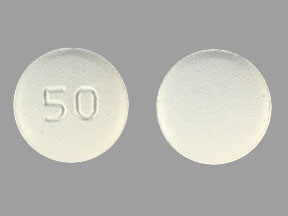
25 mg (of quetiapine)* |
Quetiapine Fumarate Tablets |
|
|
SEROquel |
AstraZeneca |
|||
|
50 mg (of quetiapine)* |
Quetiapine Fumarate Tablets |
|||
|
SEROquel |
AstraZeneca |
|||
|
100 mg (of quetiapine)* |
Quetiapine Fumarate Tablets |
|||
|
SEROquel |
AstraZeneca |
|||
|
150 mg (of quetiapine)* |
Quetiapine Fumarate Tablets |
|||
|
200 mg (of quetiapine)* |
Quetiapine Fumarate Tablets |
|||
|
SEROquel |
AstraZeneca |
|||
|
300 mg (of quetiapine)* |
Quetiapine Fumarate Tablets |
|||
|
SEROquel |
AstraZeneca |
|||
|
400 mg (of quetiapine)* |
Quetiapine Fumarate Tablets |
|||
|
SEROquel |
AstraZeneca |
|||
|
Tablets, Extended-release |
50 mg (of quetiapine)* |
Quetiapine Fumarate Extended-release Tablets |
||
|
SEROquel XR |
||||
|
150 mg (of quetiapine)* |
Quetiapine Fumarate Extended-release Tablets |
|||
|
SEROquel XR |
||||
|
200 mg (of quetiapine)* |
Quetiapine Fumarate Extended-release Tablets |
|||
|
SEROquel XR |
||||
|
300 mg (of quetiapine)* |
Quetiapine Fumarate Extended-release Tablets |
|||
|
SEROquel XR |
||||
|
400 mg (of quetiapine)* |
Quetiapine Fumarate Extended-release Tablets |
|||
|
SEROquel XR |
AHFS DI Essentials™. © Copyright 2025, Selected Revisions July 10, 2025. American Society of Health-System Pharmacists, Inc., 4500 East-West Highway, Suite 900, Bethesda, Maryland 20814.
† Off-label: Use is not currently included in the labeling approved by the US Food and Drug Administration.
Reload page with references included
Related/similar drugs
Frequently asked questions
- What are the strongest sleeping pills?
- Does Seroquel (quetiapine) help you sleep?
- What drugs cause tardive dyskinesia?
More about quetiapine
- Check interactions
- Compare alternatives
- Pricing & coupons
- Reviews (2,275)
- Drug images
- Side effects
- Dosage information
- Patient tips
- During pregnancy
- Support group
- Drug class: atypical antipsychotics
- Breastfeeding
- En español