Levonorgestrel (Systemic)
Medically reviewed by Drugs.com. Last updated on Aug 25, 2025.
Pronunciation
(LEE voe nor jes trel)
Index Terms
- LNG
- Plan B
Dosage Forms
Excipient information presented when available (limited, particularly for generics); consult specific product labeling. [DSC] = Discontinued product
Tablet, Oral:
Aftera: 1.5 mg [DSC]
Aftera: 1.5 mg [contains corn starch]
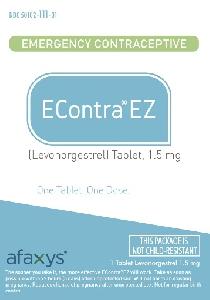
EContra EZ: 1.5 mg
EContra One-Step: 1.5 mg [contains corn starch]
Fallback Solo: 1.5 mg [DSC]
My Choice: 1.5 mg [contains corn starch]
My Way: 1.5 mg [contains corn starch]
New Day: 1.5 mg [contains fd&c blue #1 aluminum lake, fd&c red #40 aluminum lake, fd&c yellow #6 aluminum lake]
Next Choice One Dose: 1.5 mg [DSC] [contains fd&c yellow #6 (sunset yellow)]
Opcicon One-Step: 1.5 mg
Plan B One-Step: 1.5 mg
Plan B One-Step: 1.5 mg [contains corn starch]
React: 1.5 mg [contains corn starch]
Take Action: 1.5 mg
Take Action: 1.5 mg [contains corn starch]
Generic: 1.5 mg
Brand Names: U.S.
- Aftera [OTC]
- EContra EZ [OTC]
- EContra One-Step [OTC]
- Fallback Solo [OTC] [DSC]
- My Choice [OTC]
- My Way [OTC]
- New Day [OTC]
- Next Choice One Dose [OTC] [DSC]
- Opcicon One-Step [OTC]
- Plan B One-Step [OTC]
- React [OTC]
- Take Action [OTC]
Pharmacologic Category
- Contraceptive
- Progestin
Pharmacology
Pregnancy may be prevented through several mechanisms: Thickening of cervical mucus, which inhibits sperm passage through the uterus and sperm survival; inhibition of ovulation, from a negative feedback mechanism on the hypothalamus, leading to reduced secretion of follicle stimulating hormone (FSH) and luteinizing hormone (LH); altering the endometrium, which may affect implantation. Levonorgestrel is not effective once the implantation process has begun.
Absorption
Oral: Rapid and complete
Distribution
Vd: ~1.8 L/kg
Metabolism
Hepatic via CYP3A4; forms inactive metabolites
Excretion
Urine (45%); feces (32%)
Time to Peak
Oral: ~2 hours (Fotherby 1995)
Half-Life Elimination
Oral: ~27 hours
Protein Binding
Highly bound to albumin (~50%) and sex hormone-binding globulin (~47%) (Fotherby 1995)
Special Populations: Race
There was a higher increase in the rate of pregnancy in Chinese women using Next Choice or Plan B One-Step; the reason for this apparent increase is unknown.
Use: Labeled Indications
Emergency contraception: Prevention of pregnancy following unprotected intercourse or possible contraceptive failure
Contraindications
OTC labeling: When used for self-medication, do not use if you are already pregnant; do not use for regular birth control
Canadian labeling: Known or suspected pregnancy; hypersensitivity to levonorgestrel or any component of the formulation; undiagnosed vaginal bleeding
It is not known if the same contraindications associated with long-term progestin-only contraceptives apply to the levonorgestrel emergency contraception dose regimens.
Dosing: Adult
Emergency contraception: Females: Oral: May be used at any time during menstrual cycle:
Two-dose regimen: One 0.75 mg tablet as soon as possible within 72 hours of unprotected sexual intercourse; a second 0.75 mg tablet should be taken 12 hours after the first dose.
Single-dose regimen: One 1.5 mg tablet as soon as possible within 72 hours of unprotected sexual intercourse.
Note: Treatment for emergency contraception should begin as soon as possible; however, treatment is still moderately effective if used within 5 days and should be made available to women up to 5 days after unprotected or inadequately protected intercourse. When using the two-dose emergency contraceptive regimen, the second dose is equally effective if taken 12 to 24 hours after the first (ACOG, 2015).
Dosage adjustment for concomitant therapy:Significant drug interactions exist, requiring dose/frequency adjustment or avoidance. Consult drug interactions database for more information.
Dosing: Geriatric
Not indicated for use in postmenopausal women.
Dosing: Pediatric
Emergency contraception: Females: Refer to adult dosing. Not for use prior to menarche.
Dosage adjustment for concomitant therapy: Significant drug interactions exist, requiring dose/frequency adjustment or avoidance. Consult drug interactions database for more information.
Administration
Oral: Consider repeating the dose if vomiting occurs within 2 hours.
Storage
Store at 20°C to 25°C (68°F to 77°F).
Drug Interactions
Acitretin: May diminish the therapeutic effect of Progestins (Contraceptive). Contraceptive failure is possible. Management: Given the potential for progestin-only preparations to fail to prevent pregnancy during acitretin therapy, such products should not be relied upon. Alternative, nonhormonal forms of contraception must be employed during acitretin therapy. Consider therapy modification
Anticoagulants: Progestins may diminish the therapeutic effect of Anticoagulants. More specifically, the potential prothrombotic effects of some progestins and progestin-estrogen combinations may counteract anticoagulant effects. Management: Carefully weigh the prospective benefits of progestins against the potential increased risk of procoagulant effects and thromboembolism. Use is considered contraindicated under some circumstances. Refer to related guidelines for specific recommendations. Consider therapy modification
Antidiabetic Agents: Hyperglycemia-Associated Agents may diminish the therapeutic effect of Antidiabetic Agents. Monitor therapy
Aprepitant: May decrease the serum concentration of Progestins (Contraceptive). Management: Alternative or additional methods of contraception should be used both during treatment with aprepitant or fosaprepitant and for at least one month following the last aprepitant/fosaprepitant dose. Consider therapy modification
Armodafinil: May decrease the serum concentration of Progestins (Contraceptive). Management: Use alternative or concomitant methods of contraception in patients taking armodafinil and for one month after armodafinil discontinuation. Consider therapy modification
Artemether: May decrease the serum concentration of Progestins (Contraceptive). Management: Consider the use of an alternative (i.e., non-hormonal) means of contraception in all women of childbearing potential who are using artemether. Consider therapy modification
Atazanavir: May increase the serum concentration of Progestins (Contraceptive). However, atazanavir may lead to decreased ethinyl estradiol concentrations and decreased effectiveness of oral contraceptive products. Management: Consider an alternative or additional method of contraception, particularly with combined estrogen/progestin products. Depot medroxyprogesterone acetate may be used without a need for additional contraception. Consider therapy modification
Barbiturates: May diminish the therapeutic effect of Progestins (Contraceptive). Contraceptive failure is possible. Management: Use of alternative, nonhormonal contraceptives is recommended. When using levonorgestrel as emergency contraception, non-US guidelines suggest doubling the dose of levonorgestrel to 3 mg in women who have used enzyme inducing drugs in the past 4 weeks. Consider therapy modification
Bexarotene (Systemic): May decrease the serum concentration of Progestins (Contraceptive). Management: Women of childbearing potential receiving bexarotene should use two reliable forms of contraception (including at least one nonhormonal form) due to the risk of decreased systemic hormone concentrations and fetal harm. Consider therapy modification
Bile Acid Sequestrants: May decrease the serum concentration of Progestins (Contraceptive). Management: Administer oral progestin-containing contraceptives at least 1 to 4 hours prior to or 4 to 6 hours after administration of a bile acid sequestrant. Consider therapy modification
Bosentan: May decrease the serum concentration of Progestins (Contraceptive). Management: Use an alternative (i.e., non-hormonal) means of contraception for all women of childbearing potential who are using bosentan, and do not rely on hormonal contraceptives alone. Consider therapy modification
Brigatinib: May decrease the serum concentration of Progestins (Contraceptive). Management: Females of childbearing potential should use an alternative, non-hormonal contraceptive during brigatinib therapy and for at least 4 months after the final brigatinib dose. Consider therapy modification
C1 inhibitors: Progestins may enhance the thrombogenic effect of C1 inhibitors. Monitor therapy
CarBAMazepine: May diminish the therapeutic effect of Progestins (Contraceptive). Contraceptive failure is possible. Management: Use of alternative, nonhormonal contraceptives is recommended. When using levonorgestrel as an emergency contraceptive, non-US recommendations suggest doubling the levonorgestrel dose to 3 mg if carbamazepine was used in the past 4 weeks. Consider therapy modification
Carfilzomib: May enhance the thrombogenic effect of Progestins (Contraceptive). Management: Consider alternative, non-hormonal methods of contraception in patients requiring therapy with carfilzomib. Consider therapy modification
Cenobamate: May decrease the serum concentration of Hormonal Contraceptives. Management: Women should use additional or alternative non-hormonal birth control while taking cenobamate. Consider therapy modification
Cladribine: May diminish the therapeutic effect of Hormonal Contraceptives. Management: Women using systemically acting hormonal contraceptives should add a barrier method during cladribine dosing and for at least 4 weeks after the last dose in each treatment course. Consider therapy modification
CloBAZam: May decrease the serum concentration of Progestins (Contraceptive). Management: Use additional non-hormonal forms of contraception in patients treated with clobazam due to the potential for reduced contraceptive efficacy. Consider therapy modification
Cobicistat: May increase the serum concentration of Progestins (Contraceptive). Management: Consider an alternative, nonhormone-based contraceptive in patients receiving cobicistat-containing products. Drospirenone is specifically contraindicated with atazanavir and cobicistat. Consider therapy modification
Corticosteroids (Systemic): Progestins may increase the serum concentration of Corticosteroids (Systemic). Monitor therapy
CYP3A4 Inducers (Moderate): May decrease the serum concentration of CYP3A4 Substrates (High risk with Inducers). Monitor therapy
CYP3A4 Inducers (Strong): May increase the metabolism of CYP3A4 Substrates (High risk with Inducers). Management: Consider an alternative for one of the interacting drugs. Some combinations may be specifically contraindicated. Consult appropriate manufacturer labeling. Consider therapy modification
Dabrafenib: May decrease the serum concentration of CYP3A4 Substrates (High risk with Inducers). Management: Seek alternatives to concomitant therapy when possible. If concomitant therapy cannot be avoided, monitor for reduced clinical effects of the CYP3A4 substrate. Consider therapy modification
Dabrafenib: May decrease the serum concentration of Progestins (Contraceptive). Management: Females of reproductive potential should use an alternative, highly effective, non-hormonal means of contraception during and at least 2 weeks (dabrafenib alone) or 4 months (dabrafenib + trametinib) after discontinuation of dabrafenib treatment. Consider therapy modification
Darunavir: May decrease the serum concentration of Progestins (Contraceptive). Management: Consider using an alternative or additional means of contraception. Injected depot medroxyprogesterone acetate may be used without a need for additional contraception. Consider therapy modification
Deferasirox: May decrease the serum concentration of CYP3A4 Substrates (High risk with Inducers). Monitor therapy
Efavirenz: May decrease the serum concentration of Progestins (Contraceptive). Management: Use an alternative or additional method of contraception due to possibly decreased contraceptive effectiveness. Injected depot medroxyprogesterone acetate does not appear to participate in this interaction. Consider therapy modification
Elexacaftor, Tezacaftor, and Ivacaftor: Hormonal Contraceptives may enhance the adverse/toxic effect of Elexacaftor, Tezacaftor, and Ivacaftor. Specifically, the risk for rash may be increased. Monitor therapy
Encorafenib: May decrease the serum concentration of Progestins (Contraceptive). Avoid combination
Enzalutamide: May decrease the serum concentration of CYP3A4 Substrates (High risk with Inducers). Management: Concurrent use of enzalutamide with CYP3A4 substrates that have a narrow therapeutic index should be avoided. Use of enzalutamide and any other CYP3A4 substrate should be performed with caution and close monitoring. Consider therapy modification
Erdafitinib: May decrease the serum concentration of CYP3A4 Substrates (High risk with Inducers). Monitor therapy
Eslicarbazepine: May decrease the serum concentration of Progestins (Contraceptive). Management: Alternative, non-hormonal means of birth control should be considered for women of child-bearing potential. Consider therapy modification
Exenatide: May decrease the serum concentration of Progestins (Oral Contraceptive). Management: Administer oral contraceptives at least one hour prior to exenatide. Consider therapy modification
Felbamate: May decrease the serum concentration of Progestins (Contraceptive). Management: Contraceptive failure is possible. Use of an alternative, nonhormonal method of contraception is recommended. Consider therapy modification
Flibanserin: Progestins (Contraceptive) may increase the serum concentration of Flibanserin. Monitor therapy
Fosamprenavir: Progestins (Contraceptive) may decrease serum concentrations of the active metabolite(s) of Fosamprenavir. Fosamprenavir may decrease the serum concentration of Progestins (Contraceptive). Management: Consider using an alternative or additional means of contraception. Injected depot medroxyprogesterone acetate may be used without a need for additional contraception. Consider therapy modification
Fosaprepitant: May decrease the serum concentration of Progestins (Contraceptive). The active metabolite aprepitant is likely responsible for this effect. Management: Alternative or additional methods of contraception should be used both during treatment with aprepitant or fosaprepitant and for at least one month following the last aprepitant/fosaprepitant dose. Consider therapy modification
Fosphenytoin: May diminish the therapeutic effect of Progestins (Contraceptive). Contraceptive failure is possible. Management: Contraceptive failure is possible. Use of an alternative, nonhormonal contraceptive is recommended. Consider therapy modification
Griseofulvin: May diminish the therapeutic effect of Progestins (Contraceptive). Contraceptive failure is possible. Avoid combination
Herbs (Progestogenic Properties) (eg, Bloodroot, Yucca): May enhance the adverse/toxic effect of Progestins. Monitor therapy
Ivosidenib: May decrease the serum concentration of Progestins (Contraceptive). Management: Consider alternative methods of contraception (ie, non-hormonal) in patients receiving ivosidenib. Consider therapy modification
Ixazomib: May decrease the serum concentration of Progestins (Contraceptive). More specifically, use of ixazomib with dexamethasone may decrease the serum concentrations of contraceptive progestins. Management: Patients of childbearing potential should use a nonhormonal barrier contraceptive during and 90 days following ixazomib treatment. Avoid combination
LamoTRIgine: May decrease the serum concentration of Progestins (Contraceptive). Monitor therapy
Lesinurad: May decrease the serum concentration of Progestins (Contraceptive). Management: Use of an additional, nonhormonal contraceptive is recommended in patients being treated with lesinurad who desire effective contraception. Consider therapy modification
Lixisenatide: May decrease the serum concentration of Progestins (Contraceptive). Management: Administer oral contraceptives 1 hour before or at least 11 hours after administration of lixisenatide. Consider therapy modification
Lopinavir: May decrease the serum concentration of Progestins (Contraceptive). Lopinavir may increase the serum concentration of Progestins (Contraceptive). Management: Consider using an alternative or additional means of contraception. Injected depot medroxyprogesterone acetate and etonogestrel implants may be used without a need for additional contraception. Consider therapy modification
Lumacaftor and Ivacaftor: May decrease the serum concentration of Hormonal Contraceptives. Management: Do not rely on hormone-based contraceptives with concurrent use of lumacaftor/ivacaftor; an alternative, non-hormonal, method of contraception should be used if this combination is required. Consider therapy modification
Metreleptin: May decrease the serum concentration of Progestins (Contraceptive). Metreleptin may increase the serum concentration of Progestins (Contraceptive). Monitor therapy
MiFEPRIStone: May diminish the therapeutic effect of Progestins (Contraceptive). MiFEPRIStone may increase the serum concentration of Progestins (Contraceptive). Management: Women of childbearing potential should use an effective, nonhormonal means of contraception during and 4 weeks following mifepristone treatment. Consider therapy modification
Mitotane: May decrease the serum concentration of CYP3A4 Substrates (High risk with Inducers). Management: Doses of CYP3A4 substrates may need to be adjusted substantially when used in patients being treated with mitotane. Consider therapy modification
Modafinil: May decrease the serum concentration of Progestins (Contraceptive). Management: Use alternative or concomitant methods of contraception in patients taking modafinil and for one month after modafinil discontinuation. Consider therapy modification
Mycophenolate: May decrease the serum concentration of Progestins (Contraceptive). Management: Use of an additional or alternative (nonhormonal) method of contraception should be considered. Consider therapy modification
Nelfinavir: May decrease the serum concentration of Progestins (Contraceptive). Management: Use alternative/additional method of contraception due to possibly decreased contraceptive efficacy. Injected depot medroxyprogesterone acetate does not appear to participate in this interaction. Consider therapy modification
Octreotide: May decrease the serum concentration of Hormonal Contraceptives. Management: Women should use an alternative non-hormonal method of contraception or a back-up method when octreotide is combined with hormonal contraceptives. Consider therapy modification
OXcarbazepine: May decrease the serum concentration of Progestins (Contraceptive). Management: Contraceptive failure is possible. Use of an additional or alternative, nonhormonal method of contraception is recommended. Consider therapy modification
Perampanel: May decrease the serum concentration of Progestins (Contraceptive). Management: Patients should use an alternative, nonhormonal-based form of contraception both during the concurrent use of perampanel and for 1 month after discontinuing perampanel. Oral and non-oral contraceptives likely participate in this interaction. Consider therapy modification
Pexidartinib: May decrease the serum concentration of Hormonal Contraceptives. Management: Use an effective non-hormonal form of contraception. Avoid combination
Phenytoin: May diminish the therapeutic effect of Progestins (Contraceptive). Contraceptive failure is possible. Management: Contraceptive failure is possible. Use of an alternative, nonhormonal contraceptive is recommended. Consider therapy modification
Pitolisant: May decrease the serum concentration of Hormonal Contraceptives. Management: Patients using hormonal contraception should be advised to use an alternative non-hormonal contraceptive method during treatment with pitolisant and for at least 21 days after discontinuation of pitolisant treatment. Consider therapy modification
Pomalidomide: Progestins may enhance the thrombogenic effect of Pomalidomide. Management: Canadian pomalidomide labeling recommends caution with use of hormone replacement therapy and states that hormonal contraceptives are not recommended. US pomalidomide labeling does not contain these specific recommendations. Consider therapy modification
Primidone: May diminish the therapeutic effect of Progestins (Contraceptive). Contraceptive failure is possible. Management: Use of alternative, nonhormonal contraceptives is recommended. When using levonorgestrel as emergency contraception, non-US guidelines suggest doubling the dose of levonorgestrel to 3 mg in women who have used enzyme inducing drugs in the past 4 weeks. Consider therapy modification
Retinoic Acid Derivatives: May diminish the therapeutic effect of Progestins (Contraceptive). Retinoic Acid Derivatives may decrease the serum concentration of Progestins (Contraceptive). Management: Two forms of effective contraception should be used in patients receiving retinoic acid derivatives. Microdosed progesterone-only preparations (ie, minipills that do not contain estrogen) are considered an inadequate method of contraception. Consider therapy modification
Rifamycin Derivatives: May decrease the serum concentration of Progestins (Contraceptive). Contraceptive failure is possible. Management: Contraceptive failure is possible. Use of an alternative, nonhormonal contraceptive is recommended. Recommendations outside the US recommend doubling the levonorgestrel dose to 3 mg if used for emergency contraception. Consider therapy modification
Rufinamide: May decrease the serum concentration of Hormonal Contraceptives. Management: Use of rufinamide may reduce the effectiveness of hormonal contraceptives. Advise patients who are using a hormonal contraceptive with rufinamide to use an additional non-hormonal form of contraception during concomitant therapy. Consider therapy modification
Saquinavir: May decrease the serum concentration of Progestins (Contraceptive). Management: Use an alternative or additional method of contraception due to possibly decreased contraceptive effectiveness. Injected depot medroxyprogesterone acetate does not appear to participate in this interaction. Consider therapy modification
Sarilumab: May decrease the serum concentration of CYP3A4 Substrates (High risk with Inducers). Monitor therapy
Selegiline: Progestins (Contraceptive) may increase the serum concentration of Selegiline. Monitor therapy
Siltuximab: May decrease the serum concentration of CYP3A4 Substrates (High risk with Inducers). Monitor therapy
St John's Wort: May diminish the therapeutic effect of Progestins (Contraceptive). Contraceptive failure is possible. Management: Consider using a product other than St John's wort. Contraceptive failure is possible. Use of an alternative, nonhormonal contraceptive is recommended. Consider therapy modification
Sugammadex: May decrease the serum concentration of Progestins (Contraceptive). Management: Patients receiving any hormonal contraceptive (oral or non-oral) should use an additional, nonhormonal contraceptive method during and for 7 days following sugammadex treatment. Consider therapy modification
Tazemetostat: May decrease the serum concentration of Hormonal Contraceptives. Management: Women of reproductive potential should use a non-hormonal contraceptive method during treatment with tazemetostat and for 6 months after. Men with female partners should use contraception during treatment and for 3 months after. Consider therapy modification
Tetrahydrocannabinol and Cannabidiol: May decrease the serum concentration of Hormonal Contraceptives. Management: Women using hormonal contraceptives should consider adding a barrier contraceptive due to the potential for tetrahydrocannabinol and cannabidiol to decrease concentrations and effectiveness of hormonal contraceptives. Consider therapy modification
Thalidomide: Progestins (Contraceptive) may enhance the thrombogenic effect of Thalidomide. Monitor therapy
Tipranavir: May increase the serum concentration of Progestins (Contraceptive). Management: Use an alternative or additional method of contraception due to possibly decreased contraceptive effectiveness. Injected depot medroxyprogesterone acetate does not appear to participate in this interaction. Consider therapy modification
Tocilizumab: May decrease the serum concentration of CYP3A4 Substrates (High risk with Inducers). Monitor therapy
Topiramate: May decrease the serum concentration of Progestins (Contraceptive). Management: Caution patients that this combination may be associated with reduced contraceptive effectiveness. Consider adding an additional (non-hormonal) contraceptive method. Consider therapy modification
Tranexamic Acid: Progestins (Contraceptive) may enhance the thrombogenic effect of Tranexamic Acid. Avoid combination
Triazolam: Hormonal Contraceptives may increase the serum concentration of Triazolam. Monitor therapy
Ulipristal: Progestins may diminish the therapeutic effect of Ulipristal. Ulipristal may diminish the therapeutic effect of Progestins. Management: Ulipristal for uterine fibroids (Canadian indication): avoid progestins within 12 days of stopping ulipristal; as emergency contraceptive (U.S. indication): avoid progestins within 5 days of stopping ulipristal. Avoid combination
Vitamin K Antagonists (eg, warfarin): Progestins (Contraceptive) may diminish the anticoagulant effect of Vitamin K Antagonists. In contrast, enhanced anticoagulant effects have also been noted with some products. Management: When possible, concomitant hormonal contraceptives and coumarin derivatives should be avoided in order to eliminate the risk of thromboembolic disorders. Consider using an alternative, nonhormonal contraceptive. Consider therapy modification
Voriconazole: May increase the serum concentration of Progestins (Contraceptive). Progestins (Contraceptive) may increase the serum concentration of Voriconazole. Monitor therapy
Adverse Reactions
The following adverse drug reactions and incidences are derived from product labeling unless otherwise specified.
Frequency not always defined.
>10%:
Central nervous system: Fatigue (13%)
Endocrine & metabolic: Hypermenorrhea (31%)
Gastrointestinal: Nausea (14%), abdominal pain (13%)
1% to 10%:
Central nervous system: Dizziness (10%), headache (10%)
Endocrine & metabolic: Suppressed menstruation (5%)
Genitourinary: Breast tenderness (8%)
Postmarketing and/or case reports: Dysmenorrhea, irregular menses, oligomenorrhea, pelvic pain, vomiting
Related/similar drugs
Warnings/Precautions
Concerns related to adverse effects:
• Bleeding irregularities: Spotting may occur following use; the possibility of pregnancy should be considered if menstruation is delayed for >7 days of the expected menstrual period (ACOG 2015).
• Ectopic pregnancy: A history of ectopic pregnancy is not a contraindication for use as an emergency contraceptive (Curtis 2016b). The possibility of ectopic pregnancy should be considered in patients with lower abdominal pain, especially in association with missed periods or vaginal bleeding in women with prior amenorrhea (ACOG 2015).
Other warnings/precautions:
• Appropriate use: Not intended to be used for routine contraception and is not effective in terminating an existing pregnancy (ACOG 2015).
• Body weight: Use as an emergency contraceptive may be less effective in women with a BMI ≥30 kg/m2 compared with women with a BMI ≤25 kg/m2; however, no safety concerns exist and the advantages of use generally outweigh potential risks (Curtis 2016b). The CDC recommends that obese women can generally use any type of contraceptive but suggests that levonorgestrel may be less efficacious in obese women compared to ulipristal acetate (Curtis 2016a).
• Fertility: Barrier contraception is recommended immediately following emergency contraception (ACOG 2015; Curtis 2016a).
• HIV infection protection: Emergency contraceptives do not protect against HIV infection or other sexually transmitted diseases (Curtis 2016a).
Monitoring Parameters
Evaluate for pregnancy, spontaneous abortion or ectopic pregnancy if normal (expected) menstrual period is delayed for ≥1 week following emergency contraception, or if lower abdominal pain or persistent irregular bleeding develops (ACOG 2015).
Reproductive Considerations
Levonorgestrel may be used as an emergency contraceptive in women with contraindications to conventional hormonal contraceptive agents (eg, cardiovascular disease, migraines, liver disease) (ACOG 2015; Curtis 2016b).
A rapid return of fertility is expected following use for emergency contraception; routine contraceptive measures should be initiated or continued following use to ensure ongoing prevention of pregnancy. Any regular contraceptive method can be started immediately after levonorgestrel; however, a barrier method (or abstinence from sexual intercourse) is also needed for 7 days (ACOG 2015; Curtis 2016a).
Pregnancy Considerations
Not for use in women confirmed to be pregnant. Adverse effects to the mother or fetus have not been observed following inadvertent exposure during pregnancy (Curtis 2016b).
Patient Education
What is this drug used for?
• It is used to lower the chance of pregnancy after unprotected sex.
All drugs may cause side effects. However, many people have no side effects or only have minor side effects. Call your doctor or get medical help if any of these side effects or any other side effects bother you or do not go away:
• Headache
• Nausea
• Breast soreness
• Dizziness
• Menstrual changes
• Loss of strength and energy
WARNING/CAUTION: Even though it may be rare, some people may have very bad and sometimes deadly side effects when taking a drug. Tell your doctor or get medical help right away if you have any of the following signs or symptoms that may be related to a very bad side effect:
• Severe abdominal pain
• Signs of an allergic reaction, like rash; hives; itching; red, swollen, blistered, or peeling skin with or without fever; wheezing; tightness in the chest or throat; trouble breathing, swallowing, or talking; unusual hoarseness; or swelling of the mouth, face, lips, tongue, or throat.
Note: This is not a comprehensive list of all side effects. Talk to your doctor if you have questions.
Consumer Information Use and Disclaimer: This information should not be used to decide whether or not to take this medicine or any other medicine. Only the healthcare provider has the knowledge and training to decide which medicines are right for a specific patient. This information does not endorse any medicine as safe, effective, or approved for treating any patient or health condition. This is only a limited summary of general information about the medicine’s uses from the patient education leaflet and is not intended to be comprehensive. This limited summary does NOT include all information available about the possible uses, directions, warnings, precautions, interactions, adverse effects, or risks that may apply to this medicine. This information is not intended to provide medical advice, diagnosis or treatment and does not replace information you receive from the healthcare provider. For a more detailed summary of information about the risks and benefits of using this medicine, please speak with your healthcare provider and review the entire patient education leaflet.
Frequently asked questions
- Can Plan B make your period late or cause bleeding?
- Can you drink alcohol after taking Plan B?
- How effective is Plan B and how late can you take it?
- How many times can you take Plan B?
- What's the weight limit for Plan B?
- What are my birth control options and how effective are they?
- Mirena, Kyleena, Skyla & Liletta - What's the difference?
More about levonorgestrel
- Check interactions
- Compare alternatives
- Pricing & coupons
- Reviews (10,543)
- Drug images
- Latest FDA alerts (1)
- Side effects
- Dosage information
- During pregnancy
- Support group
- Drug class: contraceptives
Patient resources
- Levonorgestrel emergency contraceptive drug information
- Levonorgestrel intrauterine system
- Levonorgestrel (Intradermal) (Advanced Reading)
- Levonorgestrel (Intrauterine) (Advanced Reading)
- Levonorgestrel (Oral) (Advanced Reading)
Other brands
Mirena, Plan B One-Step, Kyleena, Skyla, ... +15 more
Professional resources
Other brands
Mirena, Plan B One-Step, Kyleena, Skyla, ... +3 more
Related treatment guides
Further information
Always consult your healthcare provider to ensure the information displayed on this page applies to your personal circumstances.