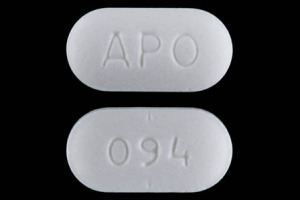
Doxazosin (Monograph)
Brand name: Cardura
Drug class: alpha-Adrenergic Blocking Agents
Introduction
Postsynaptic α1-adrenergic blocking agent; quinazoline derivative.
Uses for Doxazosin
Hypertension
Management of hypertension (alone or in combination with other classes of antihypertensive agents).
Not considered a preferred agent for initial management of hypertension according to current evidence-based hypertension guidelines, but may be useful in the management of resistant hypertension as a component of combination therapy.
Most effective when used in combination with a diuretic; beneficial effects of α1-blockers on blood glucose and lipid concentrations also may mitigate some adverse metabolic effects of diuretics.
Some experts state that an α1-blocker may be a second-line agent in antihypertensive treatment regimens in men with coexisting benign prostatic hyperplasia (BPH); however, the American Urology Association (AUA) states that monotherapy with these drugs is not optimal in hypertensive patients with lower urinary tract symptoms (LUTS) or BPH and that such conditions should be managed separately.
Individualize choice of therapy; consider patient characteristics (e.g., age, ethnicity/race, comorbidities, cardiovascular risk) as well as drug-related factors (e.g., ease of administration, availability, adverse effects, cost).
A 2017 ACC/AHA multidisciplinary hypertension guideline classifies BP in adults into 4 categories: normal, elevated, stage 1 hypertension, and stage 2 hypertension. (See Table 1.)
Source: Whelton PK, Carey RM, Aronow WS et al. 2017 ACC/AHA/AAPA/ABC/ACPM/AGS/APhA/ASH/ASPC/NMA/PCNA guideline for the prevention, detection, evaluation, and management of high blood pressure in adults: a report of the American College of Cardiology/American Heart Association Task Force on Clinical Practice Guidelines. Hypertension. 2018;71:e13-115.
Individuals with SBP and DBP in 2 different categories (e.g., elevated SBP and normal DBP) should be designated as being in the higher BP category (i.e., elevated BP).
|
Category |
SBP (mm Hg) |
DBP (mm Hg) |
|
|---|---|---|---|
|
Normal |
<120 |
and |
<80 |
|
Elevated |
120–129 |
and |
<80 |
|
Hypertension, Stage 1 |
130–139 |
or |
80–89 |
|
Hypertension, Stage 2 |
≥140 |
or |
≥90 |
The goal of hypertension management and prevention is to achieve and maintain optimal control of BP. However, the BP thresholds used to define hypertension, the optimum BP threshold at which to initiate antihypertensive drug therapy, and the ideal target BP values remain controversial.
The 2017 ACC/AHA hypertension guideline generally recommends a target BP goal (i.e., BP to achieve with drug therapy and/or nonpharmacologic intervention) of <130/80 mm Hg in all adults regardless of comorbidities or level of atherosclerotic cardiovascular disease (ASCVD) risk. In addition, an SBP goal of <130 mm Hg generally is recommended for noninstitutionalized ambulatory patients ≥65 years of age with an average SBP of ≥130 mm Hg. These BP goals are based upon clinical studies demonstrating continuing reduction of cardiovascular risk at progressively lower levels of SBP.
Other hypertension guidelines generally based target BP goals on age and comorbidities. Guidelines such as those issued by the JNC 8 expert panel generally have targeted a BP goal of <140/90 mm Hg regardless of cardiovascular risk, and have used higher BP thresholds and target BPs in elderly patients compared with those recommended by the 2017 ACC/AHA hypertension guideline.
Some clinicians continue to support previous target BPs recommended by JNC 8 due to concerns about the lack of generalizability of data from some clinical trials (e.g., SPRINT study) used to support the 2017 ACC/AHA hypertension guideline and potential harms (e.g., adverse drug effects, costs of therapy) versus benefits of BP lowering in patients at lower risk of cardiovascular disease.
Consider potential benefits of hypertension management and drug cost, adverse effects, and risks associated with the use of multiple antihypertensive drugs when deciding a patient's BP treatment goal.
For decisions regarding when to initiate drug therapy (BP threshold), the 2017 ACC/AHA hypertension guideline incorporates underlying cardiovascular risk factors. ASCVD risk assessment is recommended by ACC/AHA for all adults with hypertension.
ACC/AHA currently recommend initiation of antihypertensive drug therapy in addition to lifestyle/behavioral modifications at an SBP ≥140 mm Hg or DBP ≥90 mm Hg in adults who have no history of cardiovascular disease (i.e., primary prevention) and a low ASCVD risk (10-year risk <10%).
For secondary prevention in adults with known cardiovascular disease or for primary prevention in those at higher risk for ASCVD (10-year risk ≥10%), ACC/AHA recommend initiation of antihypertensive drug therapy at an average SBP ≥130 mm Hg or an average DBP ≥80 mm Hg.
Adults with hypertension and diabetes mellitus, chronic kidney disease (CKD), or age ≥65 years are assumed to be at high risk for cardiovascular disease; ACC/AHA state that such patients should have antihypertensive drug therapy initiated at a BP ≥130/80 mm Hg. Individualize drug therapy in patients with hypertension and underlying cardiovascular or other risk factors.
In stage 1 hypertension, experts state that it is reasonable to initiate drug therapy using the stepped-care approach in which one drug is initiated and titrated and other drugs are added sequentially to achieve the target BP. Initiation of antihypertensive therapy with 2 first-line agents from different pharmacologic classes recommended in adults with stage 2 hypertension and average BP >20/10 mm Hg above BP goal.
Benign Prostatic Hyperplasia
Reduction of urinary obstruction and relief of associated manifestations in hypertensive or normotensive patients with symptomatic BPH.
Although drug therapy usually is not as effective as surgical therapy, it may provide adequate symptomatic relief with fewer and less serious adverse effects compared with surgery.
May consider combined therapy with an α1-blocker and 5α-reductase inhibitor for men with bothersome moderate to severe BPH and demonstrable prostatic enlargement. Has been more effective than therapy with either drug alone in preventing long-term BPH symptom progression. Men at risk for BPH progression are most likely to benefit from combination therapy.
Doxazosin Dosage and Administration
General
BP Monitoring and Treatment Goals
-
Monitor BP regularly (i.e., monthly) during therapy and adjust dosage of the antihypertensive drug until BP controlled.
-
If unacceptable adverse effects occur, discontinue drug and initiate another antihypertensive agent from a different pharmacologic class.
-
If adequate BP response not achieved with a single antihypertensive agent, either increase dosage of single drug or add a second drug with demonstrated benefit and preferably a complementary mechanism of action (e.g., ACE inhibitor, angiotensin II receptor antagonist, calcium-channel blocker, thiazide diuretic). Many patients will require ≥2 drugs from different pharmacologic classes to achieve BP goal; if goal BP still not achieved with 2 antihypertensive agents, add a third drug.
Administration
Oral Administration
Administer orally once daily in the morning or evening. Effect of food on maximum plasma concentration and AUC not clinically important.
Dosage
Available as doxazosin mesylate; dosage expressed in terms of doxazosin.
Individualize dosage according to patient response and tolerance. Initiate at low dosage to minimize frequency of postural hypotension and syncope.
Postural effects are most likely to occur 2–6 hours after a dose; monitor BP during this period after first dose and with any dosage increases.
If therapy is interrupted for several days, restart using initial dosage regimen.
Pediatric Patients
Hypertension† [off-label]
Oral
Some experts have recommended an initial dosage of 1 mg once daily. Increase dosage as necessary up to a maximum of 4 mg once daily. (See Pediatric Use under Cautions.)
Adults
Hypertension
Oral
Initially, 1 mg once daily. Do not initiate with higher dosages.
Depending on patient response (standing BP 2–6 and 24 hours after initial dose), may increase dosage to 2 mg once daily; make subsequent dosage adjustments by doubling dose until desired BP control is achieved, drug is not tolerated, or maximum daily dosage of 16 mg is reached.
Increased likelihood of excessive postural effects (e.g., syncope, postural dizziness/vertigo, postural hypotension) with dosages >4 mg daily; substantial risk of postural effects with dosages >16 mg daily.
BPH
Oral
Initially, 1 mg once daily in the morning or evening; some clinicians recommend administration at bedtime to minimize postural effects. Do not initiate with higher dosages.
To achieve desired improvement in symptoms and urodynamics, may increase dosage in a stepwise manner to 2, 4, and 8 mg daily as necessary, at intervals ≥1–2 weeks. Do not exceed 8 mg daily.
Prescribing Limits
Pediatric Patients
Hypertension† [off-label]
Oral
Maximum 4 mg daily.
Adults
Hypertension
Oral
Maximum 16 mg daily.
BPH
Oral
Maximum 8 mg daily.
Special Populations
Geriatric Patients
Hypertension
Select dosage carefully, usually initiating therapy at the low end of the dosage range, because of possible age-related decreases in hepatic, renal, and/or cardiac function and concomitant disease and drug therapy; generally, increase dosage more slowly in geriatric patients than in younger adults.
Cautions for Doxazosin
Contraindications
-
Known hypersensitivity to doxazosin, quinazolines (e.g., prazosin, terazosin), or any ingredient in the formulation.
Warnings/Precautions
Warnings
Postural Hypotension
Marked hypotension, especially in the upright position, can occur; may be accompanied by syncope and other postural effects (e.g., dizziness, lightheadedness, vertigo).
Postural effects are most common after initial dose but may also occur when dosage is increased or when therapy is resumed after an interruption exceeding a few days.
To decrease risk of excessive hypotension and syncope, initiate therapy at a low dosage (i.e., 1 mg daily) and titrate slowly; initiate concomitant antihypertensive agents with caution.
If syncope or hypotension occurs, place patient in a recumbent position and institute supportive therapy as necessary; a transient hypotensive response is not a contraindication to further doses.
Use with particular caution in patients in occupations in which orthostatic hypotension could be dangerous.
Priapism
Priapism reported rarely; may lead to permanent impotence if not treated promptly.
General Precautions
Prostate Cancer
Exclude possibility of prostate cancer before initiation of therapy for BPH.
Hematologic Effects
Possible decreases in leukocyte and neutrophil counts in patients receiving α1-adrenergic blocking agents, including doxazosin.
Specific Populations
Pregnancy
Category C.
Lactation
Distributed into milk in rats; not known whether distributed into human milk. Caution if used in nursing women.
Pediatric Use
Manufacturer states that safety and efficacy not established in children.
Some experts suggest reserving use of centrally acting antihypertensive agents (e.g., doxazosin) for children who do not respond to therapy with 2 or more preferred classes of antihypertensive agents (angiotensin-converting enzyme [ACE] inhibitors, angiotensin II receptor antagonists, long-acting calcium-channel blockers, or thiazide diuretics).
Geriatric Use
Geriatric patients may be particularly susceptible to postural effects.
BPH: Safety and efficacy were similar in those ≥65 years of age compared with younger patients.
Hypertension: Clinical studies did not include sufficient numbers of patients ≥65 years of age to determine whether geriatric patients respond differently than younger adults; other clinical experience has not revealed age-related differences in response. Select dosage with caution. (See Geriatric Patients under Dosage and Administration.)
Hepatic Impairment
Use with caution in patients with hepatic impairment and those who are receiving other agents known to influence hepatic metabolism. (See Interactions.)
Common Adverse Effects
Dizziness, headache, drowsiness, fatigue, edema, nausea, dyspnea, somnolence, abdominal pain, diarrhea.
Drug Interactions
No formal drug interaction studies to date, but no interactions observed in patients receiving various agents concomitantly during clinical trials. (See Specific Drugs and Laboratory Tests.)
Antihypertensive Agents
Potential pharmacodynamic interaction (additive hypotensive effects; initiate additional antihypertensive agents with caution).
Drugs Affecting Hepatic Metabolism
Potential pharmacokinetic interaction; use concomitantly with caution.
Protein-bound Drugs
Potential pharmacokinetic interaction (displacement of doxazosin or other protein-bound drug); no information available to date on effect of other highly protein-bound drugs on doxazosin binding. Doxazosin has no effect on protein binding of certain drugs in vitro. (See Specific Drugs and Laboratory Tests.)
Specific Drugs and Laboratory Tests
|
Drug or Test |
Interaction |
Comments |
|---|---|---|
|
Acetaminophen |
No interaction observed in clinical trials |
|
|
Amoxicillin |
No interaction observed in clinical trials |
|
|
Antacids |
No interaction observed in clinical trials |
|
|
β-Blockers (e.g., atenolol, propranolol) |
No interaction observed in clinical trials |
|
|
Chlorpheniramine |
No interaction observed in clinical trials |
|
|
Cimetidine |
Increased AUC (10%) of doxazosin |
Clinical importance unknown |
|
Codeine |
No interaction observed in clinical trials |
|
|
Corticosteroids |
No interaction observed in clinical trials |
|
|
Co-trimoxazole |
No interaction observed in clinical trials |
|
|
Diazepam |
No interaction observed in clinical trials |
|
|
Digoxin |
No effect on digoxin protein binding in vitro |
|
|
Diuretics, thiazide (e.g., hydrochlorothiazide) |
No interaction observed in clinical trials |
|
|
Erythromycin |
No interaction observed in clinical trials |
|
|
Finasteride |
Adverse effects with concomitant use generally reflect combined toxicity profile of each drug alone |
|
|
Hypoglycemic agents |
No interaction observed in clinical trials |
|
|
NSAIAs (e.g., aspirin, ibuprofen, indomethacin) |
No interaction observed in clinical trials; no effect on indomethacin protein binding in vitro |
|
|
Phenytoin |
No effect on phenytoin protein binding in vitro |
|
|
Test for prostate specific antigen (PSA) |
No effect on plasma PSA concentrations in patients receiving doxazosin for up to 3 years |
|
|
Warfarin |
No effect on warfarin protein binding in vitro |
Doxazosin Pharmacokinetics
Absorption
Bioavailability
Peak plasma concentrations attained within about 2–3 hours.
Bioavailability is approximately 65%.
Onset
In patients with hypertension, maximum reduction in BP usually occurs 2–6 hours after administration.
In patients with BPH, decreased severity of symptoms and improved urinary flow rate observed within 1–2 weeks.
Food
Food decreases mean maximum plasma concentrations and AUC by 18 and 12%, respectively; not statistically or clinically significant.
Distribution
Extent
Crosses the placenta and is distributed into milk in animals; not known whether distributed into human milk.
Plasma Protein Binding
Approximately 98%.
Elimination
Metabolism
Extensively metabolized, principally in the liver by O-demethylation of quinazoline nucleus or hydroxylation of benzodioxan moiety, to several active metabolites; pharmacokinetics of metabolites not characterized.
Elimination Route
Excreted in feces (63%) and urine (9%) mainly as metabolites; only 4.8% and trace amounts excreted unchanged in feces and urine, respectively.
Half-life
Biphasic; terminal half-life is approximately 22 hours.
Special Populations
In patient with cirrhosis (Child-Pugh class A), systemic exposure was increased by 40% after a single 2-mg dose. Effect of hepatic impairment on disposition not established in controlled clinical studies.
In geriatric patients and patients with renal impairment, clinically important alterations in pharmacokinetics not observed to date.
Stability
Storage
Oral
Tablets
<30°C.
Actions
-
Reduces peripheral vascular resistance and BP as a result of vasodilating effects; produces both arterial and venous dilation.
-
Binds to α-adrenergic receptors on the prostate capsule, prostate adenoma, and the bladder trigone, resulting in decreased urinary outflow resistance in men.
-
May improve to limited extent the serum lipid profile (e.g., small increases in HDL and HDL/total cholesterol ratio; small decreases in LDL, total cholesterol, and triglyceride concentrations). Can decrease blood glucose and serum insulin concentrations.
Advice to Patients
-
Possible syncopal and orthostatic symptoms, especially at initiation of therapy; importance of avoiding driving or other hazardous tasks where injury could occur for 24 hours after first dose, a dosage increase, or when resumed after therapy interruption.
-
Importance of sitting or lying down when symptoms of lowered BP occur, and of rising carefully from a sitting or lying position.
-
Importance of informing clinician if bothersome dizziness, lightheadedness, or palpitations occur.
-
Possible drowsiness or somnolence; use caution when operating machinery or driving a motor vehicle until effects on individual are known.
-
Importance of men seeking immediate medical attention if painful or sustained (for hours) erection occurs.
-
Importance of women informing clinicians if they are or plan to become pregnant or plan to breast-feed.
-
Importance of informing clinicians of existing or contemplated concomitant therapy, including prescription and OTC drugs, as well as concomitant illnesses.
-
Importance of informing patients of other important precautionary information. (See Cautions.)
Preparations
Excipients in commercially available drug preparations may have clinically important effects in some individuals; consult specific product labeling for details.
Please refer to the ASHP Drug Shortages Resource Center for information on shortages of one or more of these preparations.
* available from one or more manufacturer, distributor, and/or repackager by generic (nonproprietary) name
|
Routes |
Dosage Forms |
Strengths |
Brand Names |
Manufacturer |
|---|---|---|---|---|
|
Oral |
Tablets |
1 mg (of doxazosin)* |
Cardura (scored) |
Pfizer |
|
Doxazosin Mesylate Tablets |
||||
|
2 mg (of doxazosin)* |
Cardura (scored) |
Pfizer |
||
|
Doxazosin Mesylate Tablets |
||||
|
4 mg (of doxazosin)* |
Cardura (scored) |
Pfizer |
||
|
Doxazosin Mesylate Tablets |
||||
|
8 mg (of doxazosin)* |
Cardura (scored) |
Pfizer |
||
|
Doxazosin Mesylate Tablets |
AHFS DI Essentials™. © Copyright 2025, Selected Revisions April 10, 2024. American Society of Health-System Pharmacists, Inc., 4500 East-West Highway, Suite 900, Bethesda, Maryland 20814.
† Off-label: Use is not currently included in the labeling approved by the US Food and Drug Administration.
Reload page with references included
Related/similar drugs
More about doxazosin
- Check interactions
- Compare alternatives
- Pricing & coupons
- Reviews (70)
- Drug images
- Side effects
- Dosage information
- Patient tips
- During pregnancy
- Drug class: alpha blockers
- Breastfeeding
- En español