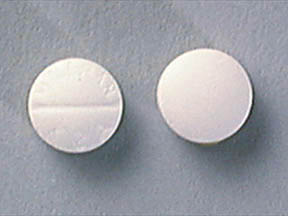
Busulfan (Monograph)
Brand names: Busulfex, Myleran
Drug class: Antineoplastic Agents
- Alkylating Agents
VA class: AN100
CAS number: 55-98-1
Warning
- Hematologic Toxicity
-
Highly toxic drug with a low therapeutic index.
-
Possible severe bone marrow hypoplasia; discontinue therapy temporarily or reduce dosage at the first sign of abnormal bone marrow depression. In some cases, bone marrow examination may be necessary in addition to blood counts.
- Experience of Supervising Clinician
-
Use under constant supervision of a qualified clinician experienced in therapy with antineoplastic agents.
-
Clinicians supervising the administration of IV busulfan also should be experienced in hematopoietic stem cell transplantation and in the management of patients with severe pancytopenia.
Introduction
Antineoplastic agent; bifunctional alkylating agent.
Chronic Myelogenous Leukemia
Used IV in combination with cyclophosphamide: as a conditioning regimen prior to allogeneic hematopoietic progenitor cell transplantation in patients with chronic myelogenous leukemia (CML) (designated an orphan drug by US FDA for this use).
Also administered orally† [off-label] as a component of a conditioning regimen prior to allogeneic transplantation.
Rarely, used as an alternative agent for palliative treatment of CML. Not curative, but approximately 90% of patients in the chronic phase of CML treated with the drug obtain remissions.
Pretransplant Regimens
Component of pretransplant conditioning regimens in patients undergoing bone marrow transplantation for acute myeloid leukemia and nonmalignant diseases (e.g., sickle cell disease)† [off-label].
Busulfan Dosage and Administration
General
-
Consult specialized references for procedures for proper handling and disposal of antineoplastics.
-
Individualize oral dosage carefully according to clinical and hematologic response and tolerance of the patient in order to obtain optimum therapeutic results with minimum adverse effects.
-
Prophylactic administration of phenytoin is recommended in all patients receiving IV busulfan; also may be considered in patients receiving oral busulfan. (See Nervous System Effects under Cautions.)
-
All patients should should receive antiemetics prior to the first dose of IV busulfan and on a fixed schedule throughout therapy. (See GI Effects under Cautions.)
Blood Sample Collection for Therapeutic Drug Monitoring for Pediatric Patients
-
Base AUC calculations on blood samples collected at specified time points; record actual sampling times.
-
Following the initial dose of IV busulfan, collect blood samples at 2 hours (the end of the infusion), 4 hours, and 6 hours (immediately prior to the next scheduled dose). For doses other than the first dose, collect blood samples prior to the infusion (baseline), and then at 2 hours (the end of the infusion), 4 hours, and 6 hours (immediately prior to the next scheduled dose). Calculations based on fewer samples than specified may result in inaccurate AUC determinations.
-
Collect blood samples from a peripheral IV line to avoid contamination with the infusing drug solution. If blood sample is taken directly from the existing central venous catheter, do not collect sample while the drug is infusing to ensure that the end of the infusion sample is not contaminated with any residual drug. Collect blood samples from a different port than that used for the busulfan infusion.
-
Use an administration set with minimal residual hold-up (priming) volume (1–3 mL) to ensure accurate delivery of the entire prescribed dose and to ensure accurate collection of blood samples. Discard the administration tubing at the end of the 2-hour infusion.
-
Prime the administration set tubing with drug solution to allow accurate documentation of the start time of the infusion. Disconnect the administration tubing at the end of the infusion (2 hours) and flush the central venous catheter line with 5 mL of 0.9% sodium chloride prior to collection of the blood sample from the central venous catheter port. Do not include the time required to flush the indwelling catheter line when recording the busulfan infusion stop time.
-
Perform collection of the blood samples by collecting 1–3 mL of blood into heparinized (Na or Li heparin) Vacutainer tubes. Place the blood samples on wet ice immediately after collection and centrifuge (at 4°C) within 1 hour. Harvest the plasma into appropriate cryovial storage tubes and immediately freeze at -20°C. Send all plasma samples in a frozen state (i.e., on dry ice) to the assay laboratory for the determination of plasma busulfan concentrations.
Administer orally or by IV infusion.
Oral Administration
Administer orally.
IV Administration
Administer by IV infusion.
Rapid infusion has not been evaluated and is not recommended.
Commercially available concentrate for injection must be diluted prior to IV infusion.
Use an administration set with minimal residual hold-up volume (2–5 mL) to administer the drug. Flush the catheter line with about 5 mL of 0.9% sodium chloride or 5% dextrose injection before and after each infusion.
Dilution
Must dilute concentrate for injection in 0.9% sodium chloride injection or 5% dextrose injection with approximately 10 times the volume of the calculated dose to achieve a final concentration of approximately 0.5 mg/mL.
Withdraw the calculated volume using the 5-µm nylon filter provided with each ampul. If using the provided syringe filter in the forward flow direction, the calculated volume of solution should allow for approximately 0.16 mL of residual that will remain in the filter.
Use of filters other than the specific type of filter provided is not recommended. Polycarbonate syringes or polycarbonate filter needles should not be used for the preparation or administration of busulfan solutions.
A new needle should be used to inject the drug into an IV bag (or large-volume syringe) that contains the calculated volume of diluent; according to the manufacturer, the busulfan always must be added to the diluent rather than the diluent being added to the drug.
Invert the diluted infusion several times to ensure thorough mixing.
Rate of Administration
Administer diluted IV solutions via a central venous catheter over 2 hours using a controlled-infusion device (e.g., pump).
Dosage
Pediatric Patients
Chronic Myelogenous Leukemia
Allogeneic Hematopoietic Stem Cell Transplantation
IVChildren weighing ≤12 kg: Initially, 1.1 mg/kg.
Children weighing >12 kg: Initially, 0.8 mg/kg.
Dosage should be based on actual body weight.
Therapeutic drug monitoring and dosage adjustment following the first dose is recommended. (See Blood Sample Collection for Therapeutic Drug Monitoring for Pediatric Patients under Dosage and Administration and see Dosage Adjustment Based on Therapeutic Drug Monitoring under Dosage and Administration.)
Dosage Adjustment Based on Therapeutic Drug Monitoring
IVCalculate AUC following the initial dose using the following equation. Estimate AUC0–6hr using the linear trapezoidal rule. AUCextrapolated is the ratio of the busulfan concentration at hour 6 and the terminal elimination rate constant, λz. Calculate the terminal elimination rate constant from the terminal elimination phase of the busulfan concentration versus time curve. Assume a pre-dose busulfan concentration of zero to calculate the AUC.
busulfan AUC∞ for dose 1 = AUC0–6hr + AUCextrapolated
When AUC for dose 1 has been calculated, use the following formula for the adjustment of subsequent doses to achieve the target busulfan AUC of 1125 µM•minute:
adjusted dose (mg) = actual dose (mg) × target AUC (µM•minute) / actual AUC (µM•minute)
To determine AUC following subsequent doses, estimate steady-state busulfan AUC (AUC0–6hr) from the trough, 2 hour, 4 hour, and 6 hour concentrations using the linear trapezoidal rule.
Remission Induction
OralApproximately 0.06 mg/kg or 1.8 mg/m2 daily.
Some clinicians recommend dosages of 0.06–0.12 mg/kg daily or alternatively, 1.8–4.6 mg/m2 daily because of the higher clearance of the drug observed in children. (See Elimination: Special Populations under Pharmacokinetics.)
Titrate dosage to maintain a leukocyte count of about 20,000/mm3.
Adults
Chronic Myelogenous Leukemia
Allogeneic Hematopoietic Stem Cell Transplantation
IV0.8 mg/kg of ideal body weight or actual body weight (whichever is lower) every 6 hours for 4 consecutive days (for a total of 16 doses) prior to allogeneic transplantation. In obese patients, base dosage on adjusted ideal body weight (ideal body weight plus 0.25 times the difference between actual weight and ideal body weight). When available, monitor the busulfan AUC to optimize dosage adjustment.
Oral† [off-label]4 mg/kg daily for 4 days prior to allogeneic transplantation.
Remission Induction
OralApproximately 0.06 mg/kg or 1.8 mg/m2 daily; however, some clinicians recommend dosages of 0.065–0.1 mg/kg daily. Usually, 4–8 mg daily; but dosages ranging from 1–12 mg daily also used.
Although many clinicians use maintenance doses, others believe toxicities occur less frequently with intermittent therapy and maintenance dosage should be reserved for patients who cannot sustain a remission without the drug.
When remission is not sustained for >3 months, maintenance therapy of 1–3 mg daily may be advisable to prevent rapid relapses. Other suggested maintenance dosages range from 2 mg/week to 4 mg/day.
Dosages >4 mg daily are especially likely to reduce the leukocyte count rapidly; use only in patients with severely symptomatic disease, since higher dosages increase the risk of inducing bone marrow aplasia.
Reduction in leukocyte count is not usually seen during the first 10–15 days of therapy; the leukocyte count may actually increase during this period and should not be interpreted as resistance to the drug nor should the dosage be increased.
Since the leukocyte count may continue to fall for more than 1 month after discontinuing the drug, discontinue therapy before the leukocyte count falls to normal levels. Discontinue when the leukocyte count has decreased to approximately 15,000/mm3. Some authorities believe dosage should be continued until the leukocyte count falls below 10,000/mm3, while others prefer to discontinue the drug when leukocyte count reaches 15,000 to 25,000/mm3; still others propose decreasing dosage in proportion to the decrease in leukocyte count.
During remissions induced by intermittent treatment regimens, examine the patient at monthly intervals and resume busulfan therapy when the leukocyte count reaches 50,000/mm3.
Special Populations
Geriatric Patients
Select dosage with caution because of age-related decreases in hepatic, renal, and/or cardiac function and potential for concomitant disease and drug therapy. Titrate dosage carefully, usually initiating therapy at the low end of the dosing range. (See Geriatric Use under Cautions.)
Cautions for Busulfan
Contraindications
-
Patients with CML whose disease was resistant to prior therapy with the drug.
-
Patients in whom a definitive diagnosis of CML has not been firmly established.
-
Known hypersensitivity to busulfan or any ingredient in the formulation.
Warnings/Precautions
Warnings
Nervous System Effects
Possible dizziness, blurred vision, loss of consciousness, intermittent muscle twitching, myoclonic seizures, and generalized tonic-clonic (grand mal) seizures.
Seizures reported in patients receiving high-dose oral busulfan (resulting in plasma concentrations similar to those achieved with the recommended dose of IV busulfan) and in a patient receiving IV busulfan, despite the use of prophylactic phenytoin therapy. Initiate prophylactic anticonvulsant therapy in all patients receiving IV busulfan; also consider in patients receiving oral busulfan, especially thoses with a history of seizures or head trauma or those receiving other potentially epileptogenic drugs. Administer with caution in patients with a history of seizures or head trauma or those receiving other potentially epileptogenic drugs.
Fetal/Neonatal Morbidity and Mortality
May cause fetal harm; fetal malformation early in pregnancy, bone marrow depression late in gestation, fetal growth retardation, and fetal deaths have been reported in pregnant women.
If used during pregnancy or patient becomes pregnant, apprise of potential fetal hazard.
Fertility
Ovarian suppression and amenorrhea with menopausal symptoms commonly occur during long-term therapy in premenopausal women. Ovarian fibrosis and atrophy and failure to achieve puberty have also occurred.
Impotence, sterility, azoospermia, and testicular atrophy have been reported in men.
Major Toxicities
Hematologic Effects
Risk of myelosuppression (manifested as leukopenia, thrombocytopenia, and/or anemia); usually dose related and reversible after discontinuance of the drug.
Profound myelosuppression occurs universally in patients receiving IV busulfan at the recommended dose as part of a preparatory regimen prior to allogeneic hematopoietic stem cell transplant. Monitor daily CBCs, including leukocyte cell differentials, and platelet counts during therapy and until recovery occurs. Administer anti-infective therapy and platelet and red blood cell transfusions when needed.
Risk of pancytopenia in patients receiving oral busulfan; may be more prolonged than that induced by other alkylating agents. Generally occurs with failure to adequately monitor hematologic status; discontinue the drug promptly in response to a large or rapid decrease in leukocyte or platelet counts. Toxicity is potentially reversible; support patients vigorously through any period of severe pancytopenia. Recovery may take 1 month to 2 years.
Possible bone marrow fibrosis or chronic aplasia.
Rarely, aplastic anemia, sometimes irreversible, reported in patients receiving oral busulfan; aplastic anemia usually has occurred following high doses of the drug or long-term administration of conventional doses.
Some patients may be especially sensitive to busulfan and experience abrupt onset of neutropenia or thrombocytopenia; however, individual variation in response to the drug does not appear to be an important contributing factor.
Hepatic Effects
Risk of life-threatening hepatic veno-occlusive disease in patients receiving busulfan (usually in combination with cyclophosphamide or other antineoplastic agents as a component of marrow-ablative therapy prior to bone marrow transplantation).
Possible risk factors for the development of hepatic veno-occlusive disease include a total dose >16 mg/kg based on ideal body weight and concurrent use of multiple alkylating agents. Incidence may be reduced in patients receiving high-dose oral busulfan and cyclophosphamide when the first dose of cyclophosphamide is delayed for >24 hours following the last dose of busulfan. Risk may be increased in patients who have received prior radiation therapy, 3 or more cycles of chemotherapy, or a prior progenitor cell transplant; a busulfan AUC of ≥1500 µM•minute may increase risk in patients receiving IV busulfan.
Evaluate serum alkaline phosphatase, bilirubin, and aminotransferase concentrations periodically during oral therapy (and daily through bone marrow transplant day +28 in patients receiving IV busulfan) so that possible hepatotoxicity can be detected early.
Possible hyperbilirubinemia, jaundice, and hepatomegaly. Increases in serum ALT and alkaline phosphatase concentrations reported.
Cholestatic jaundice, centrilobular sinusoidal fibrosis, and hepatocellular atrophy or necrosis reported in patients receiving oral busulfan.
Cardiac Effects
Cardiac tamponade, often fatal, reported in a small number of pediatric patients with thalassemia who received oral busulfan and cyclophosphamide as the preparatory regimen for bone marrow transplantation; usually preceded by abdominal pain and vomiting. Cardiac tamponade not reported in patients receiving IV busulfan. Administer concomitant therapy with caution in the treatment of patients with thalassemia.
Pulmonary Effects
“Busulfan lung” occurs rarely and usually only after long-term therapy; sometimes fatal. Onset of symptoms averages 4 years following initiation of therapy (range: 4 months to 10 years); is manifested by bronchopulmonary dysplasia with a diffuse interstitial pulmonary fibrosis and is characterized by persistent cough, fever, rales, and dyspnea. Histologically, syndrome mimics findings associated with pulmonary irradiation. Pulmonary function studies have shown diminished diffusion capacity and decreased pulmonary compliance.
Diagnosis of “busulfan lung” may be confounded by the presence of common underlying conditions (e.g., opportunistic infections, pulmonary leukemic infiltrates). Lung biopsy may be necessary to establish diagnosis if diagnostic measures (e.g., sputum cultures, virologic studies, exfoliative cytology) fail to establish the etiology of pulmonary infiltrate.
“Busulfan lung” may be relieved by discontinuance of the drug and administration of corticosteroids. However, the syndrome usually progresses to respiratory insufficiency despite the discontinuance; death usually occurs within 6 months of diagnosis.
General Precautions
Adequate Patient Evaluation and Monitoring
Highly toxic drug with a low therapeutic index; therapeutic response is not likely to occur without some evidence of toxicity. Administer only under constant supervision by clinicians experienced in therapy with cytotoxic agents; IV busulfan should be administered by clinicians experienced in hematopoietic stem cell transplantation and the management of patients with severe pancytopenia.
Monitor hematologic status carefully. Perform blood counts (hemoglobin or hematocrit, leukocyte and differential counts, and quantitative platelet count) at least once a week during oral therapy; bone marrow examination may also be necessary. Discontinue temporarily or reduce dosage at the first sign of abnormal bone marrow depression.
Base decision to adjust dosage and/or continue therapy on the rapidity of hematologic changes as well as on absolute hematologic values.
Use only when facilities for performing CBCs, including quantitative platelet counts, at weekly (or more frequent) intervals are available.
Use with extreme caution and particular vigilance in patients whose bone marrow reserve may have been compromised by other myelosuppressive drugs or radiation therapy, or whose marrow function is recovering from previous cytotoxic therapy. Reduction of dosage may be necessary with concomitant adminstration of other myelosuppressive agents. (See Myelosuppresive Agents under Drug Interactions)
Secondary Malignancies
Increased risk of a secondary malignancies associated with use; malignant tumors and acute leukemias reported.
Metabolic Effects
Hyperglycemia, hypomagnesemia, hypokalemia, hypocalcemia, and hypophosphatemia occur frequently in patients receiving IV busulfan.
Specific Populations
Pregnancy
Category D. (See Fetal/Neonatal Morbidity and Mortality under Cautions.)
Lactation
Not known whether busulfan is distributed into milk. Discontinue nursing or the drug.
Pediatric Use
Efficacy of IV busulfan not established for the treatment of chronic myelogenous leukemia in children.
Limited experience in children (5 months to 16 years) receiving the drug as part of a conditioning regimen prior to hematopoietic progenitor cell transplantation for various malignant hematologic or non-malignant diseases.
Cardiac tamponade, often fatal, reported in a small number of pediatric patients with thalassemia who received oral busulfan and cyclophosphamide as the preparatory regimen for bone marrow transplantation. (See Cardiac Effects under Cautions.)
Poor response to oral busulfan reported in patients with the “juvenile” type of CML, which typically occurs in young children and is characterized by the absence of a Philadelphia chromosome.
Geriatric Use
Insufficient experience in patients ≥65 years of age to determine whether geriatric patients respond differently than younger adults. However, in a clinical trial of 61 patients, all patients, including 6 patients >55 years of age (range: 57–64), achieved myeloablation and engraftment using IV busulfan as part of a conditioning regimen prior to allogeneic hematopoietic stem cell transplantation.
Hepatic Impairment
Not studied in patients with hepatic impairment.
Renal Impairment
Not studied in patients with renal impairment.
Common Adverse Effects
With oral therapy, myelosupression, hyperpigmentation. With IV therapy, myelosupression, nausea, vomiting, diarrhea, anorexia, stomatitis, fever, asthenia, insomnia, anxiety, headache, edema, rash.
Specific Drugs
|
Drug |
Interaction |
Comments |
|---|---|---|
|
Acetaminophen |
Concomitant use or use within 72 hours prior to busulfan therapy may decrease busulfan clearance by reducing glutathione concentrations in the blood and tissues |
|
|
Cyclophosphamide |
Potential reduced clearance of busulfan, presumably due to competition for glutathione |
Reduced incidence of hepatic veno-occlusive disease and other toxicities observed in patients receiving high-dose busulfan and cyclophosphamide when the first dose of cyclophosphamide was delayed for >24 hours following the last dose of busulfan (See Hepatic Effects under Cautions.) |
|
Cytotoxic agents |
Possible additive pulmonary toxicity |
|
|
Diazepam |
Pharmacokinetic interaction unlikely |
|
|
Fluconazole |
Pharmacokinetic interaction unlikely |
|
|
Itraconazole |
Possible decreased busulfan clearance; may result in a busulfan AUC >1500 µM•minute and increase risk of hepatic veno-occlusive disease |
Monitor carefully for busulfan toxicity |
|
Myelosuppressive agents |
Possible additive myelosuppression |
Reduced dosage may be necessary with concomitant adminstration |
|
Phenytoin |
Possible increased clearance of busulfan and cyclophosphamide; may lead to decreased serum concentrations of both drugs |
Because the patients included in pharmacokinetic evaluations of IV busulfan received phenytoin for seizure prophylaxis, administration of the recommended dose of IV busulfan without concomitant phenytoin therapy may result in greater exposure to the drug |
|
Thioguanine |
Possible hepatotoxicity (elevations of hepatic enzyme concentrations and nodular regenerative hyperplasia of the liver), esophageal varices, and portal hypertension in some patients receiving long-term concomitant therapy |
Use caution during long-term concomitant therapy |
Busulfan Pharmacokinetics
Absorption
Bioavailability
Rapidly and probably completely absorbed from the GI tract, with peak plasma concentration usually attained in about 0.9 hours.
Special Populations
Mean bioavailability is lower in children than in adults.
Distribution
Extent
Crosses the blood-brain barrier; concentrations in the CSF are approximately equal to concurrent plasma concentrations.
Not known whether distributed into milk.
Plasma Protein Binding
Approximately 32%; irreversibly binds to plasma proteins (mainly albumin).
Elimination
Metabolism
Extensively metabolized in the liver mainly by glutathione conjugation (spontaneous and glutathione S-transferase-mediated) to inactive metabolites. Glutathione conjugate is further metabolized by oxidation.
Elimination Route
Rapidly eliminated from the plasma and slowly excreted in urine, as metabolites. About 30–60% of a dose is excreted within 48 hours; <2% of a dose is excreted unchanged within 48 hours. Negligible amounts excreted in the feces.
Half Life
Adults: 2.6 hours following oral administration.
Special Populations
Clearance is higher in children than in adults.
In patients with renal impairment, apparent oral clearance was increased by 65% following 4 hours of hemodialysis; however, the mean 24-hour oral clearance was increased by only 11%.
Stability
Storage
Oral
Tablets
25°C (may be exposed to 15–30°C). Store in a dry place.
Parenteral
Injection
2–8°C.
Compatibility
Parenteral
Solution Compatibilityd
|
Incompatible |
|---|
|
Dextrose 5% in water |
|
Sodium chloride 0.9% |
Actions
-
Interferes with DNA replication and transcription of RNA and ultimately results in the disruption of nucleic acid function.
-
Contains 2 labile methanesulfonate groups attached to opposite ends of a 4-carbon alkyl chain; in aqueous media, busulfan is hydrolyzed, releasing the methanesulfonate groups and producing reactive carbonium ions capable of alkylating DNA.
-
Cytotoxic activity largely results from damage to DNA.
-
Exhibits little immunosuppressive activity.
-
Importance of informing patients that diffuse pulmonary fibrosis is an infrequent but serious and potentially life-threatening complication of long-term therapy with the drug. Instruct patients to report any difficulty in breathing or persistent cough or congestion. If interstitial pulmonary fibrosis occurs during busulfan therapy, discontinue the drug immediately.
-
Importance of notifying clinician if fever, sore throat, unusual bleeding or bruising, or symptoms suggestive of anemia occur.
-
Importance of close medical supervision in patients receiving busulfan.
-
Importance of patients reporting any signs of abrupt weakness, unusual fatigue, anorexia, weight loss, nausea and vomiting, and melanoderma that could be associated with a wasting or Addison-like syndrome.
-
Risk of other adverse effects including infertility, amenorrhea, skin hyperpigmentation, hypersensitivity, dryness of the mucous membranes, and, rarely, cataract formation.
-
Importance of informing patients of the increased risk of a secondary malignancy associated with use of the drug.
-
Importance of informing clinicians of existing or contemplated concomitant therapy, including prescription and OTC drugs, as well as any concomitant illnesses.
-
Importance of women informing clinicians if they are or plan to become pregnant or plan to breast-feed; necessity for clinicans to advise women to avoid pregnancy during therapy; advise pregnant women of risk to the fetus.
-
Importance of informing patients of other important precautionary information. (See Cautions.)
Preparations
Excipients in commercially available drug preparations may have clinically important effects in some individuals; consult specific product labeling for details.
Please refer to the ASHP Drug Shortages Resource Center for information on shortages of one or more of these preparations.
|
Routes |
Dosage Forms |
Strengths |
Brand Names |
Manufacturer |
|---|---|---|---|---|
|
Oral |
Tablets, film-coated |
2 mg |
Myleran |
GlaxoSmithKline |
|
Parenteral |
For injection concentrate, for IV infusion only |
6 mg/mL (60 mg) |
Busulfex (with dimethylacetamide 33% v/v and polyethylene glycol 67% v/v) |
ESP Pharma |
AHFS DI Essentials™. © Copyright 2025, Selected Revisions August 1, 2005. American Society of Health-System Pharmacists, Inc., 4500 East-West Highway, Suite 900, Bethesda, Maryland 20814.
† Off-label: Use is not currently included in the labeling approved by the US Food and Drug Administration.
Reload page with references included
Related/similar drugs
More about busulfan
- Check interactions
- Compare alternatives
- Reviews (2)
- Side effects
- Dosage information
- During pregnancy
- Drug class: alkylating agents
- Breastfeeding
- En español