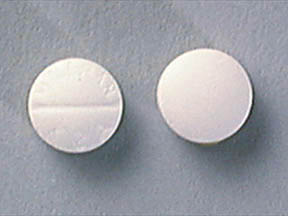
Busulfan Side Effects
Medically reviewed by Drugs.com. Last updated on Jul 10, 2023.
Applies to busulfan: intravenous solution.
Warning
Intravenous route (Solution)
Busulfan causes severe or prolonged myelosuppression at recommended doses. Hematopoietic progenitor cell transplantation is required to prevent life-threatening or fatal complications of severe or prolonged myelosuppression.
Serious side effects of Busulfan
Along with its needed effects, busulfan may cause some unwanted effects. Although not all of these side effects may occur, if they do occur they may need medical attention.
Check with your doctor or nurse immediately if any of the following side effects occur while taking busulfan:
More common
- Black, tarry stools
- bloated abdomen or stomach
- blood in the urine or stools
- blurred vision
- chest pain
- cough or hoarseness
- dizziness
- fast or irregular breathing
- fast, pounding, or irregular heartbeat or pulse
- fever or chills
- headache
- lower back or side pain
- nervousness
- pain and fullness in the upper abdominal or stomach
- painful or difficult urination
- pinpoint red spots on the skin
- pounding in the ears
- skin rash or itching
- slow heartbeat
- swelling of the eyes or eyelids
- tightness in the chest
- trouble breathing
- unusual bleeding or bruising
- weight gain
- yellow eyes and skin
Incidence not known
- seizures
Other side effects of Busulfan
Some side effects of busulfan may occur that usually do not need medical attention. These side effects may go away during treatment as your body adjusts to the medicine. Also, your health care professional may be able to tell you about ways to prevent or reduce some of these side effects.
Check with your health care professional if any of the following side effects continue or are bothersome or if you have any questions about them:
More common
- Acid or sour stomach
- back pain
- belching
- bloody nose
- depression
- diarrhea
- difficulty having a bowel movement (stool)
- fear
- heartburn
- indigestion
- loss of appetite
- lack or loss of strength
- sneezing
- stomach discomfort or upset
- stuffy nose or runny nose
- swelling or inflammation of the mouth
- tenderness, pain, swelling, warmth, skin discoloration, and prominent superficial veins over affected area
- trouble sleeping
For Healthcare Professionals
Applies to busulfan: intravenous solution, oral tablet.
Hematologic
Very common (10% or more): Prolonged myelosuppression (i.e., severe granulocytopenia, leukopenia, thrombocytopenia, anemia, or any combination thereof) (100%)
Rare (less than 0.1%): Aplastic anemia
Frequency not reported: Prolonged prothrombin time
Postmarketing reports: Febrile neutropenia[Ref]
Respiratory
Very common (10% or more): Rhinitis (44%), lung disorder (34%), cough (28%), epistaxis (25%), dyspnea (25%)
Rare (less than 0.1%): Bronchopulmonary dysplasia
Frequency not reported: Pneumonia, hyperventilation, alveolar hemorrhage, pharyngitis, hiccup, asthma, atelectasis, pleural effusion, hypoxia, hemoptysis, sinusitis, interstitial fibrosis[Ref]
Cardiovascular
Very common (10% or more): Tachycardia (44%), hypertension (36%), chest pain (26%), vasodilation (25%)
Common (1% to 10%): Cardiac tamponade in patients with thalassemia (at high doses)
Frequency not reported: Arrhythmia, atrial fibrillation, ventricular extrasystoles, third degree heart block, thrombosis (all episodes were associated with the central venous catheter), hypotension, flushing and hot flashes, cardiomegaly, ECG abnormality, left-sided heart failure, pericardial effusion, cardiac tamponade
Postmarketing reports: Thrombotic microangiopathy (TMA)[Ref]
Ocular
Rare (less than 0.1%): Lens disorder and cataract (which may be bilateral), corneal thinning (reported after bone marrow transplantation preceded by high-dose therapy)[Ref]
Dermatologic
Very common (10% or more): Rash (57%), pruritus (28%)
Common (1% to 10%): Alopecia[Ref]
Metabolic
Very common (10% or more): Hypomagnesemia (77%), hyperglycemia (66%), hypokalemia (64%), hypocalcemia (49%), hyperbilirubinemia (49%), edema (36%), serum glutamic pyruvic transaminase (SGPT) elevation (31%), creatinine increased (21%)
Frequency not reported: Hypervolemia, hypophosphatemia, hyponatremia[Ref]
Hepatic
Very common (10% or more): SGPT Elevation
Common (1% to 10%): Hepatic veno-occlusive disease (HVOD)
Rare (less than 0.1%): Jaundice, abnormal hepatic function, biliary fibrosis
Frequency not reported: Alkaline phosphatase increase, jaundice, hepatomegaly[Ref]
Nervous system
Very common (10% or more): Headache (69%), asthenia (51%), dizziness (30%)
Common (1% to 10%): Seizures
Very rare (less than 0.01%): Myasthenia gravis
Frequency not reported: Cerebral hemorrhage, coma, delirium, agitation, encephalopathy, confusion, hallucinations, lethargy, somnolence[Ref]
Oncologic
Common (1% to 10%): Neoplasms benign, malignant, and unspecified (including cysts and polyps)
Postmarketing reports: Tumor lysis syndrome, cellular dysplasia[Ref]
Genitourinary
Very rare (less than 0.01%): Gynecomastia
Frequency not reported: Dysuria, oliguria, hematuria, hemorrhagic cystitis[Ref]
Gastrointestinal
Very common (10% or more): Nausea (98%), stomatitis (mucositis) (97%), vomiting (95%), anorexia (85%), diarrhea (84%), abdominal pain (72%), dyspepsia (44%), dry mouth (26%), rectal disorder (25%), abdominal enlargement (23%)
Frequency not reported: Esophagitis, ileus, hematemesis, pancreatitis, rectal discomfort
Postmarketing reports: Tooth hypoplasia[Ref]
Musculoskeletal
Very common (10% or more): Chills (46%), back pain (23%)
Frequency not reported: Myalgia, arthralgia[Ref]
Immunologic
Frequency not reported: Graft-versus-host disease
Postmarketing reports: Severe bacterial, viral (e.g., cytomegalovirus viremia), fungal infections, sepsis[Ref]
Hypersensitivity
Very common (10% or more): Allergic reaction (26%)[Ref]
Local
Very common (10% or more): Injection site inflammation (25%)
Frequency not reported: Injection site pain[Ref]
Renal
Frequency not reported: Blood urea nitrogen (BUN) increased[Ref]
More about busulfan
- Check interactions
- Compare alternatives
- Reviews (2)
- Dosage information
- During pregnancy
- Drug class: alkylating agents
- Breastfeeding
- En español
Patient resources
- Busulfan oral/injection drug information
- Busulfan (Advanced Reading)
- Busulfan Tablet
- Busulfan Injection
Other brands
Professional resources
Other brands
Related treatment guides
References
1. Product Information. Myleran (busulfan). Prasco Laboratories. 2001;PROD.
2. Product Information. Busulfex (busulfan). ESP Pharma Inc. 2004.
3. Product Information. Busulfan (busulfan). Amneal Pharmaceuticals. 2018.
Further information
Always consult your healthcare provider to ensure the information displayed on this page applies to your personal circumstances.
Some side effects may not be reported. You may report them to the FDA.