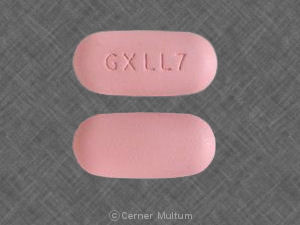
Lexiva
Generic name: fosamprenavir [ FOS-am-PREN-a-veer ]
Drug class: Protease inhibitors
Medically reviewed by Drugs.com. Last updated on Aug 23, 2023.
What is Lexiva?
Lexiva is an antiviral medicine that prevents human immunodeficiency virus (HIV) from multiplying in your body.
Lexiva is used to treat HIV, the virus that can cause acquired immunodeficiency syndrome (AIDS).
Lexiva is for use in adults and children who are at least 4 weeks old. This medicine is not a cure for HIV or AIDS.
Warnings
Do not take Lexiva together with another HIV medicine called ritonavir if you are also using flecainide or propafenone to treat a heart rhythm disorder. Ask your doctor about taking a different heart rhythm medication during treatment with Lexiva.
Some medicines can cause unwanted or dangerous effects when used with Lexiva. Your doctor may need to change your treatment plan if you use any of the following drugs: alfuzosin, cisapride, delavirdine, lovastatin, simvastatin, midazolam, triazolam, pimozide, rifampin, sildenafil (for treating pulmonary arterial hypertension), St. John's wort, or an ergot medicine (dihydroergotamine, ergotamine, ergonovine, methylergonovine).
Before taking this medicine
You should not use Lexiva if you are allergic to fosamprenavir.
Some medicines can cause unwanted or dangerous effects when used with Lexiva. Your doctor may change your treatment plan if you also use:
-
sildenafil (Revatio) when used to treat pulmonary arterial hypertension (PAH);
-
antipsychotic medicine - lurasidone, pimozide;
-
cholesterol-lowering medicine - lovastatin, simvastatin;
-
ergot medicine - dihydroergotamine, ergotamine, ergonovine, methylergonovine;
-
heart rhythm medicine - flecainide, propafenone; or
To make sure Lexiva is safe for you, tell your doctor if you have ever had:
-
liver disease, including hepatitis B or C;
-
kidney disease;
-
a bleeding disorder such as hemophilia;
-
diabetes; or
-
an allergy to sulfa drugs.
Tell your doctor if you are pregnant, and use your medications properly to control your infection. HIV can be passed to your baby if the virus is not controlled during pregnancy. Your name may be listed on a registry to track any effects of antiviral medicine on the baby.
Lexiva can make birth control pills less effective. Taking Lexiva together with ritonavir and also using birth control pills can increase your risk of abnormal liver function tests. Ask your doctor about using non hormonal birth control (condom, diaphragm with spermicide) to prevent pregnancy.
Women with HIV or AIDS should not breast-feed a baby. Even if your baby is born without HIV, the virus may be passed to the baby in your breast milk.
Lexiva should not be given to an infant younger than 4 weeks (28 days) old.
How should I take Lexiva?
Take Lexiva exactly as prescribed by your doctor. Follow all directions on your prescription label and read all medication guides or instruction sheets.
Lexiva oral suspension (liquid) should be taken with food in children and without food in adults. The tablets can be taken with or without food.
Shake the oral suspension before you measure a dose. Use the dosing syringe provided, or use a medicine dose-measuring device (not a kitchen spoon).
Lexiva doses are based on weight in children. Your child's dose needs may change if the child gains or loses weight.
You will need frequent medical tests.
Use all HIV medications as directed and read all medication guides you receive. Do not change your dose or dosing schedule without your doctor's advice. Every person with HIV should remain under the care of a doctor.
Store the tablets at room temperature away from moisture and heat.
You may store Lexiva oral suspension in the refrigerator but do not allow it to freeze.
Lexiva Dosing Information
Usual Adult Dose of Lexiva for HIV Infection:
Therapy-Naive Patients:
-Without ritonavir: 1400 mg orally twice a day
-With ritonavir:
---Once-daily regimen: Fosamprenavir 1400 mg plus ritonavir 100 or 200 mg orally once a day
---Twice-daily regimen: Fosamprenavir 700 mg plus ritonavir 100 mg orally twice a day
Protease Inhibitor-Experienced Patients: Fosamprenavir 700 mg plus ritonavir 100 mg orally twice a day
Comments:
-According to some experts, the use of unboosted fosamprenavir or the once-daily regimen is not recommended during pregnancy.
Use: In combination with other antiretroviral agents, for the treatment of HIV-1 infection
Usual Adult Dose of Lexiva for Nonoccupational Exposure:
US CDC Recommendations: 1400 mg orally twice a day
Duration of therapy: 28 days
Comments:
-Only with expert consultation, as part of an alternative regimen for use as nonoccupational postexposure prophylaxis of HIV infection
-Prophylaxis should be started as soon as possible, within 72 hours of exposure.
-Current guidelines should be consulted for additional information.
Usual Adult Dose of Lexiva for Occupational Exposure:
US Public Health Service Working Group Recommendations:
-Preferred dosing (with ritonavir): Fosamprenavir 1400 mg plus ritonavir 100 mg orally once a day
-Alternative dosing (without ritonavir): 1400 mg orally twice a day
Duration of therapy: 28 days, if tolerated
Comments:
-Only with expert consultation, as part of an alternative regimen for use as HIV postexposure prophylaxis
-Prophylaxis should be started as soon as possible, preferably within hours after exposure.
-The optimal duration of prophylaxis is unknown and may differ based on institution protocol.
-Current guidelines should be consulted for additional information.
Usual Pediatric Dose of Lexiva for HIV Infection:
WITHOUT RITONAVIR:
Protease Inhibitor-Naive Patients (Aged 2 Years or Older):
Oral suspension: 30 mg/kg orally twice a day
-Maximum dose: 1400 mg/dose
Tablets:
-Weight at least 47 kg: 1400 mg orally twice a day
WITH RITONAVIR:
Protease Inhibitor-Naive Patients (Aged 4 Weeks or Older) and Protease Inhibitor-Experienced Patients (Aged 6 Months or Older):
Oral suspension:
-Weight less than 11 kg: Fosamprenavir 45 mg/kg plus ritonavir 7 mg/kg orally twice a day
-Weight 11 to less than 15 kg: Fosamprenavir 30 mg/kg plus ritonavir 3 mg/kg orally twice a day
-Weight 15 to less than 20 kg: Fosamprenavir 23 mg/kg plus ritonavir 3 mg/kg orally twice a day
-Weight at least 20 kg: Fosamprenavir 18 mg/kg plus ritonavir 3 mg/kg orally twice a day
---Maximum dose: Fosamprenavir 700 mg/dose; ritonavir 100 mg/dose
Tablets:
-Weight at least 39 kg: Fosamprenavir 700 mg plus ritonavir 100 mg orally twice a day
Comments:
-This drug should only be administered to infants at least 38 weeks gestation at birth who have attained a postnatal age of 28 days.
-The Panel on Antiretroviral Therapy and Medical Management of Children Living with HIV does not recommend using boosted fosamprenavir (with ritonavir) in infants younger than 6 months or using unboosted fosamprenavir (without ritonavir) in antiretroviral-naive children (any age); current guidelines should be consulted for additional information.
-Ritonavir capsules may be used for patients weighing at least 33 kg.
Use: In combination with other antiretroviral agents, for the treatment of HIV-1 infection
What happens if I miss a dose?
Take the medicine as soon as you can, but skip the missed dose if it is almost time for your next dose. Do not take two doses at one time.
Get your prescription refilled before you run out of medicine completely.
What happens if I overdose?
Seek emergency medical attention or call the Poison Help line at 1-800-222-1222.
What to avoid
Using this medicine will not prevent your disease from spreading. Do not have unprotected sex or share razors or toothbrushes. Talk with your doctor about safe ways to prevent HIV transmission during sex. Sharing drug or medicine needles is never safe, even for a healthy person.
Lexiva side effects
Get emergency medical help if you have signs of an allergic reaction to Lexiva (hives, difficult breathing, swelling in your face or throat) or a severe skin reaction (fever, sore throat, burning eyes, skin pain, red or purple skin rash with blistering and peeling).
Stop taking Lexiva and call your doctor at once if you have:
-
pale or yellowed skin, dark colored urine, fever, confusion or weakness;
-
increased urination or extreme thirst; or
-
high blood sugar - increased thirst, increased urination, dry mouth, fruity breath odor; or
-
symptoms of kidney stones - sudden and severe pain in your lower back or side, blood in your urine, pain or burning when you urinate.
Fosamprenavir affects your immune system, which may cause certain side effects (even weeks or months after you've taken this medicine). Tell your doctor if you have:
-
signs of a new infection - fever, night sweats, swollen glands, cold sores, cough, wheezing, diarrhea, weight loss;
-
trouble speaking or swallowing, problems with balance or eye movement, weakness or prickly feeling; or
-
swelling in your neck or throat (enlarged thyroid), menstrual changes, impotence.
Common Lexiva side effects may include:
-
fever or other signs of infection;
-
rash;
-
headache; or
-
changes in the shape or location of body fat (especially in your arms, legs, face, neck, breasts, and waist).
This is not a complete list of side effects and others may occur. Call your doctor for medical advice about side effects. You may report side effects to FDA at 1-800-FDA-1088.
What other drugs will affect Lexiva?
Sometimes it is not safe to use certain medications at the same time. Some drugs can affect your blood levels of other drugs you take, which may increase side effects or make the medications less effective.
Many drugs can interact with fosamprenavir, and some drugs should not be used at the same time. Tell your doctor about all your current medicines and any medicine you start or stop using. This includes prescription and over-the-counter medicines, vitamins, and herbal products. Not all possible interactions are listed here.
More about Lexiva (fosamprenavir)
- Check interactions
- Compare alternatives
- Pricing & coupons
- Drug images
- Side effects
- Dosage information
- During pregnancy
- Drug class: protease inhibitors
- Breastfeeding
- En español
Professional resources
Related treatment guides
Further information
Remember, keep this and all other medicines out of the reach of children, never share your medicines with others, and use Lexiva only for the indication prescribed.
Always consult your healthcare provider to ensure the information displayed on this page applies to your personal circumstances.
Copyright 1996-2024 Cerner Multum, Inc. Version: 12.01.