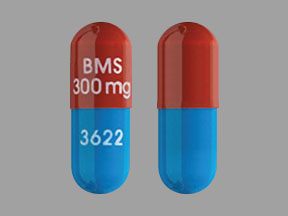
Reyataz and Alcohol/Food Interactions
There are 3 alcohol/food/lifestyle interactions with Reyataz (atazanavir).
Caffeine Atazanavir
Minor Drug Interaction
Information for this minor interaction is available on the professional version.
Atazanavir Food
Moderate Food Interaction
Food can enhance the levels of atazanavir in your body. To ensure maximal oral absorption, atazanavir should be administered with or immediately after a meal. This will make it easier for your body to absorb the medication.
Atazanavir High Cholesterol (Hyperlipoproteinemia, Hypertriglyceridemia, Sitosterolemia)
Moderate Potential Hazard, Moderate plausibility
PIs - hyperlipidemia
Treatment with ritonavir alone or in combination with other protease inhibitors (e.g., lopinavir, saquinavir, tipranavir, fosamprenavir) has resulted in substantial increases in the concentration of total cholesterol and triglycerides. These effects have also been reported with other protease inhibitors but may be the most dramatic with ritonavir. The clinical significance of these elevations is unclear. Marked elevation in triglyceride levels is a risk factor for development of pancreatitis. Triglyceride and cholesterol testing is recommended before starting ritonavir (with or without other protease inhibitors) and periodically during therapy. Lipid disorders should be managed as clinically appropriate.
Reyataz drug interactions
There are 550 drug interactions with Reyataz (atazanavir).
Reyataz disease interactions
There are 8 disease interactions with Reyataz (atazanavir) which include:
- heart block
- nephrolithiasis
- renal impairment
- liver disease
- PKU
- hemophilia
- hyperglycemia
- hyperlipidemia
Report options

More about Reyataz (atazanavir)
- Reyataz consumer information
- Check interactions
- Compare alternatives
- Pricing & coupons
- Reviews (4)
- Drug images
- Side effects
- Dosage information
- During pregnancy
- Generic availability
- Drug class: protease inhibitors
- Breastfeeding
- En español
Related treatment guides
Drug Interaction Classification
| Highly clinically significant. Avoid combinations; the risk of the interaction outweighs the benefit. | |
| Moderately clinically significant. Usually avoid combinations; use it only under special circumstances. | |
| Minimally clinically significant. Minimize risk; assess risk and consider an alternative drug, take steps to circumvent the interaction risk and/or institute a monitoring plan. | |
| No interaction information available. |
Further information
Always consult your healthcare provider to ensure the information displayed on this page applies to your personal circumstances.