
Tension Headache
Medically reviewed by Drugs.com. Last updated on Aug 4, 2025.
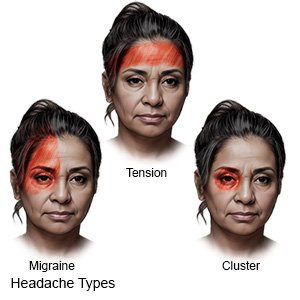
Tension headaches are most often caused by stress, eye strain, or muscle tightness. The pain of a tension headache may start in the forehead or the back of the head. The pain often spreads over the whole head and down into the neck and shoulders. Over-the-counter pain medicine is the most useful and common treatment for a tension headache. Exercise, biofeedback, meditation, or relaxation techniques may also decrease your headache pain.
 |
DISCHARGE INSTRUCTIONS:
Call your local emergency number (911 in the US) if:
- You have difficulty seeing, speaking, or moving.
- You have a seizure.
Call your doctor if:
- You pass out or become confused.
- You have a sudden headache that seems different or much worse than your usual headaches.
- You have a headache, fever, and a stiff neck.
- Your headaches continue to get worse.
- Your headaches happen so often that they affect your ability to do your work or normal activities.
- You need to take medicine to help your headaches more often than your healthcare provider says you should.
- Your headaches get so bad that they cause you to vomit.
- You have questions or concerns about your condition or care.
Related medications
Treatment options
The following list of medications are related to or used in the treatment of this condition.
Medicines:
- NSAIDs , such as ibuprofen, help decrease swelling, pain, and fever. This medicine is available with or without a doctor's order. NSAIDs can cause stomach bleeding or kidney problems in certain people. If you take blood thinner medicine, always ask your healthcare provider if NSAIDs are safe for you. Always read the medicine label and follow directions.
- Acetaminophen decreases pain and fever. It is available without a doctor's order. Ask how much to take and how often to take it. Follow directions. Read the labels of all other medicines you are using to see if they also contain acetaminophen, or ask your doctor or pharmacist. Acetaminophen can cause liver damage if not taken correctly.
- Take your medicine as directed. Contact your healthcare provider if you think your medicine is not helping or if you have side effects. Tell your provider if you are allergic to any medicine. Keep a list of the medicines, vitamins, and herbs you take. Include the amounts, and when and why you take them. Bring the list or the pill bottles to follow-up visits. Carry your medicine list with you in case of an emergency.
Manage your symptoms:
- Keep a headache record. Include when the headaches start and stop and what made them better. Describe your symptoms, such as how the pain feels, where it is, and how bad it is. Record anything you ate or drank for the past 24 hours before your headache. Bring this to follow-up visits.
- Apply heat as directed. Heat may help decrease headache pain and muscle spasms. Apply heat on the area for 20 to 30 minutes every 2 hours for as many days as directed. A warm bath may also help relieve muscle tension and spasms.
- Apply ice as directed. Ice may help decrease headache pain. Use an ice pack or put crushed ice in a plastic bag. Cover it with a towel and place it on the area for 15 to 20 minutes every hour as directed.
- Ask about spinal manipulation. This treatment combines movement, massage, exercise, and physical therapy. It can help relieve a tension headache, and may be able to prevent another if done regularly. Talk to your healthcare provider to make sure it is safe for you. To prevent neck injuries, spinal manipulation should only be done by trained providers.
Prevent tension headaches:
- Avoid muscle tension. Do not stay in one position for long periods of time. Use a different pillow if you wake up with sore neck and shoulder muscles. Find ways to relax your muscles, such as massage or resting in a quiet, dark room.
- Avoid eye strain. Make sure you have good lighting when you read, sew, or do similar activities. Get yearly eye exams and wear glasses as directed.
- Get enough sleep. Get 8 to 10 hours of sleep each night. Create a sleep schedule. Go to bed and wake up at the same times each day. It may be helpful to do something relaxing before bed. Do not watch television right before bed.
- Eat a variety of healthy foods. Healthy foods include fruits, vegetables, whole-grain breads, low-fat dairy products, beans, lean meats, and fish. Do not eat foods that trigger your headaches.
- Exercise regularly. Exercise helps decrease stress and headaches. Ask about the best exercise plan for you.
- Drink liquids as directed. You may need to drink more liquid to prevent dehydration. Dehydration can make a tension headache worse. Ask your healthcare provider how much liquid to drink and which liquids are best for you. Limit caffeine as directed. Caffeine may make a tension headache worse.
- Do not drink alcohol. Alcohol can trigger a headache. It can also prevent medicines from stopping your headache.
- Do not smoke. Nicotine and other chemicals in cigarettes and cigars can trigger a headache and also cause lung damage. Ask your healthcare provider for information if you currently smoke and need help to quit. E-cigarettes or smokeless tobacco still contain nicotine. Talk to your healthcare provider before you use these products.
Follow up with your healthcare provider as directed:
Bring the headache record with you. Write down your questions so you remember to ask them during your visits.
© Copyright Merative 2025 Information is for End User's use only and may not be sold, redistributed or otherwise used for commercial purposes.
The above information is an educational aid only. It is not intended as medical advice for individual conditions or treatments. Talk to your doctor, nurse or pharmacist before following any medical regimen to see if it is safe and effective for you.
Learn more about Tension Headache
- Advil Dosage Charts for Infants and Children
- Dosage Charts for Infants and Children
- Motrin Dosage Charts for Infants and Children
- Top 9 Things You Must Know About Naproxen
- Tylenol Dosage Charts for Infants and Children
- What are the risks of mixing pain medications and alcohol?
Treatment options
Care guides
Symptoms and treatments
Further information
Always consult your healthcare provider to ensure the information displayed on this page applies to your personal circumstances.