
Patient Controlled Analgesia
Medically reviewed by Drugs.com. Last updated on May 4, 2025.
What is patient-controlled analgesia (PCA)?
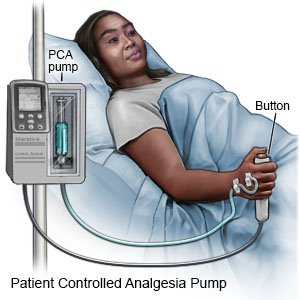
PCA is a way for you to give yourself pain medicine when you need it. Your healthcare provider will program the machine to give a certain amount of medicine. You will press a button to give a dose. The machine will only give the set amount each time you press the button. The machine also has a lockout period that prevents you from getting a dose too soon or too often.
What should I tell my healthcare provider before I use PCA?
Any of the following may increase your risk for breathing problems while you are using PCA. Talk to your healthcare provider about these and any other health conditions you have:
- Recent or long-term use of an opioid pain medicine, or no past use of any opioid
- Recent use of medicines that make you drowsy, such as antihistamines, anxiety medicine, or sleep medicine
- Current or long-term use of alcohol or drugs such as heroin
- Breathing problems, such as asthma, sleep apnea, or COPD
- Allergies to any medicines or any reactions to pain medicines
How does PCA work?
The PCA is a pump attached to a syringe filled with pain medicine. Healthcare providers will insert an IV into your vein. The PCA pump and syringe will be connected to your IV. You may get the medicine in any of the following ways:
- You may have a PCA pump that will run only when you need pain relief. When you feel pain, you can push the button attached to the PCA pump. A small dose of pain medicine will be given through your IV. Your button may blink when you are able to get another dose from the pump.
- You may receive a small amount of pain medicine running through your IV all the time. You may have a button so you can get more medicine when you need it.
 |
Drugs used to treat this and similar conditions
Hydrocodone
Hydrocodone (Hysingla ER and Zohydro ER) is used for around-the-clock treatment of severe pain ...
Cymbalta
Cymbalta (duloxetine) is used to treat major depressive disorder, general anxiety disorder and ...
Ozempic
Learn about Ozempic (semaglutide) for type 2 diabetes treatment, weight management, cardiovascular ...
Oxycodone
Oxycodone is an opioid analgesic used to treat moderate to severe pain; it has a high potential for ...
Tylenol
Tylenol is a pain reliever and a fever reducer used to treat many conditions such as headaches ...
Acetaminophen
Acetaminophen is a widely used pain reliever and fever reducer for conditions like headaches ...
Ibuprofen
Ibuprofen (Advil, Motrin) treats minor aches and pains caused by the common cold, headaches ...
Gabapentin
Gabapentin is an anti-epileptic drug, also called an anticonvulsant. It is used to treat some types ...
Acetaminophen/hydrocodone
The combination of hydrocodone and acetaminophen is used to relieve moderate to severe pain ...
Paracetamol
Paracetamol (Panadol, Calpol, Alvedon) is a widely used over-the-counter painkiller and fever ...
What do I need to know about PCA safety?
- Do not let anyone push the button for you. Tell everyone who visits you not to push the button. Even if you are asleep and you could have more medicine, another person should not push the button for you. You might not need more pain medicine at that time. You could get more medicine than you need if the person pushes the button. Tell visitors that you will push the button when you need more pain medicine.
- Tell your healthcare provider if you are still uncomfortable a few minutes after you push the button. Your provider may be able to give you extra pain medicine. Your provider may also change how often you can get a dose of medicine or your dose amount.
- Press the call button and ask for help before you get out of bed. Pain medicine might make you weak, dizzy, or less aware. This can increase your risk for falls. Do not get out of bed on your own. Ask for help, and stand up slowly.
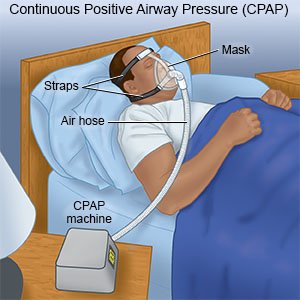
- Tell your healthcare provider if you use a CPAP when you sleep. A CPAP or similar machine is used to keep your airway open if you have apnea or snore. Talk to your healthcare provider about using your machine in the hospital while you are using PCA. You might need to use a machine designed for people who are taking opioid pain medicines.
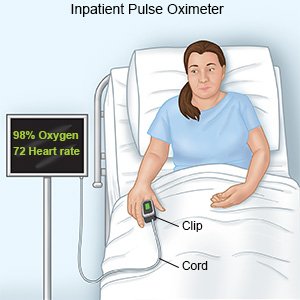
- Do not remove your pulse oximeter. A pulse oximeter is a device that measures the amount of oxygen in your blood. It is usually worn as a sticker or clip over your finger or toe. This device helps healthcare providers monitor your breathing.
What are the benefits of PCA?
PCA will allow you to have control over how and when your pain is treated. You do not have to wait for healthcare providers to give you medicine. A PCA may better control your pain and keep you alert and awake. You may be able to start moving around sooner. This may help prevent blood clots from forming, and help you heal faster. PCA allows you to get pain medicine without having repeated injections.
What are the risks of PCA?
You may get too much medicine if the machine is not set up correctly or the wrong dose is programmed. Pain medicine may make you breathe less deeply or stop breathing. Healthcare providers will watch you closely to help prevent or treat these problems.
Care Agreement
You have the right to help plan your care. Learn about your health condition and how it may be treated. Discuss treatment options with your healthcare providers to decide what care you want to receive. You always have the right to refuse treatment. The above information is an educational aid only. It is not intended as medical advice for individual conditions or treatments. Talk to your doctor, nurse or pharmacist before following any medical regimen to see if it is safe and effective for you.© Copyright Merative 2025 Information is for End User's use only and may not be sold, redistributed or otherwise used for commercial purposes.
Further information
Always consult your healthcare provider to ensure the information displayed on this page applies to your personal circumstances.