
Type 1 Diabetes in Adults: New Diagnosis
Medically reviewed by Drugs.com. Last updated on Aug 4, 2025.
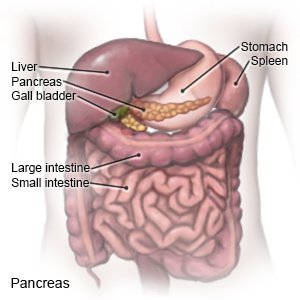
Type 1 diabetes is a disease that affects how your body makes insulin and uses glucose (sugar). When the blood sugar level increases, the pancreas should make more insulin. Insulin helps move sugar out of the blood so it can be used for energy. Type 1 diabetes develops because the immune system destroys cells in the pancreas that make insulin. The pancreas cannot make enough insulin, so the blood sugar level continues to rise. A family history of type 1 diabetes may increase your risk. Type 1 diabetes is managed with insulin.
 |
WHILE YOU ARE HERE:
Informed consent
is a legal document that explains the tests, treatments, or procedures that you may need. Informed consent means you understand what will be done and can make decisions about what you want. You give your permission when you sign the consent form. You can have someone sign this form for you if you are not able to sign it. You have the right to understand your medical care in words you know. Before you sign the consent form, understand the risks and benefits of what will be done. Make sure all your questions are answered.
An IV
is a small tube placed in your vein that is used to give you medicine or liquids.
Insulin
is given to decrease the amount of sugar in your blood.
Related medications
Treatment options
The following list of medications are related to or used in the treatment of this condition.
Tests:
Any of the following may be used to diagnose type 1 diabetes or to check that it is well controlled:
- A random glucose test may be done any time of day, no matter how long ago you ate.
- A fasting plasma glucose test may be done to check your blood sugar level after you have not eaten for 8 hours.
- A 2-hour plasma glucose test starts with a blood sugar level check after you have not eaten for 8 hours. You are then given a glucose drink. Your blood sugar level is checked after 2 hours.
- An A1c test shows the average amount of sugar in your blood over the past 2 to 3 months.
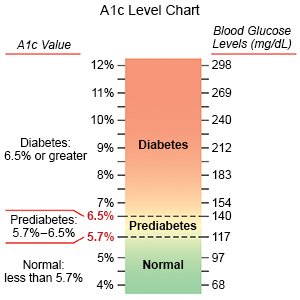
- Blood tests may be used to check for certain antibodies linked to type 1 diabetes. The amount of insulin your body makes may be measured. Genetic tests may be used if you have a family history of diabetes or need to confirm other test results.
Diabetes education:
Your diabetes care team will teach you how to manage type 1 diabetes. They may also visit you at home to teach you more about diabetes, or you may attend classes. Your providers will teach you what to do if your blood sugar level goes too high or too low. They will also help you plan sick day management. Ask how to dispose of used needles and syringes.
A dietitian
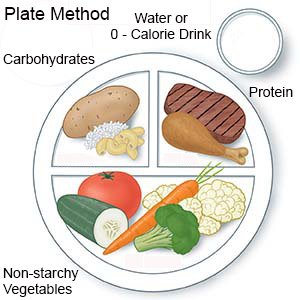
may work with you to create a meal plan that will help you control your blood sugar levels. You will learn how food affects your blood sugar levels. You will also learn to keep track of sugar and starchy foods (carbohydrates). You will learn why it is important not to skip meals. Your blood sugar level may drop too low if you have taken insulin and do not eat. You may be taught to use the plate method for portion control. With the plate method, ½ of your plate contains non-starchy vegetables. The other half is divided so ¼ contains protein, and ¼ contains carbohydrates. Ask your care team for more information about meal planning.
 |
RISKS:
Diabetes that is not controlled can damage your nerves, veins, and arteries. Long-term high blood sugar levels can damage your eyes and kidneys. Damage to arteries increases your risk for heart attack and stroke. Nerve damage may also lead to other heart, stomach, and nerve problems. Complications (health problems) of diabetes can become life-threatening. Control your blood sugar levels to lower your risk for health problems.
CARE AGREEMENT:
You have the right to help plan your care. Learn about your health condition and how it may be treated. Discuss treatment options with your healthcare providers to decide what care you want to receive. You always have the right to refuse treatment.© Copyright Merative 2025 Information is for End User's use only and may not be sold, redistributed or otherwise used for commercial purposes.
The above information is an educational aid only. It is not intended as medical advice for individual conditions or treatments. Talk to your doctor, nurse or pharmacist before following any medical regimen to see if it is safe and effective for you.
Learn more about Type 1 Diabetes: New Diagnosis
- Diabetes Medications and Alcohol Interactions
- OneTouch Blood Glucose Meters
- Top 10 Diabetes Treatments You May Have Missed
Treatment options
Care guides
- Diabetes and your Skin
- Diabetic Hyperglycemia
- How to Draw Up Insulin
- Type 1 Diabetes in Adults: New Diagnosis
- Type 1 Diabetes in Children
Symptoms and treatments
Medicine.com guides (external)
Further information
Always consult your healthcare provider to ensure the information displayed on this page applies to your personal circumstances.