
Enlarged Prostate (BPH)
Medically reviewed by Drugs.com. Last updated on Apr 6, 2025.
What do I need to know about an enlarged prostate (BPH)?
An enlarged prostate (BPH) is a common condition in older adults. BPH develops because the number of prostate cells increases (hyperplasia) or the cells get bigger (hypertrophy). The prostate wraps around the urethra. An enlarged prostate can press on the urethra. This may cause problems with storing urine or emptying your bladder completely.
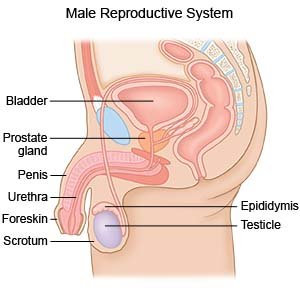 |
What are the signs and symptoms of BPH?
- Urinating 8 or more times each day
- A feeling of not fully emptying your bladder when you urinate
- An urgent need to urinate that you could not put off, or urinating again within 2 hours
- Being woken from sleep because you needed to urinate
- Trouble starting your urine flow, or a need to push or strain to get it to start
- Urine that stops and starts several times when you urinate
- A weak urine stream, or dribbling after you urinate
How is BPH diagnosed?
- A digital rectal exam is used to check the size of your prostate. Your healthcare provider will insert a gloved finger into your rectum. The provider will be able to feel your prostate. The size of your prostate may be checked with ultrasound pictures.
- Urine tests may show infection, or strength and amount of urine flow. You may need to record how often and how much you urinate for 24 hours.
- Blood tests may show kidney problems or your PSA level. PSA is a substance produced by your prostate. PSA levels increase when you have BPH.
- A postvoid residual volume test is used to measure the amount of urine left in your bladder after you urinate.
Drugs used to treat this and similar conditions
Flomax
Flomax (tamsulosin) is used to improve urination in men with benign prostatic hyperplasia. Includes ...
Cialis
Cialis (tadalafil) increase increases blood flow to a certain area of the body and is used to treat ...
Benlysta
Benlysta infusion is used to treat active systemic lupus erythematosus (SLE) and active lupus ...
Avodart
Avodart (dutasteride) is used to treat benign prostatic hyperplasia (enlarged prostate gland) ...
Doxazosin
Doxazosin is used to treat hypertension (high blood pressure) and benign prostatic hyperplasia ...
Tadalafil
Tadalafil increases blood flow to particular areas of the body and is used to treat erectile ...
Terazosin
Terazosin is used to treat hypertension (high blood pressure) and benign prostatic hyperplasia ...
Proscar
Proscar (finasteride) is used to treat benign prostatic hyperplasia (enlarged prostate). Includes ...
How is BPH treated?
- Watchful waiting means you do not receive treatment right away. Your signs and symptoms will be monitored over time to see if they get worse. You may be asked to keep a record and bring it to follow-up visits. This record may include when you urinate, how easy or difficult it was, and any changes in urination.
- Medicines may be used to relax the muscles in your prostate and bladder. This may help you urinate more easily. You may also need medicine that helps shrink, or slow the growth of your prostate.
- A procedure may be used to place a stent into your urethra to hold it open. A stent is a short, tiny mesh tube. A prostatic urethral lift, or UroLift, may be used to hold the prostate away from the urethra. This makes the urethra wider so urine can pass through more easily.
- Surgery may be used to relieve your symptoms if other treatments do not work. Extra tissue that is causing your symptoms may be destroyed. All or part of your prostate may be removed during another type of surgery.
Treatment options
The following list of medications are related to or used in the treatment of this condition.
What can I do to manage my symptoms?
- Urinate on a regular schedule. This will train your bladder to hold urine longer. A larger amount of urine may make it easier to urinate.
- Drink less liquid during the day. Do not have liquid for several hours before you go to bed at night. Do not drink large amounts of any liquid at one time.
- Limit alcohol and caffeine. These can irritate your bladder and make your symptoms worse.
- Eat less salt. Salt can cause fluid buildup and make it harder to urinate. Examples of salty foods are chips, cured meats, and canned soups. Do not use table salt.
- Elevate your legs if you have swelling. Elevate (raise) your legs above the level of your heart. This can relieve swelling caused by fluid buildup. You may not have to get up in the night to urinate.
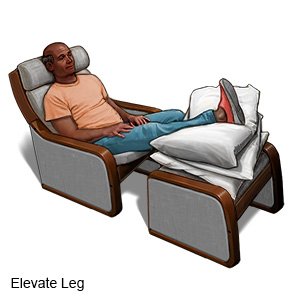
- Exercise regularly. Exercise can help improve your symptoms. Ask your healthcare provider what a healthy weight for you is. Aim to get at least 30 minutes of exercise on most days of the week.

When should I call my doctor?
- You see blood in your urine.
- You are not able to urinate.
- Your bladder feels very full and painful.
- You have new or worsening symptoms.
- You have a fever.
- You have questions or concerns about your condition or care.
Care Agreement
You have the right to help plan your care. Learn about your health condition and how it may be treated. Discuss treatment options with your healthcare providers to decide what care you want to receive. You always have the right to refuse treatment. The above information is an educational aid only. It is not intended as medical advice for individual conditions or treatments. Talk to your doctor, nurse or pharmacist before following any medical regimen to see if it is safe and effective for you.© Copyright Merative 2025 Information is for End User's use only and may not be sold, redistributed or otherwise used for commercial purposes.
Learn more about Enlarged Prostate
- Anticholinergic Drugs to Avoid in the Elderly
- Enlarged Prostate (BPH) Medications and Alcohol Interactions
Treatment options
Care guides
Symptoms and treatments
Medicine.com guides (external)
Further information
Always consult your healthcare provider to ensure the information displayed on this page applies to your personal circumstances.