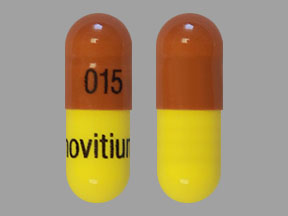
Thiothixene
Generic name: thiothixene [ THYE-oh-THIX-een ]
Brand name: Navane
Dosage form: oral capsule (1 mg; 10 mg; 2 mg; 5 mg)
Drug class: Thioxanthenes
What is thiothixene?
Thiothixene is an antipsychotic medicine that is used to treat schizophrenia.
Thiothixene may also be used for purposes not listed in this medication guide.
Thiothixene side effects
Get emergency medical help if you have signs of an allergic reaction: hives; difficult breathing; swelling of your face, lips, tongue, or throat.
High doses or long-term use of thiothixene can cause a serious movement disorder that may not be reversible. The longer you use thiothixene, the more likely you are to develop this disorder, especially if you are a woman or an older adult.
Thiothixene may cause serious side effects. Call your doctor at once if you have:
-
uncontrolled muscle movements in your face (chewing, lip smacking, frowning, tongue movement, blinking or eye movement);
-
stiffness in your neck, tightness in your throat, trouble breathing or swallowing;
-
seizure (convulsions);
-
a light-headed feeling, like you might pass out;
-
severe constipation;
-
low white blood cell counts--fever, chills, mouth sores, skin sores, sore throat, cough, trouble breathing; or
-
severe nervous system reaction--very stiff (rigid) muscles, high fever, sweating, confusion, fast or uneven heartbeats, tremors, feeling like you might pass out.
Common side effects of thiothixene may include:
-
blurred vision;
-
fast heartbeats, feeling restless;
-
breast swelling or discharge;
-
changes in weight or appetite; or
-
swelling in your hands or feet.
This is not a complete list of side effects and others may occur. Call your doctor for medical advice about side effects. You may report side effects to FDA at 1-800-FDA-1088.
Related/similar drugs
Warnings
You should not use thiothixene if you have a blood cell disorder, or if you have drowsiness, slow breathing, weak pulse, or decreased alertness (such as after drinking alcohol or taking medicines that make you sleepy).
Thiothixene is not approved for use in older adults with dementia-related psychosis.
Before taking this medicine
You should not use thiothixene if you are allergic to it, or if you have:
-
a blood cell disorder such as anemia, low white blood cell counts, or low platelets; or
-
drowsiness, slow breathing, weak pulse, or decreased alertness (such as after drinking alcohol or taking medicines that make you sleepy).
Thiothixene may increase the risk of death in older adults with dementia-related psychosis and is not approved for this use.
Tell your doctor if you have ever had:
-
epilepsy or other seizure disorder;
-
low white blood cell (WBC) counts;
-
breast cancer; or
Tell your doctor if you are pregnant or if you become pregnant. Taking antipsychotic medicine in the last 3 months of pregnancy may cause breathing problems, feeding problems, or withdrawal symptoms in the newborn.
It may not be safe to breastfeed while using thiothixene. Ask your doctor about any risk.
Thiothixene is not approved for use by anyone younger than 12 years old.
How should I take thiothixene?
Follow all directions on your prescription label and read all medication guides or instruction sheets. Your doctor may occasionally change your dose. Use the medicine exactly as directed.
You may not start feeling better right away when you start taking thiothixene. For best results, keep using the medication as directed. Talk with your doctor if your symptoms do not improve during treatment.
You will need frequent medical tests.
Store at room temperature away from moisture and heat.
Thiothixene dosing information
Usual Adult Dose for Schizophrenia:
Mild Conditions:
-Initial dose: 2 mg orally 3 times a day
-Maintenance dose: 15 mg orally per day
Severe Conditions:
-Initial dose: 5 mg orally 2 times a day
-Maintenance dose: 20 to 30 mg orally per day
-Maximum dose: 60 mg orally per day
Comments:
-Dosing should be individually adjusted depending on the chronicity and severity of symptoms.
-In general, small doses should be used initially and gradually increased to the optimal effective level based on patient response.
-Some patients have been successfully maintained on once-a-day therapy.
Use: Schizophrenia
Usual Pediatric Dose for Schizophrenia:
Age 12 years and older:
Mild Conditions:
-Initial dose: 2 mg orally 3 times a day
-Maintenance dose: 15 mg orally per day
Severe Conditions:
-Initial dose: 5 mg orally 2 times a day
-Maintenance dose: 20 to 30 mg orally per day
-Maximum dose: 60 mg orally per day
Comments:
-Dosing should be individually adjusted depending on the chronicity and severity of symptoms.
-In general, small doses should be used initially and gradually increased to the optimal effective level based on patient response.
-Some patients have been successfully maintained on once-a-day therapy.
Use: Schizophrenia
What happens if I miss a dose?
Take the medicine as soon as you can, but skip the missed dose if it is almost time for your next dose. Do not take two doses at one time.
What happens if I overdose?
Seek emergency medical attention or call the Poison Help line at 1-800-222-1222.
Overdose symptoms may include drowsiness, dizziness, muscle stiffness or twitching, increased salivation, trouble swallowing, weakness, loss of balance or coordination, and fainting.
What should I avoid while taking thiothixene?
Avoid driving or hazardous activity until you know how thiothixene will affect you. Dizziness or drowsiness can cause falls, accidents, or severe injuries.
Avoid getting up too fast from a sitting or lying position, or you may feel dizzy.
Avoid drinking alcohol. Dangerous side effects could occur.
Avoid becoming overheated or dehydrated during exercise and in hot weather. Thiothixene can decrease sweating and you may be more prone to heat stroke.
What other drugs will affect thiothixene?
Taking thiothixene with other drugs that make you sleepy or slow your breathing can cause dangerous or life-threatening side effects. Ask your doctor before using opioid medication, a sleeping pill, a muscle relaxer, or medicine for anxiety or seizures.
Other drugs may affect thiothixene, including prescription and over-the-counter medicines, vitamins, and herbal products. Tell your doctor about all your current medicines and any medicine you start or stop using.
Frequently asked questions
More about thiothixene
- Check interactions
- Compare alternatives
- Pricing & coupons
- Reviews (11)
- Drug images
- Side effects
- Dosage information
- During pregnancy
- Drug class: thioxanthenes
- Breastfeeding
- En español
Patient resources
Other brands
Professional resources
Other brands
Related treatment guides
Further information
Remember, keep this and all other medicines out of the reach of children, never share your medicines with others, and use this medication only for the indication prescribed.
Always consult your healthcare provider to ensure the information displayed on this page applies to your personal circumstances.
Copyright 1996-2025 Cerner Multum, Inc. Version: 11.01.