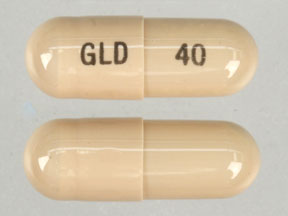
Oracea
Generic name: doxycycline [ DOX-i-SYE-kleen ]
Drug classes: Miscellaneous antimalarials, Tetracyclines
What is Oracea?
Oracea is used to treat blemishes, bumps, and acne-like lesions caused by rosacea in adults. It works by reducing skin inflammation caused by rosacea.
Oracea is a tetracycline antibiotic. Tetracyclines are often used to treat infections, however this formulation has not been evaluated in the treatment or prevention of infections.
Oracea may also be used for other purposes not listed in this medication guide.
Warnings
Do not use Oracea if you are pregnant. It could harm the unborn baby or cause permanent tooth discoloration later in life.
You should not take Oracea if you are allergic to any tetracycline antibiotic.
Children younger than 8 years old should use doxycycline only in cases of severe or life-threatening conditions. This medicine can cause permanent yellowing or graying of the teeth in children.
Using Oracea during pregnancy could harm the unborn baby or cause permanent tooth discoloration later in the baby's life.
Doxycycline can make birth control pills less effective. Ask your doctor about using a non hormone method of birth control (such as a condom, diaphragm, spermicide) to prevent pregnancy while using this medicine.
Take this medication for the full prescribed length of time. Your symptoms may improve before the infection is completely cleared. Skipping doses may also increase your risk of further infection that is resistant to antibiotics.
Before taking this medicine
You should not take Oracea if you are allergic to doxycycline or to other tetracycline antibiotics such as demeclocycline, minocycline, tetracycline, or tigecycline.
To make sure Oracea is safe for you, tell your doctor if you have ever had:
-
liver disease;
-
kidney disease;
-
asthma or sulfite allergy;
-
increased pressure inside your skull; or
-
if you also take isotretinoin, seizure medicine, or a blood thinner such as warfarin (Coumadin).
Taking Oracea during pregnancy may affect tooth and bone development in the unborn baby. Taking doxycycline during the last half of pregnancy can cause permanent tooth discoloration later in the baby's life. Tell your doctor if you are pregnant or if you become pregnant while using this medicine.
Oracea can make birth control pills less effective. Ask your doctor about using a non-hormonal birth control (condom, diaphragm with spermicide) to prevent pregnancy.
Doxycycline can pass into breast milk and may affect bone and tooth development in a nursing infant. Do not breastfeed while you are taking this medicine.
Children should not use Oracea. This medicine can cause permanent yellowing or graying of the teeth in children younger than 8 years old.
Children should use doxycycline only in cases of severe or life-threatening conditions such as anthrax or Rocky Mountain spotted fever. The benefit of treating a serious condition may outweigh any risks to the child's tooth development.
Related/similar drugs
doxycycline, ciprofloxacin, azithromycin, metronidazole topical, ceftriaxone, levofloxacin, Zithromax
How should I take Oracea?
Take Oracea exactly as prescribed by your doctor. Do not take in larger or smaller amounts or for longer than recommended. Follow the directions on your prescription label.
Take Oracea with a full glass of water (8 ounces) while sitting or standing. To prevent irritation to your throat, do not lay down right after taking a capsule.
The usual dose of Oracea is one capsule in the morning on an empty stomach. You should take at least one hour before or two hours after a meal.
Do not take Oracea with or right after taking antacids or products that contain calcium, aluminum, magnesium, or iron. It may not work as well.
Do not crush, break, or open a Oracea delayed-release capsule. Swallow the capsule whole. It is specially made to release medicine slowly in the body. Breaking or opening the pill would cause too much of the drug to be released at one time. Take this medicine for the entire length of time prescribed by your doctor. Your symptoms may get better before the infection is completely treated. Do not give this medicine to another person, even if they have the same condition you have.
If you need to have any type of surgery, tell the surgeon ahead of time that you are taking Oracea.
Throw away any unused Oracea when it expires or when it is no longer needed. Do not take this medicine after the expiration date printed on the label. Using expired doxycycline can cause damage to your kidneys.
Store at room temperature away from moisture, heat, and light.
What happens if I miss a dose?
Take the missed dose as soon as you remember. Skip the missed dose if it is almost time for your next scheduled dose. Do not take extra medicine to make up the missed dose.
What happens if I overdose?
Seek emergency medical attention or call the Poison Help line at 1-800-222-1222.
Overdose symptoms may include nausea, vomiting, and diarrhea.
What to avoid
Antibiotic medicines can cause diarrhea, which may be a sign of a new infection. If you have diarrhea that is watery or bloody call your doctor. Do not use anti-diarrhea medicine unless your doctor tells you to.
Doxycycline could make you sunburn more easily. Avoid sunlight or tanning beds. Wear protective clothing and use sunscreen (SPF 30 or higher) when you are outdoors.
Do not take iron supplements, multivitamins, calcium supplements, antacids, or laxatives within 2 hours before or after taking Oracea.
Oracea side effects
Get emergency medical help if you have any signs of an allergic reaction to Oracea: (hives, difficult breathing, swelling in your face or throat) or a severe skin reaction (fever, sore throat, burning in your eyes, skin pain, red or purple skin rash that spreads and causes blistering and peeling).
Seek medical treatment if you have a serious drug reaction that can affect many parts of your body. Symptoms may include: skin rash, fever, swollen glands, flu-like symptoms, muscle aches, severe weakness, unusual bruising, or yellowing of your skin or eyes. This reaction may occur several weeks after you began using doxycycline.
Call your doctor at once if you have:
-
severe stomach pain, diarrhea that is watery or bloody;
-
throat irritation, trouble swallowing;
-
chest pain, irregular heart rhythm, feeling short of breath;
-
little or no urination;
-
low white blood cell counts - fever, chills, swollen glands, body aches, weakness, pale skin, easy bruising or bleeding;
-
increased pressure inside the skull - severe headaches, ringing in your ears, dizziness, nausea, vision problems, pain behind your eyes;
-
signs of liver or pancreas problems - loss of appetite, upper stomach pain (that may spread to your back), tiredness, nausea or vomiting, fast heart rate, dark urine, jaundice (yellowing of the skin or eyes).
Common Oracea side effects may include:
-
nausea, vomiting, upset stomach, loss of appetite;
-
mild diarrhea;
-
skin rash or itching;
-
darkened skin color; or
-
vaginal itching or discharge.
This is not a complete list of side effects and others may occur. Call your doctor for medical advice about side effects. You may report side effects to FDA at 1-800-FDA-1088.
What other drugs will affect Oracea?
Sometimes it is not safe to use certain medications at the same time. Some drugs can affect your blood levels of other drugs you take, which may increase side effects or make the medications less effective.
Other drugs may interact with doxycycline, including prescription and over-the-counter medicines, vitamins, and herbal products. Tell each of your health care providers about all medicines you use now and any medicine you start or stop using.
Popular FAQ
Doxycycline is usually well tolerated and is considered safe for dogs. It is widely prescribed for a range of different conditions such as bacterial infections and oral gum disease. Continue reading
Black hairy tongue is often caused by an overgrowth of papillae (taste buds) on the tongue. It results in a dark, furry appearance of dead skin cells on the surface of the tongue that can be stained from bacteria, food, or tobacco. Although it may be unpleasant, it doesn't usually require medical treatment and it's temporary and harmless. Continue reading
More FAQ
- What are the most common skin conditions? (with photos)
- What is the best antibiotic to treat a sinus infection?
- What are the best antibiotics for pneumonia?
- How long after stopping doxycycline can I drink alcohol?
- What is doxycycline hyclate used for?
- How long does doxycycline stay in your body?
- Can I take doxycycline hyclate for strep throat?
References
More about Oracea (doxycycline)
- Check interactions
- Compare alternatives
- Pricing & coupons
- Reviews (47)
- Drug images
- Side effects
- Dosage information
- During pregnancy
- Generic availability
- FDA approval history
- Drug class: miscellaneous antimalarials
- Breastfeeding
- En español
Patient resources
Other brands
Vibramycin, Monodox, Doryx, Doxy 100, ... +7 more
Professional resources
Other brands
Vibramycin, Monodox, Doryx, Doxy 100, ... +6 more
Related treatment guides
Further information
Remember, keep this and all other medicines out of the reach of children, never share your medicines with others, and use this medicine only for the indication prescribed.
Always consult your healthcare provider to ensure the information displayed on this page applies to your personal circumstances.
Copyright 1996-2024 Cerner Multum, Inc. Version: 25.01.