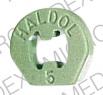
Haldol
Generic name: haloperidol (oral) [ HAL-oh-PER-i-dol ]
Drug class: Miscellaneous antipsychotic agents
What is Haldol?
Haldol is an antipsychotic medicine that is used to treat schizophrenia.
Haldol is also used to control motor and speech tics in people with Tourette's syndrome.
Haldol may also be used for purposes not listed in this medication guide.
Haldol side effects
Get emergency medical help if you have signs of an allergic reaction: hives; difficult breathing; swelling of your face, lips, tongue, or throat.
High doses or long-term use of haloperidol can cause a serious movement disorder that may not be reversible. The longer you use Haldol, the more likely you are to develop this disorder, especially if you are a woman or an older adult.
Haldol may cause serious side effects. Call your doctor at once if you have:
-
uncontrolled muscle movements in your face (chewing, lip smacking, frowning, tongue movement, blinking or eye movement);
-
muscle spasms in your neck, tightness in your throat, trouble swallowing;
-
rapid changes in mood or behavior;
-
fast or pounding heartbeats, fluttering in your chest, shortness of breath, and sudden dizziness (like you might pass out);
-
cough with mucus, chest pain, feeling short of breath;
-
low white blood cell counts--fever, chills, mouth sores, skin sores, sore throat, cough, trouble breathing; or
-
severe nervous system reaction--very stiff (rigid) muscles, high fever, sweating, confusion, fast or uneven heartbeats, tremors, feeling like you might pass out.
Common side effects of Haldol may include:
-
headache;
-
dizziness, spinning sensation;
-
uncontrolled muscle movements;
-
feeling restless or anxious;
-
sleep problems (insomnia); or
-
breast enlargement, irregular menstrual periods.
This is not a complete list of side effects and others may occur. Call your doctor for medical advice about side effects. You may report side effects to FDA at 1-800-FDA-1088.
Related/similar drugs
Warnings
Haldol is not approved for use in older adults with dementia-related psychosis.
Before taking this medicine
You should not use Haldol if you are allergic to it, or if you have:
-
certain conditions that affect your central nervous system (such as severe drowsiness, or slowed thinking caused by taking other medicines or drinking alcohol).
Haldol may increase the risk of death in older adults with dementia-related psychosis and is not approved for this use.
Tell your doctor if you have ever had:
-
heart problems, angina (chest pain);
-
long QT syndrome (in you or a family member);
-
a seizure;
-
a thyroid disorder;
-
breast cancer; or
-
an electrolyte imbalance (such as low blood levels of potassium or magnesium).
Using antipsychotic medicine in the last 3 months of pregnancy may cause serious problems in the newborn. If you get pregnant, tell your doctor right away. Do not stop the medicine without your doctor's advice.
Ask a doctor if it is safe to breastfeed while using Haldol.
How should I take Haldol?
Follow all directions on your prescription label and read all medication guides or instruction sheets. Your doctor may occasionally change your dose. Use the medicine exactly as directed.
Taking too much Haldol can cause a serious heart rhythm disorder or sudden death. Never take more than your prescribed dose.
Measure liquid medicine with the supplied syringe or a dose-measuring device (not a kitchen spoon).
Your symptoms may not improve for several weeks.
You may have withdrawal symptoms if you stop using Haldol suddenly. Ask your doctor before stopping the medicine.
Store at room temperature away from moisture, heat, and light. Do not allow liquid medicine to freeze.
What happens if I miss a dose?
Take the medicine as soon as you can, but skip the missed dose if it is almost time for your next dose. Do not take two doses at one time.
What happens if I overdose?
Seek emergency medical attention or call the Poison Help line at 1-800-222-1222. An overdose of Haldol can be fatal.
What should I avoid while taking haloperidol?
Drinking alcohol with Haldol can cause side effects.
Avoid driving or hazardous activity until you know how this medicine will affect you. Your reactions could be impaired. Avoid getting up too fast from a sitting or lying position, or you may feel dizzy. Dizziness or severe drowsiness can cause falls, fractures, or other injuries.
What other drugs will affect Haldol?
Haldol can cause a serious heart problem. Your risk may be higher if you also use certain other medicines for infections, asthma, heart problems, high blood pressure, depression, mental illness, cancer, malaria, or HIV.
Using Haldol with other drugs that make you drowsy can worsen this effect. Ask your doctor before using opioid medication, a sleeping pill, a muscle relaxer, or medicine for anxiety or seizures.
Tell your doctor about all your other medicines, especially:
-
lithium;
-
medicine to treat Parkinson's disease;
-
seizure medicine; or
This list is not complete. Other drugs may affect Haldol, including prescription and over-the-counter medicines, vitamins, and herbal products. Not all possible drug interactions are listed here.
Frequently asked questions
More about Haldol (haloperidol)
- Check interactions
- Compare alternatives
- Reviews (72)
- Drug images
- Side effects
- Dosage information
- During pregnancy
- Generic availability
- Support group
- Drug class: miscellaneous antipsychotic agents
- Breastfeeding
Patient resources
- Haldol injection drug information
- Haldol (Haloperidol Intramuscular) (Advanced Reading)
- Haldol (Haloperidol Oral) (Advanced Reading)
Professional resources
Other formulations
Related treatment guides
Further information
Remember, keep this and all other medicines out of the reach of children, never share your medicines with others, and use this medication only for the indication prescribed.
Always consult your healthcare provider to ensure the information displayed on this page applies to your personal circumstances.
Copyright 1996-2025 Cerner Multum, Inc. Version: 17.01.