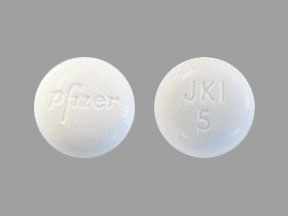
Xeljanz Side Effects
Generic name: tofacitinib
Medically reviewed by Drugs.com. Last updated on Apr 17, 2024.
Note: This document provides detailed information about Xeljanz Side Effects associated with tofacitinib. Some dosage forms listed on this page may not apply specifically to the brand name Xeljanz.
Applies to tofacitinib: oral solution, oral tablet, oral tablet extended release.
Important warnings
This medicine can cause some serious health issues
Serious side effects of Xeljanz
Along with its needed effects, tofacitinib (the active ingredient contained in Xeljanz) may cause some unwanted effects. Although not all of these side effects may occur, if they do occur they may need medical attention.
Check with your doctor immediately if any of the following side effects occur while taking tofacitinib:
Less common
- black, tarry stools
- bladder pain
- bloody or cloudy urine
- blurred vision
- body aches or pain
- chest pain or tightness
- chills
- cough
- difficult, burning, or painful urination
- difficulty breathing
- dizziness
- ear congestion
- fever
- frequent urge to urinate
- headache
- itching, pain, redness, swelling, tenderness, warmth on the skin
- loss of voice
- lower back or side pain
- muscle aches
- nervousness
- pounding in the ears
- slow or fast heartbeat
- sneezing
- sore throat
- stuffy or runny nose
- swollen glands
- trouble breathing
- unusual tiredness or weakness
- weight loss
- yellow eyes and skin
Incidence not known
- bloating or swelling of the face, arms, hands, lower legs, or feet
- confusion
- dark urine
- decreased urination
- double vision
- dry mouth
- fainting
- hives or welts, rash
- inability to move the arms, legs, or facial muscles
- increase in heart rate
- labored breathing
- large, hive-like swelling on the face, eyelids, lips, tongue, throat, hands, legs, feet, or genitals
- light-colored stools
- lightheadedness
- nausea
- no blood pressure or pulse
- pain or discomfort in the arms, jaw, back, or neck
- pain, redness, swelling, or tenderness in the arms or legs
- pale skin
- pink growth
- persistent non-healing sore
- rapid breathing
- rapid weight gain
- reddish patch or irritated area of the skin
- shiny bump
- slow speech
- stopping of heart
- sunken eyes
- sweating
- thirst
- tingling of the hands or feet
- unconsciousness
- unusual bleeding or bruising
- unusual weight gain
- upper right abdominal or stomach pain
- vomiting
- white, yellow or waxy scar-like area
- wrinkled skin
Other side effects of Xeljanz
Some side effects of tofacitinib may occur that usually do not need medical attention. These side effects may go away during treatment as your body adjusts to the medicine. Also, your health care professional may be able to tell you about ways to prevent or reduce some of these side effects.
Check with your health care professional if any of the following side effects continue or are bothersome or if you have any questions about them:
Less common
- diarrhea
Incidence not known
- belching
- burning feeling in the chest or stomach
- burning, crawling, itching, numbness, prickling, "pins and needles", or tingling feelings
- difficulty with moving
- heartburn
- indigestion
- muscle pain or stiffness
- pain in the joints
- stomach discomfort, upset, or pain
- tenderness in the stomach area
- trouble sleeping
- unusually warm skin
For healthcare professionals
Applies to tofacitinib: oral solution, oral tablet, oral tablet extended release.
General
In rheumatoid arthritis clinical trials, the most common serious adverse reactions were serious infections; the most common serious infections included pneumonia, cellulitis, herpes zoster, urinary tract infection, diverticulitis, and appendicitis. In ulcerative colitis induction and maintenance trials, the most common serious adverse reaction was worsening of ulcerative colitis.[Ref]
Cardiovascular
- Common (1% to 10%): Hypertension
- Uncommon (0.1% to 1%): Venous thromboembolism (includes pulmonary embolism, deep vein thrombosis), myocardial infarction
- Frequency not reported: Deep vein thrombosis, nonfatal myocardial infarction, fatal myocardial infarction, arterial thromboembolism, major adverse cardiovascular events (includes nonfatal myocardial infarction, nonfatal stroke, cardiovascular death [excluding fatal pulmonary embolism]), thrombosis (including pulmonary embolism, deep venous thrombosis, arterial thrombosis), decreased heart rate, prolonged PR interval
Dermatologic
- Common (1% to 10%): Rash, acne
- Uncommon (0.1% to 1%): Erythema, pruritus, cellulitis, herpes simplex
- Frequency not reported: Multidermatomal herpes zoster, pilonidal cyst
- Postmarketing reports: Angioedema, urticaria
Gastrointestinal
- Common (1% to 10%): Diarrhea, abdominal pain, dyspepsia, vomiting, gastritis, nausea, constipation, gastroenteritis, upper abdominal pain, ulcerative colitis
- Uncommon (0.1% to 1%): Diverticulitis, viral gastroenteritis, appendicitis
- Frequency not reported: Esophageal candidiasis, worsening of ulcerative colitis, gastrointestinal perforation, gastrointestinal obstruction
Genitourinary
- Common (1% to 10%): Urinary tract infection
- Uncommon (0.1% to 1%): Pyelonephritis
- Rare (0.01% to 0.1%): Urosepsis
Hematologic
- Common (1% to 10%): Anemia, decreased absolute lymphocyte count
- Uncommon (0.1% to 1%): Leukopenia, neutropenia, lymphopenia
- Rare (0.01% to 0.1%): Decreased absolute neutrophil count
- Frequency not reported: Lymphocytosis
Hepatic
- Common (1% to 10%): Increased AST, increased ALT, increased GGT
- Uncommon (0.1% to 1%): Hepatic steatosis, increased hepatic enzymes, increased transaminases, abnormal liver function test
- Frequency not reported: Drug-induced liver injury, increased bilirubin
- Postmarketing reports: Hepatitis B reactivation
Hypersensitivity
- Postmarketing reports: Hypersensitivity/allergic reactions, drug hypersensitivity (e.g., angioedema, urticaria)
Metabolic
- Common (1% to 10%): Hypercholesterolemia
- Uncommon (0.1% to 1%): Dehydration, dyslipidemia, hyperlipidemia
Musculoskeletal
- Common (1% to 10%): Rheumatoid arthritis, back pain, arthralgia, increased blood creatine phosphokinase
- Uncommon (0.1% to 1%): Musculoskeletal pain, tendonitis, joint swelling, ligament sprain, muscle strain
- Rare (0.01% to 0.1%): Necrotizing fasciitis, bacterial arthritis
- Frequency not reported: Limb abscess, fractures
Nervous system
- Common (1% to 10%): Headache, dizziness
- Uncommon (0.1% to 1%): Paresthesia
- Rare (0.01% to 0.1%): Tuberculosis of central nervous system, encephalitis, cryptococcal meningitis
- Frequency not reported: Aseptic meningitis, epidural empyema (with sinusitis and subperiosteal abscess)
Oncologic
- Common (1% to 10%): Epstein Barr Virus-associated posttransplant lymphoproliferative disorder
- Uncommon (0.1% to 1%): Lung cancer, nonmelanoma skin cancer (includes basal cell carcinoma, squamous cell carcinoma)
- Rare (0.01% to 0.1%): Lymphoma
- Frequency not reported: Solid cancers, malignancies (including solid cancers, lymphomas, nonmelanoma skin cancer, lung cancer, breast cancer, gastric cancer, colorectal cancer, renal cell cancer, prostate cancer, malignant melanoma), basal cell carcinoma, cutaneous squamous cell carcinoma, breast cancer, melanoma, prostate cancer, pancreatic cancer
Other
- Very common (10% or more): Infections (up to 49.4%)
- Common (1% to 10%): Pyrexia, fatigue, peripheral edema, herpes zoster, increased weight, fall, increased cholesterol levels (includes hypercholesterolemia, hyperlipidemia, increased blood cholesterol, dyslipidemia, increased blood triglycerides, increased low-density lipoprotein [LDL], abnormal LDL, increased lipids), increased blood cholesterol, serious infections
- Uncommon (0.1% to 1%): Tuberculosis, viral infection, increased LDL
- Rare (0.01% to 0.1%): Sepsis, disseminated tuberculosis, bacteremia, staphylococcal bacteremia, atypical mycobacterial infection, CMV infection, Mycobacterium avium complex infection
- Frequency not reported: Opportunistic infections, other mycobacterial infections, cryptococcus, histoplasmosis, BK virus infection, listeriosis, increased lipid parameters (total cholesterol, LDL cholesterol, high-density lipoprotein [HDL] cholesterol, triglycerides), increased LDL cholesterol, increased HDL cholesterol, septic shock, opportunistic herpes zoster infections (including meningoencephalitis, ophthalmologic, disseminated cutaneous), viral reactivation (including herpes virus reactivation [e.g., herpes zoster]), all-cause mortality (including sudden cardiovascular death), deaths associated with infection, deaths associated with cardiovascular events, deaths associated with malignancies, deaths associated with other causes (excluding infections, cardiovascular events, malignancies), dissemination of the vaccine strain of varicella zoster virus
A patient had dissemination of the vaccine strain of varicella zoster virus, 16 days after vaccination with live attenuated virus vaccine and 2 days after starting therapy with 5 mg twice a day; the patient was varicella virus naive, as shown by no history of varicella infection and no anti-varicella antibodies at baseline. This drug was discontinued and the patient recovered after treatment with standard doses of antiviral therapy.
Psychiatric
- Uncommon (0.1% to 1%): Insomnia
Renal
- Uncommon (0.1% to 1%): Increased blood creatinine
- Frequency not reported: Escherichia pyelonephritis
Respiratory
- Very common (10% or more): Nasopharyngitis (up to 18.2%)
- Common (1% to 10%): Pneumonia, influenza, sinusitis, pharyngitis, upper respiratory tract infections, bronchitis, cough, viral upper respiratory tract infection
- Uncommon (0.1% to 1%): Dyspnea, sinus congestion
- Rare (0.01% to 0.1%): Pneumocystis jirovecii pneumonia, pneumococcal pneumonia, bacterial pneumonia
- Frequency not reported: Pulmonary embolism, interstitial lung disease
References
1. (2021) "Product Information. Xeljanz (tofacitinib)." Pfizer U.S. Pharmaceuticals Group, SUPPL-28
2. (2021) "Product Information. Xeljanz XR (tofacitinib)." Pfizer U.S. Pharmaceuticals Group, SUPPL-13
3. (2021) "Product Information. Xeljanz (tOFACitinib)." Pfizer Australia Pty Ltd, pfpxeljt11021
4. (2022) "Product Information. Xeljanz (tofacitinib)." Pfizer Ltd, XJ 5mg 26_0 GB
Frequently asked questions
- What are the new drugs for rheumatoid arthritis (RA)?
- What are JAK inhibitors and how do they work?
- What happens when you stop taking Xeljanz?
- Which JAK inhibitors are approved in the U.S?
- How long does it take to work?
- Can I drink alcohol while taking Xeljanz?
- Does it cause hair loss?
- What is it used for and is it a biologic?
- Is Xeljanz an immunosuppressant?
More about Xeljanz (tofacitinib)
- Check interactions
- Compare alternatives
- Pricing & coupons
- Reviews (138)
- Drug images
- Latest FDA alerts (4)
- Dosage information
- Patient tips
- During pregnancy
- Generic availability
- Support group
- FDA approval history
- Drug class: antirheumatics
- Breastfeeding
- En español
Patient resources
Other brands
Professional resources
Related treatment guides
Further information
Xeljanz side effects can vary depending on the individual. Always consult your healthcare provider to ensure the information displayed on this page applies to your personal circumstances.
Some side effects may not be reported. You may report them to the FDA.