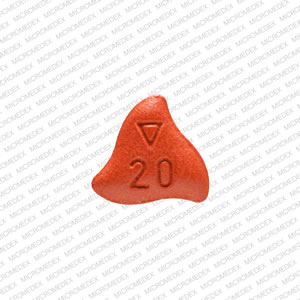
Xarelto Side Effects
Generic name: rivaroxaban
Note: This document provides detailed information about Xarelto Side Effects associated with rivaroxaban. Some dosage forms listed on this page may not apply specifically to the brand name Xarelto.
Applies to rivaroxaban: oral powder for suspension, oral tablet.
Important warnings
This medicine can cause some serious health issues
Oral route (tablet)
Premature discontinuation of any oral anticoagulant, including rivaroxaban, increases the risk of thrombotic events.
To reduce this risk, consider coverage with another anticoagulant if rivaroxaban is discontinued for a reason other than pathological bleeding or completion of a course of therapy.
Epidural or spinal hematomas, which may result in long-term or permanent paralysis, have occurred in patients treated with rivaroxaban who are receiving neuraxial anesthesia or undergoing spinal puncture.
Optimal timing between the administration of rivaroxaban and neuraxial procedures is not known.
Factors that can increase the risk of developing hematomas include: use of indwelling epidural catheters; concomitant use of drugs affecting hemostasis, such as NSAIDs, platelet inhibitors, or other anticoagulants; or a history of traumatic or repeated epidural or spinal punctures, spinal deformity, or spinal surgery.
Monitor patients frequently for neurological impairment.
If neurological compromise is noted, urgent treatment is necessary.
Consider risks/benefits before neuraxial intervention in patients anticoagulated or to be anticoagulated for thromboprophylaxis.
Precautions
It is very important that your doctor check your progress at regular visits to make sure this medicine is working properly. Blood and urine tests will be needed to check for unwanted effects. Be sure to keep all appointments.
You may bleed or bruise more easily while you are using this medicine. Stay away from rough sports or other situations where you could be bruised, cut, or injured. Be careful when using sharp objects, including razors and fingernail clippers. Avoid nose picking and forceful nose blowing.
Make sure any doctor or dentist who treats you knows that you are using this medicine.
This medicine may cause bleeding problems. This risk is higher if you have a catheter in your back for pain medicine or anesthesia (sometimes called an "epidural"), or if you have kidney problems. The risk of bleeding increases if your kidney problems get worse. Check with your doctor right away if you have any unusual bleeding or bruising, black, tarry stools, bleeding gums, blood in the urine or stools, tingling, numbness, or weakness of the lower legs, or pinpoint red spots on your skin.
Check with your doctor right away if you have a decreased urine output, confusion, dizziness, nausea, rapid weight gain, swelling of the face, ankles, or hands, or unusual tiredness or weakness after receiving the medicine. These may be symptoms of a serious kidney problem.
Be careful when using a regular toothbrush, dental floss, or toothpick. Your medical doctor, dentist, or nurse may recommend other ways to clean your teeth and gums. Check with your medical doctor before having any dental work done.
Do not suddenly Stop taking rivaroxaban (the active ingredient contained in Xarelto) without first checking with your doctor. Doing so, may increase your risk of having a stroke.
Make sure your doctor knows if you are pregnant or planning to become pregnant during treatment with this medicine.
Do not take other medicines unless they have been discussed with your doctor. This includes prescription or nonprescription (over-the-counter [OTC]) medicines and herbal (eg, St. John's wort) or vitamin supplements.
Serious side effects of Xarelto
Along with its needed effects, rivaroxaban may cause some unwanted effects. Although not all of these side effects may occur, if they do occur they may need medical attention.
Check with your doctor immediately if any of the following side effects occur while taking rivaroxaban:
More common side effects
- back pain
- bleeding gums
- bloody stools
- bowel or bladder dysfunction
- burning, crawling, itching, numbness, prickling, "pins and needles", or tingling feelings
- coughing up blood
- difficulty with breathing or swallowing
- dizziness
- headache
- increased menstrual flow or vaginal bleeding
- leg weakness
- nosebleeds
- numbness
- paralysis
- prolonged bleeding from cuts
- red or black, tarry stools
- red or dark brown urine
- vomiting of blood or material that looks like coffee grounds
Less common side effects
- fainting
- pain in the arms or legs
- wound secretion
Rare side effects
- burning feeling while urinating
- difficult or painful urination
Incidence not known
- blistering, peeling, or loosening of the skin
- blurred vision
- chest tightness
- chills
- clay-colored stools
- cough
- dark urine
- diarrhea
- fast or irregular heartbeat
- fever with or without chills
- general feeling of tiredness or weakness
- hives, itching, skin rash
- hoarseness
- joint or muscle pain
- loss of appetite
- lower back or side pain
- nausea
- puffiness or swelling of the eyelids or around the eyes, face, lips, or tongue
- red skin lesions, often with a purple center
- red, irritated eyes
- severe headache
- sore throat
- sores, ulcers, or white spots in the mouth or on the lips
- stomach pain or swelling
- unpleasant breath odor
- unusual bleeding or bruising
- unusual tiredness or weakness
- vomiting
- yellow eyes or skin
Other side effects of Xarelto
Some side effects of rivaroxaban may occur that usually do not need medical attention. These side effects may go away during treatment as your body adjusts to the medicine. Also, your health care professional may be able to tell you about ways to prevent or reduce some of these side effects.
Check with your health care professional if any of the following side effects continue or are bothersome or if you have any questions about them:
Less common side effects
- blisters
- muscle spasm
See also:
For healthcare professionals
Applies to rivaroxaban: oral granule for reconstitution, oral tablet.
General adverse events
The most common adverse reactions were bleedings/bleeding complications/bleeding events.[Ref]
Cardiovascular
- Common (1% to 10%): Hypotension, hematoma, hypertension, tachycardia, procedural hypotension, deep vein thrombosis
- Uncommon (0.1% to 1%): Traumatic hematoma
- Rare (0.01% to 0.1%): Vascular pseudoaneurysm
- Frequency not reported: Hypoperfusion, cardiac ischemia symptoms (e.g., chest pain, angina pectoris), decreased blood pressure[Ref]
Dermatologic
- Common (1% to 10%): Pruritus, rash, ecchymosis, cutaneous hemorrhage, subcutaneous hemorrhage, blister, unspecific blistering, subcutaneous hematoma
- Uncommon (0.1% to 1%): Generalized pruritus, angioedema, allergic dermatitis, urticaria, ecchymosis, skin hemorrhage, drug eruption, pruritic rash, erythematous rash, generalized rash
- Very rare (less than 0.01%): Toxic epidermal necrolysis
- Frequency not reported: Generalized urticaria, maculopapular rash, viral rash
- Postmarketing reports: Stevens-Johnson syndrome, drug reaction with eosinophilia and systemic symptoms (DRESS), angioedema[Ref]
Gastrointestinal
- Very common (10% or more): Nausea (up to 11.1%)
- Common (1% to 10%): Gingival bleeding, gastrointestinal (GI) tract hemorrhage, rectal hemorrhage, GI pain, abdominal pain, dyspepsia, constipation, diarrhea, vomiting, upper abdominal pain, major GI bleeding, GI bleeding events (included upper GI bleeding, lower GI bleeding, rectal bleeding), GI hemorrhage
- Uncommon (0.1% to 1%): Dry mouth, increased lipase, increased amylase, anal hemorrhage, hematemesis, hematochezia, hemorrhoidal hemorrhage, lower GI hemorrhage, melena, lip hemorrhage, mouth hemorrhage, tongue hemorrhage, abdominal discomfort, lower abdominal pain, occult blood positive, upper GI hemorrhage, gastric ulcer hemorrhage, hemorrhagic gastritis, gastric hemorrhage
- Rare (0.01% to 0.1%): Nonfatal retroperitoneal bleeding
- Frequency not reported: Gastroenteritis (including viral gastroenteritis), stomach discomfort, epigastric discomfort[Ref]
Genitourinary
- Common (1% to 10%): Urogenital tract hemorrhage, hematuria, menorrhagia, urinary tract infection, urinary retention, vaginal hemorrhage
- Uncommon (0.1% to 1%): Metrorrhagia, blood urine present
- Rare (0.01% to 0.1%): Menometrorrhagia
- Frequency not reported: Abnormal vaginal/increased menstrual bleeding[Ref]
Hematologic
- Very common (10% or more): Any bleeding (up to 28.3%)
- Common (1% to 10%): Anemia (including respective laboratory parameters), postprocedural hemorrhage (including postoperative anemia, wound hemorrhage), hemorrhage, thrombocytosis, major bleeding, clinically relevant nonmajor bleeding, modified International Society on Thrombosis and Hemostasis (ISTH) major bleeding, bleeding leading to hospitalization (nonfatal, noncritical organ, not requiring reoperation), Thrombolysis in Myocardial Infarction Bleeding Criteria (TIMI) major bleeding (coronary artery bypass graft [CABG]/non-CABG), clinically overt signs of hemorrhage associated with a drop in hemoglobin (Hb) of at least 5 g/dL or drop in hematocrit of at least 15%
- Uncommon (0.1% to 1%): Increased platelet count, operative hemorrhage, traumatic hemorrhage, decreased Hb, decreased hematocrit, bleeding varicose vein, nonfatal symptomatic bleeding in critical organ, decrease in Hb of at least 2 g/dL, nonfatal noncritical organ bleeding, transfusion of at least 2 units of packed RBCs/whole blood, nonfatal critical organ bleeding, bleeding that required reoperation, extra-surgical site bleeding requiring transfusion of more than 2 units of whole blood/packed cells, critical site bleeding, bleeding into a critical organ, fatal bleeding event
- Rare (0.01% to 0.1%): Bleeding into the surgical site requiring reoperation (nonfatal noncritical organ), fatal non-intracranial bleeding
- Frequency not reported: Trivial bleeding
- Postmarketing reports: Agranulocytosis, thrombocytopenia[Ref]
Major bleeding was defined as clinically overt bleeding associated with a decrease in Hb of at least 2 g/dL, a transfusion of at least 2 units of packed RBCs/whole blood, bleeding at a critical site, or with a fatal outcome.
Clinically relevant nonmajor bleeding was bleeding that was clinically overt, did not meet the criteria for major bleeding, but was associated with medical intervention, unscheduled contact with physician, temporary cessation of therapy, discomfort for patient, or impairment of daily life activities.
Modified ISTH major bleeding was defined as fatal bleeding; symptomatic bleeding in a critical area or organ (e.g., intraarticular, IM with compartment syndrome, intraspinal, intracranial, intraocular, respiratory, pericardial, liver, pancreas, retroperitoneal, adrenal gland, kidney); bleeding into the surgical site requiring reoperation; or bleeding leading to hospitalization.
Nonfatal noncritical organ bleeding was major bleeding that was not fatal or in a critical organ, but resulted in a decrease in Hb of at least 2 g/dL and/or transfusion of at least 2 units of packed RBCs/whole blood.
Fatal bleeding was adjudicated death with the primary cause of death from bleeding[Ref]
Hepatic
- Common (1% to 10%): Increased transaminases (including increased ALT, increased AST), increased GGT, increased ALT
- Uncommon (0.1% to 1%): Hepatic impairment, increased bilirubin, increased AST, abnormal liver function test, increased hepatic enzyme, increased conjugated bilirubin (with or without concomitant increase of ALT), hyperbilirubinemia
- Postmarketing reports: Jaundice, cholestasis, hepatitis (including hepatocellular injury)[Ref]
Hypersensitivity
- Uncommon (0.1% to 1%): Allergic reaction
- Postmarketing reports: Hypersensitivity, anaphylactic reaction, anaphylactic shock, allergic edema[Ref]
Metabolic
- Uncommon (0.1% to 1%): Hyperglycemia[Ref]
Musculoskeletal
- Common (1% to 10%): Pain in extremity, contusion, back pain, muscle spasm, arthralgia, increased muscle cramping
- Uncommon (0.1% to 1%): Hemarthrosis
- Rare (0.01% to 0.1%): Muscle hemorrhage
- Frequency not reported: Compartment syndrome (secondary to bleeding)[Ref]
Nervous system
- Common (1% to 10%): Dizziness, headache, syncope, increased muscle tone
- Uncommon (0.1% to 1%): Cerebral hemorrhage, loss of consciousness, intracranial hemorrhage/bleeding, nonfatal intracranial hemorrhage/bleeding, hemorrhagic stroke (fatal and nonfatal), other intracranial hemorrhage/bleeding (fatal and nonfatal), fatal intracranial hemorrhage/bleeding
- Rare (0.01% to 0.1%): Subdural hematoma, cerebellar hemorrhage, hemorrhagic transformation stroke
- Postmarketing reports: Hemiparesis[Ref]
Intracranial bleeding events included intraparenchymal, intraventricular, subdural, subarachnoid, and/or epidural hematoma. Hemorrhagic stroke referred to nontraumatic intraparenchymal and/or intraventricular hematoma in patients on therapy plus 2 days.[Ref]
Ocular
- Common (1% to 10%): Eye hemorrhage, conjunctival hemorrhage
- Uncommon (0.1% to 1%): Vitreous hemorrhage, periorbital hematoma
- Rare (0.01% to 0.1%): Nonfatal intraocular bleeding[Ref]
Other
- Common (1% to 10%): Pyrexia/fever, peripheral edema, decreased general strength and energy, fatigue, asthenia, wound secretion, unspecific pain, wound healing complications, feeling unwell, wound hemorrhage
- Uncommon (0.1% to 1%): Increased blood alkaline phosphatase, malaise, increased lactate dehydrogenase, incision site hemorrhage
- Rare (0.01% to 0.1%): Localized edema, feeling abnormal
- Frequency not reported: Mucosal bleedings (i.e., epistaxis, gingival, gastrointestinal, genitourinary [including abnormal vaginal/increased menstrual bleeding])[Ref]
Psychiatric
- Common (1% to 10%): Insomnia, anxiety, depression, sleep disorders[Ref]
Renal
- Common (1% to 10%): Renal impairment (including increased blood creatinine, increased blood urea)
- Uncommon (0.1% to 1%): Decreased renal CrCl, increased blood creatinine, increased blood urea
- Frequency not reported: Renal failure/acute renal failure (secondary to bleeding sufficient to cause hypoperfusion)
- Postmarketing reports: Anticoagulant-related nephropathy[Ref]
Respiratory
- Common (1% to 10%): Epistaxis/nosebleed, hemoptysis, dyspnea
- Very rare (less than 0.01%): Eosinophilic pneumonia
- Frequency not reported: Pulmonary hemorrhage, pulmonary hemorrhage with bronchiectasis, epistaxis leading to transfusion, cough
- Postmarketing reports: Eosinophilic pneumonia[Ref]
References
1. (2022) "Product Information. Xarelto (rivaroxaban)." Janssen Pharmaceuticals, SUPPL-39
2. (2020) "Product Information. Xarelto (rivaroxaban)." Bayer Australia Ltd, XARELTO PI XV2.0; CC
3. (2022) "Product Information. Xarelto (rivaroxaban)." Bayer Plc
Frequently asked questions
- Xarelto vs Eliquis: How do they compare?
- Does Xarelto increase or decrease blood pressure?
- How long before surgery should Xarelto be stopped?
- Switching from Eliquis to Xarelto: What do I need to know?
- How do you reverse bleeding with Xarelto?
- Does Feverfew interact with any drugs?
- How does Xarelto work?
- What are biologic drugs and how do they work?
More about Xarelto (rivaroxaban)
- Check interactions
- Compare alternatives
- Pricing & coupons
- Reviews (228)
- Drug images
- Dosage information
- Patient tips
- During pregnancy
- Generic availability
- Support group
- FDA approval history
- Drug class: factor Xa inhibitors
- Breastfeeding
Patient resources
Professional resources
Related treatment guides
Further information
Xarelto side effects can vary depending on the individual. Always consult your healthcare provider to ensure the information displayed on this page applies to your personal circumstances.
Note: Medication side effects may be underreported. If you are experiencing side effects that are not listed, submit a report to the FDA by following this guide.