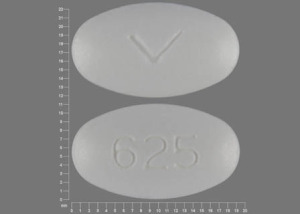
Viracept Side Effects
Generic name: nelfinavir
Medically reviewed by Drugs.com. Last updated on Mar 28, 2025.
Note: This document provides detailed information about Viracept Side Effects associated with nelfinavir. Some dosage forms listed on this page may not apply specifically to the brand name Viracept.
Applies to nelfinavir: oral tablet.
Precautions
If you will be taking this medicine for a long time, it is very important that your doctor check the progress of you or your child at regular visits to make sure this medicine is working properly. Blood tests may be needed to check for unwanted effects.
Do not use this medicine if you are also using alfuzosin (Uroxatral®), amiodarone Cordarone®), lovastatin (Advicor®, Altocor®, Mevacor®), lurasidone (Latuda®), oral midazolam (Versed®), pimozide (Orap®), quinidine (Quinaglute®), rifampin (Rifadin®), sildenafil (Revatio®), simvastatin (Simcor®, Vytorin®, Zocor®), triazolam (Halcion®), or ergot medicines (eg, dihydroergotamine, ergotamine, methylergonovine, DHE 45®, Ergomar®),
Using this medicine while you are pregnant can harm your unborn baby. Birth control pills may not work as well to prevent pregnancy when used with this medicine. Use another form of birth control (eg, condoms, spermicide) along with your pills. If you think you have become pregnant while using this medicine, tell your doctor right away.
This medicine may increase blood sugar levels. Check with your doctor right away if you or your child notice a change in the results of your blood or urine sugar tests, or if you have confusion, nausea or vomiting, increased hunger, thirst or urination, or unusual tiredness or weakness.
This medicine may cause you to have excess body fat. Tell your doctor if you or your child notice changes in your body shape, including an increased amount of fat in the upper back and neck, or around the chest and stomach area. You might also lose fat from the legs, arms, and face.
Your immune system may get stronger when you start taking HIV medicines. Tell your doctor right away if you notice any changes in your health. Sometimes the immune system will start to fight infections that were hidden in your body, such as pneumonia, herpes, or tuberculosis. Autoimmune disorders (eg, Graves' disease, polymyositis, and Guillain-Barré syndrome) may also occur.
Do not take other medicines unless they have been discussed with your doctor. This includes prescription and nonprescription (over-the-counter [OTC]) medicines, and herbal (eg, St. John's wort) or vitamin supplements.
Common side effects of Viracept
Some side effects of nelfinavir may occur that usually do not need medical attention. These side effects may go away during treatment as your body adjusts to the medicine. Also, your health care professional may be able to tell you about ways to prevent or reduce some of these side effects.
Check with your health care professional if any of the following side effects continue or are bothersome or if you have any questions about them:
More common side effects
- diarrhea
Less common side effects
- acid or sour stomach
- belching
- burning, crawling, itching, numbness, prickling, "pins and needles" , or tingling feelings
- difficulty in moving
- discouragement
- feeling sad or empty
- heartburn
- increase in body movements
- irritability
- loss of interest or pleasure
- muscle aches, cramps, pain, or stiffness
- muscular tenderness, wasting or weakness
- passing gas
- redistribution or accumulation of body fat
- sleepiness or unusual drowsiness
- trouble concentrating
- trouble sleeping
Serious side effects of Viracept
Along with its needed effects, nelfinavir (the active ingredient contained in Viracept) may cause some unwanted effects. Although not all of these side effects may occur, if they do occur they may need medical attention.
Check with your doctor immediately if any of the following side effects occur while taking nelfinavir:
Less common side effects
- anxiety
- bleeding gums
- bloating
- blood in the urine or stools
- bloody, black, tarry stools
- blurred vision
- chest pain
- chills
- coma
- confusion
- constipation
- cool, pale skin
- cough
- darkened urine
- dehydration
- dizziness
- dry mouth
- fast heartbeat
- fever
- flushed, dry skin
- fruity mouth odor
- increased hunger
- increased thirst
- increased urination
- indigestion
- joint pain, stiffness, or swelling
- loss of appetite
- nausea
- nervousness
- nightmares
- painful or difficult urination
- pains in the stomach, side, or abdomen, possibly radiating to the back
- pinpoint red spots on the skin
- seizures
- shakiness
- slurred speech
- sore throat
- sores, ulcers, or white spots on the lips or in the mouth
- sweating
- swelling of the feet or lower legs
- swollen glands
- trouble breathing
- unusual bleeding or bruising
- unusual tiredness or weakness
- vomiting
- vomiting of blood or material that looks like coffee grounds
- yellow eyes or skin
- weight loss
Incidence not known
- clay-colored stools
- difficulty with breathing
- drowsiness
- fainting
- headache
- irregular heartbeat
- muscle tremors
- noisy breathing
- rapid, deep breathing
- recurrent fainting
- restlessness
- skin rash
- unpleasant breath odor
- vomiting of blood
See also:
For healthcare professionals
Applies to nelfinavir: oral powder for reconstitution, oral tablet.
General adverse events
Most side effects were of mild severity. The most common side effect was diarrhea, which was usually of mild to moderate severity.[Ref]
Gastrointestinal
- Very common (10% or more): Diarrhea (up to 20%)
- Common (1% to 10%): Nausea, flatulence
- Frequency not reported: Abdominal pain, dyspepsia, epigastric pain, gastrointestinal bleeding, increased amylase, mouth ulceration, pancreatitis, vomiting[Ref]
Hematologic
- Common (1% to 10%): Decreased lymphocytes, decreased neutrophils, decreased hemoglobin
- Frequency not reported: Anemia, leukopenia, thrombocytopenia
HIV protease inhibitor therapy:
- Frequency not reported: Increased bleeding (including spontaneous skin hematomas, hemarthrosis) in hemophiliacs[Ref]
Increased bleeding (including spontaneous skin hematomas and hemarthrosis) in patients with hemophilia type A and B has been associated with protease inhibitors. In many of the reported cases, treatment with protease inhibitors was continued or restarted and some patients required additional factor VIII. A causal relationship between protease inhibitor therapy and these episodes has not been established.[Ref]
Hepatic
- Common (1% to 10%): Elevated AST, elevated ALT
- Frequency not reported: Elevated GGT, abnormal liver function tests, hepatitis
- Postmarketing reports: Jaundice, bilirubinemia[Ref]
Musculoskeletal
- Common (1% to 10%): Elevated creatine kinase
- Frequency not reported: Arthralgia, arthritis, back pain, cramps, increased creatine phosphokinase, myalgia, myasthenia, myopathy[Ref]
Dermatologic
- Common (1% to 10%): Rash
- Frequency not reported: Dermatitis, folliculitis, fungal dermatitis, maculopapular rash, pruritus, sweating, urticaria[Ref]
Nervous system
- Frequency not reported: Dizziness, headache, hyperkinesia, migraine, paresthesia, seizures, somnolence[Ref]
Other
- Frequency not reported: Accidental injury, asthenia, fever, malaise, pain[Ref]
Respiratory
- Frequency not reported: Dyspnea, pharyngitis, rhinitis, sinusitis[Ref]
Cardiovascular
- Postmarketing reports: QTc prolongation, torsades de pointes[Ref]
Metabolic
- Frequency not reported: Anorexia, increased alkaline phosphatase, increased LDH, hyperlipidemia, hyperuricemia, hyperglycemia, hypoglycemia, dehydration, redistribution/accumulation of body fat
- Postmarketing reports: Metabolic acidosis
Combination antiretroviral therapy:
- Frequency not reported: Redistribution/accumulation of body fat (including central obesity, dorsocervical fat enlargement, peripheral wasting, facial wasting, breast enlargement, "cushingoid appearance")
HIV protease inhibitor therapy:
- Postmarketing reports: New onset diabetes mellitus, exacerbation of preexisting diabetes mellitus, hyperglycemia, ketoacidosis[Ref]
Psychiatric
- Frequency not reported: Anxiety, depression, emotional lability, insomnia, sleep disorder, suicidal ideation[Ref]
Hypersensitivity
- Frequency not reported: Allergic reaction
- Postmarketing reports: Hypersensitivity reactions (including bronchospasm, moderate to severe rash, fever, edema)[Ref]
Renal
- Frequency not reported: Kidney calculus[Ref]
Genitourinary
- Frequency not reported: Sexual dysfunction, urine abnormality[Ref]
Immunologic
- Frequency not reported: Immune reconstitution/reactivation syndrome, autoimmune disorders in the setting of immune reconstitution (e.g., Graves' disease, polymyositis, Guillain-Barre syndrome)
Ocular
- Frequency not reported: Acute iritis, eye disorder[Ref]
References
1. (2001) "Product Information. Viracept (nelfinavir)." Agouron Pharma Inc
2. AIDSinfo. NIH. National Institutes of Health (2015) Guidelines for the use of antiretroviral agents in pediatric HIV infection. http://aidsinfo.nih.gov/contentfiles/lvguidelines/pediatricguidelines.pdf
3. HHS Panel on Antiretroviral Guidelines for Adults and Adolescents. Office of AIDS Research Advisory Council (OARAC). NIH. National Institutes of Health (2015) Guidelines for the use of antiretroviral agents in HIV-1-infected adults and adolescents. http://aidsinfo.nih.gov/contentfiles/lvguidelines/adultandadolescentgl.pdf
4. Flanigan TP, Ramratnam B, Graeber C, Hellinger J, Smith D, Wheeler D, Hawley P, Heathchiozzi M, Ward DJ, Brummitt C, Turner J (1996) "Prospective trial of paromomycin for cryptosporidiosis in AIDS." Am J Med, 100, p. 370-2
5. Gathe J, Burkhardt B, Hawley P, Conant M, Peterkin J, Chapman S (1996) "A randomized phase II study of VIRACEPT, a novel HIV proteas inhibitor, used in combination with stavudine (d4T) vs. stavudin (d4T) alone." Int Conf AIDS, 11, 25(ab.no.mo.b.413)
6. Moyle GJ, Youle M, Higgs C, Monaghan J, Peterkin J, Chapman S, Nelson M (1996) "Extended follow-up of safety and activity of agouron's HIV proteinas inhibitor ag1343 (Viracept) in virological responders from the UK phase I/II dose finding study." Int Conf AIDS, 11, 18(ab.no.mo.b.173)
7. Carr A (2000) "HIV protease inhibitor-related lipodystrophy syndrome." Clin Infect Dis, 30, s135-42
8. Hsyu PH, Schultz-Smith MD, Lillibridge JH, Lewis RH, Kerr BM (2001) "Pharmacokinetic Interactions between Nelfinavir and 3-Hydroxy-3-Methylglutaryl Coenzyme A Reductase Inhibitors Atorvastatin and Simvastatin." Antimicrob Agents Chemother, 45, p. 3445-50
9. (2001) "Drugs for HIV infection." Med Lett Drugs Ther, 43, p. 103-8
10. Ghosn J, Lamotte C, Ait-Mohand H, et al. (2003) "Efficacy of a twice-daily antiretroviral regimen containing 100 mg ritonavir/400 mg indinavir in HIV-infected patients." AIDS, 17, p. 209-14
11. Aarnoutse RE, Droste JA, Van Oosterhout JJ, et al. (2003) "Pharmacokinetics, food intake requirements and tolerability of once-daily combinations of nelfinavir and low-dose ritonavir in healthy volunteers." Br J Clin Pharmacol, 55, p. 115-125
12. Guest JL, Ruffin C, Tschampa JM, DeSilva KE, Rimland D (2004) "Differences in rates of diarrhea in patients with human immunodeficiency virus receiving lopinavir-ritonavir or nelfinavir." Pharmacotherapy, 24, p. 727-35
13. Gathe JC Jr, Ive P, Wood R, et al. (2004) "SOLO: 48-week efficacy and safety comparison of once-daily fosamprenavir /ritonavir versus twice-daily nelfinavir in naive HIV-1-infected patients." AIDS, 18, p. 1529-1537
14. Heeswijk RP, Khaliq Y, Gallicano KD, et al. (2004) "The pharmacokinetics of nelfinavir and M8 during pregnancy and post partum." Clin Pharmacol Ther, 76, p. 588-97
15. Regazzi M, Maserati R, Villani P, et al. (2005) "Clinical Pharmacokinetics of Nelfinavir and Its Metabolite M8 in Human Immunodeficiency Virus (HIV)-Positive and HIV-Hepatitis C Virus-Coinfected Subjects." Antimicrob Agents Chemother, 49, p. 643-9
16. Timmermans S, Tempelman C, Godfried MH, et al. (2005) "Nelfinavir and nevirapine side effects during pregnancy." AIDS, 19, p. 795-799
17. Perry CM, Frampton JE, McCormack PL, Siddiqui MA, Cvetkovic RS (2005) "Nelfinavir: A Review of its Use in the Management of HIV Infection." Drugs, 65, p. 2209-44
18. Damle B, Hewlett D Jr, Hsyu PH, Becker M, Petersen A (2006) "Pharmacokinetics of nelfinavir in subjects with hepatic impairment." J Clin Pharmacol, 46, p. 1241-9
19. Warnke D, Barreto J, Temesgen Z (2007) "Antiretroviral drugs." J Clin Pharmacol, 47, p. 1570-9
20. (2009) "Drugs for HIV infection." Treat Guidel Med Lett, 7, p. 11-22
21. Marzolini C, Buclin T, Decosterd LA, Biollaz J, Telenti A (2001) "Nelfinavir plasma levels under twice-daily and three-times-daily regimens: High interpatient and low intrapatient variability." Ther Drug Monit, 23, p. 394-8
22. Puro V, Soldani F, De Carli G, Lazarevic Z, Mattioli F, Ippolito G (2003) "Drug-induced aminotransferase alterations during antiretroviral HIV post-exposure prophylaxis." AIDS, 17, p. 1988-90
23. Abraham PE, Sorensen SJ, Baker WH, Cushing HE (2001) "Nelfinavir desensitization." Ann Pharmacother, 35, p. 553-6
24. Martinez E, Mocroft A, GarciaViejo MA, PerezCuevas JB, Blanco JL, Mallolas J, Bianchi L, Conget I, Blanch J, Phillips A, Gatell (2001) "Risk of lipodystrophy in HIV-1-infected patients treated with protease inhibitors: a prospective cohort study." Lancet, 357, p. 592-8
25. Manfredi R, Calza L, Chiodo F (2001) "Gynecomastia associated with highly antiretroviral therapy." Ann Pharmacother, 35, p. 438-9
26. Dube MP, Parker RA, Tebas P, et al. (2005) "Glucose metabolism, lipid, and body fat changes in antiretroviral-naive subjects randomized to nelfinavir or efavirenz plus dual nucleosides." AIDS, 19, p. 1807-1818
27. Fantoni M, Del Borgo C, Autore C (2003) "Evaluation and management of metabolic and coagulative disorders in HIV-infected patients receiving highly active antiretroviral therapy." AIDS, 17 Suppl 1, S162-9
28. Fisac C, Virgili N, Ferrer E, et al. (2003) "A comparison of the effects of nevirapine and nelfinavir on metabolism and body habitus in antiretroviral-naive human immunodeficiency virus-infected patients: a randomized controlled study." J Clin Endocrinol Metab, 88, p. 5186-92
29. Bergersen BM (2006) "Cardiovascular Risk in Patients with HIV Infection : Impact of Antiretroviral Therapy." Drugs, 66, p. 1971-87
30. Engeler DS, John H, Rentsch KM, Ruef C, Oertle D, Suter S (2002) "Nelfinavir urinary stones." J Urol, 167, p. 1384-5
31. Roling J, Schmid H, Fischereder M, Draenert R, Goebel FD (2006) "HIV-Associated Renal Diseases and Highly Active Antiretroviral Therapy-Induced Nephropathy." Clin Infect Dis, 42, p. 1488-95
Frequently asked questions
More about Viracept (nelfinavir)
- Check interactions
- Compare alternatives
- Pricing & coupons
- Drug images
- Dosage information
- During pregnancy
- Drug class: protease inhibitors
- Breastfeeding
- En español
Patient resources
Professional resources
Related treatment guides
Further information
Viracept side effects can vary depending on the individual. Always consult your healthcare provider to ensure the information displayed on this page applies to your personal circumstances.
Note: Medication side effects may be underreported. If you are experiencing side effects that are not listed, submit a report to the FDA by following this guide.