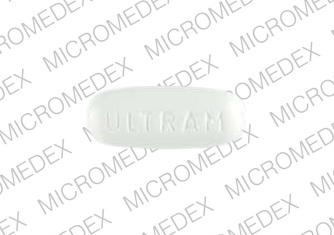
Ultram Side Effects
Generic name: tramadol
Medically reviewed by Drugs.com. Last updated on Sep 29, 2023.
Note: This document provides detailed information about Ultram Side Effects associated with tramadol. Some dosage forms listed on this page may not apply specifically to the brand name Ultram.
Applies to tramadol: oral capsule extended release, oral capsule extended release 24 hr, oral solution, oral suspension, oral tablet, oral tablet extended release.
Important warnings
This medicine can cause some serious health issues
Common side effects of Ultram
Some side effects of tramadol may occur that usually do not need medical attention. These side effects may go away during treatment as your body adjusts to the medicine. Also, your health care professional may be able to tell you about ways to prevent or reduce some of these side effects.
Check with your health care professional if any of the following side effects continue or are bothersome or if you have any questions about them:
More common
- constipation
- discouragement
- drowsiness
- dry mouth
- feeling of warmth
- feeling sad or empty
- feeling unusually cold
- general feeling of discomfort or illness
- heartburn
- irritability
- itching or skin rash
- joint pain
- loss of interest or pleasure
- loss of strength or weakness
- muscle aches and pains
- redness of the face, neck, arms, and occasionally, upper chest
- runny nose
- sleepiness or unusual drowsiness
- sore throat
- stomach pain
- stuffy nose
- tiredness
- trouble concentrating
- unusual feeling of excitement
- weakness
Less common
- abnormal dreams
- appetite decreased
- back pain
- bladder pain
- blistering, crusting, irritation, itching, or reddening of the skin
- bloody or cloudy urine
- body aches or pain
- change in hearing
- clamminess
- cough producing mucus
- cracked, dry, or scaly skin
- decreased interest in sexual intercourse
- difficult, burning, or painful urination
- difficulty with moving
- disturbance in attention
- ear congestion
- ear drainage
- earache or pain in the ear
- excessive gas
- falls
- false or unusual sense of well-being
- feeling hot
- feeling jittery
- general feeling of bodily discomfort
- goosebumps
- headache, severe and throbbing
- hoarseness
- inability to have or keep an erection
- itching, pain, redness, swelling, tenderness, or warmth on the skin
- joint sprain, stiffness, or swelling
- loss in sexual ability, desire, drive, or performance
- loss of voice
- lower back or side pain
- muscle injury, stiffness, spasms, or twitching
- neck pain
- night sweats
- pain in the limbs
- pain or tenderness around the eyes and cheekbones
- pain, swelling, or redness in the joints
- skin discoloration
- trouble in holding or releasing urine
- trouble sleeping
- weight changes
Serious side effects of Ultram
Along with its needed effects, tramadol (the active ingredient contained in Ultram) may cause some unwanted effects. Although not all of these side effects may occur, if they do occur they may need medical attention.
Check with your doctor immediately if any of the following side effects occur while taking tramadol:
Less common
- abnormal or decreased touch sensation
- blisters under the skin
- bloating
- blood in the urine
- blood pressure increased
- blurred vision
- change in walking and balance
- chest pain or discomfort
- chills
- dark urine
- difficult urination
- dizziness or lightheadedness when getting up suddenly from a lying or sitting position
- fainting
- fast heartbeat
- frequent urge to urinate
- gaseous stomach pain
- indigestion
- irregular heartbeat
- loss of memory
- numbness and tingling of the face, fingers, or toes
- pain in the arms, legs, or lower back, especially pain in the calves or heels upon exertion
- pain or discomfort in the arms, jaw, back, or neck
- pains in the stomach, side, or abdomen, possibly radiating to the back
- pale, bluish-colored or cold hands or feet
- recurrent fever
- seeing, hearing, or feeling things that are not there
- seizures
- severe cramping
- severe nausea
- severe redness, swelling, and itching of the skin
- stomach fullness
- sweating
- swelling of the hands, ankles, feet, or lower legs
- trembling and shaking of the hands or feet
- trouble performing routine tasks
- weak or absent pulses in the legs
- yellow eyes or skin
Incidence not known
- agitation
- anxiety
- chest tightness
- cold sweats
- coma
- confusion
- cool, pale skin
- cough
- darkening of the skin
- decreased urine output
- depression
- diarrhea
- difficulty swallowing
- dizziness
- fever
- headache
- hives, itching, skin rash
- increased hunger
- increased thirst
- loss of appetite
- mental depression
- muscle cramps
- nausea
- nervousness
- nightmares
- overactive reflexes
- poor coordination
- puffiness or swelling of the eyelids or around the eyes, face, lips, or tongue
- restlessness
- shakiness
- shivering
- slurred speech
- swelling of the face, ankles, or hands
- talking or acting with excitement you cannot control
- trouble breathing
- twitching
- unusual tiredness or weakness
- vomiting
Get emergency help immediately if any of the following symptoms of overdose occur while taking tramadol:
Symptoms of overdose
- change in consciousness
- decreased awareness or responsiveness
- difficulty with breathing
- lack of muscle tone
- lightheadedness
- loss of consciousness
- pinpointed pupils of the eyes
- severe sleepiness
- slow or irregular heartbeat
- unusual tiredness
For healthcare professionals
Applies to tramadol: oral capsule extended release, oral liquid, oral tablet, oral tablet disintegrating, oral tablet extended release.
General
The most common adverse reactions include nausea, constipation, dry mouth, somnolence, dizziness, and vomiting.[Ref]
Psychiatric
- Very common (10% or more): CNS stimulation (up to 14%)
- Common (1% to 10%): Anxiety, euphoria, nervousness, sleep disorder, insomnia, depression, agitation, apathy, depersonalization
- Uncommon (0.1% to 1%): Emotional lability
- Rare (less than 0.1%): Hallucinations, nightmares, dependency
- Very rare (less than 0.01%): Withdrawal syndrome[Ref]
CNS stimulation has been reported as a composite of nervousness, anxiety, agitation, tremor, spasticity, euphoria, emotional lability, and hallucinations. During clinical trials, tolerance development was mild and the reports of a withdrawal syndrome were rare. Symptoms of a withdrawal syndrome have included: panic attacks, severe anxiety, hallucinations, paraesthesias, tinnitus and unusual CNS symptoms (i.e. confusion, delusions, personalization, derealization, and paranoia).[Ref]
Hypersensitivity
- Rare (less than 0.1%): Anaphylaxis, allergic reactions such as dyspnea, bronchospasm, wheezing, angioneurotic edema, swollen skin[Ref]
Gastrointestinal
- Very common (10% or more): Nausea (up to 40%), constipation (up to 46%), vomiting (up to 17%), dyspepsia (up to 13%)
- Common (1% to 10%): Dry mouth, diarrhea, abdominal pain, flatulence, sore throat, gastroenteritis viral
- Uncommon (0.1% to 1%): Toothache, appendicitis, pancreatitis[Ref]
Nervous system
- Very common (10% or more): Dizziness (up to 28%), somnolence (up to 25%), headache (up to 32%),
- Common (1% to 10%): Confusion, coordination disturbance, tremor, paresthesia, hypoesthesia
- Uncommon (0.1% to 1%): Migraine, sedation, syncope, disturbance in attention
- Rare (less than 0.1%): Epileptiform seizures
- Postmarketing reports: Seizures
Opioids:
- Postmarketing reports: Serotonin syndrome[Ref]
Epileptiform seizures primarily occurred following administration of high doses or following concomitant treatment with drugs that lower the seizure threshold or trigger seizures.
Serotonin syndrome has been reported during concomitant use of opioids with serotonergic drugs.[Ref]
Dermatologic
- Very common (10% or more): Pruritus (up to 11%)
- Common (1% to 10%): Sweating, rash, dermatitis
- Uncommon (0.1% to 1%): Cellulitis, piloerection, clamminess, urticaria, toxic epidermal necrolysis, Stevens Johnson-syndrome, hair disorder, skin disorder[Ref]
Genitourinary
- Common (1% to 10%): Menopausal symptoms, urinary frequency, urinary retention, urinary tract infection
- Uncommon (0.1% to 1%): Difficulty in micturition, hematuria, dysuria, cystitis, sexual function abnormality[Ref]
Cardiovascular
- Very common (10% or more): Flushing (up to 15.8%)
- Common (1% to 10%): Vasodilation, postural hypotension, chest pain
- Uncommon (0.1% to 1%): Palpitations, myocardial infarction, lower limb edema, peripheral swelling, hypertension, increased heart rate, peripheral ischemia, EKG abnormality, hypotension, tachycardia
- Rare (less than 0.1%): Bradycardia
- Postmarketing reports: QT prolongation/torsade de pointes[Ref]
Reports of QT prolongation and/or torsade de pointes have been received. In many cases, patients were taking another drug associated with QT prolongation, had risk factors for QT prolongation such as hypokalemia, or in the overdose setting.[Ref]
Other
- Very common (10% or more): Asthenia (up to 12%)
- Common (1% to 10%): Malaise, weakness, pain, feeling hot, influenza like illness, rigors, lethargy, pyrexia
- Uncommon (0.1% to 1%): Tinnitus, vertigo, ear infection[Ref]
Metabolic
- Common (1% to 10%): Anorexia, decreased weight, increased blood glucose
- Uncommon (0.1% to 1%): Gout
- Rare (less than 0.1%): Changes in appetite
- Postmarketing reports: Hyponatremia[Ref]
Severe hyponatremia and/or SIADH have been reported, most often in females over 65 years old, and within the first week of therapy.[Ref]
Endocrine
- Very rare (less than 0.01%): Syndrome of inappropriate antidiuretic hormone secretion
Opioids:
- Postmarketing reports: Adrenal insufficiency; androgen deficiency[Ref]
Hematologic
- Uncommon (0.1% to 1%): Anemia, ecchymosis[Ref]
Hepatic
- Uncommon (0.1% to 1%): Cholelithiasis, cholecystitis, ALT and AST increased, abnormal liver function tests[Ref]
Ocular
- Common (1% to 10%): Miosis, visual disturbance, blurred vision
- Uncommon (0.1% to 1%): Lacrimation disorder
- Frequency not reported: Mydriasis[Ref]
Renal
- Uncommon (0.1% to 1%): blood urea nitrogen increased[Ref]
Musculoskeletal
- Common (1% to 10%): Hypertonia, arthralgia, back pain, limb pain, neck pain, muscle cramps, muscle spasms, joint stiffness, muscle twitching, myalgia, aggravated osteoarthritis
- Uncommon (0.1% to 1%): Joint swelling, joint sprain, muscle injury, leg cramps
- Rare (less than 0.1%): Involuntary muscle contractions[Ref]
References
1. Cerner Multum, Inc. "UK Summary of Product Characteristics."
2. Cerner Multum, Inc. "Australian Product Information."
3. (2015) "Product Information. Ultram ER (tramadol)." PriCara Pharmaceuticals
4. (2001) "Product Information. Ultram (tramadol)." McNeil Pharmaceutical
Frequently asked questions
- Which drugs cause opioid-induced constipation?
- Can you take tramadol with acetaminophen, ibuprofen, or aspirin?
- How much tramadol should I give my dog?
- How long does withdrawal last?
- Is tramadol stronger than codeine?
- How long does it take to start working?
- How long does it stay in your system?
- Can you take 800mg ibuprofen with 50mg tramadol?
More about Ultram (tramadol)
- Check interactions
- Compare alternatives
- Reviews (229)
- Drug images
- Latest FDA alerts (4)
- Dosage information
- During pregnancy
- Generic availability
- Support group
- Drug class: Opioids (narcotic analgesics)
- Breastfeeding
- En español
Patient resources
Other brands
Ultram ER, ConZip, Qdolo, Rybix ODT, Ryzolt
Professional resources
Other brands
Related treatment guides
Further information
Ultram side effects can vary depending on the individual. Always consult your healthcare provider to ensure the information displayed on this page applies to your personal circumstances.
Some side effects may not be reported. You may report them to the FDA.