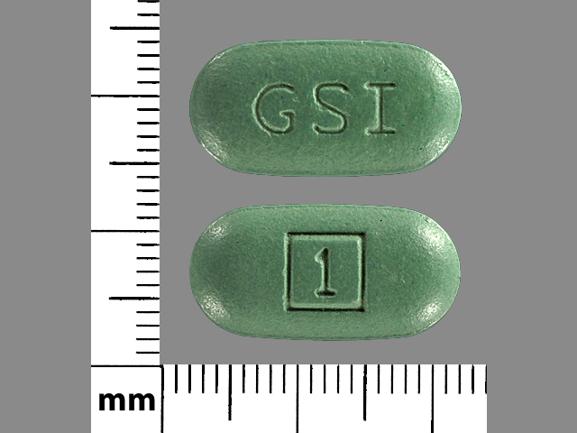
Stribild Side Effects
Generic name: cobicistat / elvitegravir / emtricitabine / tenofovir
Note: This document contains side effect information about cobicistat / elvitegravir / emtricitabine / tenofovir. Some dosage forms listed on this page may not apply to the brand name Stribild.
Applies to cobicistat / elvitegravir / emtricitabine / tenofovir: oral tablet.
Warning
Oral route (Tablet)
Posttreatment Acute Exacerbation of Hepatitis BSevere acute exacerbations of hepatitis B have been reported in patients who are coinfected with HIV-1 and HBV and have discontinued emtricitabine or tenofovir disoproxil fumarate, two of the components of elvitegravir/cobicistat/emtricitabine/tenofovir disoproxil fumarate tablets. Hepatic function should be monitored closely in these patients. If appropriate, initiation of anti-hepatitis B therapy may be warranted.
Serious side effects of Stribild
Along with its needed effects, cobicistat / elvitegravir / emtricitabine / tenofovir may cause some unwanted effects. Although not all of these side effects may occur, if they do occur they may need medical attention.
Check with your doctor immediately if any of the following side effects occur while taking cobicistat / elvitegravir / emtricitabine / tenofovir:
More common
- Cloudy urine
Incidence not known
- Bloody urine
- bone fractures
- bone pain
- change in urination
- chest tightness
- chills
- constipation
- cough
- dark-colored urine
- decreased appetite
- difficulty with swallowing
- dizziness
- dry mouth
- fast or irregular heartbeat
- fast, shallow breathing
- fever
- general feeling of discomfort
- increased thirst
- indigestion
- large, hive-like swelling on the face, eyelids, lips, tongue, throat, hands, legs, feet, or sex organs
- light-colored stools
- loss of appetite
- lower back or side pain
- mood changes
- muscle pain, cramps, or stiffness
- nausea, vomiting or diarrhea
- numbness or tingling in the hands, feet, or lips
- pains in the stomach, side, or abdomen, possibly radiating to the back
- puffiness or swelling of the eyelids or around the eyes, face, lips, or tongue
- seizures
- skin rash, hives, itching
- sleepiness
- stomach pain
- swelling of the face, fingers, or lower legs
- trouble breathing
- unusual tiredness or weakness
- weight gain
- yellow eyes and skin
Other side effects of Stribild
Some side effects of cobicistat / elvitegravir / emtricitabine / tenofovir may occur that usually do not need medical attention. These side effects may go away during treatment as your body adjusts to the medicine. Also, your health care professional may be able to tell you about ways to prevent or reduce some of these side effects.
Check with your health care professional if any of the following side effects continue or are bothersome or if you have any questions about them:
More common
- Abnormal dreams
- headache
Less common
- Bloated
- full feeling
- passing gas
- trouble sleeping
- unusual drowsiness
For Healthcare Professionals
Applies to cobicistat / elvitegravir / emtricitabine / tenofovir: oral tablet.
General
In clinical trials, the most common side effects reported with cobicistat / elvitegravir / emtricitabine / tenofovir alafenamide were nausea, diarrhea, and headache. The safety profiles in patients with mild to moderate renal dysfunction and patients coinfected with HIV and hepatitis B virus were similar to safety profiles in patients with normal renal function and patients with HIV-1 monoinfection, respectively.
The most common side effects reported in clinical trials with cobicistat / elvitegravir / emtricitabine / tenofovir disoproxil fumarate (DF) were nausea, diarrhea, upper respiratory tract infection, and depression in therapy-naive patients and nausea and fatigue in virologically-suppressed patients.
The manufacturer product information for cobicistat, elvitegravir, emtricitabine, and tenofovir DF should be consulted.[Ref]
Genitourinary
Cobicistat/elvitegravir/emtricitabine/tenofovir alafenamide:
-Common (1% to 10%): Hematuria
Cobicistat / elvitegravir / emtricitabine / tenofovir DF:
-Very common (10% or more): Proteinuria (up to 52%)
-Common (1% to 10%): Hematuria
Emtricitabine or tenofovir DF:
-Frequency not reported: Glycosuria
Tenofovir DF:
-Postmarketing reports: Proteinuria, polyuria[Ref]
Hematuria (greater than 75 RBC/high power field) has been reported in up to 3% and up to 3% of patients using cobicistat/elvitegravir/emtricitabine/tenofovir alafenamide and cobicistat / elvitegravir / emtricitabine / tenofovir DF, respectively. Proteinuria (all grades) has been reported in up to 52% of patients using cobicistat / elvitegravir / emtricitabine / tenofovir DF.
Glycosuria (3+ or greater) was reported with emtricitabine or tenofovir DF.[Ref]
Gastrointestinal
Elevated amylase (greater than 2 times the upper limit of normal [2 x ULN]) was reported in up to 3% and up to 5% of patients using cobicistat / elvitegravir / emtricitabine / tenofovir alafenamide and cobicistat / elvitegravir / emtricitabine / tenofovir DF, respectively. If serum amylase was greater than 1.5 x ULN, lipase was also measured; elevated lipase was reported in up to 5% and up to 17% of patients using cobicistat / elvitegravir / emtricitabine / tenofovir alafenamide and cobicistat / elvitegravir / emtricitabine / tenofovir DF, respectively.
Dyspepsia and vomiting have been reported in at least 5% of patients receiving emtricitabine or tenofovir DF with other antiretroviral drugs in other clinical trials.
Elevated amylase (including elevated pancreatic amylase), elevated serum lipase, abdominal distension, and pancreatitis were reported in clinical trials or during postmarketing experience for emtricitabine or tenofovir DF with other antiretrovirals.[Ref]
Cobicistat / elvitegravir / emtricitabine / tenofovir alafenamide:
-Very common (10% or more): Nausea
-Common (1% to 10%): Diarrhea, vomiting, abdominal pain, flatulence, elevated amylase, elevated lipase, dyspepsia
Cobicistat / elvitegravir / emtricitabine / tenofovir DF:
-Very common (10% or more): Elevated lipase (up to 17%), Nausea (up to 16%), diarrhea (up to 12%), vomiting
-Common (1% to 10%): Flatulence, elevated amylase, abdominal pain, dyspepsia, constipation
Emtricitabine or tenofovir DF:
-Common (1% to 10%): Dyspepsia, vomiting, elevated amylase (including elevated pancreatic amylase), elevated serum lipase, abdominal distension
-Uncommon (0.1% to 1%): Pancreatitis
Tenofovir DF:
-Postmarketing reports: Abdominal pain, pancreatitis, increased amylase[Ref]
Musculoskeletal
During comparison studies in therapy-naive HIV-1-infected patients, BMD decreases were greater with cobicistat / elvitegravir / emtricitabine / tenofovir DF than with cobicistat / elvitegravir / emtricitabine / tenofovir alafenamide. In virologically-suppressed tenofovir DF-treated patients who switched to cobicistat / elvitegravir / emtricitabine / tenofovir alafenamide or who remained on initial regimen, mean BMD increased between baseline and 96 weeks in those who switched and decreased slightly in those on initial regimen; decreased BMD was also reported in patients who switched to cobicistat / elvitegravir / emtricitabine / tenofovir alafenamide.
Elevated creatine kinase (at least 10 x ULN) has been reported in up to 11% and up to 10% of patients using cobicistat / elvitegravir / emtricitabine / tenofovir alafenamide and cobicistat / elvitegravir / emtricitabine / tenofovir DF, respectively.
Arthralgia, myalgia, and back pain have been reported in at least 5% of patients receiving emtricitabine or tenofovir DF with other antiretroviral drugs in other clinical trials.
Elevated creatine kinase, rhabdomyolysis, muscular weakness, osteomalacia (manifested as bone pain and infrequently contributing to fractures), and myopathy were reported in clinical trials or during postmarketing experience for emtricitabine or tenofovir DF with other antiretrovirals.
Rhabdomyolysis, osteomalacia, muscular weakness, and myopathy have occurred as a result of proximal renal tubulopathy.[Ref]
Cobicistat / elvitegravir / emtricitabine / tenofovir alafenamide:
-Very common (10% or more): Decreased bone mineral density (BMD), elevated creatine kinase
-Common (1% to 10%): Osteomyelitis
-Uncommon (0.1% to 1%): Fractures (excluding fingers and toes)
-Frequency not reported: Increased biochemical markers of bone metabolism, increased BMD
Cobicistat / elvitegravir / emtricitabine / tenofovir DF:
-Very common (10% or more): Elevated creatine kinase
-Common (1% to 10%): Bone fractures, arthralgia
-Frequency not reported: Decreased BMD, back pain
Emtricitabine or tenofovir DF:
-Very common (10% or more): Elevated creatine kinase
-Common (1% to 10%): Arthralgia, myalgia, back pain
-Uncommon (0.1% to 1%): Rhabdomyolysis, muscular weakness
-Rare (less than 0.1%): Osteomalacia (manifested as bone pain and infrequently contributing to fractures), myopathy
Tenofovir DF:
-Frequency not reported: Decreased BMD, increased biochemical markers of bone metabolism
-Postmarketing reports: Rhabdomyolysis, osteomalacia (manifested as bone pain and which may contribute to fractures), muscular weakness, myopathy
Combination antiretroviral therapy:
-Frequency not reported: Osteonecrosis[Ref]
Nervous system
Paresthesia and peripheral neuropathy (including peripheral neuritis and neuropathy) have been reported in at least 5% of patients receiving emtricitabine or tenofovir DF with other antiretroviral drugs in other clinical trials.[Ref]
Cobicistat / elvitegravir / emtricitabine / tenofovir alafenamide:
-Common (1% to 10%): Headache, dizziness
Cobicistat / elvitegravir / emtricitabine / tenofovir DF:
-Very common (10% or more): Headache, dizziness
-Common (1% to 10%): Somnolence
Emtricitabine or tenofovir DF:
-Common (1% to 10%): Paresthesia, peripheral neuropathy (including peripheral neuritis, neuropathy)[Ref]
Metabolic
Altered serum glucose (less than 40 mg/dL or greater than 250 mg/dL) has been reported in patients receiving emtricitabine or tenofovir DF with other antiretroviral drugs in other clinical trials.
Hypophosphatemia, hyperglycemia, hypertriglyceridemia, hypokalemia, and lactic acidosis were reported in clinical trials or during postmarketing experience for emtricitabine or tenofovir DF with other antiretrovirals.
Lactic acidosis and severe hepatomegaly with steatosis (including fatal cases) have been reported with the use of nucleoside analogs.
Hypokalemia and hypophosphatemia have occurred as a result of proximal renal tubulopathy.[Ref]
Cobicistat / elvitegravir / emtricitabine / tenofovir alafenamide:
-Common (1% to 10%): Fluid overload, hyperkalemia
Cobicistat / elvitegravir / emtricitabine / tenofovir DF:
-Common (1% to 10%): Decreased appetite
Emtricitabine or tenofovir DF:
-Very common (10% or more): Hypophosphatemia
-Common (1% to 10%): Hyperglycemia, hypertriglyceridemia
-Uncommon (0.1% to 1%): Hypokalemia
-Rare (less than 0.1%): Lactic acidosis
-Frequency not reported: Altered serum glucose
Tenofovir DF:
-Postmarketing reports: Lactic acidosis, hypokalemia, hypophosphatemia
Antiretroviral therapy:
-Frequency not reported: Redistribution/accumulation of body fat (including central obesity, dorsocervical fat enlargement, peripheral wasting, facial wasting, breast enlargement, "cushingoid appearance"), increased glucose levels[Ref]
Other
During trials in therapy-naive patients, increases from baseline for the fasting lipid parameters (total cholesterol, direct LDL cholesterol, and HDL cholesterol) were observed with cobicistat / elvitegravir / emtricitabine / tenofovir alafenamide and cobicistat / elvitegravir / emtricitabine / tenofovir DF at 144 weeks of therapy; such increases were greater with cobicistat / elvitegravir / emtricitabine / tenofovir alafenamide.
Elevated fasting LDL cholesterol (greater than 190 mg/dL) and elevated fasting total cholesterol (greater than 300 mg/dL) have been reported in up to 11% and up to 4%, respectively, of patients using cobicistat / elvitegravir / emtricitabine / tenofovir alafenamide and up to 5% and up to 3%, respectively, of patients using cobicistat / elvitegravir / emtricitabine / tenofovir DF.
In clinical trials, the following mean increases in fasting lipid values were reported after 144 weeks of therapy: total cholesterol increased by 31 mg/dL, LDL cholesterol by 20 mg/dL, HDL cholesterol by 7 mg/dL, and triglycerides by 29 mg/dL with cobicistat / elvitegravir / emtricitabine / tenofovir alafenamide and total cholesterol increased by 14 mg/dL, LDL cholesterol by 8 mg/dL, HDL cholesterol by 3 mg/dL, and triglycerides by 17 mg/dL with cobicistat / elvitegravir / emtricitabine / tenofovir DF.
Elevated alkaline phosphatase (greater than 550 units/L), elevated fasting cholesterol (greater than 240 mg/dL), and elevated fasting triglycerides (greater than 750 mg/dL) have been reported in patients receiving emtricitabine or tenofovir DF with other antiretroviral drugs in other clinical trials. Abdominal pain, fever, and pain have been reported in at least 5% of patients receiving emtricitabine or tenofovir DF with other antiretroviral drugs in other clinical trials.
Asthenia and pain were reported in clinical trials or during postmarketing experience for emtricitabine or tenofovir DF with other antiretrovirals.[Ref]
Cobicistat / elvitegravir / emtricitabine / tenofovir alafenamide:
-Very common (10% or more): Increased fasting low-density lipoprotein (LDL) cholesterol
-Common (1% to 10%): Fatigue, increased fasting total cholesterol
-Frequency not reported: Increased high-density lipoprotein (HDL) cholesterol, increased triglycerides
Cobicistat / elvitegravir / emtricitabine / tenofovir DF:
-Common (1% to 10%): Fatigue, increased fasting LDL cholesterol
-Uncommon (0.1% to 1%): Elevated fasting total cholesterol, elevated fasting triglycerides, increased HDL cholesterol
Emtricitabine or tenofovir DF:
-Very common (10% or more): Asthenia
-Common (1% to 10%): Abdominal pain, fever, pain
-Frequency not reported: Elevated alkaline phosphatase, elevated fasting cholesterol, elevated fasting triglycerides
Tenofovir DF:
-Frequency not reported: Higher 1,25 vitamin D levels
-Postmarketing reports: Asthenia
Antiretroviral therapy:
-Frequency not reported: Increased weight, increased blood lipid levels[Ref]
Psychiatric
Cobicistat / elvitegravir / emtricitabine / tenofovir alafenamide:
-Common (1% to 10%): Abnormal dreams
-Uncommon (0.1% to 1%): Suicidal ideation, suicide attempt
-Frequency not reported: Suicidal behavior
Cobicistat / elvitegravir / emtricitabine / tenofovir DF:
-Common (1% to 10%): Abnormal dreams, insomnia, depression
-Uncommon (0.1% to 1%): Suicidal ideation, suicide attempt
Elvitegravir:
-Uncommon (0.1% to 1%): Depression
Emtricitabine or tenofovir DF:
-Common (1% to 10%): Depression, anxiety[Ref]
Suicidal ideation, suicidal behavior, and suicide attempt were reported with cobicistat / elvitegravir / emtricitabine / tenofovir alafenamide; all were serious and occurred in patients with history of depression or psychiatric illness.
Suicidal ideation and suicide attempt were reported with cobicistat / elvitegravir / emtricitabine / tenofovir DF in patients with history of depression or psychiatric illness.
Depression was reported in clinical trials for elvitegravir with other antiretrovirals.
Depression and anxiety have been reported in at least 5% of patients receiving emtricitabine or tenofovir DF with other antiretroviral drugs in other clinical trials.[Ref]
Renal
In clinical trials of cobicistat / elvitegravir / emtricitabine / tenofovir alafenamide, increases in serum creatinine occurred by the second week of therapy and was stable through 144 weeks. In therapy-naive patients, the change from baseline averaged 0.04 mg/dL (3.5 mcmol/L) after 144 weeks of therapy. Increases from baseline were smaller with cobicistat / elvitegravir / emtricitabine / tenofovir alafenamide than increases with cobicistat / elvitegravir / emtricitabine / tenofovir DF at 144 weeks.
In 1 trial, 248 HIV-1-infected patients with estimated CrCl between 30 and 69 mL/min (by Cockcroft-Gault method) were treated with cobicistat / elvitegravir / emtricitabine / tenofovir alafenamide for a median duration of 144 weeks; of these patients, 65% had previously been on a stable tenofovir DF-containing regimen. This drug was permanently discontinued in 5 patients who developed renal side effects through 96 weeks; 3 of the 5 patients were among the 80 patients with baseline estimated CrCl less than 50 mL/min and 2 patients were among the 162 subjects with baseline estimated CrCl at least 50 mL/min. No further renal discontinuations occurred between 96 and 144 weeks. Overall, patients with renal dysfunction using cobicistat / elvitegravir / emtricitabine / tenofovir alafenamide in this study had a mean serum creatinine of 1.5 mg/dL at baseline and 1.4 mg/dL at 144 weeks.
In 2 trials in therapy-naive HIV-1-infected patients (median baseline estimated CrCl 115 mL/min), mean serum creatinine increased by less than 0.1 mg/dL and 0.1 mg/dL from baseline to week 144 with cobicistat / elvitegravir / emtricitabine / tenofovir alafenamide and cobicistat / elvitegravir / emtricitabine / tenofovir DF, respectively. In a trial in virologically-suppressed tenofovir DF-treated patients (mean baseline estimated CrCl 112 mL/min) who switched to cobicistat / elvitegravir / emtricitabine / tenofovir alafenamide or who remained on initial regimen, mean serum creatinine was similar to baseline for both at 96 weeks.
Elevated serum creatinine (all grades) has been reported in 10% of patients using cobicistat / elvitegravir / emtricitabine / tenofovir DF.
In clinical trials, decreases in estimated CrCl occurred early during cobicistat / elvitegravir / emtricitabine / tenofovir DF therapy. The change in eGFR averaged -14 mL/min after 144 weeks of therapy.
In a clinical trial in HIV-1-infected therapy-naive patients with mild to moderate renal dysfunction (eGFR between 50 and 89 mL/min), the change in serum creatinine and eGFR averaged 0.17 mg/dL and -6.9 mL/min, respectively, for cobicistat / elvitegravir / emtricitabine / tenofovir DF.
Acute tubular necrosis, nephritis (including acute interstitial nephritis), and nephrogenic diabetes insipidus were reported in clinical trials or during postmarketing experience for emtricitabine or tenofovir DF with other antiretrovirals.
Proximal renal tubulopathy generally resolved or improved after tenofovir DF was stopped; however, decreased CrCl did not completely resolve in some patients after stopping the drug. Rhabdomyolysis, osteomalacia, bone abnormalities (infrequently contributing to fractures), hypokalemia, muscular weakness, myopathy, and hypophosphatemia have occurred as a result of proximal renal tubulopathy.[Ref]
Cobicistat / elvitegravir / emtricitabine / tenofovir alafenamide:
-Frequency not reported: Increased serum creatinine, worsening renal dysfunction, transient acute renal failure, decreased urine protein-to-creatinine ratio (UPCR), worsening renal function
Cobicistat / elvitegravir / emtricitabine / tenofovir DF:
-Common (1% to 10%): Elevated serum creatinine
-Uncommon (0.1% to 1%): Renal failure, proximal renal tubulopathy, Fanconi syndrome acquired
-Frequency not reported: New onset or worsening renal impairment (including acute renal failure, Fanconi syndrome), laboratory findings consistent with proximal renal tubular dysfunction, decreased estimated CrCl, decreased estimated glomerular filtration rate (eGFR), increased UPCR
Emtricitabine or tenofovir DF:
-Rare (less than 0.1%): Acute tubular necrosis, nephritis (including acute interstitial nephritis), nephrogenic diabetes insipidus
Cobicistat:
-Frequency not reported: Increased serum creatinine, decreased estimated CrCl, tubular secretion of creatinine inhibited (renal glomerular function not affected)
Tenofovir DF:
-Postmarketing reports: Renal insufficiency, acute renal failure, renal failure, Fanconi syndrome, proximal renal tubulopathy, increased creatinine, interstitial nephritis (including acute cases), acute tubular necrosis, nephrogenic diabetes insipidus[Ref]
Dermatologic
Cobicistat / elvitegravir / emtricitabine / tenofovir alafenamide:
-Common (1% to 10%): Rash
-Uncommon (0.1% to 1%): Pruritus
-Postmarketing reports: Angioedema, urticaria, rash
Cobicistat / elvitegravir / emtricitabine / tenofovir DF:
-Very common (10% or more): Rash
-Common (1% to 10%): Rash event (includes dermatitis, drug eruption, eczema, pruritus, generalized pruritus, rash, erythematous rash, generalized rash, macular rash, maculopapular rash, morbilliform rash, papular rash, pruritic rash, urticaria)
Emtricitabine and/or tenofovir alafenamide:
-Postmarketing reports: Angioedema, urticaria
Emtricitabine or tenofovir DF:
-Common (1% to 10%): Vesiculobullous rash, pustular rash, maculopapular rash, pruritus, urticaria, skin discoloration (increased pigmentation)
-Uncommon (0.1% to 1%): Angioedema
Emtricitabine:
-Frequency not reported: Skin discoloration (palmar-plantar hyperpigmentation)
Emtricitabine-containing products:
-Postmarketing reports: Angioedema
Tenofovir alafenamide-containing products:
-Postmarketing reports: Angioedema, urticaria
Tenofovir DF:
-Postmarketing reports: Rash[Ref]
Vesiculobullous rash, pustular rash, maculopapular rash, pruritus, urticaria, skin discoloration (increased pigmentation), and angioedema were reported in clinical trials or during postmarketing experience for emtricitabine or tenofovir DF with other antiretrovirals.
Skin discoloration (hyperpigmentation) was very common in pediatric patients using emtricitabine.[Ref]
Hepatic
Cobicistat / elvitegravir / emtricitabine / tenofovir alafenamide:
-Common (1% to 10%): Elevated AST, elevated ALT
Cobicistat / elvitegravir / emtricitabine / tenofovir DF:
-Common (1% to 10%): Elevated AST, elevated ALT
Emtricitabine:
-Frequency not reported: Liver failure, liver decompensation
Emtricitabine or tenofovir DF:
-Common (1% to 10%): Increased transaminases, hyperbilirubinemia
-Rare (less than 0.1%): Hepatic steatosis, hepatitis
-Frequency not reported: Severe acute exacerbations of hepatitis B, elevated ALT, elevated bilirubin
Tenofovir DF:
-Frequency not reported: Severe hepatomegaly with steatosis
-Postmarketing reports: Increased liver enzymes (primarily AST, ALT, GGT), hepatic steatosis, hepatitis[Ref]
Elevated AST (greater than 5 x ULN) and elevated ALT (greater than 5 x ULN) have both been reported in up to 3% of patients using cobicistat / elvitegravir / emtricitabine / tenofovir alafenamide and up to 4% and up to 3%, respectively, of patients using cobicistat / elvitegravir / emtricitabine / tenofovir DF. Elevated ALT (greater than 3 x ULN) has been reported in up to 2% of patients using cobicistat / elvitegravir / emtricitabine / tenofovir DF.
Severe acute exacerbations of hepatitis B have been reported in patients coinfected with HBV and HIV-1 after discontinuation of emtricitabine or tenofovir DF and were associated with liver failure and liver decompensation in some emtricitabine-treated patients.
Elevated ALT (greater than 215 units/L in males and 170 units/L in females) and elevated bilirubin (greater than 2.5 x ULN) have been reported in patients receiving emtricitabine or tenofovir DF with other antiretroviral drugs in other clinical trials.
Increased transaminases, hyperbilirubinemia, hepatic steatosis, and hepatitis were reported in clinical trials or during postmarketing experience for emtricitabine or tenofovir DF with other antiretrovirals.
Lactic acidosis and severe hepatomegaly with steatosis (including fatal cases) have been reported with the use of nucleoside analogs.[Ref]
Respiratory
Cobicistat / elvitegravir / emtricitabine / tenofovir alafenamide:
-Very common (10% or more): Pneumonia (up to 13%)
Cobicistat / elvitegravir / emtricitabine / tenofovir DF:
-Common (1% to 10%): Upper respiratory tract infection, bronchitis
Emtricitabine or tenofovir DF:
-Common (1% to 10%): Nasopharyngitis, pneumonia, sinusitis, upper respiratory tract infection, increased cough, rhinitis
Tenofovir DF:
-Postmarketing reports: Dyspnea[Ref]
Nasopharyngitis, pneumonia, sinusitis, upper respiratory tract infection, increased cough, and rhinitis have been reported in at least 5% of patients receiving emtricitabine or tenofovir DF with other antiretroviral drugs in other clinical trials.[Ref]
Ocular
Cobicistat / elvitegravir / emtricitabine / tenofovir DF:
-Uncommon (0.1% to 1%): Ocular icterus[Ref]
Immunologic
Cobicistat / elvitegravir / emtricitabine / tenofovir DF:
-Frequency not reported: Immune reconstitution/reactivation syndrome, autoimmune disorders in the setting of immune reconstitution (e.g., Graves' disease, polymyositis, Guillain-Barre syndrome, autoimmune hepatitis)
Emtricitabine and/or tenofovir alafenamide:
-Postmarketing reports: Autoimmune hepatitis
Emtricitabine:
-Postmarketing reports: Immune reconstitution syndrome
Tenofovir DF:
-Postmarketing reports: Immune reconstitution syndrome[Ref]
Hematologic
Decreased neutrophils (less than 750/mm3) have been reported in patients receiving emtricitabine or tenofovir DF with other antiretroviral drugs in other clinical trials.
Neutropenia and anemia were reported in clinical trials or during postmarketing experience for emtricitabine or tenofovir DF with other antiretrovirals.
Anemia was common in pediatric patients using emtricitabine.[Ref]
Emtricitabine or tenofovir DF:
-Common (1% to 10%): Neutropenia
-Uncommon (0.1% to 1%): Anemia
-Frequency not reported: Decreased neutrophils[Ref]
Hypersensitivity
Allergic reaction was reported in clinical trials or during postmarketing experience for emtricitabine or tenofovir DF with other antiretrovirals.[Ref]
Emtricitabine or tenofovir DF:
-Common (1% to 10%): Allergic reaction
Tenofovir DF:
-Postmarketing reports: Allergic reaction (including angioedema)[Ref]
Endocrine
Tenofovir DF:
-Frequency not reported: Higher serum parathyroid hormone levels
Frequently asked questions
- Is Stribild used for PrEP?
- Does Stribild cause weight gain?
- Who makes or manufactures Stribild?
- Can Stribild be crushed?
- What medicines should not be taken with Stribild?
- How long does it take to work?
- Is Genvoya better than Stribild?
- Genvoya vs Stribild for HIV - How do they compare?
More about Stribild (cobicistat / elvitegravir / emtricitabine / tenofovir)
- Check interactions
- Compare alternatives
- Pricing & coupons
- Reviews (90)
- Drug images
- Dosage information
- Patient tips
- During pregnancy
- FDA approval history
- Drug class: antiviral combinations
- En español
Patient resources
Professional resources
- Stribild prescribing information
- Elvitegravir, Cobicistat, Emtricitabine, and tenofovir Disoproxil Fumarate (AHFS Monograph)
Related treatment guides
References
1. Cerner Multum, Inc. UK Summary of Product Characteristics.
2. Cerner Multum, Inc. Australian Product Information.
3. Product Information. Genvoya (cobicistat/elvitegravir/emtricitabine/tenofov). Gilead Sciences. 2015.
4. Product Information. Stribild (cobicistat/elvitegravir/emtricitabine/tenofov). Gilead Sciences. 2012.
5. Olin JL, Spooner LM, Klibanov OM. Elvitegravir/cobicistat/emtricitabine/tenofovir disoproxil fumarate single tablet for HIV-1 infection treatment. Ann Pharmacother. 2012;46:1671-7.
6. A 4-drug combination (stribild) for HIV. Med Lett Drugs Ther. 2012;54:95-6.
Further information
Always consult your healthcare provider to ensure the information displayed on this page applies to your personal circumstances.
Some side effects may not be reported. You may report them to the FDA.