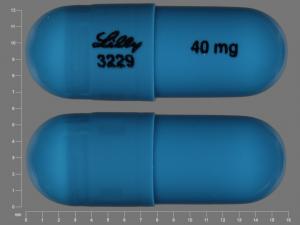
Strattera Side Effects
Generic name: atomoxetine
Medically reviewed by Drugs.com. Last updated on Jun 9, 2023.
Note: This document provides detailed information about Strattera Side Effects associated with atomoxetine. Some dosage forms listed on this page may not apply specifically to the brand name Strattera.
Applies to atomoxetine: oral capsule.
Important warnings
This medicine can cause some serious health issues
Oral route (capsule)
Suicidal Ideation in Children and Adolescents. Atomoxetine increased the risk of suicidal ideation in short-term studies in children or adolescents with Attention-Deficit/Hyperactivity Disorder (ADHD).
Anyone considering the use of atomoxetine in a child or adolescent must balance this risk with the clinical need.
Comorbidities occurring with ADHD may be associated with an increase in the risk of suicidal ideation and/or behavior.
Patients who are started on therapy should be monitored closely for suicidality (suicidal thinking and behavior), clinical worsening, or unusual changes in behavior.
Families and caregivers should be advised of the need for close observation and communication with the prescriber.
Atomoxetine is approved for ADHD in pediatric and adult patients.
Atomoxetine is not approved for major depressive disorder.Pooled analyses of short-term (6 to 18 weeks) placebo-controlled trials of atomoxetine in children and adolescents (a total of 12 trials involving over 2200 patients, including 11 trials in ADHD and 1 trial in enuresis) have revealed a greater risk of suicidal ideation early during treatment in those receiving atomoxetine compared to placebo.
The average risk of suicidal ideation in patients receiving atomoxetine was 0.4% (5/1357 patients), compared to none in placebo-treated patients (851 patients).
No suicides occurred in these trials.
Common side effects of Strattera
Some side effects of atomoxetine may occur that usually do not need medical attention. These side effects may go away during treatment as your body adjusts to the medicine. Also, your health care professional may be able to tell you about ways to prevent or reduce some of these side effects.
Check with your health care professional if any of the following side effects continue or are bothersome or if you have any questions about them:
More common
- acid or sour stomach
- belching
- bleeding between periods
- change in amount of bleeding during periods
- change in pattern of monthly periods
- chest tightness
- cough
- decrease in the frequency of urination
- decrease in urine amount
- decreased appetite
- decreased interest in sexual intercourse
- difficulty having a bowel movement (stool)
- difficulty in passing urine (dribbling)
- dizziness
- dry mouth
- fever
- headache
- heartburn
- heavy bleeding
- inability to have or keep an erection
- indigestion
- irritability
- loss in sexual ability, desire, drive, or performance
- nausea
- pain or tenderness around the eyes and cheekbones
- painful urination
- sleepiness or unusual drowsiness
- stomach discomfort, upset, cramps, or pain
- stuffy or runny nose
- trouble breathing
- trouble sleeping
- unusual drowsiness, dullness, tiredness, weakness, or feeling of sluggishness
- unusual stopping of menstrual bleeding
- vomiting
Less common
- abnormal dreams
- abnormal orgasm
- back pain
- blistering, crusting, irritation, itching, or reddening of the skin
- bloated or full feeling
- burning, crawling, itching, numbness, prickling, "pins and needles", or tingling feelings
- change in hearing
- change or problem with discharge of semen
- chills
- cold sweats
- confusion
- cough
- cracked, dry, or scaly skin
- crying
- decreased weight
- diarrhea
- difficulty with moving
- dizziness, faintness, or lightheadedness when getting up suddenly from a lying or sitting position
- ear drainage
- earache or pain in the ear
- excess air or gas in the stomach or intestines
- feeling of warmth, redness of the face, neck, arms, and occasionally, upper chest
- feeling unusually cold
- frequent urination
- general feeling of discomfort or illness
- groin pain
- increased or sudden sweating
- joint pain
- loss of appetite
- mood swings
- muscle aches, cramping, pains, or stiffness
- pain or burning with urination
- passing gas
- shivering
- sinus headache
- sleep disorder
- swelling of the skin
- swollen joints
- swollen, tender prostate
Incidence not known
- loss or thinning of the hair
Serious side effects of Strattera
Along with its needed effects, atomoxetine (the active ingredient contained in Strattera) may cause some unwanted effects. Although not all of these side effects may occur, if they do occur they may need medical attention.
Check with your doctor immediately if any of the following side effects occur while taking atomoxetine:
Less common
- hives, itching, skin rash
- irregular heartbeat
- itching
- large, hive-like swelling on the face, eyelids, lips, tongue, throat, hands, legs, feet, or sex organs
- redness of the skin
Rare
- painful, prolonged erection of your penis
Incidence not known
- dark colored urine
- fainting
- flu-like symptoms
- irregular heartbeat recurrent
- loss of bladder control
- muscle spasm or jerking of all extremities
- paleness or cold feeling in the fingertips and toes
- pelvic pain in male
- right upper stomach pain or tenderness
- seizures
- sudden loss of consciousness
- tingling or pain in the fingers or toes when exposed to cold
- yellow eyes or skin
For healthcare professionals
Applies to atomoxetine: oral capsule.
Gastrointestinal
- Very common (10% or more): Dry mouth (up to 35%), nausea (up to 26%), abdominal pain/discomfort (up to 18%), constipation (up to 11%), vomiting (up to 11%)
- Common (1% to 10%): Dyspepsia, gastroenteritis, diarrhea, flatulence[Ref]
Metabolic
- Very common (10% or more): Decreased appetite (up to 24%)
- Common (1% to 10%): Decreased weight, anorexia[Ref]
Cardiovascular
- Very common (10% or more): Increased heart rate (up to 23.4%), increased blood pressure (up to 21.5%)
- Common (1% to 10%): Orthostatic hypotension, palpitations, flushing/hot flush, sinus tachycardia, tachycardia
- Uncommon (0.1% to 1%): QT interval prolongation
- Rare (less than 0.1%): Raynaud's phenomenon and/or peripheral vascular instability
- Frequency not reported: Myocardial infarction[Ref]
Endocrine
- Very common (10% or more): Erectile dysfunction (up to 21%)
- Common (1% to 10%): Dysmenorrhea, delayed ejaculation/ejaculation disorder/ejaculation failure, sexual dysfunction, impotence, prostatitis, abnormal orgasm, irregular menstruation, testicular pain, male genital pain
- Postmarketing reports: Priapism, male pelvic pain[Ref]
Nervous system
- Very common (10% or more): Headache (up to 19%), somnolence/sedation (up to 11%)
- Common (1% to 10%): Dizziness, tremor, syncope/syncope vasovagal, paraesthesia, feeling jittery, dysgeusia
- Uncommon (0.1% to 1%): Seizures, hypoesthesia
- Frequency not reported: Stroke[Ref]
Psychiatric
- Very common (10% or more): Insomnia (up to 19%)
- Common (1% to 10%): Aggression/hostility, irritability, mood swings, depression/depressed mood, early morning awakening, abnormal dreams, decreased libido, sleep disorder, agitation, anxiety
- Uncommon (0.1% to 1%): Suicide-related behavior (suicide attempts, suicidal ideation), psychotic/manic symptoms (e.g., hallucinations, delusional thinking, mania), restlessness, emotional lability, generalized anxiety disorder
- Frequency not reported: Panic attacks, impulsivity, akathisia, hypomania
- Postmarketing reports: Tics, libido changes, sensory disturbances, completed suicide[Ref]
Dermatologic
- Very common (10% or more): Hyperhidrosis (up to 15%)
- Common (1% to 10%): Rash, excoriation, dermatitis, pruritus
- Uncommon (0.1% to 1%): Urticaria[Ref]
Other
- Very common (10% or more): Fatigue (up to 10%)
- Common (1% to 10%): Unexpected therapeutic response, chills, thirst, peripheral coldness/feeling cold, influenza, pyrexia, rigors, lethargy, asthenia, chest pain
- Frequency not reported: Delayed growth (height and weight), sudden death[Ref]
Genitourinary
- Common (1% to 10%): Urinary retention, urinary hesitation/decreased urine flow, dysuria, pollakiuria
- Uncommon (0.1% to 1%): Micturition urgency, enuresis[Ref]
Ocular
- Common (1% to 10%): Conjunctivitis, mydriasis, blurred vision[Ref]
Respiratory
- Common (1% to 10%): Upper respiratory tract infection
- Uncommon (0.1% to 1%): Pharyngitis, dyspnea
- Frequency not reported: Pharyngolaryngeal pain, oropharyngeal pain[Ref]
Hepatic
- Uncommon (0.1% to 1%): Increased blood bilirubin
- Rare (less than 0.1%): Liver failure, abnormal/increased liver function tests, jaundice, hepatitis, liver injury, acute hepatic failure[Ref]
Hypersensitivity
- Uncommon (0.1% to 1%): Allergic reactions (anaphylactic reactions, angioneurotic edema, urticarial, rash)[Ref]
Musculoskeletal
- Uncommon (0.1% to 1%): Muscle spasms
- Frequency not reported: Back pain
- Postmarketing reports: Rhabdomyolysis[Ref]
References
1. (2002) "Product Information. Strattera (atomoxetine)." Lilly, Eli and Company
Frequently asked questions
- How long does it take for Strattera to work?
- Strattera vs Adderall: What is the difference?
- What are the benefits of taking Strattera at night?
- Qelbree vs. Strattera: How do they compare?
- Does Strattera give you energy like Adderall?
- Does Strattera cause weight loss?
More about Strattera (atomoxetine)
- Check interactions
- Compare alternatives
- Pricing & coupons
- Reviews (530)
- Drug images
- Dosage information
- Patient tips
- During pregnancy
- Generic availability
- Support group
- Drug class: adrenergic uptake inhibitors for ADHD
- Breastfeeding
- En español
Patient resources
Professional resources
Related treatment guides
Further information
Strattera side effects can vary depending on the individual. Always consult your healthcare provider to ensure the information displayed on this page applies to your personal circumstances.
Some side effects may not be reported. You may report them to the FDA.