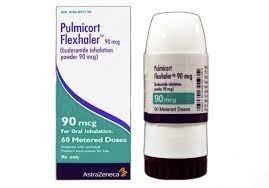
Pulmicort Flexhaler Side Effects
Generic name: budesonide
Medically reviewed by Drugs.com. Last updated on Feb 28, 2024.
Note: This document contains side effect information about budesonide. Some dosage forms listed on this page may not apply to the brand name Pulmicort Flexhaler.
Applies to budesonide: oral capsule delayed release, oral capsule extended release, oral tablet extended release. Other dosage forms:
Serious side effects of Pulmicort Flexhaler
Along with its needed effects, budesonide (the active ingredient contained in Pulmicort Flexhaler) may cause some unwanted effects. Although not all of these side effects may occur, if they do occur they may need medical attention.
Check with your doctor immediately if any of the following side effects occur while taking budesonide:
More common
- Bruising easily
- chills
- colds
- cough
- diarrhea
- fever
- general feeling of discomfort or illness
- headache
- hoarseness
- joint pain
- loss of appetite
- muscle aches and pains
- nausea
- runny nose
- shivering
- sneezing
- sore throat
- sweating
- trouble sleeping
- unusual tiredness or weakness
- vomiting
Less common
- Bladder pain
- bleeding after defecation
- blistering, crusting, irritation, itching, or reddening of the skin
- bloody or cloudy urine
- blurred vision
- burning feeling while urinating
- burning, crawling, itching, numbness, prickling, "pins and needles", or tingling feelings
- changes in vision
- chest pain or tightness
- cough producing mucus
- decreased urine
- diarrhea
- difficult or labored breathing
- difficult or painful urination
- dizziness
- dry mouth
- eye pain
- fast, irregular, pounding, or racing heartbeat or pulse
- feeling of warmth
- heartburn
- increase in body movements
- increased thirst
- increased urge to urinate during the night
- irregular heartbeat
- lower back or side pain
- mood changes
- nervousness
- pain or discomfort in the chest, upper stomach, or throat
- pinpoint red or purple spots on the skin
- pounding in the ears
- rectal bleeding
- redness of the face, neck, arms, and occasionally, upper chest
- seizures
- severe constipation
- shakiness in the legs, arms, hands, or feet
- shivering
- skin rash, encrusted, scaly, and oozing
- slow or fast heartbeat
- stomach cramps or pain
- sweating
- swelling of the legs and feet
- swelling or puffiness of the face
- trouble sleeping
- uncomfortable swelling around the anus
- upper abdominal or stomach pain
- waking to urinate at night
- weight gain or loss
Incidence not known
- Bulging soft spot on the head of an infant
- change in the ability to see colors, especially blue or yellow
- difficulty with swallowing
- hives, itching, or skin rash
- puffiness or swelling of the eyelids or around the eyes, face, lips, or tongue
Other side effects of Pulmicort Flexhaler
Some side effects of budesonide may occur that usually do not need medical attention. These side effects may go away during treatment as your body adjusts to the medicine. Also, your health care professional may be able to tell you about ways to prevent or reduce some of these side effects.
Check with your health care professional if any of the following side effects continue or are bothersome or if you have any questions about them:
More common
- Back pain
- belching
- blemishes on the skin
- heartburn
- indigestion
- pain or tenderness around the eyes and cheekbones
- pimples
- rounded or moon face
- stomach discomfort or upset
- stuffy nose
Less common
- Accumulation of pus
- agitation
- bloated or full feeling
- change in hearing
- cracked, dry, or scaly skin
- cracks in the skin at the corners of mouth
- difficulty having a bowel movement
- difficulty with moving
- dizziness or lightheadedness
- ear drainage
- earache or pain in the ear
- excess air or gas in the stomach or bowels
- fatty hump between the shoulders
- feeling of constant movement of self or surroundings
- increased appetite
- increased hair growth, especially on the face
- lack or loss of strength
- loss of memory
- loss or thinning of the hair
- muscle stiffness
- nervousness
- pain, swelling, or redness in the joints
- passing gas
- pressure in the stomach
- problems with memory
- redness, swelling, or soreness of the tongue
- sensation of spinning
- sleepiness or unusual drowsiness
- soreness or redness around the fingernails and toenails
- swelling of the abdominal or stomach area
- swollen joints
- uterine bleeding between menstrual periods
For Healthcare Professionals
Applies to budesonide: compounding powder, inhalation powder, inhalation suspension, oral capsule extended release, oral delayed release capsule, oral suspension, oral tablet extended release, rectal foam.
General
The most commonly reported adverse events with inhaled use have included nasopharyngitis, nasal congestion pharyngitis, rhinitis, and oral candidiasis. Headache, nausea, abdominal pain, and fatigue have been commonly reported with oral and rectal use. Due to the nature of its administration (inhalation, gastro-protective oral formulations, and rectal enema), it is less likely to cause systemic adverse effects associated with the use of corticosteroids.[Ref]
Respiratory
Epidemiological studies have shown an increased incidence of pneumonia in patients with chronic obstructive pulmonary disease (COPD) treated with inhaled corticosteroids.[Ref]
Very common (10% or more): Respiratory infection (up to 13%)
Common (1% to 10%): Nasopharyngitis, nasal congestion, pharyngitis, allergic rhinitis, viral upper respiratory tract infection, epistaxis, cough, dysphonia, hoarseness
Frequency not reported: Bronchitis, dyspnea, pharynx disorder, pneumonia
Postmarketing reports: Throat irritation, sinusitis[Ref]
Endocrine
Deaths due to adrenal insufficiency have been reported in asthmatic patients during and after transferring from systemic corticosteroids to less systemically available inhaled corticosteroids.[Ref]
Common (1% to 10%): Decreased blood cortisol, moon face
Uncommon (0.1% to 1%): Hirsutism, Cushingoid syndrome
Frequency not reported: Intermenstrual bleeding, menstrual disorder, HPA axis suppression, deaths due to adrenal insufficiency
Postmarketing reports: Hypocorticism[Ref]
Immunologic
Common (1% to 10%): Oral candidiasis
Frequency not reported: Immunosuppression, abscess[Ref]
Gastrointestinal
Very common (10% or more): Nausea (up to 13%); abdominal pain (21%)
Common (1% to 10%): Viral gastroenteritis, upper abdominal pain, flatulence, abdominal distension, constipation, dyspepsia, vomiting, diarrhea, sore/irritated throat, dry mouth, bad taste, rectal disorder, rectal hemorrhage, ulcerative colitis, burning in the rectum or pain
Frequency not reported: Anus disorder, enteritis, epigastric pain, gastrointestinal fistula, glossitis, hemorrhoids, intestinal obstruction, tongue edema, tooth disorder
Postmarketing reports: Pancreatitis[Ref]
Nervous system
Very common (10% or more): Headache (up to 28%)
Common (1% to 10%): Dizziness
Uncommon (0.1% to 1%): Disturbance of smell
Very rare (less than 0.01%): Pseudotumor cerebri (including papilledema)
Frequency not reported: Hyperkinesia, paresthesia, tremor, somnolence
Postmarketing reports: Benign intracranial hypertension[Ref]
Psychiatric
Common (1% to 10%): Mood changes, sleep changes, insomnia,
Frequency not reported: Amnesia
Postmarketing reports: Psychosis, depression, aggressive reactions, irritability, nervousness, restlessness, anxiety, mood swings[Ref]
Hypersensitivity
Frequency not reported: Hypersensitivity reactions including anaphylaxis, rash, contact dermatitis, urticaria, angioedema, bronchospasm
Postmarketing reports: Cough, wheezing, bronchospasm[Ref]
Musculoskeletal
Common (1% to 10%): Arthralgia, back pain
Very rare (less than 0.01%): Osteoporosis, aseptic necrosis of bone (femur and head of the humerus)
Frequency not reported: Bone mineral density reductions, arthritis, cramps, myalgia, growth suppression[Ref]
Long-term studies in clinical practice suggest that children treated with inhaled drug generally achieve adult height. However, in a long-term study in which inhaled drug dose was not titrated to the lowest effective dose, children were found to be 1.2 cm shorter as adults than those randomized to placebo.[Ref]
Cardiovascular
Common (1% to 10%): Fluid retention, palpitation
Uncommon (0.1% to 1%): Hypertension
Frequency not reported: Tachycardia, chest pain, dependent edema, flushing[Ref]
Metabolic
Frequency not reported: Weight gain, increased appetite, hypokalemia[Ref]
Hematologic
Common (1% to 10%): Leukocytosis
Uncommon (0.1% to 1%): Anemia
Rare (0.01% to 0.1%): Eosinophilic conditions, Churg-Strauss[Ref]
Ocular
Common (1% to 10%): Conjunctivitis
Frequency not reported: Eye abnormality, abnormal vision
Postmarketing reports: Glaucoma, cataracts, increased intraocular pressure[Ref]
Genitourinary
Common (1% to 10%): Urinary tract infection, moniliasis
Frequency not reported: Dysuria, micturition frequency, nocturia[Ref]
Dermatologic
Common (1% to 10%): Acne, rash, contact dermatitis, eczema, pustular rash, pruritus, purpura
Very rare (less than 0.01%): Allergic exanthema, red striae, petechiae, ecchymosis, delayed wound healing
Frequency not reported: Face edema, alopecia, dermatitis, eczema, skin disorder, increased sweating, purpura
Postmarketing reports: Skin bruising[Ref]
Hepatic
Uncommon (0.1% to 1%): Increase in liver enzymes[Ref]
Other
Common (1% to 10%): Otitis media, fatigue, earache
Frequency not reported: Asthenia, malaise, fever, flu-like disorder, vertigo[Ref]
More about Pulmicort Flexhaler (budesonide)
- Check interactions
- Compare alternatives
- Pricing & coupons
- Reviews (7)
- Drug images
- Dosage information
- During pregnancy
- Drug class: inhaled corticosteroids
- Breastfeeding
- En español
Patient resources
Other brands
Pulmicort Turbuhaler, Uceris, Pulmicort Respules, Tarpeyo, ... +3 more
Professional resources
Other brands
Pulmicort Turbuhaler, Uceris, Tarpeyo, Entocort EC, ... +2 more
Related treatment guides
References
1. Product Information. Pulmicort Respules (budesonide). Astra-Zeneca Pharmaceuticals. 2001;PROD.
2. Product Information. Entocort (budesonide). AstraZeneca Pharma Inc. 2001.
3. Product Information. Uceris (budesonide). Santarus Inc. 2013.
4. Product Information. Pulmicort Flexhaler (budesonide). A-S Medication Solutions. 2016.
5. Product Information. Entocort EC (budesonide). Perrigo, L. Company. 2016.
Further information
Always consult your healthcare provider to ensure the information displayed on this page applies to your personal circumstances.
Some side effects may not be reported. You may report them to the FDA.