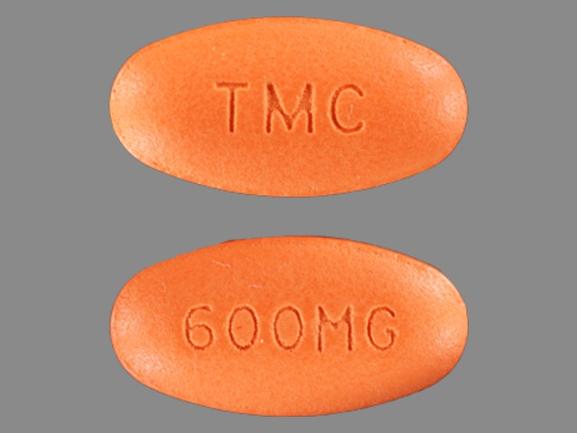
Prezista Side Effects
Generic name: darunavir
Medically reviewed by Drugs.com. Last updated on Jun 1, 2025.
Note: This document provides detailed information about Prezista Side Effects associated with darunavir. Some dosage forms listed on this page may not apply specifically to the brand name Prezista.
Applies to darunavir: oral suspension, oral tablet.
Precautions
It is very important that your doctor check your or your child's progress at regular visits to make sure this medicine is working properly. Blood tests may be needed to check for unwanted effects.
Do not use this medicine if you or your child are also using alfuzosin (Uroxatral®), dronedarone (Multaq®), elbasvir/grazoprevir (Zepatier®), ivabradine (Corlaonor®), lomitapide (Juxtapid®, Lojuxta®), lovastatin (Altocor®, Altoprev®, Mevacor®), lurasidone (Latuda®), naloxegol (Movantik®, Moventig®), oral midazolam (Versed®), pimozide (Orap®), ranolazine (Ranexa®), rifampin (Rifadin®, Rimactane®), sildenafil (Revatio®), simvastatin (Simcor®, Vytorin®, Zocor®), triazolam (Halcion®), or ergot medicines (eg, dihydroergotamine, ergotamine, methylergonovine, Cafergot®, D.H.E. 45®, Ergomar®, Ergostat®, Methergine®, Migranal®, Wigraine®). Do not use this medicine together with colchicine (Colcrys®) if you have kidney or liver disease.
Birth control pills may not work as well while you are using darunavir (the active ingredient contained in Prezista). To keep from getting pregnant, use an additional form of birth control along with your pills. Other forms of birth control include condoms, diaphragm, contraceptive foam, or jelly. If you think you have become pregnant while using this medicine, tell your doctor right away.
Check with your doctor right away if you or your child have pain or tenderness in the upper stomach, pale stools, dark urine, loss of appetite, nausea, unusual tiredness or weakness, or yellow eyes or skin. These could be symptoms of a serious liver problem.
This medicine may increase blood sugar levels. Check with your doctor right away if you or your child have increased thirst or increased urination. If you notice a change in the results of your or your child's blood or urine sugar tests, or if you have any questions, check with your doctor.
Your immune system may get stronger when you start taking HIV medicines. Tell your doctor right away if you or your child notice any changes in your health. Sometimes the immune system will start to fight infections that were hidden in your body, such as pneumonia, herpes, or tuberculosis. Autoimmune disorders (eg, Graves' disease, polymyositis, or Guillain-Barré syndrome) may also occur.
Serious skin reactions, including Stevens-Johnson syndrome, toxic epidermal necrolysis, drug reaction with eosinophilia and systemic symptoms (DRESS), and acute generalized exanthematous pustulosis can occur with this medicine. Check with your doctor right away if you or your child have black, tarry stools, blistering, peeling, or loosening of the skin, chest pain, chills, cough, diarrhea, fever, itching, joint or muscle pain, painful or difficult urination, red irritated eyes, red skin lesions, often with a purple center, sore throat, sores, ulcers, or white spots in the mouth or on the lips, swollen glands, unusual bleeding or bruising, or unusual tiredness or weakness.
This medicine may cause you to have excess body fat. Tell your doctor if you or your child notice changes in your body shape, such as an increased amount of fat in the upper back and neck, or around the chest and stomach area. You might also lose fat from the legs, arms, and face.
This medicine may increase the risk of bleeding in patients with hemophilia (a bleeding disorder). Talk with your doctor about this risk.
This medicine will not keep you from giving HIV to your partner during sex. Make sure you understand this and practice safe sex, even if your partner also has HIV, by using a latex condom or other barrier method. This medicine will also not keep you from giving HIV to other people if they are exposed to your blood. Do not re-use or share needles with anyone.
Do not take other medicines unless they have been discussed with your doctor. This includes prescription and nonprescription (over-the-counter [OTC]) medicines, and herbal (eg, St. John's wort) or vitamin supplements.
Common side effects of Prezista
Some side effects of darunavir may occur that usually do not need medical attention. These side effects may go away during treatment as your body adjusts to the medicine. Also, your health care professional may be able to tell you about ways to prevent or reduce some of these side effects.
Check with your health care professional if any of the following side effects continue or are bothersome or if you have any questions about them:
More common side effects
- stuffy or runny nose
Less common side effects
- gaining weight around your neck, upper back, breast, face, or waist
Serious side effects of Prezista
Along with its needed effects, darunavir may cause some unwanted effects. Although not all of these side effects may occur, if they do occur they may need medical attention.
Check with your doctor immediately if any of the following side effects occur while taking darunavir:
Less common side effects
- blistering, peeling, or loosening of the skin
- blurred vision
- chills
- cough
- diarrhea
- dry mouth
- flushed, dry skin
- fruit-like breath odor
- increased hunger
- increased thirst
- increased urination
- itching
- joint or muscle pain
- large, hive-like swelling on the face, eyelids, lips, tongue, throat, hands, legs, feet, or sex organs
- red irritated eyes
- red skin lesions, often with a purple center
- skin rash
- sore throat
- sores, ulcers, or white spots in the mouth or on the lips
- sweating
- trouble breathing
- unexplained weight loss
- unusual tiredness or weakness
Rare side effects
- belching
- black, tarry stools
- bloating
- constipation
- dark urine
- decreased appetite
- difficulty with moving
- dizziness
- excess air or gas in the stomach or bowels
- fast heartbeat
- feeling of fullness
- fever
- headache
- heartburn
- indigestion
- lack or loss of strength
- light-colored stools
- loss of appetite
- muscle aching or cramping
- nausea
- painful or difficult urination
- passing gas
- stomach pain or tenderness
- swelling of the feet or lower legs
- swollen glands
- swollen joints
- unpleasant breath odor
- unusual bleeding or bruising
- vomiting
- vomiting of blood
- yellow eyes or skin
Incidence not known
- lower back pain
- muscle pain, spasms, or stiffness
- pain or burning while urinating
- sudden decrease in amount of urine
- swelling or puffiness of the face
See also:
For healthcare professionals
Applies to darunavir: oral suspension, oral tablet.
General adverse events
The most common side effects reported with darunavir (the active ingredient contained in Prezista)/cobicistat were diarrhea, nausea, and rash. The manufacturer product information for cobicistat or cobicistat-darunavir should be consulted.
Most side effects reported during therapy with darunavir/ritonavir were mild in severity. The most common side effects were diarrhea, nausea, vomiting, headache, rash, and abdominal pain. Adverse events led to therapy discontinuation in 2.3% and 4.7% of therapy-naive and therapy-experienced subjects, respectively, in randomized trials. The manufacturer product information for ritonavir should be consulted for ritonavir-associated side effects.[Ref]
Gastrointestinal
Darunavir (the active ingredient contained in Prezista)/cobicistat:
- Very common (10% or more): Diarrhea (28%), nausea (23%)
- Common (1% to 10%): Vomiting, abdominal pain, abdominal distension, dyspepsia, flatulence, increased pancreatic enzymes
- Uncommon (0.1% to 1%): Acute pancreatitis
Darunavir/ritonavir:
- Very common (10% or more): Diarrhea (up to 14.4%)
- Common (1% to 10%): Nausea, vomiting, abdominal pain, elevated pancreatic amylase, elevated pancreatic lipase, abdominal distension, dyspepsia, flatulence, elevated blood amylase
- Uncommon (0.1% to 1%): Pancreatitis, acute pancreatitis, gastritis, gastroesophageal reflux disease, aphthous stomatitis, retching, dry mouth, abdominal discomfort, constipation, elevated lipase, eructation, oral dysesthesia
- Rare (less than 0.1%): Stomatitis, hematemesis, cheilitis, dry lip, coated tongue
- Frequency not reported: Elevated pancreatic enzyme[Ref]
Elevated pancreatic amylase (grade 2: up to 7.4%; grade 3: up to 7.8%; grade 4: up to 1.1%) and pancreatic lipase (grade 2: 5.2%; grade 3: up to 2.6%; grade 4: less than 1%) have been reported with darunavir/ritonavir.[Ref]
Other
Darunavir/cobicistat:
- Common (1% to 10%): Fatigue
- Uncommon (0.1% to 1%): Asthenia
Darunavir/ritonavir:
- Very common (10% or more): Elevated total cholesterol (up to 25%), elevated glucose levels (up to 15.4%), elevated low-density lipoprotein (LDL) cholesterol (up to 14.4%), elevated triglycerides (up to 10.4%)
- Common (1% to 10%): Asthenia, fatigue
- Uncommon (0.1% to 1%): Pyrexia, chest pain, peripheral edema, flushing, malaise, feeling hot, pain, decreased weight, increased weight, decreased high density lipoprotein, elevated blood alkaline phosphatase, elevated lactate dehydrogenase
- Rare (less than 0.1%): Chills, abnormal feeling, xerosis
- Frequency not reported: Rigors, hyperthermia, facial edema, decreased bicarbonate
Antiretroviral therapy:
- Frequency not reported: Increased weight, increased blood lipids[Ref]
Elevated total cholesterol (grade 2: up to 25%; grade 3: up to 10%), LDL cholesterol (grade 2: 14.4%; grade 3: up to 9.1%), triglycerides (grade 2: up to 10.4%; grade 3: up to 8.2%; grade 4: up to 3.9%), and alkaline phosphatase (grade 2: up to 3.9%; grade 3: less than 1%) have been reported with darunavir (the active ingredient contained in Prezista)/ritonavir.[Ref]
Dermatologic
Darunavir/cobicistat:
- Very common (10% or more): Rash (including macular, maculopapular, papular, erythematous, pruritic rash, generalized rash, allergic dermatitis; 16%)
- Common (1% to 10%): Angioedema, pruritus, urticaria
Darunavir/ritonavir:
- Common (1% to 10%): Rash (including macular, maculopapular, papular, erythematous, pruritic rash), pruritus, lipodystrophy (including lipohypertrophy, lipodystrophy, lipoatrophy)
- Uncommon (0.1% to 1%): Angioedema, generalized rash, urticaria, night sweats, allergic dermatitis, eczema, erythema, alopecia, hyperhidrosis, Stevens-Johnson syndrome, acne, dry skin, nail pigmentation, herpes simplex, severe skin reactions (in some cases accompanied by fever and/or elevations of transaminases)
- Rare (less than 0.1%): Drug rash with eosinophilia and systemic symptoms (DRESS), erythema multiforme, dermatitis, seborrheic dermatitis, skin lesion, xeroderma
- Frequency not reported: Folliculitis, lipoatrophy, toxic skin eruption, dermatitis medicamentosa, skin inflammation
- Postmarketing reports: Toxic epidermal necrolysis, acute generalized exanthematous pustulosis, DRESS[Ref]
In clinical trials, rashes were generally mild-to-moderate, often occurring within the first 4 weeks of therapy and resolving with continued use.[Ref]
Metabolic
Darunavir (the active ingredient contained in Prezista)/cobicistat:
- Common (1% to 10%): Anorexia, diabetes mellitus, hypercholesterolemia, hypertriglyceridemia, hyperlipidemia
Darunavir/ritonavir:
- Very common (10% or more): Elevated glucose levels (up to 15.4%)
- Common (1% to 10%): Hyperlipidemia, anorexia, diabetes mellitus, hypercholesterolemia, hypertriglyceridemia
- Uncommon (0.1% to 1%): Gout, decreased appetite, polydipsia, hyperglycemia, insulin resistance, increased appetite
- Frequency not reported: Hypoglycemia, hyperuricemia, hypocalcemia, hyponatremia, hypernatremia, obesity, hypoalbuminemia
- Postmarketing reports: New onset diabetes mellitus, exacerbation of preexisting diabetes mellitus, hyperglycemia, ketoacidosis, redistribution of body fat
HIV protease inhibitors:
- Postmarketing reports: New onset diabetes mellitus, exacerbation of preexisting diabetes, hyperglycemia, diabetic ketoacidosis
Antiretroviral therapy:
- Frequency not reported: Increased glucose, redistribution/accumulation of body fat (including central obesity, dorsocervical fat enlargement, peripheral wasting, facial wasting, breast enlargement, "cushingoid appearance"), metabolic abnormalities (such as hypertriglyceridemia, hypercholesterolemia, insulin resistance, hyperglycemia, hyperlactatemia)[Ref]
Elevated glucose levels (grade 2: up to 15.4%; grade 3: up to 1.7%; grade 4: less than 1%) has been reported with darunavir/ritonavir.[Ref]
Nervous system
Darunavir (the active ingredient contained in Prezista)/cobicistat:
- Very common (10% or more): Headache
Darunavir/ritonavir:
- Common (1% to 10%): Headache, peripheral neuropathy, dizziness
- Uncommon (0.1% to 1%): Lethargy, hypoesthesia, paresthesia, dysgeusia, disturbance in attention, memory impairment, somnolence, vertigo
- Rare (less than 0.1%): Syncope, convulsion, ageusia, sleep phase rhythm disturbance
- Frequency not reported: Transient ischemic attack, progressive multifocal leukoencephalopathy[Ref]
Hepatic
Darunavir/cobicistat:
- Common (1% to 10%): Increased hepatic enzyme
Darunavir/ritonavir:
- Common (1% to 10%): Elevated ALT, elevated AST
- Uncommon (0.1% to 1%): Hepatitis, acute hepatitis, cytolytic hepatitis, hepatic steatosis, hepatotoxicity, elevated transaminase, elevated blood bilirubin/hyperbilirubinemia, elevated GGT
- Frequency not reported: Elevated hepatic enzymes
- Postmarketing reports: Liver injury (including fatalities)[Ref]
Hyperbilirubinemia (grade 2: less than 1%; grade 3: less than 1%; grade 4: less than 1%), and elevated ALT (grade 2: up to 9%; grade 3: up to 3%; grade 4: up to 1%), and AST (grade 2: up to 7%; grade 3: up to 4.1%; grade 4: up to 1.2%) have been reported with darunavir (the active ingredient contained in Prezista)/ritonavir.
In patients receiving darunavir/ritonavir, the incidence of side effects and clinical chemistry abnormalities was not higher in those coinfected with hepatitis B or C virus compared with patients who were not coinfected, with the exception of elevated hepatic enzymes.[Ref]
Psychiatric
Darunavir (the active ingredient contained in Prezista)/cobicistat:
- Common (1% to 10%): Abnormal dreams
Darunavir/ritonavir:
- Common (1% to 10%): Insomnia
- Uncommon (0.1% to 1%): Depression, disorientation, sleep disorder, abnormal dreams, nightmare, anxiety, decreased libido, irritability
- Rare (less than 0.1%): Confusion state, altered mood, restlessness[Ref]
Cardiovascular
Darunavir (the active ingredient contained in Prezista)/ritonavir:
- Uncommon (0.1% to 1%): Myocardial infarction, angina pectoris, prolonged ECG QT, tachycardia, hypertension
- Rare (less than 0.1%): Acute myocardial infarction, sinus bradycardia, palpitations[Ref]
Hematologic
Darunavir (the active ingredient contained in Prezista)/ritonavir:
- Uncommon (0.1% to 1%): Thrombocytopenia, neutropenia, anemia, leukopenia
- Rare (less than 0.1%): Elevated eosinophil count
- Frequency not reported: Decreased white blood cell count, decreased lymphocytes, decreased total absolute neutrophil count, decreased platelets, increased partial thromboplastin time, increased plasma prothrombin time
HIV protease inhibitors:
- Frequency not reported: Increased bleeding (including spontaneous skin hematomas, hemarthrosis) in hemophiliacs[Ref]
Renal
Darunavir (the active ingredient contained in Prezista)/cobicistat:
- Common (1% to 10%): Increased blood creatinine
Darunavir/ritonavir:
- Uncommon (0.1% to 1%): Acute renal failure, renal failure, nephrolithiasis, elevated blood creatinine
- Rare (less than 0.1%): Decreased creatinine renal clearance
- Frequency not reported: Renal insufficiency[Ref]
Musculoskeletal
Darunavir (the active ingredient contained in Prezista)/cobicistat:
- Common (1% to 10%): Myalgia
Darunavir/ritonavir:
- Uncommon (0.1% to 1%): Myalgia, osteonecrosis, muscle spasms, muscular weakness, arthralgia, pain in extremities, osteoporosis, elevated blood creatine phosphokinase (CPK)
- Rare (less than 0.1%): Musculoskeletal stiffness, arthritis, joint stiffness
- Frequency not reported: Osteopenia
- Postmarketing reports: Rhabdomyolysis
HIV protease inhibitors:
- Frequency not reported: Increased CPK, myalgia, myositis, rhabdomyolysis[Ref]
Osteonecrosis has been reported, particularly with commonly known risk factors (e.g., corticosteroid use, alcohol use, severe immunosuppression, higher body mass index), advanced HIV disease, or long-term combination antiretroviral therapy.
Increased CPK, myalgia, myositis, and rarely, rhabdomyolysis have been reported with HIV protease inhibitors, especially when coadministered with nucleoside reverse transcriptase inhibitors.[Ref]
Respiratory
Darunavir (the active ingredient contained in Prezista)/ritonavir:
- Uncommon (0.1% to 1%): Dyspnea, cough, epistaxis, throat irritation
- Rare (less than 0.1%): Rhinorrhea
- Frequency not reported: Nasopharyngitis, hiccups, pneumonia, upper respiratory tract infection[Ref]
Hypersensitivity
Darunavir (the active ingredient contained in Prezista)/cobicistat:
- Common (1% to 10%): Drug hypersensitivity
Darunavir/ritonavir:
- Uncommon (0.1% to 1%): Drug hypersensitivity[Ref]
Genitourinary
Darunavir (the active ingredient contained in Prezista)/ritonavir:
- Uncommon (0.1% to 1%): Proteinuria, bilirubinuria, dysuria, nocturia, pollakiuria, erectile dysfunction
- Frequency not reported: Polyuria[Ref]
Immunologic
Darunavir (the active ingredient contained in Prezista)/cobicistat:
- Uncommon (0.1% to 1%): Immune reconstitution inflammatory syndrome
Darunavir/ritonavir:
- Uncommon (0.1% to 1%): Immune reconstitution inflammatory syndrome
Combination antiretroviral therapy:
- Frequency not reported: Immune reconstitution syndrome, autoimmune disorders in the setting of immune reconstitution (e.g., Graves' disease, polymyositis, Guillain-Barre syndrome, autoimmune hepatitis)[Ref]
Endocrine
Darunavir (the active ingredient contained in Prezista)/ritonavir:
- Uncommon (0.1% to 1%): Hypothyroidism, elevated blood thyroid stimulating hormone, gynecomastia[Ref]
Ocular
Darunavir (the active ingredient contained in Prezista)/ritonavir:
- Uncommon (0.1% to 1%): Conjunctival hyperemia, dry eye
- Rare (less than 0.1%): Visual disturbance[Ref]
References
1. Cerner Multum, Inc. "UK Summary of Product Characteristics."
2. (2006) "Product Information. Prezista (darunavir)." Ortho Biotech Inc
3. (2006) "Darunavir (Prezista) for HIV infection." Med Lett Drugs Ther, 48, p. 74-5
4. Katlama C, Esposito R, Gatell JM, et al. (2007) "Efficacy and safety of TMC114/ritonavir in treatment-experienced HIV patients: 24-week results of POWER 1." AIDS, 21, p. 395-402
5. Sekar V, Kestens D, Spinosa-Guzman S, et al. (2007) "The Effect of Different Meal Types on the Pharmacokinetics of Darunavir (TMC114)/Ritonavir in HIV-Negative Healthy Volunteers." J Clin Pharmacol, 47, p. 479-84
6. Taiwo BO, Hicks CB (2007) "Darunavir: an overview of an HIV protease inhibitor developed to overcome drug resistance." AIDS Read, 17, 151-6, 159-61
7. Clotet B, Bellos N, Molina JM, et al. (2007) "Efficacy and safety of darunavir-ritonavir at week 48 in treatment-experienced patients with HIV-1 infection in POWER 1 and 2: a pooled subgroup analysis of data from two randomised trials." Lancet, 369, p. 1169-78
8. Hoffman CJ, Gallant JE (2007) "When and how to use tipranavir and darunavir." AIDS Read, 17, 194-8, 201
9. Busse KH, Penzak SR (2007) "Darunavir: A second-generation protease inhibitor." Am J Health Syst Pharm, 64, p. 1593-602
10. Rittweger M, Arasteh K (2007) "Clinical pharmacokinetics of darunavir." Clin Pharmacokinet, 46, p. 739-56
11. McCoy C (2007) "Darunavir: a nonpeptidic antiretroviral protease inhibitor." Clin Ther, 29, p. 1559-1576
12. Warnke D, Barreto J, Temesgen Z (2007) "Antiretroviral drugs." J Clin Pharmacol, 47, p. 1570-9
13. Holodniy M (2007) "Darunavir in the Treatment of HIV-1 Infection: A Viewpoint by Mark Holodniy." Drugs, 67, p. 2802-3
14. Fenton C, Perry CM (2007) "Darunavir: In the Treatment of HIV-1 Infection." Drugs, 67, p. 2791-801
15. Cerner Multum, Inc. "Australian Product Information."
16. (2009) "Drugs for HIV infection." Treat Guidel Med Lett, 7, p. 11-22
17. Poveda E, Blanco F, Garcia-Gasco P, Alcolea A, Briz V, Soriano V (2006) "Successful rescue therapy with darunabir (TMC114) in HIV-infected patients who have failed several ritonavir-boosted protease inhibitors." AIDS, 20, p. 1558-60
18. Borras-Blasco J, Navarro-Ruiz A, Borras C, Castera E (2008) "Adverse cutaneous reactions associated with the newest antiretroviral drugs in patients with human immunodeficiency virus infection." J Antimicrob Chemother, 62, p. 879-88
Frequently asked questions
- HIV Antiviral Drugs - What are the common side effects?
- What drugs are contained in the HIV treatment Symtuza?
More about Prezista (darunavir)
- Check interactions
- Compare alternatives
- Pricing & coupons
- Reviews (4)
- Drug images
- Dosage information
- During pregnancy
- Generic availability
- FDA approval history
- Drug class: protease inhibitors
- Breastfeeding
- En español
Patient resources
Professional resources
Related treatment guides
Further information
Prezista side effects can vary depending on the individual. Always consult your healthcare provider to ensure the information displayed on this page applies to your personal circumstances.
Note: Medication side effects may be underreported. If you are experiencing side effects that are not listed, submit a report to the FDA by following this guide.