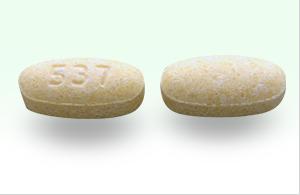
Potassium Citrate Side Effects
Medically reviewed by Drugs.com. Last updated on Jul 31, 2025.
Applies to potassium citrate: oral tablet extended release.
Precautions
It is very important that your doctor check your progress at regular visits to make sure that this medicine is working properly. Blood and urine tests may be needed to check for unwanted effects.
You should not take this medicine if you are also using atropine, benztropine (Cogentin®), glycopyrrolate (Robinul®), or a diuretic or "water pill" (such as amiloride, spironolactone, triamterene, Aldactone®, Dyrenium®, or Midamor®). Using these medicines together may cause serious problems.
Hyperkalemia (high potassium in the blood) may occur while you are using this medicine. Stop using this medicine and check with your doctor right away if you have the following symptoms: abdominal or stomach pain; confusion; difficulty with breathing; irregular heartbeat; nausea or vomiting; nervousness; numbness or tingling in the hands, feet, or lips; shortness of breath; or weakness or heaviness of the legs.
Stop using this medicine and check with your doctor right away if you have bloody or black, tarry stools; constipation; severe stomach pain; or vomiting of blood or material that looks like coffee grounds. These may be symptoms of a serious stomach problem.
Do not take other medicines unless they have been discussed with your doctor. This includes prescription or nonprescription (over-the-counter [OTC]) medicines and herbal or vitamin supplements.
Serious side effects of potassium citrate
Along with its needed effects, potassium citrate may cause some unwanted effects. Although not all of these side effects may occur, if they do occur they may need medical attention.
Check with your doctor immediately if any of the following side effects occur while taking potassium citrate:
Incidence not known
- abdominal or stomach discomfort
- diarrhea
- nausea
- vomiting
Get emergency help immediately if any of the following symptoms of overdose occur while taking potassium citrate:
Symptoms of overdose
- abdominal or stomach pain
- confusion
- difficult breathing
- irregular heartbeat
- nervousness
- numbness or tingling in the hands, feet, or lips
- shortness of breath
- weakness or heaviness of the legs
See also:
For healthcare professionals
Applies to potassium citrate: compounding powder, oral capsule, oral liquid, oral tablet extended release.
Gastrointestinal adverse events
- Postmarketing reports: Gastrointestinal complaints (e.g. abdominal discomfort, vomiting, diarrhea, loose bowel movements, nausea)[Ref]
References
1. (2019) "Product Information. Urocit-K (potassium citrate)." Mission Pharmacal Company
Frequently asked questions
More about potassium citrate
- Check interactions
- Compare alternatives
- Pricing & coupons
- Reviews (8)
- Drug images
- Dosage information
- During pregnancy
- Drug class: urinary pH modifiers
- En español
Patient resources
Other brands
Professional resources
Other brands
Related treatment guides
Further information
Potassium citrate side effects can vary depending on the individual. Always consult your healthcare provider to ensure the information displayed on this page applies to your personal circumstances.
Note: Medication side effects may be underreported. If you are experiencing side effects that are not listed, submit a report to the FDA by following this guide.