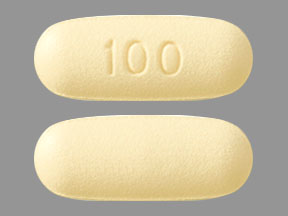
Noxafil Side Effects
Generic name: posaconazole
Medically reviewed by Drugs.com. Last updated on Aug 22, 2024.
Note: This document provides detailed information about Noxafil Side Effects associated with posaconazole. Some dosage forms listed on this page may not apply specifically to the brand name Noxafil.
Applies to posaconazole: oral powder for suspension extended release, oral suspension, oral tablet delayed release.
Other dosage forms:
Precautions
It is very important that your doctor check your progress at regular visits. This will allow your doctor to see if the medicine is working properly and to decide if you should continue to take it. Blood tests will be needed to check for unwanted effects.
You should not use atorvastatin (Lipitor®), lovastatin (Mevacor®), pimozide (Orap®), quinidine (Quinaglute®), simvastatin (Zocor®), sirolimus (Rapamune®), venetoclax (Venclexta®), or ergotamine medicines (eg, bromocriptine, dihydroergotamine, ergonovine, ergotamine, methylergonovine, methysergide, Cafergot®, Ergomar®, Wigraine®). Using any of them together with this medicine may increase the chance of unwanted effects.
This medicine can cause changes in heart rhythms, including QT prolongation and torsades de pointes. Check with your doctor right away if you have chest pain or discomfort, fainting, irregular or slow heart rate, or trouble breathing.
Check with your doctor right away if you have pain or tenderness in the upper stomach, pale stools, dark urine, loss of appetite, nausea, unusual tiredness or weakness, or yellow skin or eyes. These could be symptoms of a serious liver problem.
Check with your doctor right away if you have severe diarrhea or vomiting while using this medicine.
Do not take other medicines unless they have been discussed with your doctor. This includes prescription or nonprescription (over-the-counter [OTC]) medicines and herbal or vitamin supplements.
Serious side effects of Noxafil
Along with its needed effects, posaconazole (the active ingredient contained in Noxafil) may cause some unwanted effects. Although not all of these side effects may occur, if they do occur they may need medical attention.
Check with your doctor immediately if any of the following side effects occur while taking posaconazole:
More common side effects
- black, tarry stools
- bleeding in the gums
- blood in the urine or stools
- bloody nose
- blurred vision
- body aches or pain
- chest tightness
- confusion
- cough
- decreased urine
- diarrhea
- difficult or labored breathing
- dizziness, faintness, or lightheadedness when getting up suddenly from a lying or sitting position
- drowsiness
- dry mouth
- fever or chills
- fruit-like breath odor
- heavy non-menstrual vaginal bleeding
- increased thirst or urination
- irregular heartbeats
- loss of appetite
- loss of voice
- mood changes
- muscle pain, cramps, spasms, or twitching
- nausea or vomiting
- numbness or tingling in the hands, feet, lips, mouth, or fingertips
- painful cold sores or blisters on the lips, nose, eyes, or genitals
- painful or difficult urination
- pale skin
- pinpoint red spots on the skin
- pounding in the ears
- seizures
- slow or fast heartbeat
- small red or purple spots on the skin
- sores, ulcers, or white spots on the lips, tongue, or inside the mouth
- stomach pain
- sweating
- swelling of the ankles or hands
- tender, swollen glands in the neck
- trembling
- trouble swallowing
- unexplained weight loss
- unusual bleeding or bruising
- yellow eyes or skin
Less common side effects
- fainting
- irregular heartbeat, recurrent
Incidence not known
- anxiety
- change in mental status
- chest pain or discomfort
- darkening of the skin
- itching or skin rash
- mental depression
- seizures
- swelling of the eyes or eyelids
- swelling of the face, fingers, feet, or lower legs
- trouble breathing
- weakness
Other side effects of Noxafil
Some side effects of posaconazole may occur that usually do not need medical attention. These side effects may go away during treatment as your body adjusts to the medicine. Also, your health care professional may be able to tell you about ways to prevent or reduce some of these side effects.
Check with your health care professional if any of the following side effects continue or are bothersome or if you have any questions about them:
More common side effects
- acid or sour stomach
- back pain
- belching
- difficulty having a bowel movement (stool)
- heartburn
- lack or loss of strength
- muscle stiffness
- pain in the joints
- trouble sleeping
Less common side effects
- bad, unusual, or unpleasant (after) taste
- change in taste
See also:
For healthcare professionals
Applies to posaconazole: intravenous solution, oral delayed release tablet, oral powder for reconstitution delayed release, oral suspension.
General adverse events
Thrombophlebitis was very common when multiple doses of the injection were administered via peripheral venous catheter, leading to administration via central venous catheter in later studies. The most common side effects reported with the IV injection were diarrhea, hypokalemia, pyrexia, and nausea.
The most common side effects reported with the delayed-release tablets were diarrhea, pyrexia, and nausea. The most common side effect leading to discontinuation of the delayed-release tablets was nausea (2%).
In the clinical trial of the injection and delayed-release tablet for treatment of invasive aspergillosis, the most common side effects leading to discontinuation of therapy included septic shock, respiratory failure, and bronchopulmonary aspergillosis.
The most common side effects reported with the oral suspension in the prophylaxis clinical trials were fever, diarrhea, and nausea. The most common side effects leading to discontinuation of the oral suspension in these trials were associated with gastrointestinal disorders, including nausea (2%), vomiting (2%), and increased liver enzymes (2%).
The most common side effects reported with the oral suspension in the oropharyngeal candidiasis and refractory oropharyngeal candidiasis trials were fever, diarrhea, nausea, headache, vomiting, and coughing. The most common side effects leading to discontinuation of the oral suspension were respiratory impairment (1%) and pneumonia (1%) in patients with oropharyngeal candidiasis and AIDS (7%) and respiratory impairment (3%) in patients with refractory oropharyngeal candidiasis. Side effects occurred more often in patients with refractory oropharyngeal candidiasis. Serious side effects were reported in 55% of highly immunocompromised patients with advanced HIV disease. Fever (13%) and neutropenia (10%) were the serious side effects reported most often in these patients. Other serious side effects included altered drug levels (of other products), increased hepatic enzymes, nausea, rash, vomiting, bilirubinemia, and hepatocellular damage.[Ref]
Cardiovascular
- Very common (10% or more): Hypertension (up to 18%), hypotension (up to 14%), tachycardia (up to 12%)
- Uncommon (0.1% to 1%): Long QT syndrome, abnormal ECG, palpitations, bradycardia, QT/QTc prolongation, atrial fibrillation, atrial flutter, bundle branch block, extrasystoles, ventricular hypertrophy, supraventricular extrasystoles, vasculitis, thrombophlebitis
- Rare (0.01% to 0.1%): Torsades de pointes, deep vein thrombosis, ventricular tachycardia, cardiorespiratory arrest, cardiac failure, myocardial infarction, aortic valve sclerosis, cardiomegaly, decreased ejection fraction, mitral valve disease, supraventricular tachycardia, premature atrial contractions, premature ventricular contractions, atrioventricular block, atherosclerosis, ischemia, hematoma
One patient taking this drug during a clinical trial developed torsades de pointes. This severely ill patient had a history of palpitations, recent cardiotoxic chemotherapy, hypokalemia, and hypomagnesemia; risk factors that may have contributed to or confounded the patient's condition.
Dermatologic
- Very common (10% or more): Rash (up to 24%), pruritus (up to 11%), petechiae (up to 11%)
- Common (1% to 10%): Increased sweating
- Uncommon (0.1% to 1%): Alopecia, dry skin, maculopapular rash, urticaria, furunculosis, acne, pruritic rash, dermatitis, erythema
- Rare (0.01% to 0.1%): Stevens-Johnson syndrome, vesicular rash, erythematous rash, follicular rash, macular rash, night sweats, seborrhea, skin nodule, ecchymoses, purpura
Endocrine
- Rare (0.01% to 0.1%): Adrenal insufficiency, decreased blood gonadotropins, pseudoaldosteronism
- Postmarketing reports: Pseudoaldosteronism
Gastrointestinal
- Very common (10% or more): Diarrhea (up to 42%), nausea (up to 38%), vomiting (up to 29%), abdominal pain (up to 27%), constipation (up to 21%), oral candidiasis (up to 12%), upper abdominal pain (up to 11%)
- Common (1% to 10%): Dyspepsia, dry mouth, flatulence, anorectal discomfort
- Uncommon (0.1% to 1%): Mucositis, pancreatitis, mouth ulceration, loose stools, abdominal distension, dysphagia, ascites, eructation, gastritis, gastroesophageal reflux disease, esophagitis, tongue edema, tongue discoloration, tooth discoloration, mouth edema, enteritis, epigastric discomfort
- Rare (0.01% to 0.1%): Gastrointestinal hemorrhage, ileus, esophageal candidiasis, increased amylase, increased lipase, abdominal tenderness, cheilitis, hemorrhagic diarrhea, esophageal ulceration, hemorrhagic gastritis, odynophagia, increased pancreatic enzymes, proctalgia, retching, aphthous stomatitis, tenesmus, melena, gingivitis, glossitis, stomatitis
Genitourinary
- Very common (10% or more): Vaginal hemorrhage (10%)
- Uncommon (0.1% to 1%): Menstrual disorder, albuminuria, altered micturition frequency, dysuria, hematuria, nocturia
- Rare (0.01% to 0.1%): Breast pain, urinary tract infection, micturition disorder, urinary tract obstruction, leukorrhea
Hematologic
- Very common (10% or more): Thrombocytopenia (up to 29%), anemia (up to 25%), neutropenia (up to 23%), febrile neutropenia (up to 20%)
- Uncommon (0.1% to 1%): Leukopenia, eosinophilia, lymphadenopathy, splenic infarction
- Rare (0.01% to 0.1%): Hemolytic uremic syndrome, thrombotic thrombocytopenic purpura, pancytopenia, coagulopathy/coagulation disorder, hemorrhage, abnormal blood gases, neutrophilia, increased platelet count, decreased prothrombin, prolonged prothrombin time
- Frequency not reported: Aggravated neutropenia
Rare occurrences of hemolytic uremic syndrome and thrombotic thrombocytopenic purpura have been reported, generally in patients with concurrent cyclosporine or tacrolimus therapy for the prevention of transplant rejection or graft versus host disease.
Hepatic
- Very common (10% or more): Increased AST (up to 17%), changes in ALT (up to 17%), increased ALT (up to 14.6%)
- Common (1% to 10%): Bilirubinemia, changes in bilirubin, increased total bilirubin, increased hepatic enzymes, changes in AST, increased GGT, raised liver function tests (increased ALT, increased AST, increased bilirubin, increased alkaline phosphatase, increased GGT)
- Uncommon (0.1% to 1%): Hepatocellular damage, abnormal hepatic function, hepatitis, hepatomegaly, jaundice, cholestasis, hepatic toxicity
- Rare (0.01% to 0.1%): Hepatic failure, cholestatic hepatitis, hepatosplenomegaly, liver tenderness, asterixis, splenomegaly
- Postmarketing reports: Severe hepatic injury with fatal outcome
Clinically significant liver test abnormalities during oropharyngeal candidiasis studies included increased AST, alkaline phosphatase, ALT, and total bilirubin. The majority of abnormal liver function tests in patients and healthy subjects were minor, transient, and did not lead to therapy discontinuation.
Changes in liver test results from grade 0, 1, or 2 at baseline to grade 3 or 4 during prophylaxis and aspergillosis treatment studies included changes in ALT, bilirubin, AST, and alkaline phosphatase.
Increased total bilirubin (greater than 1.5 times the upper limit of normal [1.5 x ULN]: up to 22%), AST (greater than 3 x ULN: up to 17%), and ALT (greater than 3 x ULN: up to 11%) were reported.
Hypersensitivity
- Uncommon (0.1% to 1%): Allergic reaction
- Rare (0.01% to 0.1%): Hypersensitivity reactions
Local
- Very common (10% or more): Infusion site reactions (up to 12%)
- Uncommon (0.1% to 1%): Infusion site pain, infusion site phlebitis, infusion site thrombosis
In initial studies of healthy subjects, use of a single dose of this drug infused over 30 minutes via a peripheral venous catheter was associated infusion site reactions (12%), including thrombophlebitis (4%). Incidence of thrombophlebitis increased to 60% when multiple doses were administered via a peripheral venous catheter; therefore, in subsequent studies, this drug was administered via central venous catheter. When a central venous catheter was not readily available, patients received a single infusion over 30 minutes via a peripheral venous catheter; peripheral infusion time longer than 30 minutes led to higher incidence of infusion site reactions and thrombophlebitis.
Metabolic
- Very common (10% or more): Hypokalemia (up to 30%), anorexia (up to 19%), hypomagnesemia (up to 18%), decreased appetite (up to 12%), hyperglycemia (up to 11%), dehydration (up to 11%)
- Common (1% to 10%): Hypocalcemia, electrolyte imbalance
- Uncommon (0.1% to 1%): Hypertriglyceridemia, hyperuricemia, hypoglycemia
- Rare (0.01% to 0.1%): Hypercholesterolemia, hyperlipemia, hyperproteinemia, hypoalbuminemia, metabolic acidosis, vitamin K deficiency
Musculoskeletal
- Very common (10% or more): Musculoskeletal pain (up to 16%), arthralgia (up to 11%)
- Common (1% to 10%): Back pain
- Uncommon (0.1% to 1%): Myalgia, flank pain, muscle weakness, pain in extremity, neck pain
- Rare (0.01% to 0.1%): Bone pain, chest wall pain, fasciitis, neck stiffness, cramps in the extremities, muscle cramps
Nervous system
- Very common (10% or more): Headache (up to 28%), dizziness (up to 11%)
- Common (1% to 10%): Paresthesia, somnolence, dysgeusia
- Uncommon (0.1% to 1%): Tremor, convulsions, neuropathy, hypoesthesia, earache, vertigo, aphasia, taste perversion
- Rare (0.01% to 0.1%): Cerebrovascular accident, encephalopathy, peripheral neuropathy, syncope, hearing impairment, areflexia, ataxia, impaired cognition, dysphonia, dystonia, hemiparesis, hyperkinesia, hyperreflexia, hyporeflexia, hypotonia, impaired concentration, memory impairment, meningism, mononeuritis, restless leg syndrome, sciatica, tinnitus
Ocular
- Uncommon (0.1% to 1%): Blurred vision, photophobia, conjunctivitis, reduced visual acuity
- Rare (0.01% to 0.1%): Diplopia, scotoma, eye pain, dry eyes, periorbital edema
Other
- Very common (10% or more): Fever/pyrexia (up to 45%), rigors (up to 20%), fatigue (up to 17%), peripheral edema (up to 16%), chills (up to 16%), leg edema (up to 15%), increased alkaline phosphatase (up to 14%), mucosal inflammation (up to 14%), decreased weight (up to 14%), asthenia (up to 13%), herpes simplex (up to 11%), pain (up to 11%)
- Common (1% to 10%): Edema, weakness, changes in alkaline phosphatase, catheter site erythema
- Uncommon (0.1% to 1%): Altered drug levels, malaise, chest pain, flushing, hot flushes, thirst, drug toxicity, chest discomfort, drug intolerance, feeling jittery, decreased blood phosphorus, increased LDH
- Rare (0.01% to 0.1%): Face edema, catheter-related infection, non-herpetic cold sores, sudden death, increased weight
- Frequency not reported: Bacteremia, cytomegalovirus infection, septic shock
Alkaline phosphatase greater than 3 x ULN was reported in up to 14% of patients.
Psychiatric
- Very common (10% or more): Insomnia (up to 17%)
- Uncommon (0.1% to 1%): Altered mental status, anxiety, confusion/confusional state, abnormal dreams, sleep disorder
- Rare (0.01% to 0.1%): Psychotic disorder, depression, amnesia, emotional lability, decreased libido, paroniria, psychosis, delirium
Renal
- Uncommon (0.1% to 1%): Acute renal failure, increased blood creatinine, renal failure, renal impairment
- Rare (0.01% to 0.1%): Renal tubular acidosis, interstitial nephritis, increased BUN, renal calculus
Respiratory
- Very common (10% or more): Cough/coughing (up to 25%), dyspnea (up to 20%), epistaxis (up to 17%), pneumonia (up to 12.5%), pharyngitis (up to 12%)
- Uncommon (0.1% to 1%): Sinusitis, nasal congestion, hiccups, pleuritic pain, tachypnea, abnormal chest x-ray
- Rare (0.01% to 0.1%): Pulmonary hypertension, interstitial pneumonia, pneumonitis, upper respiratory tract infection, pulmonary embolism, atelectasis, dry throat, nasal irritation, postnasal drip, pulmonary infiltration, rales, rhinitis, rhinorrhea
- Frequency not reported: Respiratory failure, bronchopulmonary aspergillosis
Rare occurrences of pulmonary embolus have been reported, generally in patients with concurrent cyclosporine or tacrolimus therapy for the prevention of transplant rejection or graft versus host disease.
References
1. (2022) "Product Information. Noxafil (posaconazole)." Merck Sharp & Dohme LLC, SUPPL-27,14,13,1
2. (2021) "Product Information. Noxafil (posaconazole)." Merck Sharp & Dohme (Australia) Pty Ltd, S-CCDS-MK-5592-(IV/O
3. (2023) "Product Information. Noxafil (posaconazole)." Merck Sharp & Dohme (UK) Ltd
More about Noxafil (posaconazole)
- Check interactions
- Compare alternatives
- Pricing & coupons
- Reviews (1)
- Drug images
- Dosage information
- During pregnancy
- Generic availability
- FDA approval history
- Drug class: azole antifungals
- Breastfeeding
- En español
Patient resources
- Noxafil drug information
- Noxafil (Posaconazole Intravenous) (Advanced Reading)
- Noxafil (Posaconazole Oral) (Advanced Reading)
- Noxafil PowderMix (Advanced Reading)
Professional resources
Related treatment guides
Further information
Noxafil side effects can vary depending on the individual. Always consult your healthcare provider to ensure the information displayed on this page applies to your personal circumstances.
Note: Medication side effects may be underreported. If you are experiencing side effects that are not listed, submit a report to the FDA by following this guide.