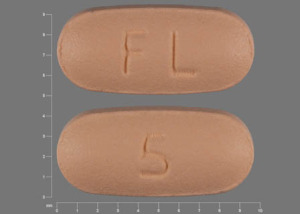
Namenda Side Effects
Generic name: memantine
Medically reviewed by Drugs.com. Last updated on Dec 3, 2023.
Note: This document provides detailed information about Namenda Side Effects associated with memantine. Some dosage forms listed on this page may not apply specifically to the brand name Namenda.
Applies to memantine: oral capsule extended release, oral solution, oral tablet.
Common side effects of Namenda
Some side effects of memantine may occur that usually do not need medical attention. These side effects may go away during treatment as your body adjusts to the medicine. Also, your health care professional may be able to tell you about ways to prevent or reduce some of these side effects.
Check with your health care professional if any of the following side effects continue or are bothersome or if you have any questions about them:
More common side effects
- confusion
Less common side effects
- anxiety
- back pain
- bladder pain
- bloody or cloudy urine
- change in walking and balance
- chills
- clumsiness or unsteadiness
- cough producing mucus
- coughing
- diarrhea
- difficult, burning, or painful urination
- difficulty with breathing
- difficulty with moving
- discouragement
- dry mouth
- fear
- feeling sad or empty
- fever
- frequent urge to urinate
- general feeling of discomfort or illness
- hyperventilation
- insomnia
- irritability
- joint pain
- loss of appetite
- loss of bladder control
- loss of interest or pleasure
- lower back or side pain
- muscle pain or stiffness
- nausea
- nervousness
- pain
- pain in the joints
- restlessness
- seeing, hearing, or feeling things that are not there
- shortness of breath
- sleepiness or unusual drowsiness
- sore throat
- tightness in the chest
- tiredness
- trouble with concentrating
- trouble with sleeping
- unusual tiredness or weakness
- vomiting
- wheezing
Incidence not known
- burning feeling in the chest or stomach
- burning, numbness, pain, or tingling in all fingers except smallest finger
- cold sweats
- cool pale skin
- decreased interest in sexual intercourse
- difficulty with swallowing
- general feeling of discomfort or illness
- heartburn
- inability to have or keep an erection
- increased hunger
- large amounts of fat in the blood
- loss in sexual ability, desire, drive, or performance
- nightmares
- shakiness
- slurred speech
- stomach cramps
- stomach upset
- tenderness in the stomach area
- watery or bloody diarrhea
Serious side effects of Namenda
Along with its needed effects, memantine (the active ingredient contained in Namenda) may cause some unwanted effects. Although not all of these side effects may occur, if they do occur they may need medical attention.
Check with your doctor immediately if any of the following side effects occur while taking memantine:
Less common side effects
- bloating or swelling of the face, arms, hands, lower legs, or feet
- blurred vision
- dizziness
- headache
- nervousness
- pounding in the ears
- rapid weight gain
- slow or fast heartbeat
- tingling of the hands or feet
- unusual weight gain or loss
Incidence not known
- abdominal or stomach pain
- agitation
- black, tarry stools
- bleeding gums
- blistering, peeling, or loosening of the skin
- blood in the urine or stools
- chest pain
- coma
- constipation
- continuing vomiting
- convulsions
- dark-colored urine
- decreased urine output
- depression
- fainting
- fast, pounding, or irregular heartbeat or pulse
- general feeling of tiredness or weakness
- high fever
- high or low blood pressure
- hostility
- increased sweating
- indigestion
- infection from breathing foreign substances into the lungs
- itching
- lethargy
- light-colored stools
- lip smacking or puckering
- loss of consciousness
- muscle twitching
- no blood pressure
- no breathing
- no pulse
- numbness or tingling in the face, arms, or legs
- pain in the stomach, side, or abdomen, possibly radiating to the back
- pain or swelling in the arms or legs without any injury
- pain, tension, and weakness upon walking that subsides during periods of rest
- pinpoint red spots on the skin
- pounding, slow heartbeat
- puffing of the cheeks
- rapid or worm-like movements of the tongue
- rapid weight gain
- recurrent fainting
- red irritated eyes
- red skin lesions, often with a purple center
- seizures
- severe constipation
- severe headache
- severe muscle stiffness
- severe vomiting
- sores, ulcers, or white spots in the mouth or on the lips
- stupor
- sudden severe weakness
- swelling of the face, ankles, or hands
- total body jerking
- trouble with speaking or walking
- troubled breathing
- twitching, twisting, or uncontrolled repetitive movements of the tongue, lips, face, arms, or legs
- uncontrolled chewing movements
- unusual bleeding or bruising
- unusually pale skin
- vomiting
- yellow eyes and skin
For healthcare professionals
Applies to memantine: oral capsule extended release, oral kit, oral solution, oral tablet.
General adverse events
The most common adverse reactions (frequency of at least 5% and higher than placebo) were dizziness, headache, confusion, constipation, and diarrhea.[Ref]
Cardiovascular
- Common (1% to 10%): Hypertension, hypotension, bradycardia, angina pectoris, phlebitis, deep thrombophlebitis, cardiac arrest
- Uncommon (0.1% to 1%): Cardiac failure, venous thrombosis/thromboembolism
- Frequency not reported: Postural hypotension, rhythm and rate disturbance (e.g., atrial fibrillation), QTc prolongation, ischemic event and sudden death (e.g., myocardial infarction), embolism, venous thrombosis/thromboembolism[Ref]
Dermatologic
- Common (1% to 10%): Purpura, rash, basal cell carcinoma
- Frequency not reported: Dermatitis, skin disorder, skin ulceration, bullous eruption, pruritus, increased sweating
- Postmarketing reports: Stevens Johnson syndrome[Ref]
Endocrine
- Common (1% to 10%): Hyperglycemia, diabetes mellitus
- Frequency not reported: Aggravated diabetes mellitus[Ref]
Gastrointestinal
- Common (1% to 10%): Constipation, diarrhea, abdominal pain, vomiting, nausea, gastroenteritis
- Frequency not reported: Diverticulitis, dyspepsia, hemorrhoids, gastric ulcer, ileus
- Postmarketing reports: Pancreatitis[Ref]
Genitourinary
- Common (1% to 10%): Urinary incontinence, fecal incontinence, urinary tract infection, hyperuricemia, micturition frequency
- Frequency not reported: Cystitis, pyuria, hematuria[Ref]
Hepatic
- Common (1% to 10%): Increased ALT, increased AST, increased gamma-glutamyl transferase (GGT), increased phosphatase alkaline, elevated liver function test
- Postmarketing reports: Hepatitis, bilirubinemia[Ref]
Hypersensitivity
- Common (1% to 10%): Drug hypersensitivity[Ref]
Metabolic
- Common (1% to 10%): Increased weight, decreased weight, anorexia, dehydration, hypokalemia
- Frequency not reported: Increased appetite, hypernatremia, hyponatremia[Ref]
Musculoskeletal
- Common (1% to 10%): Back pain, arthralgia, leg pain, hypertonia, arthrosis, muscle weakness, myalgia, skeletal pain[Ref]
Nervous system
- Common (1% to 10%): Dizziness, headache, somnolence, balance disorders, abnormal gait, syncope, coma
- Uncommon (0.1% to 1%): Seizures
- Frequency not reported: Aphasia, speech disorder, hyperkinesia, dyskinesia, dementia, partial epileptic seizure, convulsions, tremor, extrapyramidal disorder, transient ischemic attack, vertigo, numbness, paresthesia, stupor, cerebrovascular disorder, intracranial hemorrhage[Ref]
Ocular
- Common (1% to 10%): Cataract, conjunctivitis[Ref]
Other
- Common (1% to 10%): Fatigue, peripheral edema, pain, influenza, inflicted injury, fall, dependent edema, tooth ache, tooth caries, edema, abrasion
- Uncommon (0.1% to 1%): Fungal infections
- Frequency not reported: Fever, asthenia, tiredness, chest pain, menstrual disorder[Ref]
Psychiatric
- Common (1% to 10%): Confusion, hallucination, anxiety, depression, aggression, agitation, insomnia, delusion, sleep disorder, abnormal crying
- Frequency not reported: Increased libido, mental status changes, nervousness, excitation/mania, suicide attempt, psychotic reactions
- Postmarketing reports: Suicidal ideation, suicide, psychotic reactions[Ref]
Respiratory
- Common (1% to 10%): Coughing, dyspnea, bronchitis, pneumonia, upper respiratory tract infection, apnea, rhinitis
- Frequency not reported: Atelectasis[Ref]
Hematologic
- Frequency not reported: Anemia
- Postmarketing reports: Agranulocytosis, leukopenia (including neutropenia), pancytopenia, thrombocytopenia, thrombotic thrombocytopenic purpura, increased erythrocyte sedimentation rate (ESR), leucocytosis[Ref]
Renal
- Frequency not reported: Abnormal renal function, renal calculus
- Postmarketing reports: Acute renal failure (including increased creatinine, renal insufficiency)[Ref]
References
1. Cerner Multum, Inc. "Australian Product Information."
2. (2014) "Product Information. Namenda XR (memantine)." Forest Pharmaceuticals
3. (2003) "Product Information. Namenda (memantine)." Forest Pharmaceuticals
4. Cerner Multum, Inc. "UK Summary of Product Characteristics."
Frequently asked questions
More about Namenda (memantine)
- Check interactions
- Compare alternatives
- Pricing & coupons
- Reviews (33)
- Drug images
- Dosage information
- During pregnancy
- Generic availability
- Drug class: miscellaneous central nervous system agents
- En español
Patient resources
Professional resources
Other formulations
Related treatment guides
Further information
Namenda side effects can vary depending on the individual. Always consult your healthcare provider to ensure the information displayed on this page applies to your personal circumstances.
Note: Medication side effects may be underreported. If you are experiencing side effects that are not listed, submit a report to the FDA by following this guide.