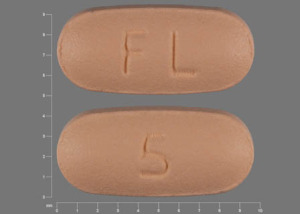
Generic Namenda Availability
Last updated on Sep 11, 2024.
Namenda is a brand name of memantine, approved by the FDA in the following formulation(s):
NAMENDA (memantine hydrochloride - solution;oral)
NAMENDA (memantine hydrochloride - tablet;oral)
Has a generic version of Namenda been approved?
Yes. The following products are equivalent to Namenda:
memantine hydrochloride tablet;oral
-
Manufacturer: ACME LABS
Approval date: May 7, 2018
Strength(s): 5MG [AB], 10MG [AB] -
Manufacturer: AJANTA PHARMA LTD
Approval date: November 30, 2015
Strength(s): 5MG [AB], 10MG [AB] -
Manufacturer: ALEMBIC
Approval date: October 13, 2015
Strength(s): 5MG [AB], 10MG [AB] -
Manufacturer: ALLIED
Approval date: September 4, 2015
Strength(s): 5MG [AB], 10MG [AB] -
Manufacturer: AMNEAL PHARMS
Approval date: April 10, 2015
Strength(s): 5MG [AB], 10MG [AB] -
Manufacturer: AUROBINDO PHARMA LTD
Approval date: October 13, 2015
Strength(s): 5MG [AB], 10MG [AB] -
Manufacturer: DR REDDYS LABS LTD
Approval date: April 14, 2010
Strength(s): 5MG [AB], 10MG [AB] -
Manufacturer: HETERO LABS LTD V
Approval date: September 26, 2022
Strength(s): 5MG [AB], 10MG [AB] -
Manufacturer: LUPIN LTD
Approval date: April 10, 2015
Strength(s): 5MG [AB], 10MG [AB] -
Manufacturer: MACLEODS PHARMS LTD
Approval date: October 13, 2015
Strength(s): 5MG [AB], 10MG [AB] -
Manufacturer: POLYGEN PHARMS
Approval date: December 11, 2020
Strength(s): 5MG [AB], 10MG [AB] -
Manufacturer: PURACAP PHARM LLC
Approval date: November 17, 2015
Strength(s): 5MG [AB], 10MG [AB] -
Manufacturer: STRIDES PHARMA
Approval date: May 23, 2017
Strength(s): 5MG [AB], 10MG [AB] -
Manufacturer: SUN PHARM
Approval date: May 5, 2010
Strength(s): 5MG [AB], 10MG [AB] -
Manufacturer: UNICHEM
Approval date: October 13, 2015
Strength(s): 5MG [AB], 10MG [AB] -
Manufacturer: UPSHER SMITH LABS
Approval date: July 31, 2015
Strength(s): 5MG [AB], 10MG [AB] -
Manufacturer: ZYDUS LIFESCIENCES
Approval date: July 10, 2017
Strength(s): 5MG [AB], 10MG [AB]
Note: No generic formulation of the following product is available.
- memantine hydrochloride - solution;oral
Note: Fraudulent online pharmacies may attempt to sell an illegal generic version of Namenda. These medications may be counterfeit and potentially unsafe. If you purchase medications online, be sure you are buying from a reputable and valid online pharmacy. Ask your health care provider for advice if you are unsure about the online purchase of any medication.
See also: Generic Drug FAQ.
More about Namenda (memantine)
- Check interactions
- Compare alternatives
- Pricing & coupons
- Reviews (31)
- Drug images
- Side effects
- Dosage information
- During pregnancy
- Drug class: miscellaneous central nervous system agents
- En español
Patient resources
Professional resources
Other formulations
Related treatment guides
Glossary
| Term | Definition |
|---|---|
| Drug Patent | A drug patent is assigned by the U.S. Patent and Trademark Office and assigns exclusive legal right to the patent holder to protect the proprietary chemical formulation. The patent assigns exclusive legal right to the inventor or patent holder, and may include entities such as the drug brand name, trademark, product dosage form, ingredient formulation, or manufacturing process A patent usually expires 20 years from the date of filing, but can be variable based on many factors, including development of new formulations of the original chemical, and patent infringement litigation. |
| Drug Exclusivity | Exclusivity is the sole marketing rights granted by the FDA to a manufacturer upon the approval of a drug and may run simultaneously with a patent. Exclusivity periods can run from 180 days to seven years depending upon the circumstance of the exclusivity grant. |
| RLD | A Reference Listed Drug (RLD) is an approved drug product to which new generic versions are compared to show that they are bioequivalent. A drug company seeking approval to market a generic equivalent must refer to the Reference Listed Drug in its Abbreviated New Drug Application (ANDA). By designating a single reference listed drug as the standard to which all generic versions must be shown to be bioequivalent, FDA hopes to avoid possible significant variations among generic drugs and their brand name counterpart. |
| AB | Products meeting necessary bioequivalence requirements. Multisource drug products listed under the same heading (e.g. identical active ingredients, dosage form, and routes of administration) and having the same strength (see Therapeutic Equivalence-Related Terms, Pharmaceutical Equivalents) generally will be coded AB if a study is submitted demonstrating bioequivalence. In certain instances, a number is added to the end of the AB code to make a three character code (e.g. AB1, AB2, AB7). Three-character codes are assigned only in situations when more than one reference listed drug of the same strength has been designated under the same heading. Two or more reference listed drugs are generally selected only when there are at least two potential reference drug products which are not bioequivalent to each other. If a study is submitted that demonstrates bioequivalence to a specific listed drug product, the generic product will be given the same three-character code as the reference listed drug it was compared against. |
Further information
Always consult your healthcare provider to ensure the information displayed on this page applies to your personal circumstances.