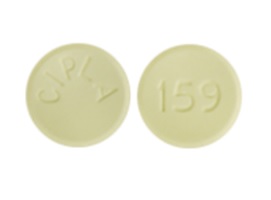
Meloxicam Side Effects
Medically reviewed by Drugs.com. Last updated on Dec 1, 2023.
Applies to meloxicam: oral capsule, oral suspension, oral tablet, oral tablet disintegrating.
Other dosage forms:
Important warnings
This medicine can cause some serious health issues
Oral route (capsule; suspension; tablet; tablet, disintegrating)
NSAIDs cause an increased risk of serious cardiovascular thrombotic events, including myocardial infarction and stroke, which can be fatal.
This risk may occur early in treatment and may increase with duration of use.
Meloxicam is contraindicated in the setting of CABG surgery.
NSAIDs also cause an increased risk of serious gastrointestinal (GI) adverse events, including bleeding, ulceration, and perforation of the stomach or intestines, which can be fatal.
These events can occur at any time during use and without warning symptoms.
Elderly patients and those with a prior history of peptic ulcer disease or GI bleeding are at a greater risk for serious GI events.
Common side effects of meloxicam
Some side effects of meloxicam may occur that usually do not need medical attention. These side effects may go away during treatment as your body adjusts to the medicine. Also, your health care professional may be able to tell you about ways to prevent or reduce some of these side effects.
Check with your health care professional if any of the following side effects continue or are bothersome or if you have any questions about them:
More common
- diarrhea
- gas
- heartburn
- indigestion
Less common
- abnormal dreaming
- anxiety
- appetite increased
- bad, unusual, or unpleasant after taste
- belching
- bloated or full feeling
- burning feeling in the chest or stomach
- burning, crawling, itching, numbness, prickling, "pins and needles", or tingling feelings
- burning, dry, or itching eyes
- change in taste
- changes in vision
- confusion
- constipation
- continuing ringing or buzzing or other unexplained noise in the ears
- decreased urination
- discharge
- discouragement
- dry mouth
- excess air or gas in the stomach
- excessive tearing
- feeling of constant movement of self or surroundings
- feeling sad or empty
- general feeling of discomfort or illness
- hair loss
- hearing loss
- hot flushes
- irritability
- loss of interest or pleasure
- nervousness
- pain or burning in the throat
- rapid breathing
- redness, pain, or swelling of the eye, eyelid, or inner lining of the eyelid
- sensation of spinning
- sleepiness
- sunken eyes
- thinning of the hair
- thirst
- trouble concentrating
- trouble sleeping
- wrinkled skin
Incidence not known
- mood changes
- trouble getting pregnant
Serious side effects of meloxicam
Along with its needed effects, meloxicam may cause some unwanted effects. Although not all of these side effects may occur, if they do occur they may need medical attention.
Check with your doctor immediately if any of the following side effects occur while taking meloxicam:
Less common
- bleeding gums
- bloating
- blood in the urine
- blurred vision
- burning upper abdominal or stomach pain
- canker sores
- chest tightness or heaviness
- chills
- cloudy urine
- cough
- cramping
- dark urine
- decreased frequency or amount of urine
- difficult or labored breathing
- dilated neck veins
- dizziness
- dizziness, faintness, or lightheadedness when getting up suddenly from a lying or sitting position
- general feeling of tiredness and weakness
- headache
- hives or welts
- increased blood pressure
- increased sensitivity of the skin to sunlight
- increased thirst
- irregular breathing
- itching, soreness, or redness other discoloration of the skin
- large, hive-like swelling on the face, eyelids, lips, tongue, throat, hands, legs, feet, or genitals
- light-colored stools
- loss of appetite
- lower side or back pain
- noisy breathing
- pain or discomfort in the arms, jaw, back, or neck
- painful or difficult urination
- pains in the stomach, side, or abdomen, possibly radiating to the back
- pinpoint red or purple spots on the skin
- pounding in the ears
- seizures
- severe and continuing nausea
- severe sunburn
- shakiness in the legs, arms, hands, or feet
- skin blisters
- sore throat
- sores, ulcers, or white spots on the lips or tongue or inside the mouth
- stomach bloating, burning, cramping, tenderness, or pain
- sweating
- swelling or puffiness of the face
- swollen glands
- trembling or shaking of the hands or feet
- unusual bleeding or bruising
- upper right abdominal or stomach pain
- watery or bloody diarrhea
- weight gain or loss
- yellow eyes or skin
Rare
- area rash
- blistering, peeling, or loosening of the skin
- bloody or black, tarry stools
- clay-colored stools
- cold, clammy skin
- continuing vomiting
- cough
- cracks in the skin
- difficulty with swallowing
- fast, weak pulse
- fever with or without chills
- greatly decreased frequency of urination or amount of urine
- hoarseness
- joint or muscle pain
- lightheadedness
- loss of heat from the body
- puffiness or swelling of the eyelids or around the eyes, face, lips, or tongue
- red skin lesions, often with a purple center
- red, irritated eyes
- scaly skin
- severe stomach pain
- tightness in the chest
- unpleasant breath odor
- unusual tiredness or weakness
- vomiting of blood or material that looks like coffee grounds
Incidence not known
- difficulty in passing urine (dribbling)
- difficulty with speaking
- double vision
- inability to move the arms, legs, or facial muscles
- inability to speak
- pains in the chest, groin or legs, especially the calves
- severe headache of sudden onset
- slow speech
- stomach pain, continuing
- sudden loss of coordination
- sudden onset of slurred speech
- sudden vision changes
- swelling of the feet or lower legs
Get emergency help immediately if any of the following symptoms of overdose occur while taking meloxicam:
Symptoms of overdose
- blue lips, fingernails, or skin
- pain in the chest, upper stomach, or throat
- rapid weight gain
- severe stomach pain
- seizures
- slow or fast heartbeat
- swelling around the eyes, face, lips, or tongue
For healthcare professionals
Applies to meloxicam: intravenous dispersion, oral capsule, oral suspension, oral tablet, oral tablet disintegrating.
General
The most frequently reported side effects were diarrhea, upper respiratory tract infections, dyspepsia, nausea, abdominal discomfort, and influenza-like symptoms.[Ref]
Gastrointestinal
- Very common (10% or more): Dyspepsia, nausea, vomiting, abdominal pain, constipation, flatulence, diarrhea
- Common (1% to 10%): Abdominal discomfort, gastrointestinal (GI) irritation, aggravated dyspepsia, eructation, gastroesophageal reflux disease, upper abdominal pain
- Uncommon (0.1% to 1%): Occult or macroscopic GI hemorrhage, gastritis, stomatitis
- Rare (0.01% to 0.1%): Colitis, gastroduodenal ulcer, esophagitis
- Very rare (less than 0.01%): GI perforation
- Frequency not reported: Dry mouth, duodenal ulcer, gastric ulcer, gastritis, hematemesis, hemorrhagic duodenal ulcer, hemorrhagic gastric ulcer, intestinal perforation, melena, pancreatitis, perforated duodenal ulcer, perforated gastric ulcer, stomatitis ulcerative[Ref]
Cardiovascular
- Common (1% to 10%): Hypertension
- Uncommon (0.1% to 1%): Flushing
- Rare (less than 0.1%): Palpitations
- Frequency not reported: Hot flushes, angina pectoris, cardiac failure, hypotension, myocardial infarction, vasculitis, arrhythmia, palpitation, tachycardia, shock, cardiac failure[Ref]
Nervous system
- Common (1% to 10%): Dizziness, headache, carpel tunnel syndrome
- Uncommon (0.1% to 1%): Somnolence
- Frequency not reported: Syncope, convulsions, paresthesia, tremor, taste perversion[Ref]
Respiratory
- Common (1% to 10%): Pharyngitis, upper respiratory tract infection, coughing, nasopharyngitis, bronchitis, sinusitis, laryngitis, pleuritic pain, dyspnea, rhinitis
- Rare (less than 0.1%): Asthma
- Frequency not reported: Bronchospasm[Ref]
Other
- Common (1% to 10%): Accident household, edema, fall, influenza-like symptoms, pain, peripheral edema, gravitational edema, fatigue, ear disorder, vertigo, fall
- Frequency not reported: Face edema, fever, malaise, weight decreased, weight increased, tinnitus
- Postmarketing reports: Meningitis[Ref]
Hematologic
- Common (1% to 10%): Anemia
- Rare (0.01% to 0.1%): Blood count abnormal, leukopenia, thrombocytopenia
- Very rare (less than 0.01%): Agranulocytosis[Ref]
Dermatologic
- Common (1% to 10%): Rash, pruritus, erythematous rash, maculopapular rash, hyperhidrosis, purpura
- Uncommon (0.1% to 1%): Angioedema
- Rare (0.01% to 0.1%): Stevens-Johnson syndrome, toxic epidermal necrolysis, urticaria
- Very rare (less than 0.01%): Dermatitis bullous, erythema multiforme
- Frequency not reported: Alopecia, bullous eruption, exfoliative dermatitis, photosensitivity reaction, sweating increased
- Postmarketing reports: Erythema multiforme[Ref]
Hypersensitivity
- Common (1% to 10%): Hypersensitivity
- Uncommon (0.1% to 1%): Allergic reactions
- Frequency not reported: Anaphylactoid reaction
- Postmarketing reports: Anaphylactoid reactions including shock[Ref]
Endocrine
- Postmarketing reports: Female infertility[Ref]
Musculoskeletal
- Common (1% to 10%): Arthralgia, aggravated arthralgia, joint crepitation, joint effusion, joint swelling, back pain, osteoarthritis, pain in extremity, arthritis, bursitis, muscle spasms, myalgia, rheumatoid arthritis[Ref]
Genitourinary
- Common (1% to 10%): Micturition frequency, urinary tract infection, hematuria
- Frequency not reported: Acute urinary retention[Ref]
Hepatic
- Uncommon (0.1% to 1%): Liver function disorder, ALT increased, AST increased, bilirubinemia
- Very rare (less than 0.01%): Hepatitis
- Frequency not reported: GGT increased, jaundice, liver failure[Ref]
Psychiatric
- Common (1% to 10%): Insomnia
- Rare (less than 0.1%): Nightmares, mood alterations
- Frequency not reported: Abnormal dreaming, anxiety, confusion, depression, nervousness, disorientation
- Postmarketing reports: Alterations in mood such as mood elevation[Ref]
Renal
- Very rare (less than 0.01%): Acute renal failure, papillary necrosis, acute tubular necrosis
- Frequency not reported: Albuminuria, BUN increased, creatinine increased, interstitial nephritis, renal failure[Ref]
Metabolic
- Common (1% to 10%): Dehydration, appetite increased
- Uncommon (0.1% to 1%): Sodium retention, hyperkalemia, water retention[Ref]
Ocular
- Common (1% to 10%): Cataract
- Rare (less than 0.1%): Visual disturbances, conjunctivitis, blurred vision
- Frequency not reported: Abnormal vision[Ref]
References
1. (2001) "Product Information. Mobic (meloxicam)." Boehringer-Ingelheim
2. Cerner Multum, Inc. "Australian Product Information."
3. MHRA. Medicines and Health Regulatory Agency (2013) MHRA Drug Safety Update. http://www.mhra.gov.uk/Safetyinformation/DrugSafetyUpdate
4. (2020) "Product Information. Anjeso (meloxicam)." Baudax Bio, Inc.
Frequently asked questions
- Meloxicam vs Ibuprofen: What's the difference?
- Should I take meloxicam at night or in the morning?
- Can I take Meloxicam and Aleve or Tylenol together?
- Is meloxicam very similar to Celebrex?
- Which painkiller should you use?
- How much meloxicam can I give my dog?
- How long do I wait after taking ibuprofen to take meloxicam?
- Can meloxicam cause drowsiness and headache?
- Is meloxicam a narcotic?
More about meloxicam
- Check interactions
- Compare alternatives
- Pricing & coupons
- Reviews (593)
- Drug images
- Latest FDA alerts (5)
- Dosage information
- Patient tips
- During pregnancy
- Support group
- Drug class: Nonsteroidal anti-inflammatory drugs
- Breastfeeding
- En español
Patient resources
- Meloxicam drug information
- Meloxicam (Intravenous) (Advanced Reading)
- Meloxicam Orally-Disintegrating Tablets
- Meloxicam Capsules
- Meloxicam Suspension
- Meloxicam Tablets
Other brands
Mobic, Vivlodex, Anjeso, Qmiiz ODT
Professional resources
Other brands
Mobic, Vivlodex, Anjeso, Qmiiz ODT
Related treatment guides
Further information
Meloxicam side effects can vary depending on the individual. Always consult your healthcare provider to ensure the information displayed on this page applies to your personal circumstances.
Some side effects may not be reported. You may report them to the FDA.