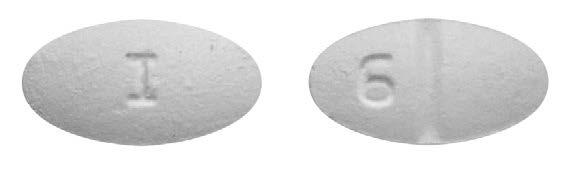
Losartan Side Effects
Brand Names: Cozaar
Please note - some side effects for Losartan may not be reported. Always consult your doctor or healthcare specialist for medical advice. You may also report side effects to the FDA.
Side Effects of Losartan - for the Consumer
Losartan
All medicines may cause side effects, but many people have no, or minor, side effects. Check with your doctor if any of these most COMMON side effects persist or become bothersome when using Losartan:
Seek medical attention right away if any of these SEVERE side effects occur when using Losartan:Diarrhea; dizziness; tiredness.
Severe allergic reactions (rash; hives; itching; difficulty breathing; tightness in the chest; swelling of the mouth, face, lips, or tongue; hoarseness); change in the amount of urine produced; chest pain; dark urine; difficulty swallowing; fast, slow, or irregular heartbeat; muscle pain or cramps; severe or persistent stomach pain (with or without nausea or vomiting); symptoms of low blood pressure (eg, fainting, severe dizziness, lightheadedness); unusual bruising or bleeding; vision changes; yellowing of the eyes or skin.
This is not a complete list of all side effects that may occur. If you have questions about side effects, contact your health care provider. Call your doctor for medical advice about side effects. To report side effects to the appropriate agency, please read the Guide to Reporting Problems to FDA.
Losartan/Hydrochlorothiazide
All medicines may cause side effects, but many people have no, or minor, side effects. Check with your doctor if any of these most COMMON side effects persist or become bothersome when using Losartan/Hydrochlorothiazide:
Seek medical attention right away if any of these SEVERE side effects occur when using Losartan/Hydrochlorothiazide:Back pain; cold symptoms; diarrhea; dizziness; light-headedness, especially when sitting up or standing; stuffy nose.
Severe allergic reactions (rash; hives; itching; difficulty breathing; tightness in the chest; swelling of the mouth, face, lips, throat, or tongue; unusual hoarseness); burning, numbness, or tingling; chest pain; confusion; dark urine; decrease in sexual ability; decreased urination; drowsiness; eye pain; fainting; fast, slow, or irregular heartbeat; fever, chills, or persistent sore throat; mental or mood changes (eg, depression); muscle pain, tenderness, or cramps; numbness of an arm or leg; one-sided weakness; red, swollen, blistered, or peeling skin; restlessness; seizures; severe or persistent dizziness or light-headedness; severe or persistent dry mouth, nausea, or stomach pain; shortness of breath; sluggishness; slurred speech; sudden, severe headache; swelling of the arms or legs; unusual bruising or bleeding; unusual thirst; unusual tiredness or weakness; unusually pale skin; vision changes (eg, decreased vision clearness); vomiting; yellowing of the skin or eyes.
This is not a complete list of all side effects that may occur. If you have questions about side effects, contact your health care provider. Call your doctor for medical advice about side effects. To report side effects to the appropriate agency, please read the Guide to Reporting Problems to FDA.
TopLosartan Side Effects - for the Professional
Losartan
Hypertension
Losartan potassium has been evaluated for safety in more than 3300 adult patients treated for essential hypertension and 4058 patients/subjects overall. Over 1200 patients were treated for over 6 months and more than 800 for over one year. In general, treatment with Losartan potassium was well-tolerated. The overall incidence of adverse experiences reported with Losartan potassium was similar to placebo.
In controlled clinical trials, discontinuation of therapy due to clinical adverse experiences was required in 2.3 percent of patients treated with Losartan potassium and 3.7 percent of patients given placebo.
The following table of adverse events is based on four 6- to 12-week, placebo-controlled trials involving over 1000 patients on various doses (10-150 mg) of Losartan and over 300 patients given placebo. All doses of Losartan are grouped because none of the adverse events appeared to have a dose-related frequency. The adverse experiences reported in ≥1% of patients treated with Losartan potassium and more commonly than placebo are shown in the table below.
| Losartan (n=1075) Incidence % |
Placebo (n=334) Incidence % |
|
| Musculoskeletal Cramp, muscle Pain, back Pain, leg |
1 2 1 |
0 1 0 |
| Nervous System/Psychiatric Dizziness |
3 |
2 |
| Respiratory Congestion, nasal Infection, upper respiratory Sinusitis |
2 8 1 |
1 7 0 |
The following adverse events were also reported at a rate of 1% or greater in patients treated with Losartan, but were as, or more frequent, in the placebo group: asthenia/fatigue, edema/swelling, abdominal pain, chest pain, nausea, headache, pharyngitis, diarrhea, dyspepsia, myalgia, insomnia, cough, sinus disorder.
Adverse events occurred at about the same rates in men and women, older and younger patients, and Black and non-Black patients.
A patient with known hypersensitivity to aspirin and penicillin, when treated with Losartan potassium, was withdrawn from study due to swelling of the lips and eyelids and facial rash, reported as angioedema, which returned to normal 5 days after therapy was discontinued.
Superficial peeling of palms and hemolysis were reported in one subject.
In addition to the adverse events above, potentially important events that occurred in at least two patients/subjects exposed to Losartan or other adverse events that occurred in <1% of patients in clinical studies are listed below. It cannot be determined whether these events were causally related to Losartan: Body as a Whole: facial edema, fever, orthostatic effects, syncope; Cardiovascular: angina pectoris, second degree AV block, CVA, hypotension, myocardial infarction, arrhythmias including atrial fibrillation, palpitation, sinus bradycardia, tachycardia, ventricular tachycardia, ventricular fibrillation; Digestive: anorexia, constipation, dental pain, dry mouth, flatulence, gastritis, vomiting; Hematologic: anemia; Metabolic: gout; Musculoskeletal: arm pain, hip pain, joint swelling, knee pain, musculoskeletal pain, shoulder pain, stiffness, arthralgia, arthritis, fibromyalgia, muscle weakness; Nervous System/Psychiatric: anxiety, anxiety disorder, ataxia, confusion, depression, dream abnormality, hypesthesia, decreased libido, memory impairment, migraine, nervousness, paresthesia, peripheral neuropathy, panic disorder, sleep disorder, somnolence, tremor, vertigo; Respiratory: dyspnea, bronchitis, pharyngeal discomfort, epistaxis, rhinitis, respiratory congestion; Skin: alopecia, dermatitis, dry skin, ecchymosis, erythema, flushing, photosensitivity, pruritus, rash, sweating, urticaria; Special Senses: blurred vision, burning/stinging in the eye, conjunctivitis, taste perversion, tinnitus, decrease in visual acuity; Urogenital: impotence, nocturia, urinary frequency, urinary tract infection.
Persistent dry cough (with an incidence of a few percent) has been associated with ACE-inhibitor use and in practice can be a cause of discontinuation of ACE-inhibitor therapy. Two prospective, parallel-group, double-blind, randomized, controlled trials were conducted to assess the effects of Losartan on the incidence of cough in hypertensive patients who had experienced cough while receiving ACE-inhibitor therapy. Patients who had typical ACE-inhibitor cough when challenged with lisinopril, whose cough disappeared on placebo, were randomized to Losartan 50 mg, lisinopril 20 mg, or either placebo (one study, n=97) or 25 mg hydrochlorothiazide (n=135). The double-blind treatment period lasted up to 8 weeks. The incidence of cough is shown below.
| Study 1† | HCTZ | Losartan | Lisinopril |
| Cough | 25% | 17% | 69% |
| Study 2†† | Placebo | Losartan | Lisinopril |
| Cough | 35% | 29% | 62% |
† Demographics = (89% caucasian, 64% female)
†† Demographics = (90% caucasian, 51% female)
These studies demonstrate that the incidence of cough associated with Losartan therapy, in a population that all had cough associated with ACE-inhibitor therapy, is similar to that associated with hydrochlorothiazide or placebo therapy.
Cases of cough, including positive re-challenges, have been reported with the use of Losartan in post-marketing experience.
Pediatric Patients: No relevant differences between the adverse experience profile for pediatric patients and that previously reported for adult patients were identified.
Hypertensive Patients with Left Ventricular Hypertrophy
In the LIFE study, adverse events with Losartan potassium were similar to those reported previously for patients with hypertension.
Post-Marketing Experience
The following additional adverse reactions have been reported in post-marketing experience:
Digestive:Hepatitis (reported rarely).
General Disorders and Administration Site Conditions: Malaise.
Hemic: Thrombocytopenia (reported rarely).
Hypersensitivity: Angioedema, including swelling of the larynx and glottis, causing airway obstruction and/or swelling of the face, lips, pharynx, and/or tongue has been reported rarely in patients treated with Losartan; some of these patients previously experienced angioedema with other drugs including ACE inhibitors. Vasculitis, including Henoch-Schönlein purpura, has been reported. Anaphylactic reactions have been reported.
Metabolic and Nutrition: Hyperkalemia, hyponatremia have been reported with Losartan.
Musculoskeletal: Rare cases of rhabdomyolysis have been reported in patients receiving angiotensin II receptor blockers.
Nervous system disorders: Dysgeusia
Respiratory: Dry cough.
Skin: Erythroderma
Laboratory Test Findings
In controlled clinical trials, clinically important changes in standard laboratory parameters were rarely associated with administration of Losartan potassium.
Creatinine, Blood Urea Nitrogen: Minor increases in blood urea nitrogen (BUN) or serum creatinine were observed in less than 0.1 percent of patients with essential hypertension treated with Losartan potassium alone.
Hemoglobin and Hematocrit: Small decreases in hemoglobin and hematocrit (mean decreases of approximately 0.11 grams percent and 0.09 volume percent, respectively) occurred frequently in patients treated with Losartan potassium alone, but were rarely of clinical importance. No patients were discontinued due to anemia.
Liver Function Tests:Occasional elevations of liver enzymes and/or serum bilirubin have occurred. In patients with essential hypertension treated with Losartan potassium alone, one patient (<0.1%) was discontinued due to these laboratory adverse experiences.
TopSide Effects by Body System - for Healthcare Professionals
General
Losartan is generally well tolerated. The overall incidence of adverse experiences reported with losartan appears to be similar to placebo. Discontinuation of therapy due to adverse drug events has been reported in 2.3% of patients receiving losartan and 3.7% of patients receiving placebo.
General side effects reported postmarketing have included malaise.
Nervous system
Nervous system side effects have included headache (up to 14%), asthenia, fatigue, or dizziness (14%), and insomnia in 1% of patients. Single cases of reversible ageusia and migraine headache have been reported. Dysgeusia has been reported in postmarketing experience.
A single case of migraine headache has been associated with the use of losartan in a 50-year-old woman with hypertension and no history of migraine headaches or motion sickness. Her migraine headache resolved upon substitution with enalapril and recurred upon rechallenge with losartan.
Cardiovascular
Cardiovascular side effects have included dizziness in 3.5% (compared with 2.1% on placebo) and rare reports of first-dose orthostatic hypotension. It has also been reported that losartan generated signals for cardiac failure, pulmonary edema and peripheral ischemia. Fingernail clubbing has also been associated with the use of losartan. In addition, angioneurotic edema has been reported.
A 52-year-old man with a history of focal segmental glomerulosclerosis, hypertension, proteinuria, and an allergy to radiographic contrast material, who was taking bisoprolol-HCTZ and terazosin (captopril had been discontinued due to cough), developed a "scratchy throat", facial flushing, and swelling of the lips and right face within 30 minutes after a single 50 mg dose of losartan. There were no signs or symptoms of pulmonary edema. The patient recovered after diphenhydramine therapy.
Respiratory
Respiratory side effects have included cough; however, in contrast to the ACE inhibitors, the incidence of cough associated with losartan (3.4%) is similar to placebo (3.3%). One comparative study has shown that losartan reduces cough in patients who have a history of cough associated with ACE inhibitors. However, cases of cough, including rechallenges, have been associated with losartan use in postmarketing research. Upper respiratory tract infection has been reported in 7.9% of treated patients, compared with 6.9% with placebo. Nasal congestion has been reported in 1% to 2% of patients. Laboratory preparation of losartan (after pulverizing tablets) by pharmacists has resulted in bronchospasm.
Angiotensin II receptor blockade, unlike ACE inhibition, has no impact on the processing of peptides such as bradykinin and substance P, two peptides able to induce cough.
Intradermal and spirometry testing of the pharmacists who experienced bronchospasm during preparation of losartan (double-blinded, placebo-controlled, crossover study) revealed reproducible symptoms associated with decreased FEV1 measurements. Because of the small sample size, the spirometry results did not reach statistical significance.
Gastrointestinal
Gastrointestinal complaints have been reported in less than 3% of patients, and have included loose bowel movements, dyspepsia, epigastric discomfort, and nausea. Dysgeusia, ageusia, and oral ulcers have been rarely reported. Acute pancreatitis has been reported.
A 49-year-old hypertensive woman was switched from enalapril to losartan because of fatigue. One week after starting losartan, the patient reported a persistent metallic taste, a tickling cough, and intestinal symptoms. Symptoms disappeared after discontinuation of losartan.
A 69-year-old hypertensive woman was switched to losartan from perindopril due to a tickling cough. A burning feeling on the tongue and a complete loss of taste developed three months after starting losartan. Perindopril was reinstituted and the taste disturbances disappeared within one week.
A 39-year-old hypertensive male was changed from enalapril to losartan because of a persistent cough. After one week, the patient complained of nausea, vomiting, and epigastric pain. Elevated amylase and lipase levels were noted. Five days after losartan was discontinued, laboratory values returned to normal. Gastrointestinal symptoms and elevated pancreatic enzyme values returned when losartan was reinstituted at a lower dosage.
Musculoskeletal
Musculoskeletal side effects have included reports of pain, typically back or leg pain, in approximately 1% of patients, compared with 0% with placebo. In addition, rare reports of rhabdomyolysis have been reported during postmarketing experience in patients receiving angiotensin II receptor blockers.
Renal
Renal side effects have rarely included new or worsened renal insufficiency or hyperkalemia associated with decreased renal function. The net effects of losartan and the ACE inhibitors on renal hemodynamics and kidney function are similar. Minor increases in blood urea nitrogen (BUN) or serum creatinine have been reported (<0.1%). In addition, acute renal failure associated with losartan therapy has been reported in at least one patient with bilateral renal artery stenosis.
Rare cases of acute renal failure, including acute oliguric renal failure, have been associated with the use of losartan in patients who are susceptible to reduced renal plasma flow (e.g., decreased cardiac output, renal artery stenosis, preexisting renal insufficiency). Losartan causes only minor decreases in plasma aldosterone.
The increase in plasma renin activity associated with losartan is relatively small compared with those increases associated with ACE inhibitors. These blunted increases do not appear to affect the antihypertensive response to the antagonist.
In one study of patients with significant proteinuria and moderate renal insufficiency (average creatinine clearance > 60 mL/min), losartan 50 to 100 mg/day was associated with significantly increased renal plasma flow and significantly decreased urinary excretion of total protein, albumin, and immunoglobulin.
Psychiatric
The pathogenesis of losartan-induced psychosis, if indeed it exists, is unknown. The author of this case report speculates that losartan may inhibit the enzyme enkephalinase, blocking the breakdown of the naturally-occurring opiate enkephalin. Opiates inhibit the release of substance P from primary sensory neurons. Perhaps, like ACE inhibitors, losartan might decrease plasma dopamine beta-hydroxylase concentrations.
Psychiatric side effects have included a single case of psychosis (reversible and reproducible on rechallenge of the drug) in an elderly woman with no personal or family history of mental illness or illicit drug use.
Metabolic
Metabolic side effects have included uricosuric effects and decreased serum uric acid levels. Animal data have shown that losartan may inhibit uric acid reabsorption in the proximal renal tubule, which can result in uricosuria and a small human trial demonstrated uricosuric effects. Cases of uric acid calculi have not been associated with the use of losartan or other angiotensin II receptor antagonists. Hyperkalemia and hyponatremia have also been reported.
Dermatologic
Dermatologic side effects have rarely been reported and include dermatitis, dry skin, ecchymosis, erythema, flushing, pruritus, rash, sweating, and urticaria. Losartan has been implicated in several case reports of de novo development or exacerbation of psoriasis. Erythroderma has been reported in postmarketing experience.
Hypersensitivity
Hypersensitivity reactions have been reported including angioedema with swelling of the larynx and glottis causing airway obstruction and/or swelling of the face, lips, and pharynx, and/or tongue.
Hepatic
A 77-year-old hypertensive male was prescribed 50 mg losartan a day. The patient mistakenly took losartan 50 mg three times a day for six weeks. Laboratory tests showed elevated serum creatinine, BUN, total bilirubin, AST, ALT, and GGT. Normalization of the laboratory values occurred within one month of discontinuing losartan.
Hepatic side effects have included occasional reports of increases in hepatic enzymes and serum bilirubin. Less than 0.1% of patients from large-scale controlled trials discontinued therapy due to increased liver function tests. Hepatitis has been reported rarely.
Hematologic
Hematologic side effects have included reports of small decreases in hemoglobin and hematocrit. In addition, anemia has been reported in renal transplant recipients (not having post-transplant erythrocytosis) treated with losartan. Losartan has also been implicated in a case of immune thrombocytopenia. Thrombocytopenia has been noted in postmarketing experience.
Immunologic
Immunologic side effects have included a case of Henoch-Schonlein purpura with a high titer of x-specific antineutrophil cytoplasmic antibodies (xANCA).
TopMore Losartan resources
- Losartan MedFacts Consumer Leaflet (Wolters Kluwer)
- Losartan Prescribing Information (FDA)
- losartan Advanced Consumer (Micromedex) - Includes Dosage Information
- Cozaar Consumer Overview
- Cozaar Prescribing Information (FDA)
- Cozaar Monograph (AHFS DI)
Disclaimer: Every effort has been made to ensure that the information provided is accurate, up-to-date, and complete, but no guarantee is made to that effect. In addition, the drug information contained herein may be time sensitive and should not be utilized as a reference resource beyond the date hereof. This information does not endorse drugs, diagnose patients, or recommend therapy. This drug information is a reference resource designed as supplement to, and not a substitute for, the expertise, skill , knowledge, and judgement of healthcare practitioners in patient care. The absence of a warning for a given drug or drug combination in no way should be construed to indicate that the drug of drug combination is safe, effective, or appropriate for any given patient. Drugs.com does not assume any responsibility for any aspect of healthcare administered with the aid of information provided. The information contained herein is not intended to cover all possible uses, directions, precautions, warnings, drug interactions, allergic reactions, or adverse effects. If you have questions about the drugs you are taking, check with your doctor, nurse, or pharmacist.