
Fibromyalgia
Medically reviewed by Drugs.com. Last updated on Apr 2, 2024.
What is fibromyalgia?
Fibromyalgia is a long-term condition that causes pain and tender points throughout your body. Fibromyalgia can start at any age and is more common in women than in men. The exact cause is not known. The pain may be caused or triggered by hormone changes, physical injury, or intense emotional trauma.
What are the signs and symptoms of fibromyalgia?
- Pain and tender spots for at least 3 months
- Fatigue and trouble falling or staying asleep
- Shortness of breath or heart palpitations
- Dry eyes or sensitivity to medicines you take
- Headaches, memory problems, difficulty concentrating, or anxiety
- Numbness, muscle stiffness, or swelling of the hands and feet
How is fibromyalgia diagnosed?
Your healthcare provider will ask about your symptoms and other health conditions. He or she will press on points in your body to check for pain. No specific lab tests can diagnose fibromyalgia. Blood and urine tests, a spinal tap, or sleep studies may be done to rule out other causes of your symptoms.
How is fibromyalgia treated?
Fibromyalgia can be managed but not cured. The following can help you manage your symptoms:
- Keep a pain diary. Include your symptoms and what activity caused them. This may also help you track pain cycles and show a pattern to your symptoms.
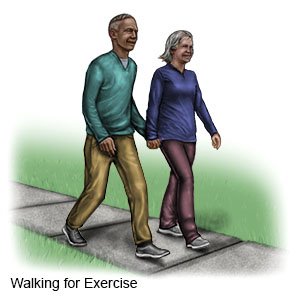
- Exercise as directed. Ask your healthcare provider about the best exercise plan for you. Aerobic exercise, such as walking, and strength-training activities may decrease pain and sleep problems. Exercise such as yoga or tai chi can also help with sleep problems.
- Set a sleep schedule. Do not nap during the day. Go to bed at the same time each night. Make sure your bedroom is dark, quiet, and comfortable. Do not drink caffeine or alcohol right before you go to bed. These can make it difficult for you to sleep. Limit other liquids to help decrease your need to urinate in the night.
- Reach or maintain a healthy weight. Obesity can make fibromyalgia symptoms worse. Your healthcare provider can help you create a weight loss plan if you are overweight.
- Take medicines as directed. You may find relief from nerve medicines, muscle relaxers, antidepressants, or antiseizure medicines. NSAIDs, acetaminophen, or prescription pain medicines may also help but are usually not recommended first. Fibromyalgia pain is not caused by inflammation or other causes that pain medicines treat, such as an injury. You may develop other pain that responds to pain medicine. Your healthcare provider will help you manage your medicines so you do not take too much.
- Ask about massage or acupuncture. Myofascial release massage may help relax and stretch tight muscles, and improve blood flow. Acupuncture may also help relieve pain.
Treatment options
The following list of medications are related to or used in the treatment of this condition.
Where can I find support and more information?
- National Chronic Fatigue Syndrome and Fibromyalgia Association
PO Box 18426
Kansas City , MO 64133
Phone: 1- 816 - 313-2000
Web Address: http://www.ncfsfa.org
When should I call my doctor?
- You are depressed and feel you cannot cope with your condition.
- Your pain increases, even after you take your pain medicine.
- You have difficulty sleeping.
- You have questions or concerns about your condition or care.
Care Agreement
You have the right to help plan your care. Learn about your health condition and how it may be treated. Discuss treatment options with your healthcare providers to decide what care you want to receive. You always have the right to refuse treatment. The above information is an educational aid only. It is not intended as medical advice for individual conditions or treatments. Talk to your doctor, nurse or pharmacist before following any medical regimen to see if it is safe and effective for you.© Copyright Merative 2024 Information is for End User's use only and may not be sold, redistributed or otherwise used for commercial purposes.
Learn more about Fibromyalgia
Treatment options
Care guides
Symptoms and treatments
Medicine.com guides (external)
Further information
Always consult your healthcare provider to ensure the information displayed on this page applies to your personal circumstances.
