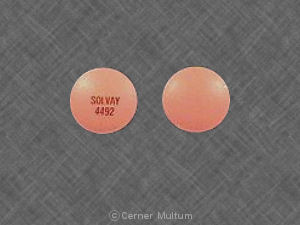
Lithobid Side Effects
Generic name: lithium
Medically reviewed by Drugs.com. Last updated on May 22, 2023.
Note: This document contains side effect information about lithium. Some dosage forms listed on this page may not apply to the brand name Lithobid.
Applies to lithium: oral capsule, oral solution, oral tablet, oral tablet extended release.
Warning
Oral route (Tablet; Tablet, Extended Release; Capsule)
Lithium toxicity is closely related to serum lithium levels, and can occur at doses close to therapeutic levels. Facilities for prompt and accurate serum lithium determinations should be available before initiating therapy.
Oral route (Solution)
Lithium ToxicityLithium toxicity is closely related to serum lithium levels, and can occur at doses close to therapeutic levels. Facilities for prompt and accurate serum lithium determinations should be available before initiating therapy.
Serious side effects of Lithobid
Along with its needed effects, lithium (the active ingredient contained in Lithobid) may cause some unwanted effects. Although not all of these side effects may occur, if they do occur they may need medical attention.
Check with your doctor immediately if any of the following side effects occur while taking lithium:
Less common
- Confusion, poor memory, or lack of awareness
- fainting
- fast, pounding, or irregular heartbeat or pulse
- frequent urination
- increased thirst
- slow heartbeat
- stiffness of the arms or legs
- troubled breathing (especially during hard work or exercise)
- unusual tiredness or weakness
- weight gain
Rare
- Blue color and pain in the fingers and toes
- coldness of the arms and legs
- dizziness
- eye pain
- headache
- noise in the ears
- vision problems
Incidence not known
- Blurred vision
- burning feeling in the chest or stomach
- chills
- cloudy urine
- cough
- decreased urination
- difficulty in speaking
- drooling
- dry mouth
- eyeballs bulge out of the eye sockets
- fever
- flushed, dry skin
- fruit-like breath odor
- general feeling of illness
- increase in heart rate
- increased hunger
- increased urination
- indigestion
- irregular heartbeat, recurrent
- large, hive-like swelling on the face, eyelids, lips, tongue, throat, hands, legs, feet, or genitals
- lightheadedness
- loss of balance control
- loss of strength or energy
- muscle pain or weakness
- muscle trembling, jerking, or stiffness
- paleness or cold feeling in the fingertips and toes
- rapid breathing
- restlessness or agitation
- shakiness and unsteady walk
- shuffling walk
- sore throat
- stomach pain or upset
- sugar in the urine
- sunken eyes
- swelling of the ankles or wrists
- tenderness in the stomach area
- tingling or pain in the fingers or toes when exposed to the cold
- tremor
- twisting movements of the bod
- twitching
- uncontrolled jerking or twisting movements of the hands, arms, or legs
- uncontrolled movements, especially of the face, neck, and back
- unexplained weight loss
- unsteadiness, trembling, or other problems with muscle control or coordination
- unusual drowsiness, dullness, or feeling of sluggishness
- unusually strong reflexes
- wrinkled skin
Get emergency help immediately if any of the following symptoms of overdose occur while taking lithium:
Symptoms of overdose
- Blurred vision
- clumsiness or unsteadiness
- convulsions (seizures)
- diarrhea
- drowsiness
- increase in the amount of urine
- lack of coordination
- loss of appetite
- muscle weakness
- nausea
- ringing in the ears
- slurred speech
- trembling (severe)
- vomiting
Other side effects of Lithobid
Some side effects of lithium may occur that usually do not need medical attention. These side effects may go away during treatment as your body adjusts to the medicine. Also, your health care professional may be able to tell you about ways to prevent or reduce some of these side effects.
Check with your health care professional if any of the following side effects continue or are bothersome or if you have any questions about them:
Less common
- Acne or skin rash
- bloated feeling or pressure in the stomach
- change in or loss of taste
- decreased interest in sexual intercourse
- diarrhea
- drying and thinning of hair
- excess air or gas in the stomach or bowels
- full feeling
- inability to have or keep an erection
- increased watering of the mouth
- loss in sexual ability, desire, drive, or performance
- passing gas
- salivary gland swelling
- tooth pain
For Healthcare Professionals
Applies to lithium: compounding powder, oral capsule, oral syrup, oral tablet, oral tablet extended release.
Nervous system
Drowsiness and lack of coordination may be early signs of lithium (the active ingredient contained in Lithobid) toxicity, and may occur at lithium levels below 2 mEq/L.
Ataxia and giddiness occurred at levels above 2 mEq/L.
Fine hand tremor may occur during initial therapy for the acute manic phase, and may persist during therapy.
The development of transient EEG changes, headache, dysgeusia/taste distortion, and metallic taste were unrelated to dosage.
Peripheral neuropathy may occur in patients on long-term treatment, but is usually reversible after discontinuation of therapy.[Ref]
Frequency not reported: Abnormal reflex convulsions, acute dystonia, ataxia, benign intracranial hypertension, blackout spells, choreoathetotic movements, cerebellar syndrome, clonic movements of whole limbs, coarse tremor of the extremities and lower jaw, cogwheel rigidity, coma, convulsions, diffuse slowing of EEG, dizziness, downbeat nystagmus, drowsiness, dysarthria, dysgeusia/taste distortion, encephalopathy, encephalopathic syndrome, epileptiform seizures, extrapyramidal syndrome, fine hand tremor, giddiness, headache, hyperactive deep tendon reflexes, hypertonicity, impaired consciousness, lack of coordination, lethargy, metallic/salty taste, myoclonus, nystagmus, peripheral sensorimotor neuropathy, poor memory, potentiation and disorganization of EEG background rhythm, pseudotumor cerebri (increased intracranial pressure and papilledema), psychomotor retardation, seizures, serotonin syndrome, slowed intellectual functioning, slurred speech/speech disorder, somnolence, startle response, stupor, tendency to sleep, tongue movements, transient electroencephalogram (EEG), tremor, vertigo, widening of EEG frequency spectrum[Ref]
Cardiovascular
Frequency not reported: Atrioventricular block, bradycardia, cardiac arrhythmia, cardiomyopathy, chest tightness, conduction disturbance, ECG changes, edema, hypotension, inversion of T-waves, isoelectricity of ECG, peripheral circulatory collapse, peripheral edema/edematous swelling of ankles or wrists, peripheral vasculopathy, QT prolongation, Raynaud's phenomena/syndrome, reversible flattening of ECG, sinus node dysfunction with severe bradycardia and/or sinoatrial block (may result in syncope), transient ECG changes, unmasking of Brugada syndrome, ventricular tachyarrhythmia[Ref]
The development of transient ECG changes, chest tightness, and edematous swelling of ankles/wrists were unrelated to dosage.
Painful discoloration of the fingers/toes and coldness of extremities (resembling Raynaud's syndrome) occurred within one day of initiation; the patient recovered after discontinuation. The exact mechanism for this side effect is unknown.[Ref]
Gastrointestinal
Frequency not reported: Abdominal pain/discomfort, constipation, dental caries, diarrhea, dry mouth, excessive salivation, flatulence, gastritis, incontinence of feces, indigestion, nausea/transient and mild nausea, salivary gland swelling, swollen lips, vomiting[Ref]
Diarrhea and vomiting may be early signs of lithium toxicity, and may occur at lithium levels below 2 mEq/L.
Transient and mild nausea may occur within the first few days of therapy.
The development of metallic/salty taste, dental caries, and swollen lips were unrelated to dosage.[Ref]
Dermatologic
Frequency not reported: Acne/acneform eruptions, alopecia, anesthesia of skin, chronic folliculitis/folliculitis, cutaneous ulcers, drying and thinning of hair, generalized pruritus with/without rash, papular skin disorders, pruritus, psoriasis onset/exacerbation, urticaria, xerosis cutis[Ref]
The development of generalized pruritus with/without rash and cutaneous ulcers were unrelated to dosage.[Ref]
Endocrine
Frequency not reported: Diffuse nontoxic goiter with/without hypothyroidism, euthyroid goiter, hyperparathyroidism, hyperthyroidism, hypothyroidism (including myxedema), iodine 131 uptake increased, lower T3 and T4 levels, thyrotoxicosis[Ref]
Hyperthyroidism has been rarely reported, and may persist after discontinuation of treatment.
Hyperparathyroidism may persist after discontinuation of treatment.
The development of diffuse nontoxic goiter with/without hypothyroidism and hyperparathyroidism were unrelated to dosage.[Ref]
Musculoskeletal
Muscular weakness develops early in lithium (the active ingredient contained in Lithobid) toxicity, and may occur at lithium levels below 2 mEq/L.
Muscle hyperirritability includes fasciculations, twitching, clonic movements of whole limbs.
The development of swollen/painful joints and polyarthralgia were unrelated to dosage.[Ref]
Frequency not reported: Arthralgia/polyarthralgia, muscle hyperirritability, muscular weakness, myalgia, myasthenia gravis, myoclony, rhabdomyolysis, swollen/painful joints, twitching[Ref]
Renal
Frequency not reported: Decreased creatinine clearance, glycosuria, histological renal changes with interstitial fibrosis, lithium-induced chronic kidney disease, microcysts, nephrogenic diabetes insipidus, nephrotic syndrome, oliguria, renal dysfunction[Ref]
Diabetes insipidus may persist after discontinuation of treatment.
Histological renal changes with interstitial fibrosis occurred in patients on prolonged treatment, and was usually reversible upon discontinuation. Long-term treatment may cause permanent kidney changes and impairment of renal function; high serum concentrations and/or acute lithium toxicity may worsen these changes.[Ref]
Metabolic
Frequency not reported: Anorexia, dehydration, excessive weight gain, hypercalcemia, hypermagnesemia, hyponatremia, polydipsia, thirst/mild thirst, transient hyperglycemia/hyperglycemia, weight loss[Ref]
The development of transient hyperglycemia, hypercalcemia, and excessive weight gain were unrelated to dosage.[Ref]
Other
Frequency not reported: Fall, fasciculations, fatigue, feeling dazed, fever, general discomfort, lithium (the active ingredient contained in Lithobid) toxicity, tinnitus[Ref]
Tinnitus occurred at levels above 2 mEq/L.
Mild thirst may occur during initial therapy for the acute manic phase, and may persist during therapy; in some cases, thirst resembled diabetes insipidus. The development of thirst was unrelated to dosage.
General discomfort may also appear within the first few days of therapy.
The development of fever was unrelated to dosage.[Ref]
Genitourinary
Frequency not reported: Albuminuria, impotence/sexual dysfunction, incontinence of urine, large output of dilute urine, lithium-induced polyuria/polyuria[Ref]
At levels above 2 mEq/L, patients excreted a large output of dilute urine.
Polyuria may occur during initial therapy for the acute manic phase, and may persist during therapy; in some cases, polyuria resembled diabetes insipidus. The development of polyuria was unrelated to dosage.
The development of albuminuria was unrelated to dosage.[Ref]
Psychiatric
Frequency not reported: Confusion, delirium, hallucinations, restlessness, tics, worsening of organic brain syndromes[Ref]
The worsening of organic brain syndromes was unrelated to dosage.[Ref]
Hypersensitivity
Frequency not reported: Allergic rashes, angioedema[Ref]
Ocular
Frequency not reported: Blindness, blurred vision, enlargement of the blind spot, exophthalmos, optic atrophy, transient scotomata/scotoma, visual field constriction[Ref]
Blurred vision occurred at levels above 2 mEq/L.[Ref]
Oncologic
Frequency not reported: Collecting duct renal carcinoma, oncocytoma[Ref]
Collecting duct renal carcinoma occurred in patients on long-term therapy.[Ref]
Hematologic
The development of leukocytosis was unrelated to dosage.[Ref]
Frequency not reported: Leukocytosis[Ref]
Frequently asked questions
More about Lithobid (lithium)
- Check interactions
- Compare alternatives
- Pricing & coupons
- Reviews (17)
- Drug images
- Dosage information
- During pregnancy
- Generic availability
- Drug class: antimanic agents
- Breastfeeding
- En español
Patient resources
Other brands
Professional resources
Related treatment guides
References
1. Product Information. Eskalith (lithium). SmithKline Beecham. 2002;PROD.
2. Product Information. Lithobid (lithium). Ciba-Geigy Pharmaceuticals. 2002;PROD.
3. Cerner Multum, Inc. UK Summary of Product Characteristics.
4. Cerner Multum, Inc. Australian Product Information.
5. Therapeutic Goods Administration (TGA). Medicines Safety Update, Volume 8 Number 4, August-September 2017 https://www.tga.gov.au/publication-issue/medicines-safety-update-volume-8-number-4-august-september-2017 2017.
Further information
Always consult your healthcare provider to ensure the information displayed on this page applies to your personal circumstances.
Some side effects may not be reported. You may report them to the FDA.